EA Craftsman EA Course [017] Hidden Benefits of Automated Trading No One Talks About
0
Ease of Risk Management
When you search for the pros and cons of automated trading, you'll likely find mountains of results, but there seems to be few discussions about how easy risk management is. So today I'll talk about that.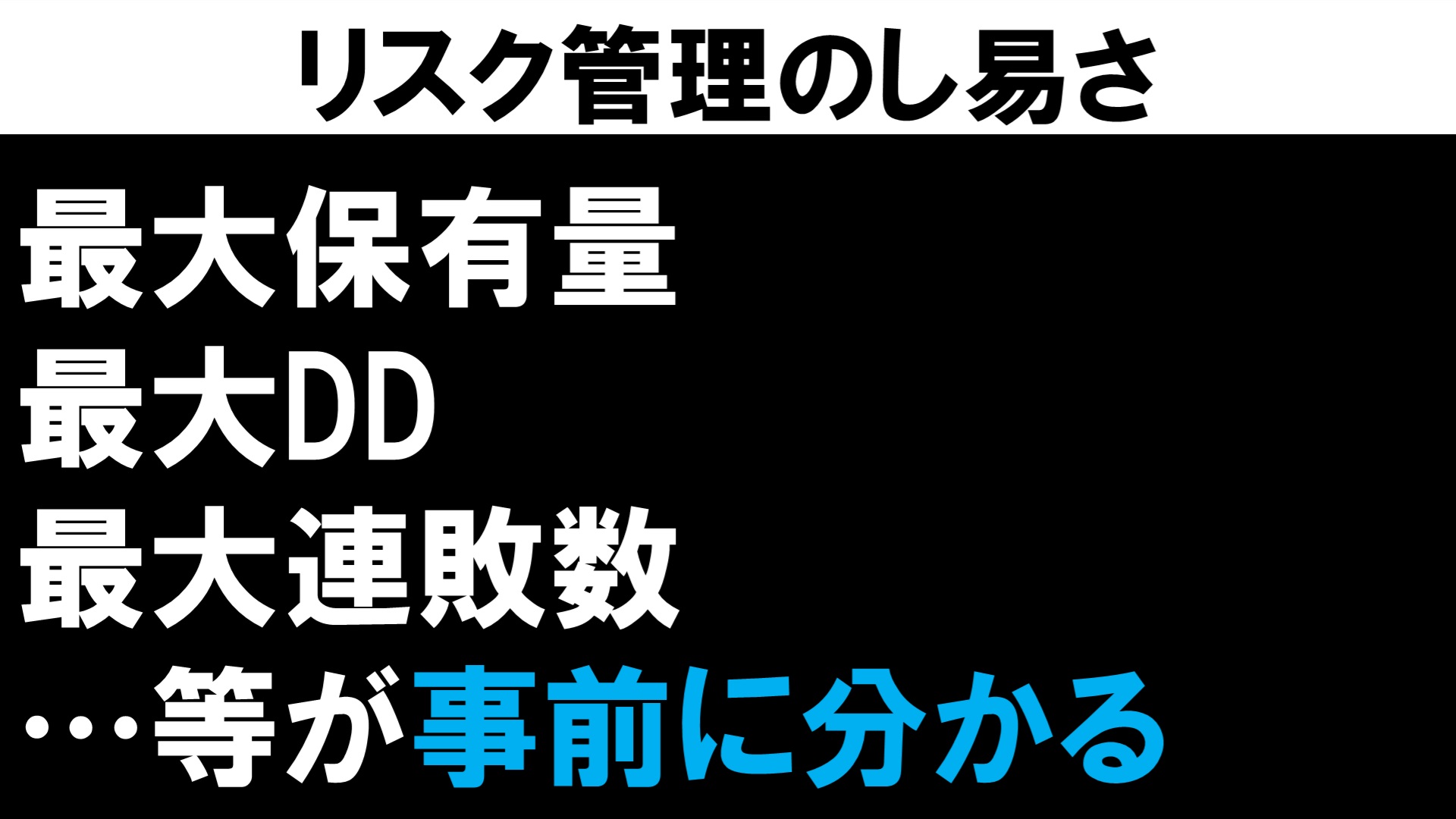
Elements necessary for risk management include maximum position size, maximum drawdown, maximum consecutive losses...
and so on. These are among the aspects that, in automated trading, can be clearly understood in advance by numbers without bias.
It’s useless if it’s harder than Lehman
I do not trade based on economic indicators or statements during discretionary trading except for entertainment, but incorporating that into past verifications is difficult, isn’t it?For example, do you remember the employment statistics from June three years ago? Do you remember all the key-person statements and their timing?
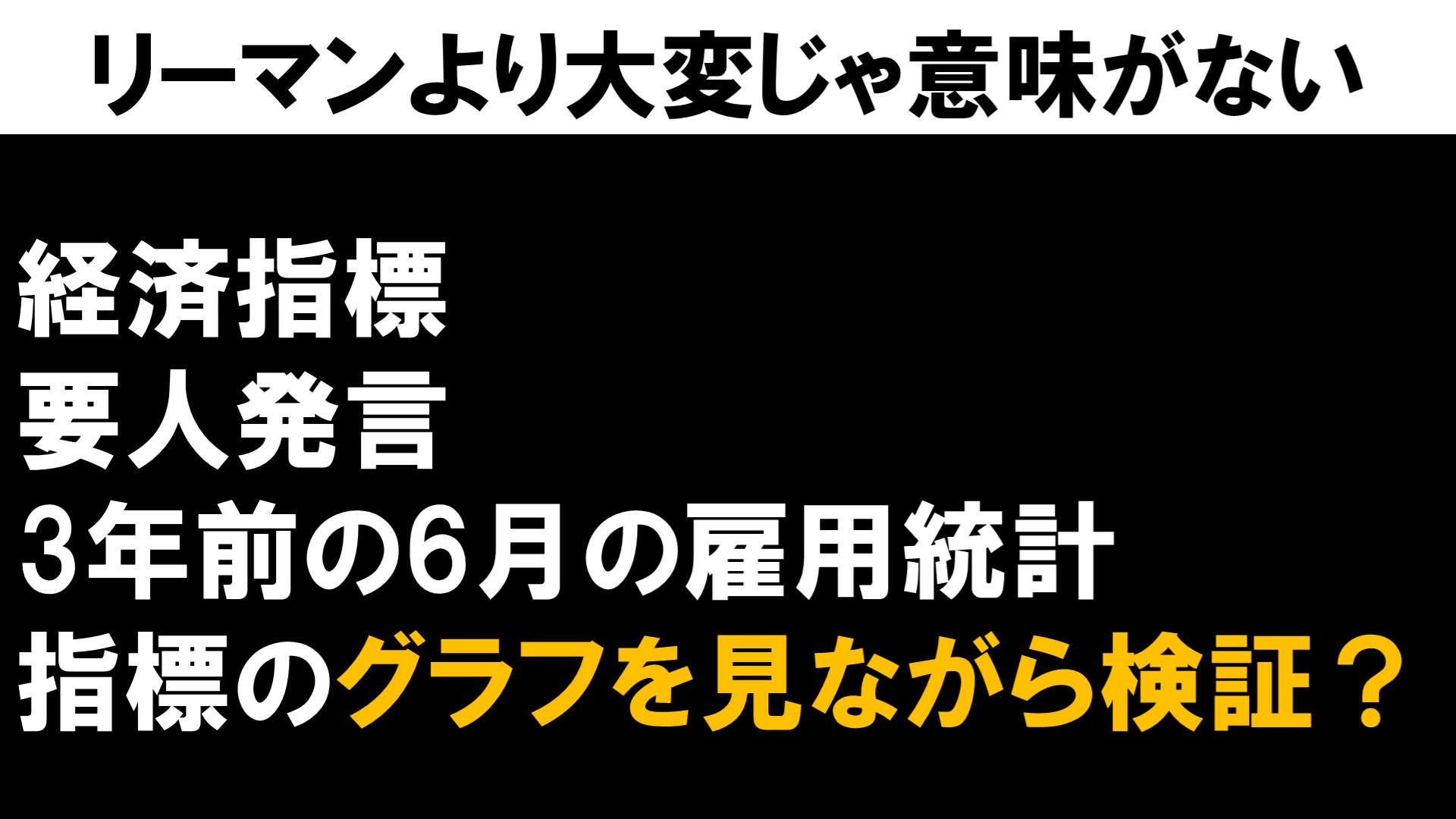
If you search the web, it’s not impossible to know, and in fact I can answer quickly because I’ve collected decades of historical data on major economic indicators and made my own graphs.
However, whether I have cross-checked those graphs while performing past verifications—no, I haven’t gone that far.
Large securities firms and funds may train AI on such data to infer price movements at indicator times, but I don’t do that.
And with key-person statements, even more so.
Who said what in the past and how did the market respond at that time... collecting ten years’ worth of that data...
If it were this hard, I’d rather quit earning from FX and just be an ordinary office worker.
So in discretionary trading, I avoid trading during indicator releases or key-person statements.
I may dabble with small lots like playing a game, but I don’t take it seriously with the aim of making money that way.
Does my EA respond to indicators?
So what about the EA I’m developing? What measures does it take regarding economic indicators and key-person statements?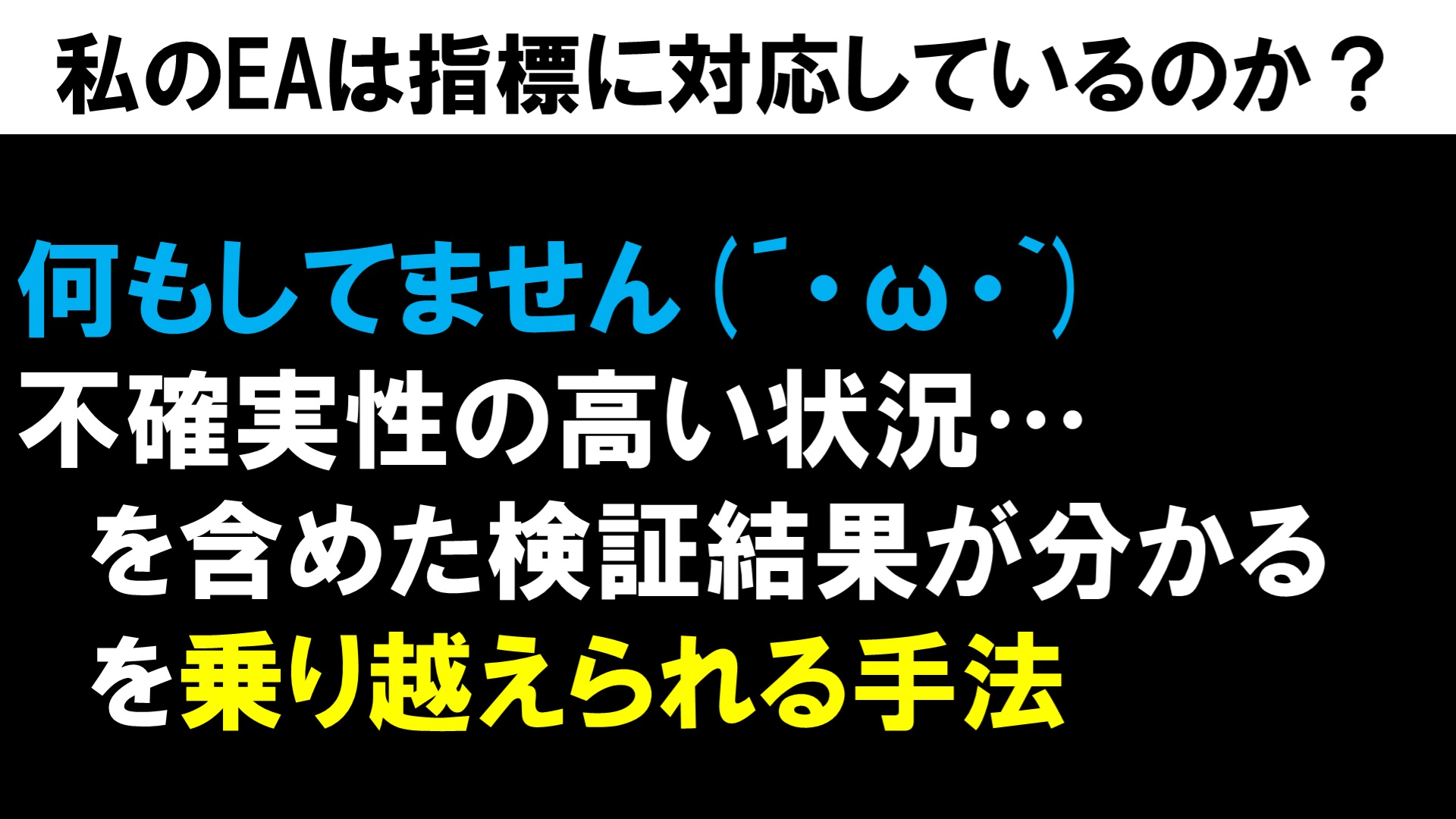
In short, the answer is that it does nothing.
For example, I don’t program it to refrain from new entries just before US economic indicators are released at 22:30 (21:30 in daylight saving time).
The reason is that in past verification of automated trading, you can know precisely what would happen if you run it for five years—or ten years—even with such high-uncertainty situations.
Conversely, automated trading programs are designed to operate with methods and position sizes that can withstand these high-uncertainty situations.
Guarantee of results
Considering uncertain situations means robustness is high, so it won’t collapse due to a few events and will naturally adapt to unknown events as well...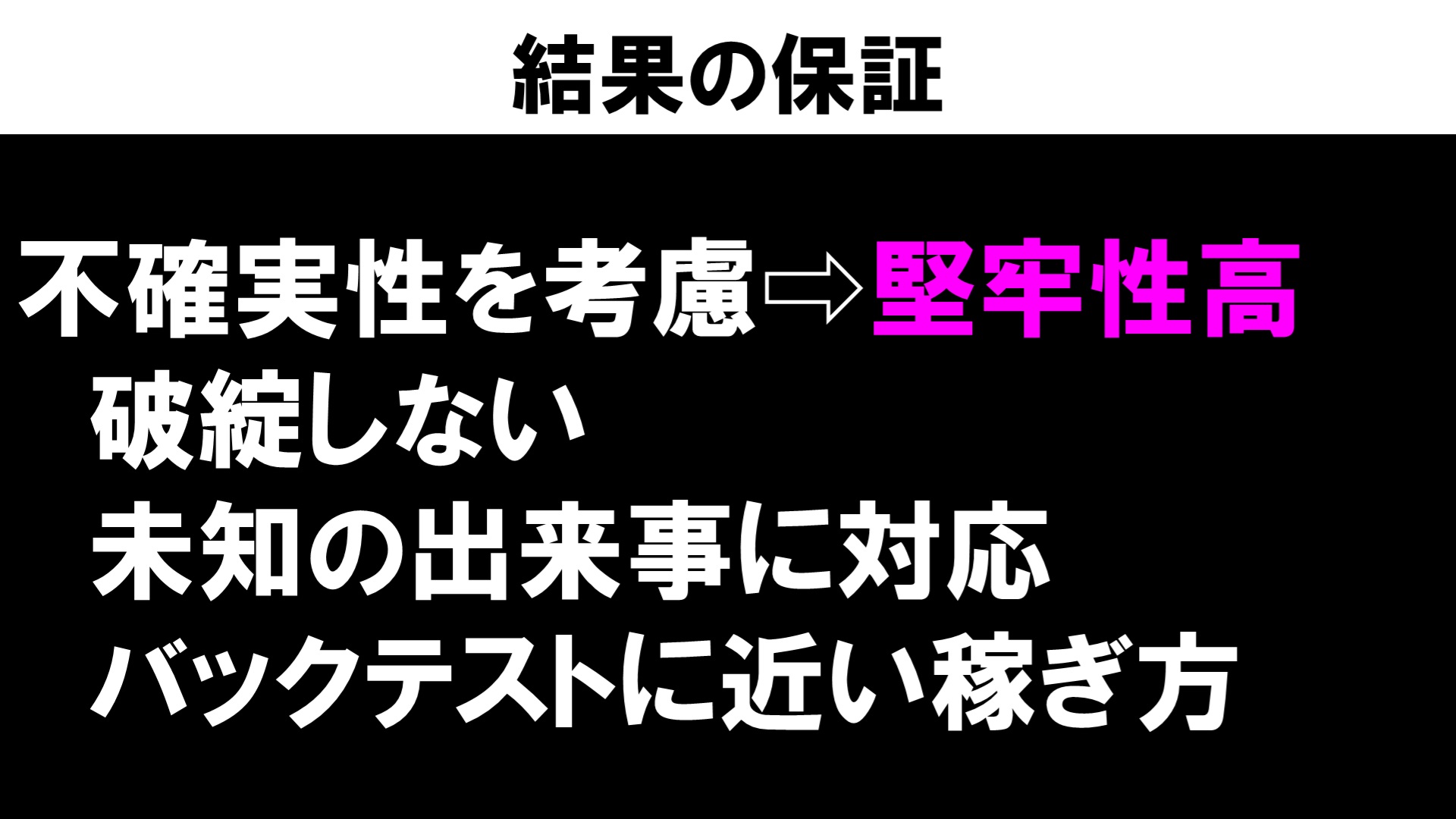
Moreover, high robustness increases the likelihood that future operations will perform as in backtests or close to them.
From these points, you can understand that automated trading is easier to manage risk than discretionary trading...
Of course, it’s not that simple; for example, issues like overfitting discussed in past lectures exist, so don’t take backtest results at face value—compare with forward tests and other indicators...
Is this EA truly robust?
A comprehensive judgment is required.
As I mentioned in the previous course, the method to sharpen that skill is to gain experience in operating EAs.
■My developed EA concept and operating policy
EA Artisan’s EA (Three Arrows) is here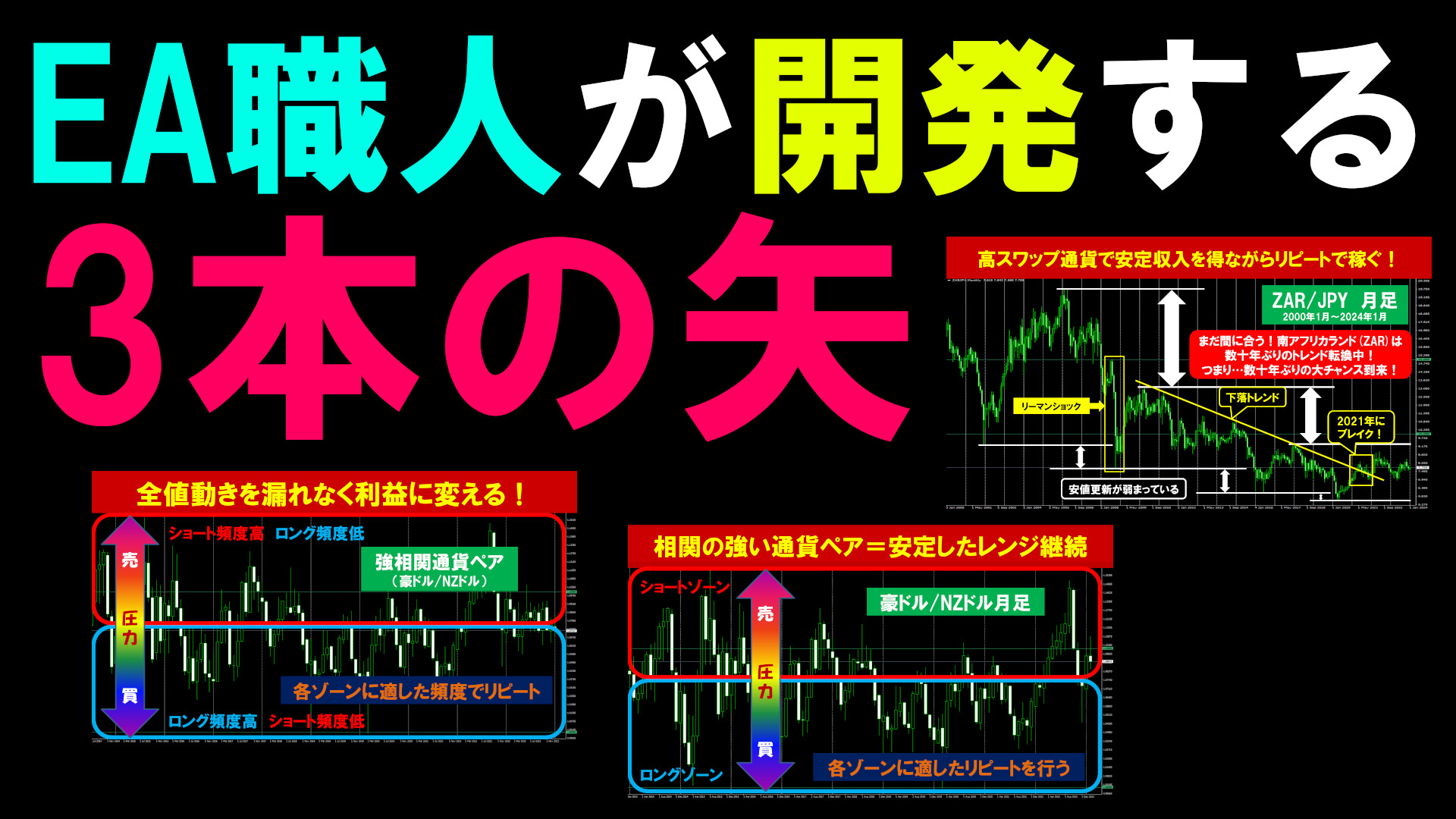
× ![]()