EA Craftsman’s EA Course【001】Items of emphasis and maximum drawdown
0
Any EA can be modified to 1000% annual return
Not limited to EAs, when it comes to FX methods, there are various indicators such as win rate, monthly return, and PF (Profit Factor). However, one indicator that developers of EAs pay close attention to is the maximum drawdown.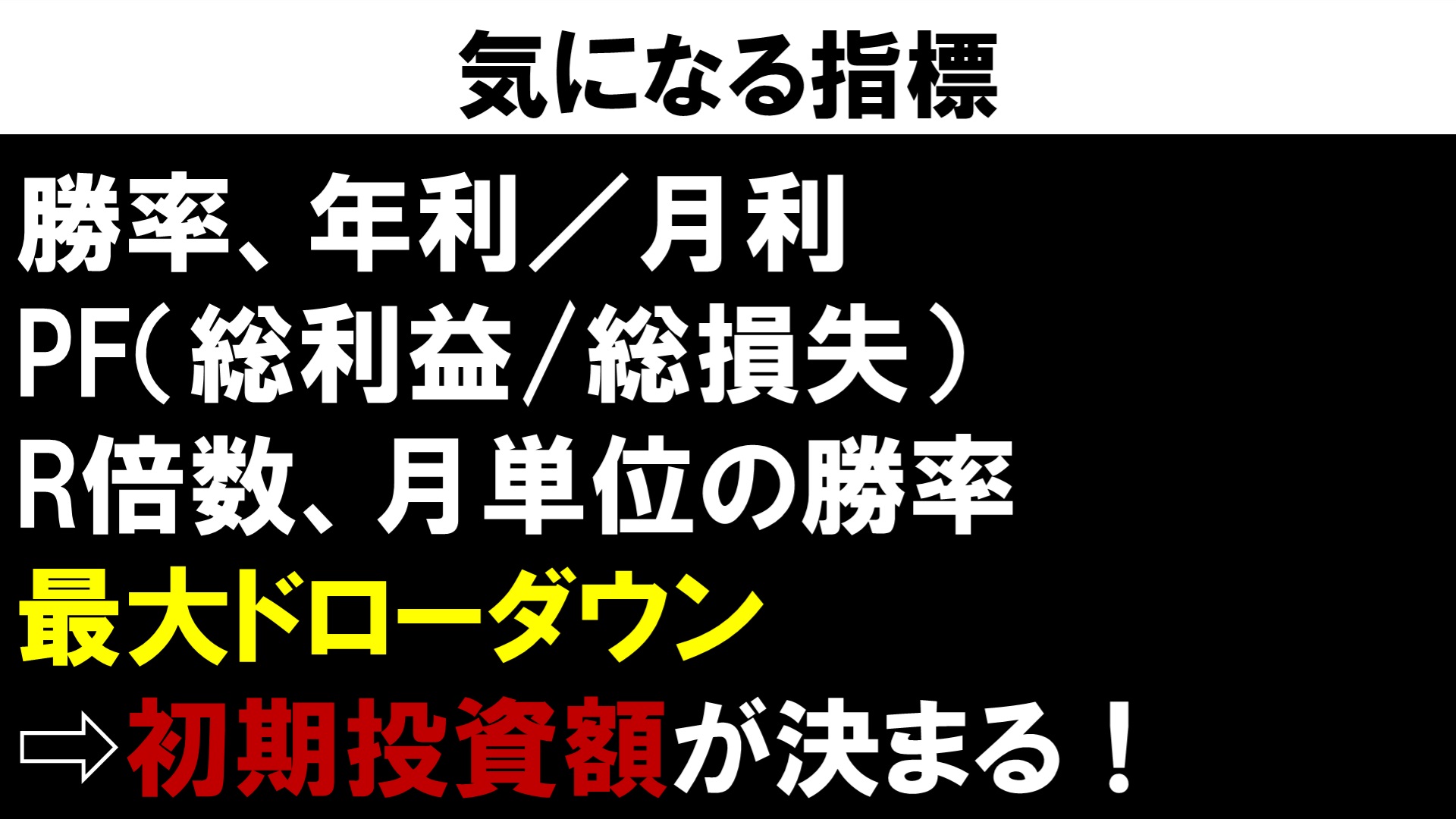
The reason this is important is that it determines the required margin. It decides how much starting capital you should prepare.
For example, suppose there is an EA that, when trading 10,000 units of USD/JPY (0.1 lots) for one year, earns 100,000 yen.
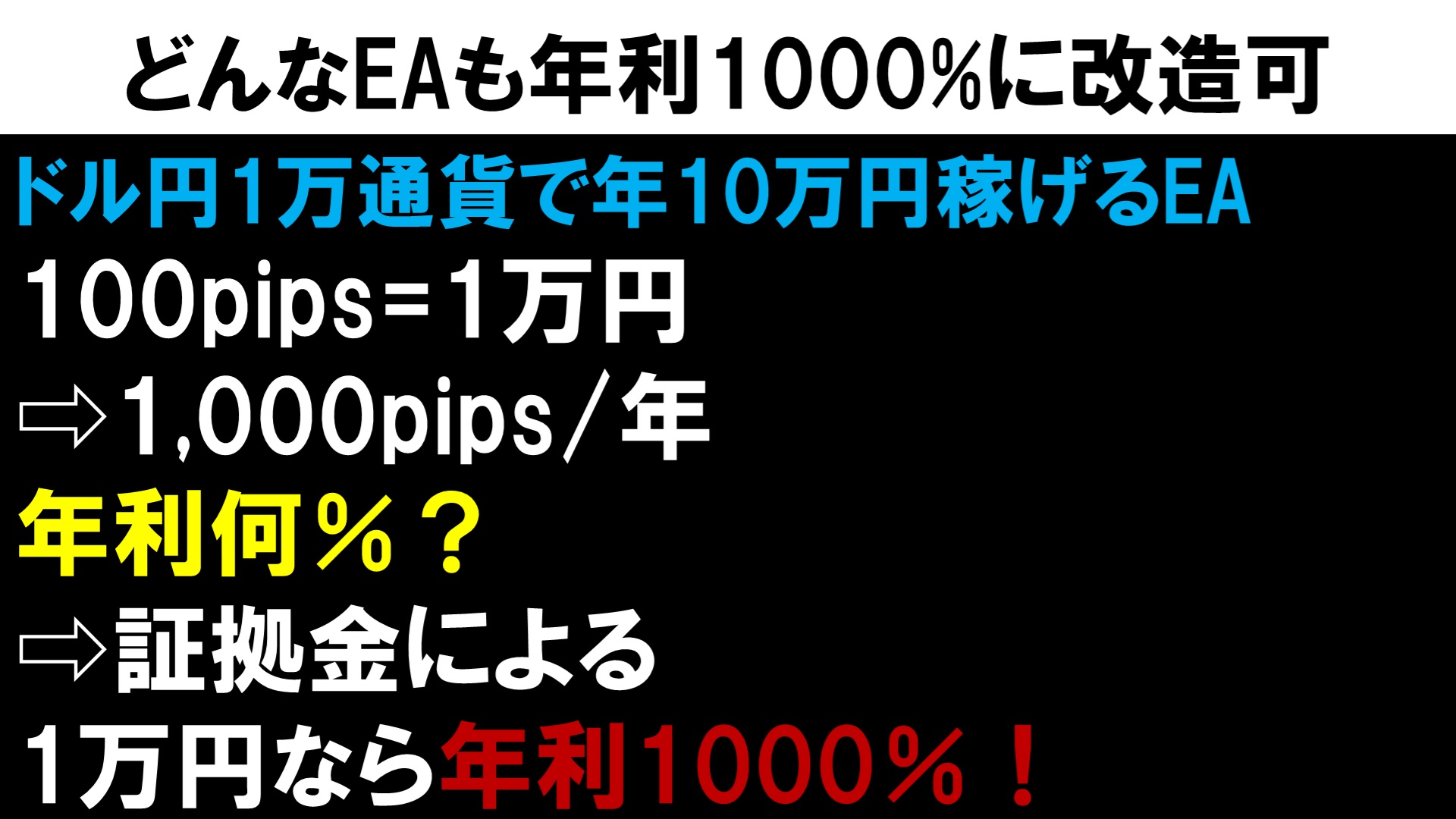
With 10,000 units, a 100-pip move yields 10,000 yen, so this EA would earn 1,000 pips per year. But here is the problem.
How much annual return would this EA achieve? Please consider the fixed margin case of 10,000 units.
・
・
・
・
If you started with 10,000 yen in margin, earning 100,000 yen would be an annual return of 1,000%, meaning the capital could grow 11-fold in a year (initial margin of 10,000 yen plus 100,000 yen profit). This could transform into an extraordinary EA.
Thus, the less margin you have, the flashier the claimed results. The issue here is the topic at hand: maximum drawdown.
What is Drawdown
Can everyone explain drawdown?In rough terms, it is the measure of how much the asset value (mark-to-market) has fallen from its peak during the operation.
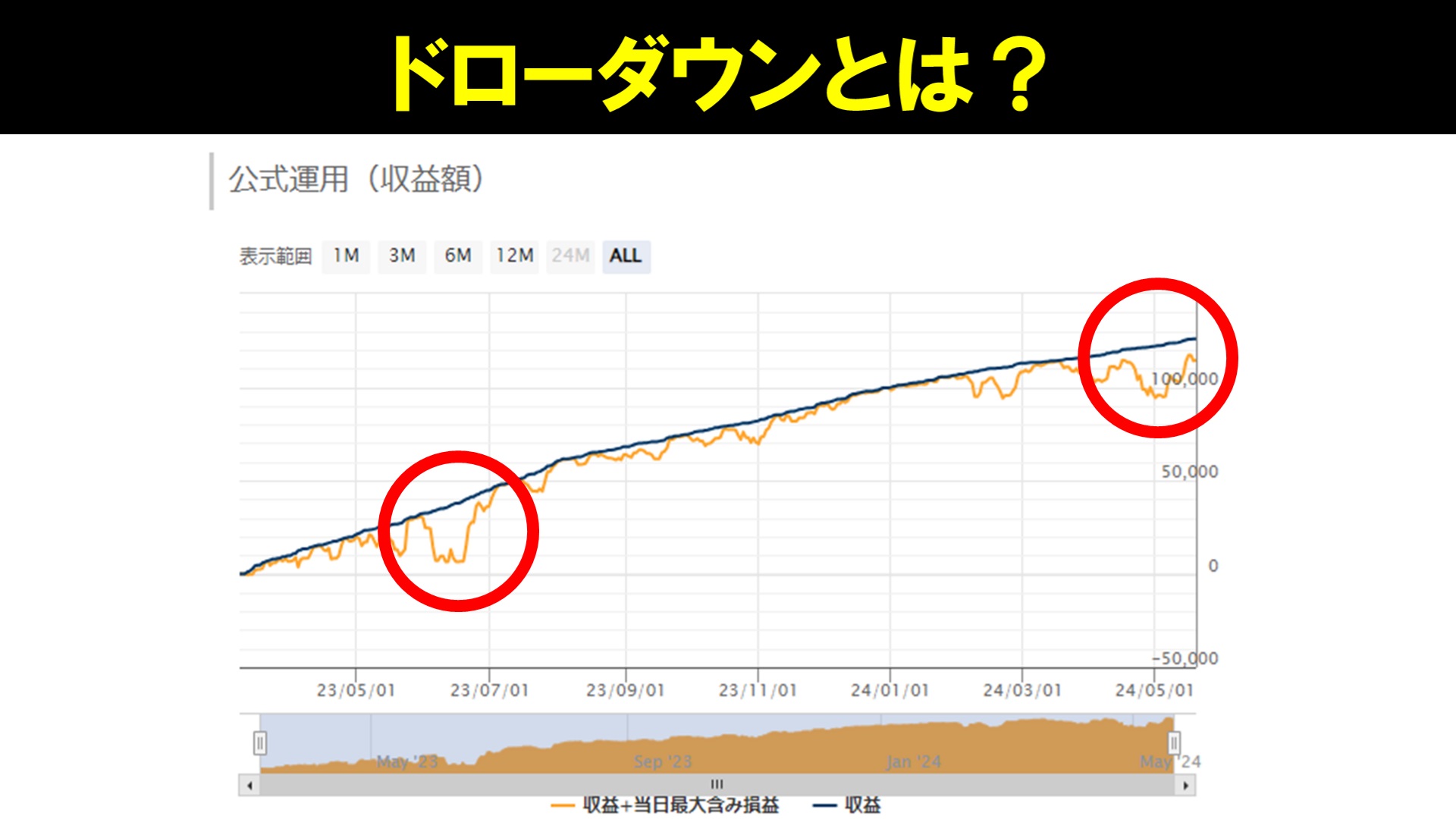
This can be expressed as a percentage of total assets or as an amount (yen, dollars, etc.).
For example, if you start with 1,000,000 yen and grow to 1,500,000 yen, then begin to lose and your asset value falls to 1,000,000 yen again, you would have a drawdown of 33% or 500,000 yen.
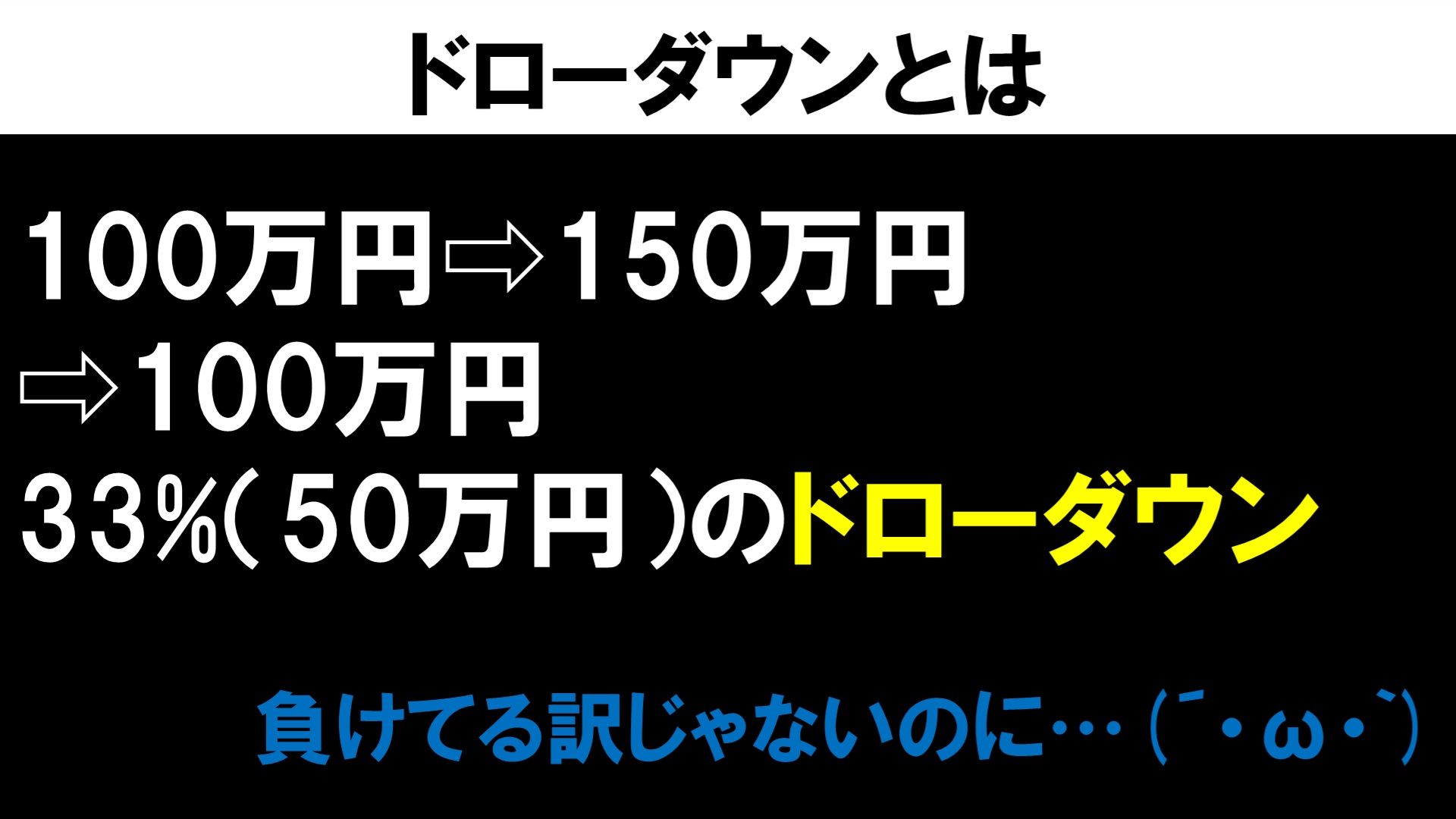
The maximum drawdown is the largest drawdown within a certain period.
Key indicators related to maximum drawdown are the amount, the time to recover, and the recovery factor (to be explained later).
The drawdown percentage is not so important, because it can be manipulated by changing the margin size.
Relative Drawdown
For example, suppose the previously mentioned 10,000-unit EA earns 100,000 yen, and its maximum drawdown (DD) is 50,000 yen.If you start with 100,000 yen margin and earn 100,000 yen, and the mark-to-market value rises to 200,000 yen, drawdown starts and falls by 50,000 yen.
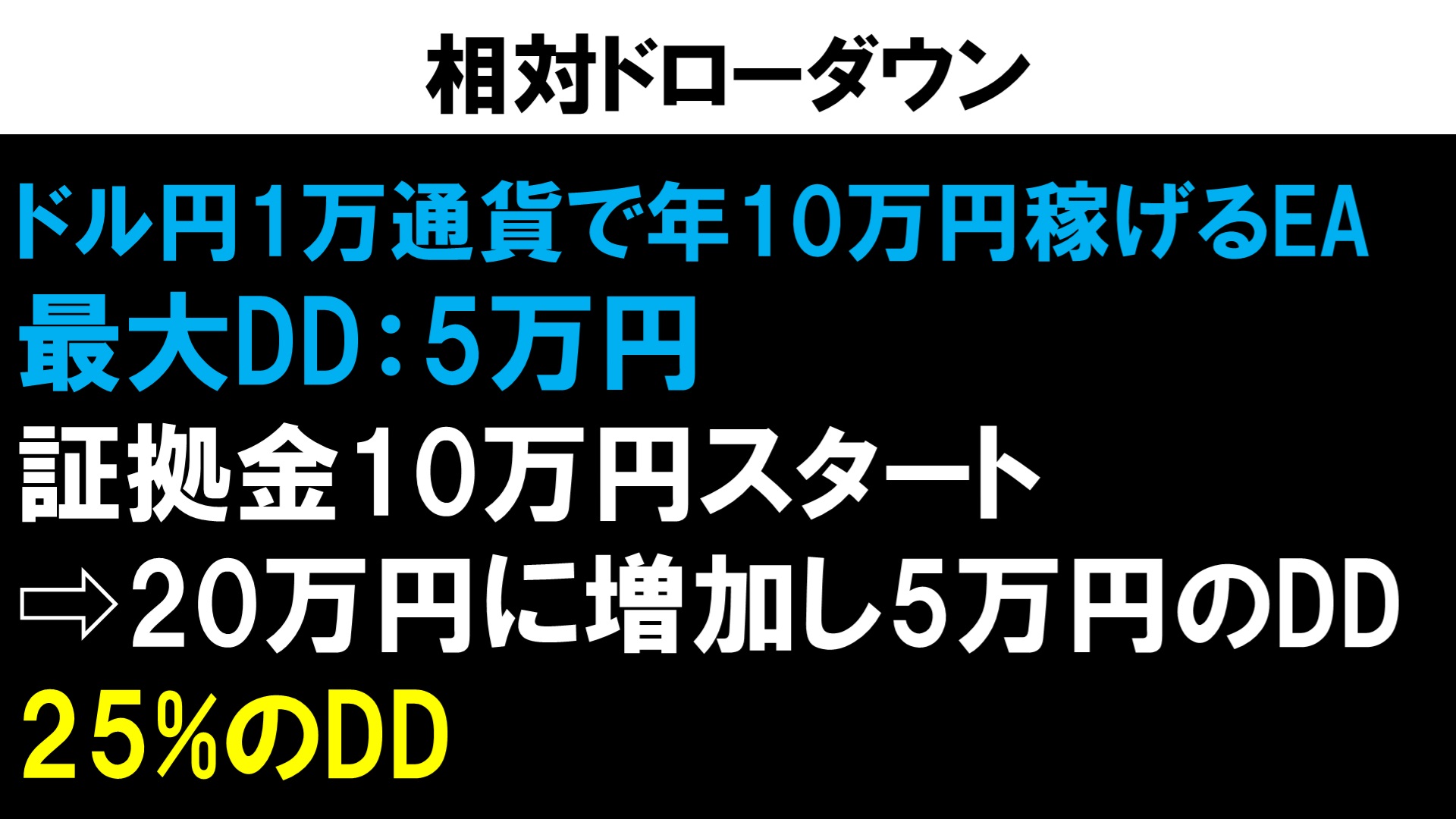
The drawdown percentage is 25%.
Another person starts with a margin of 1,000,000 yen, earns 100,000 yen like before, and the mark-to-market value goes to 1,100,000 yen before drawdown begins and falls by 50,000 yen.
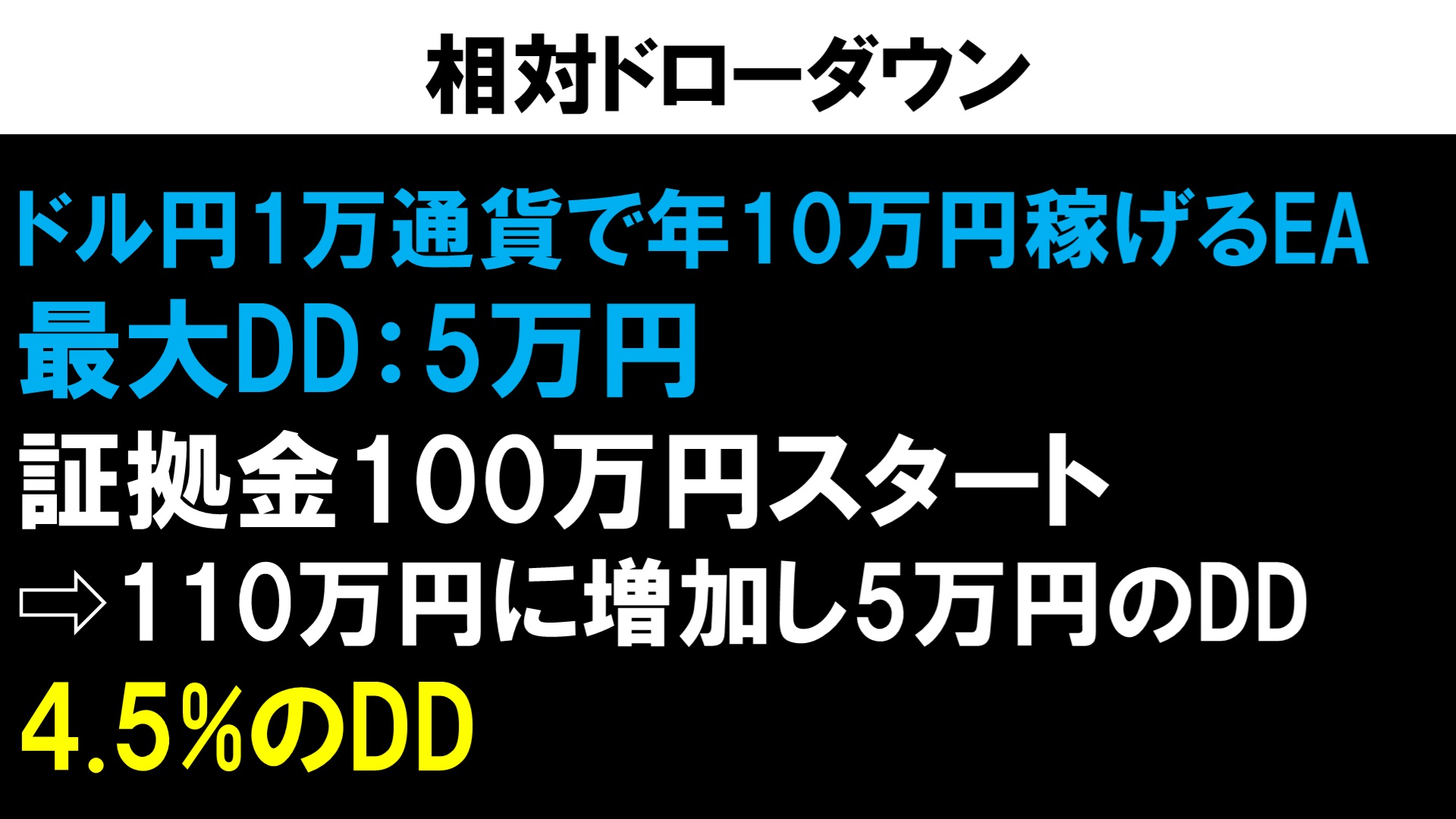
The drawdown percentage is 4.5%.
This is why drawdowns expressed as a percentage are called relative drawdown, but they change greatly depending on what the asset value was at its peak, so they are not a reliable metric for evaluation.
Also, because relative drawdown can be manipulated by changing the initial margin, some may artificially inflate it...
A神 EA with such a tiny maximum drawdown! Finally complete!
Be careful of such numerical magic.
Therefore, focus on the drawdown in terms of the amount. What is the maximum drawdown for a given lot size?
Even if you say a drawdown of 1,000,000 yen, if that is due to 50,000 units of trading it is not so bad, but with 1,000 units it would be unpleasant.
Is 1,000% annual return possible?
Now, can we start this EA with 10,000 yen margin and achieve 1,000% annual return?You probably already know the answer.
In backtests, you can identify the timing when this EA continues to climb without drawdown, and if you start from there, it is possible to achieve it.
For example, if you run a backtest using all available historical data, you might get a capital curve like this.
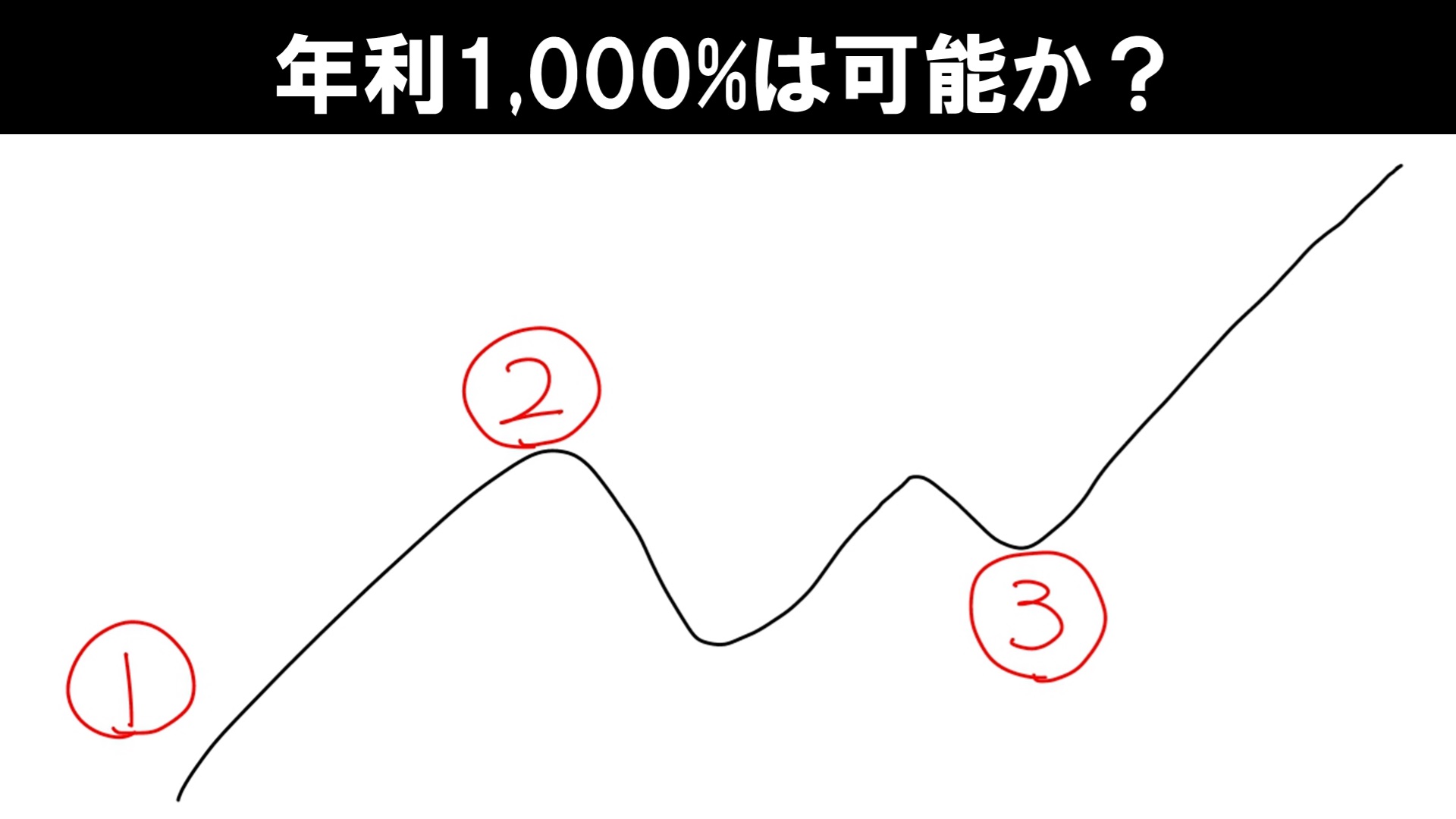
The most favorable point is timing point ③.
If you start the backtest from this point, you will have a rising capital curve without large drawdowns, and you can promote it as "神 EA with 1,000% annual return! Finally completed!"
The same applies to real trading. Of course, in real trading it is difficult to know such timing in advance, but with luck it can be achieved.
If luck is not on your side, you may start at a place like ② and then earn after you decide "This EA is no good!" and stop using it, thinking "If I had kept it running, I could have earned."
What margin should you start with?
For example, this EA has been running since March 10, 2023, and its maximum drawdown is 32,328 yen.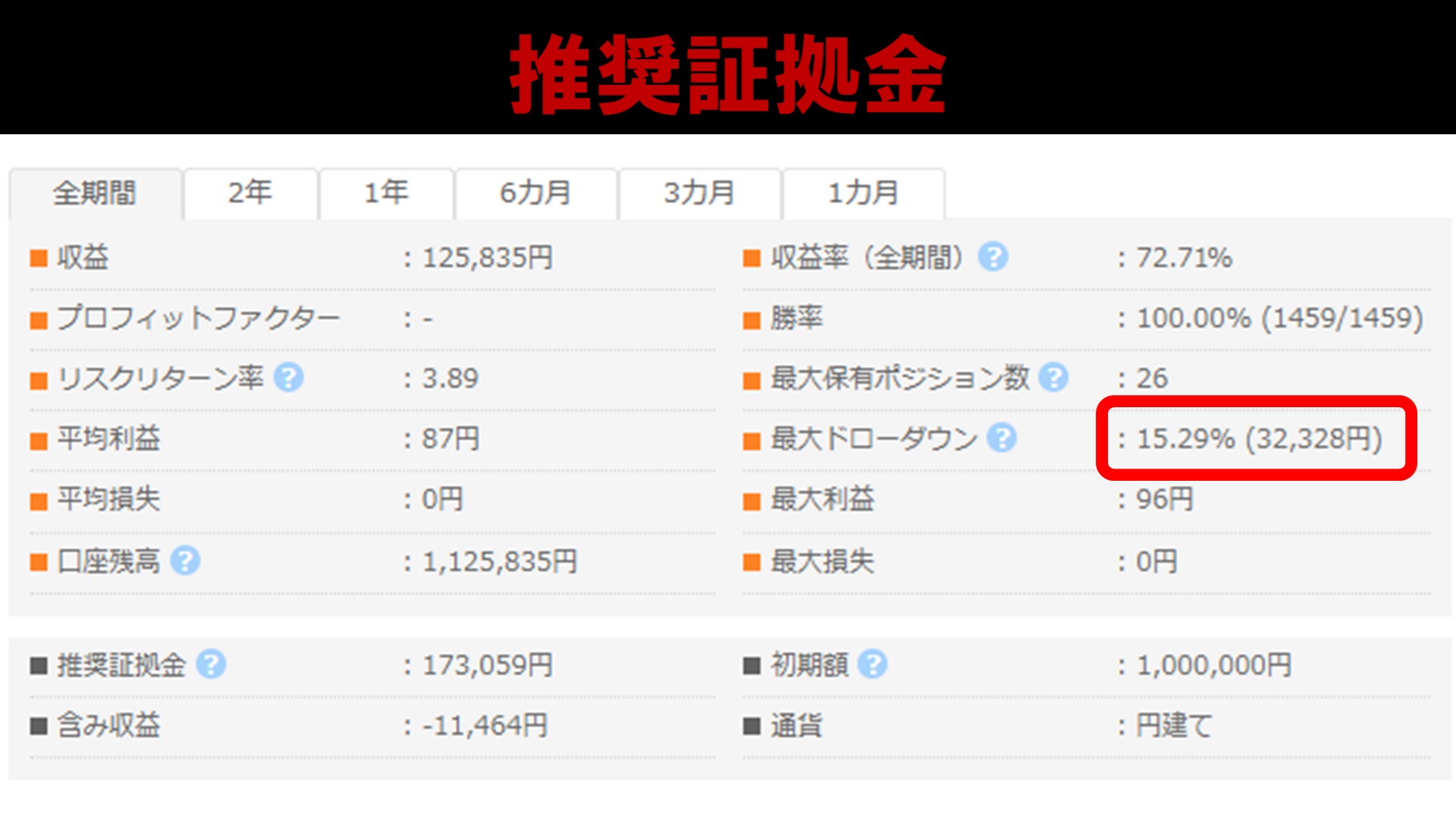
No one knows when this drawdown will begin. It might start just after you begin operating, or after a year.
So there is no meaning in knowing it as a relative drawdown percentage.
If the account balance is large, the drawdown value will be small; if you start with a small margin, it will be large.
Therefore, in this case you need to decide the margin assuming a drawdown of 32,328 yen begins right after starting. If you have long-term backtest results, consider those when determining the margin.
Also, some EAs hold multiple positions, so you may need to back-calculate the required margin from the broker's leverage and the maximum number of open positions.
For example, when 1 dollar is 150 yen and you long 10,000 units (10,000 dollars), the position is 1,500,000 yen (150 yen × 10,000 units); with 25x leverage, the required margin is 60,000 yen (1,500,000 ÷ 25), but with 1000x leverage it would be only 1,500 yen (1,500,000 ÷ 1000).
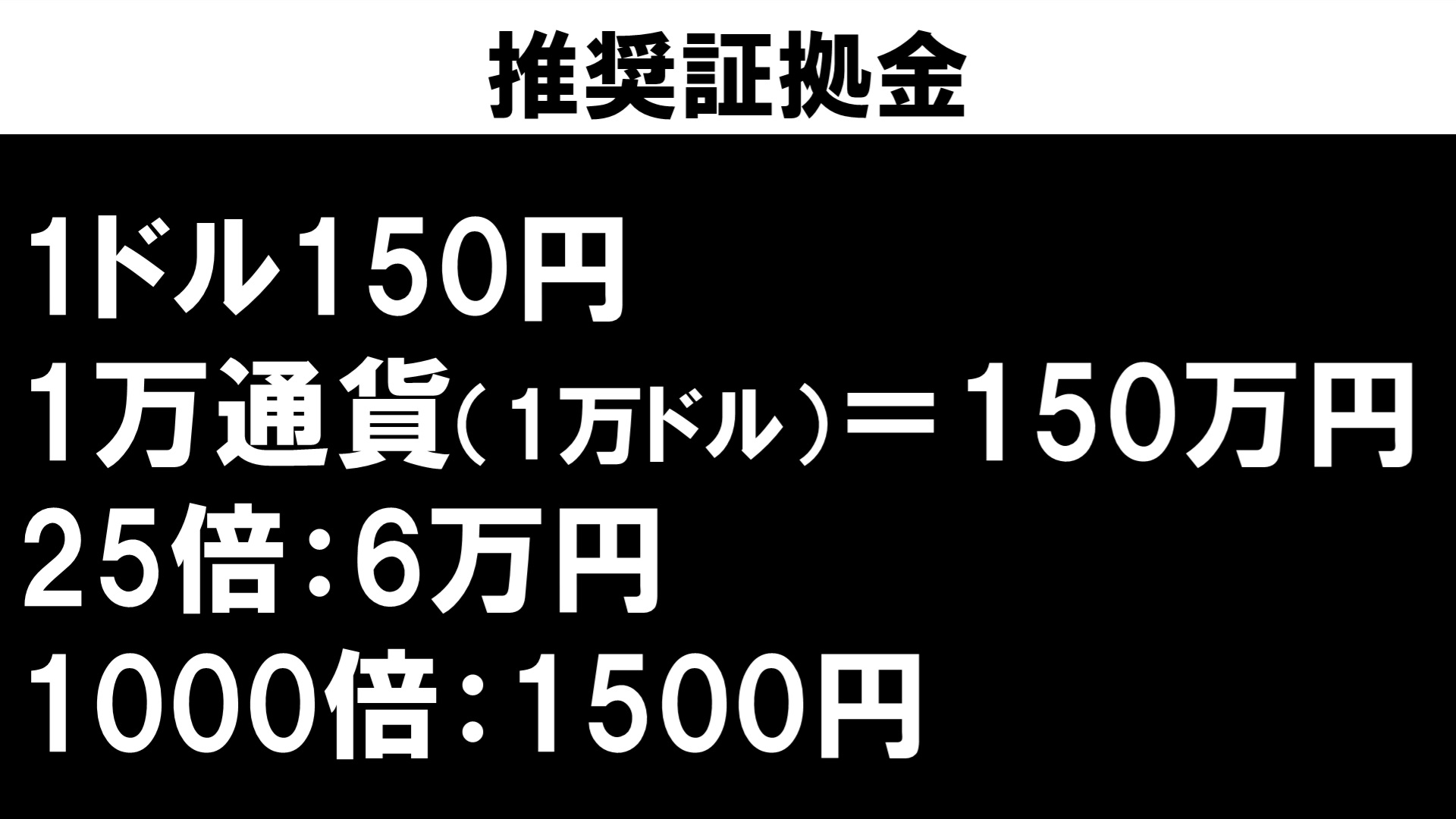
This calculation is combined with maximum drawdown to determine the margin.
As you operate longer, you may update the maximum drawdown, so it is basic to keep a bit of extra margin.
Recovery Factor
Earlier I said, "The indicators related to maximum drawdown worth watching are the amount, the time to recover, and the recovery factor." The amount is already covered well enough.Regarding the time to recover, it is literally the time from when drawdown begins to when the equity balance reaches its new maximum.
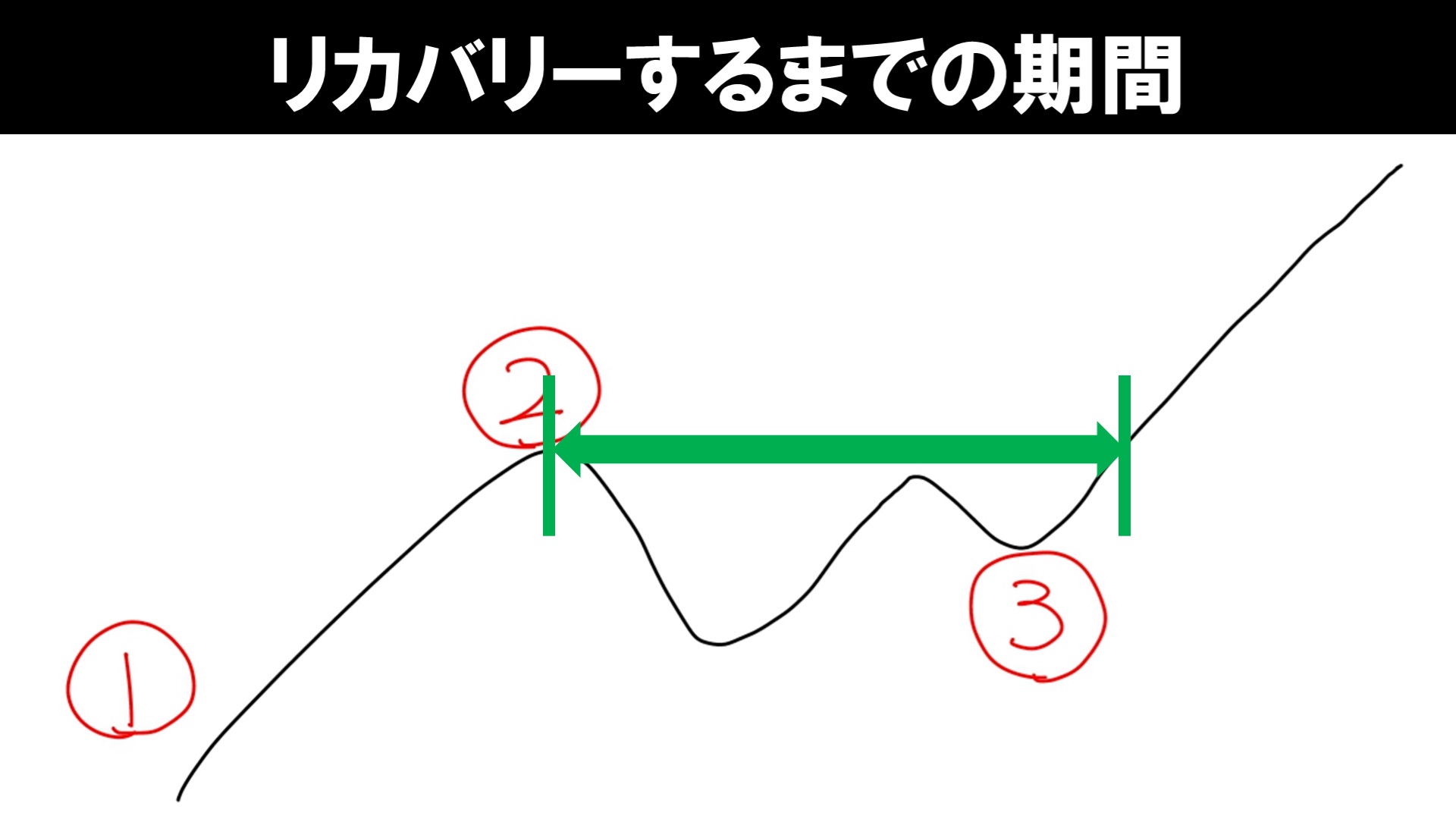
Clearly, the shorter this period, the better the EA.
Lastly, the recovery factor is calculated as 'Net Profit ÷ Maximum Drawdown'.
For example, the aforementioned EA earned a net profit of 125,835 yen in one year, with a maximum drawdown of 32,328 yen, giving a recovery factor of 3.89 per year.
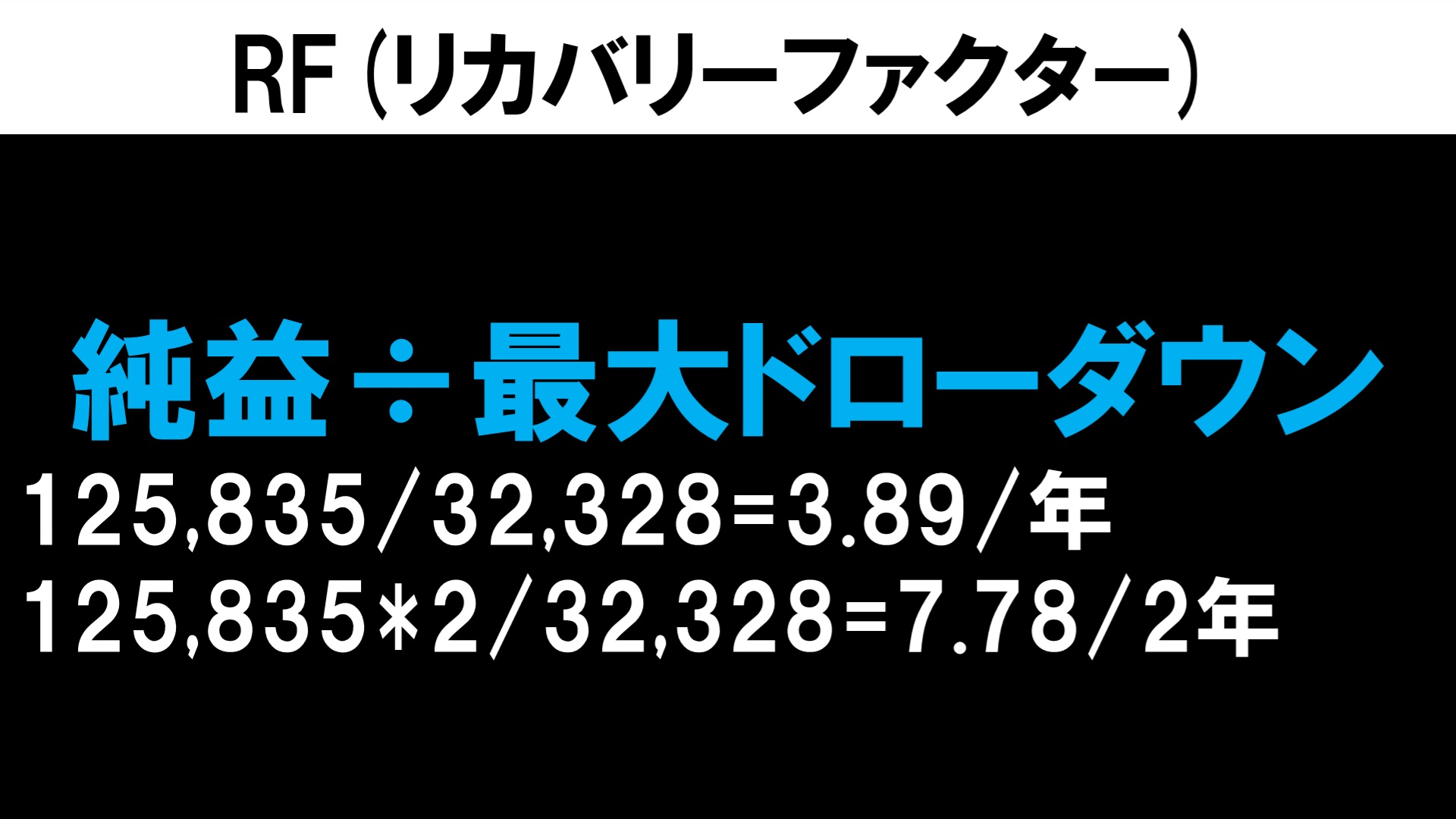
If the maximum drawdown is not updated and the next year also earns 125,835 yen, the RF would be 7.78 (125,835 × 2 ÷ 32,328).
Generally, the higher this value, the better, but like PF and win rate, this single metric does not determine an EA's superiority.
When choosing an EA, it is important to consider this alongside other metrics like the smoothness of the equity curve, performance, and, if using multiple strategies, to take a portfolio approach.
■ My developed EA concept and trading policy
EA Craftsman's EA (Three Arrows) is here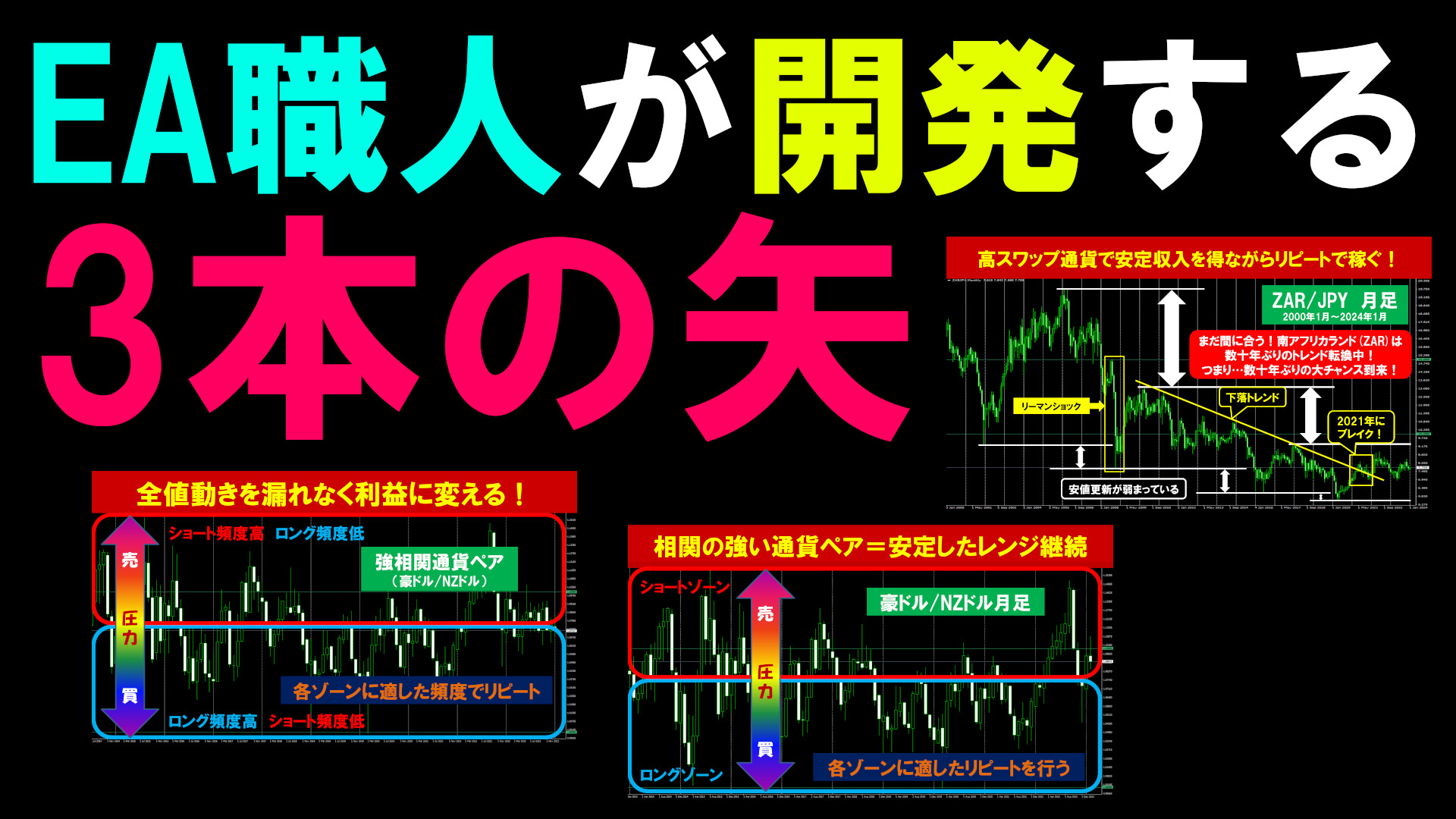
× ![]()