EA Craftsman's EA Course 【013】 About the Risk-Return Ratio Ranking of FX Automated Trading
Purpose of the Indicator
This indicator is the same RF (Recovery Factor) that was explained in the first EA course “About Maximum Drawdown.”The formula is obtained by [Profit ÷ Maximum Drawdown].
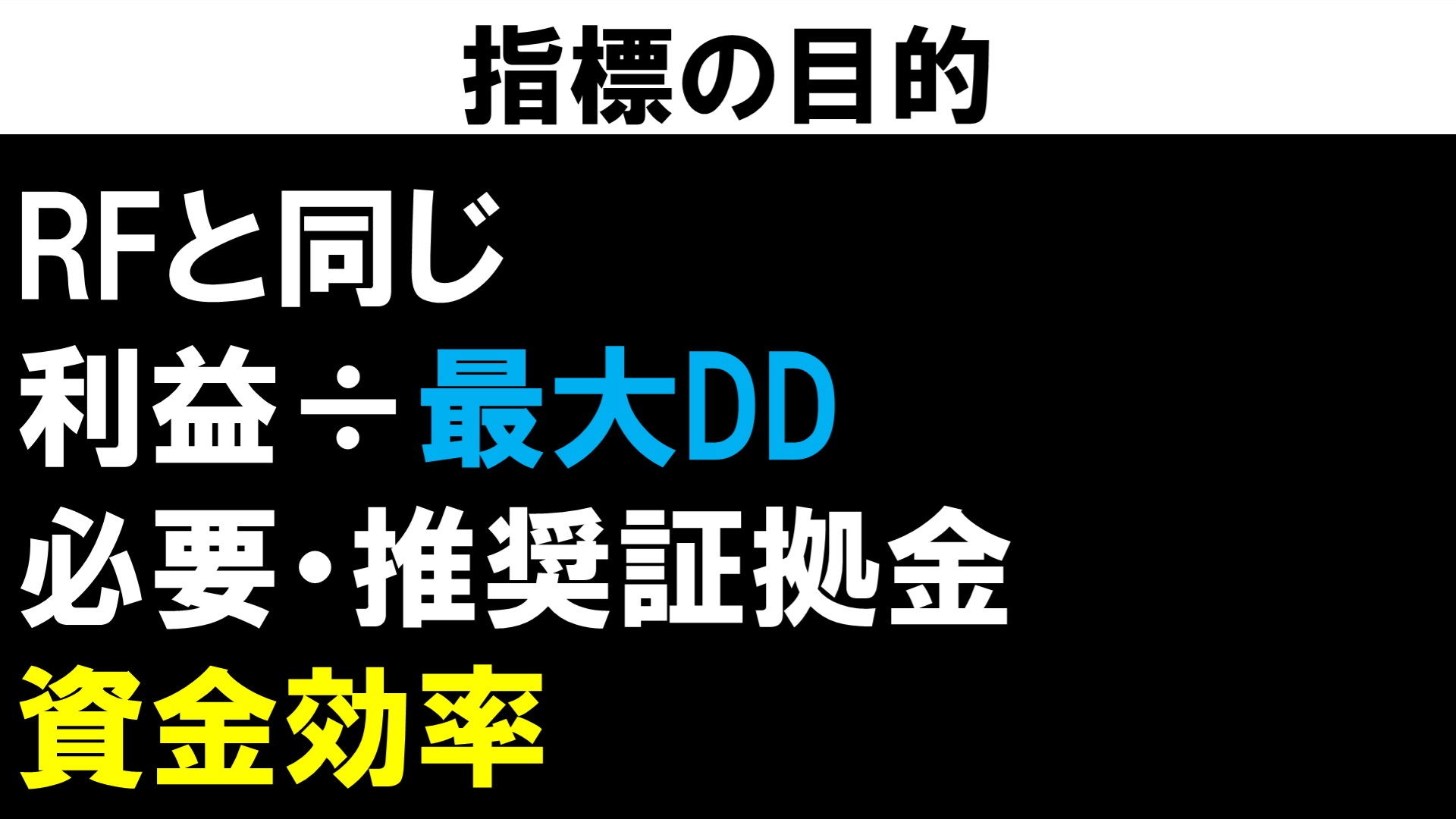
The denominator remains fixed unless the maximum drawdown is updated, while the numerator is updated with each trade.
The “Profit” part refers to net profit earned during that period, so if you cut losses the numerator decreases and the RF value also goes down.
As you know, maximum drawdown is related to required margin or recommended margin, so comparing it with profit shows that this indicator is intended to assess capital efficiency.
How much can be earned relative to the prepared margin?
Similar Indicators
There is also a profitability metric introduced in the 10th course that measures capital efficiency.That one uses the recommended margin as the denominator, but as mentioned earlier, there is a nontrivial correlation between margin and maximum drawdown.

Because larger losses in the middle require a larger margin to prepare.
In other words, when maximum drawdown increases, RF (risk-return ratio) decreases, and at the same time the recommended margin rises, so profit margin also decreases.
Additionally, the margin is affected not only by drawdown but also by the amount of positions held along the way.
Even if losses are small, even if maximum drawdown is small, if the position holding amount increases, more margin is required, right?
Capital Efficiency
In summary, measure capital efficiency by position size for profitability, and focus on capital efficiency by loss for the risk-return ratio (RF)… keep that in mind.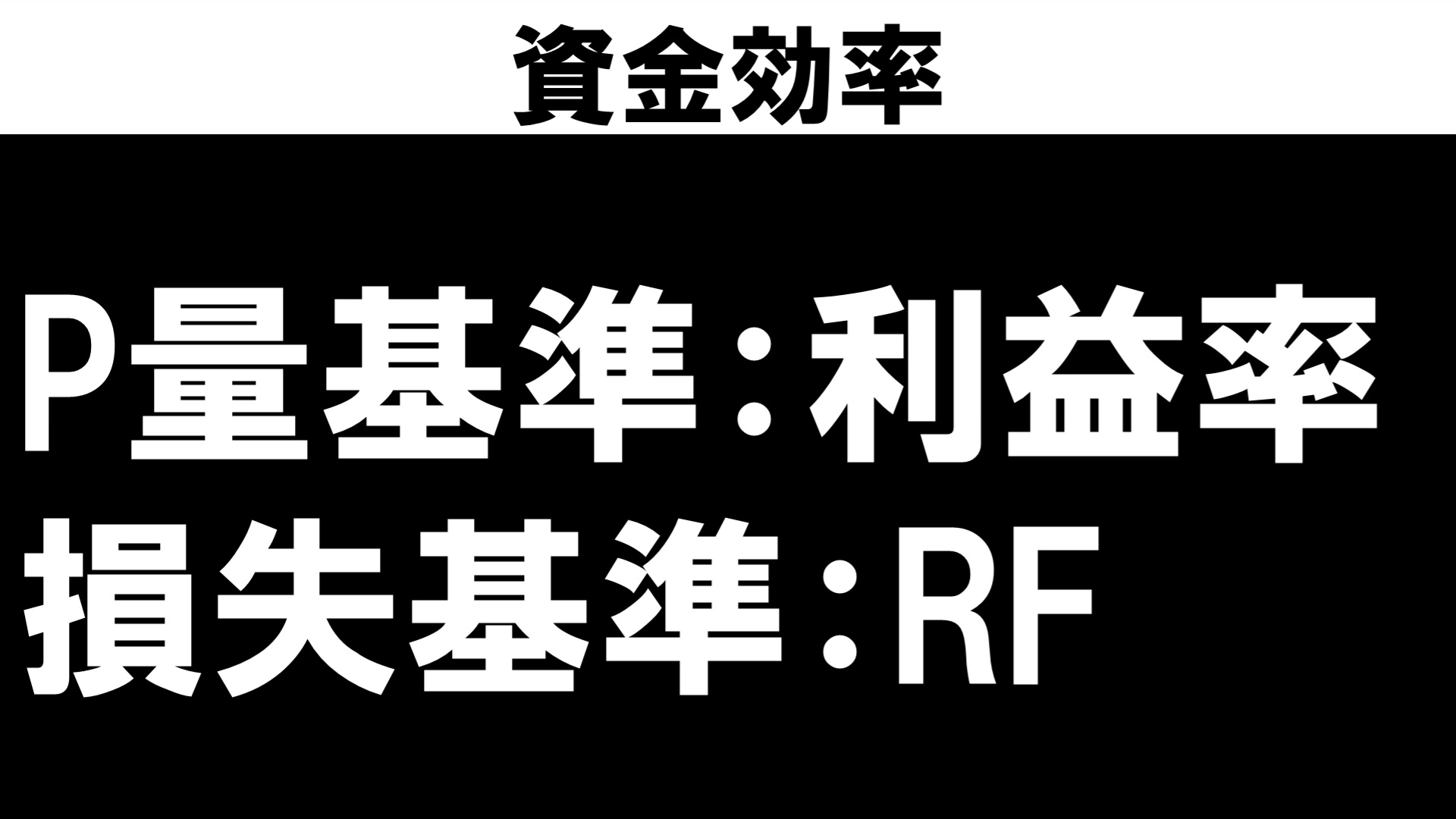
As you probably already understand, it’s not about which indicator is more important or superior; what matters is to judge by overlaying these indicators with the backtest periods, the capital curve, and how you earn, so that you are convinced.
■ My Developed EA Concept and Operating Policy
EA craftsman’s EA (Three Arrows) is here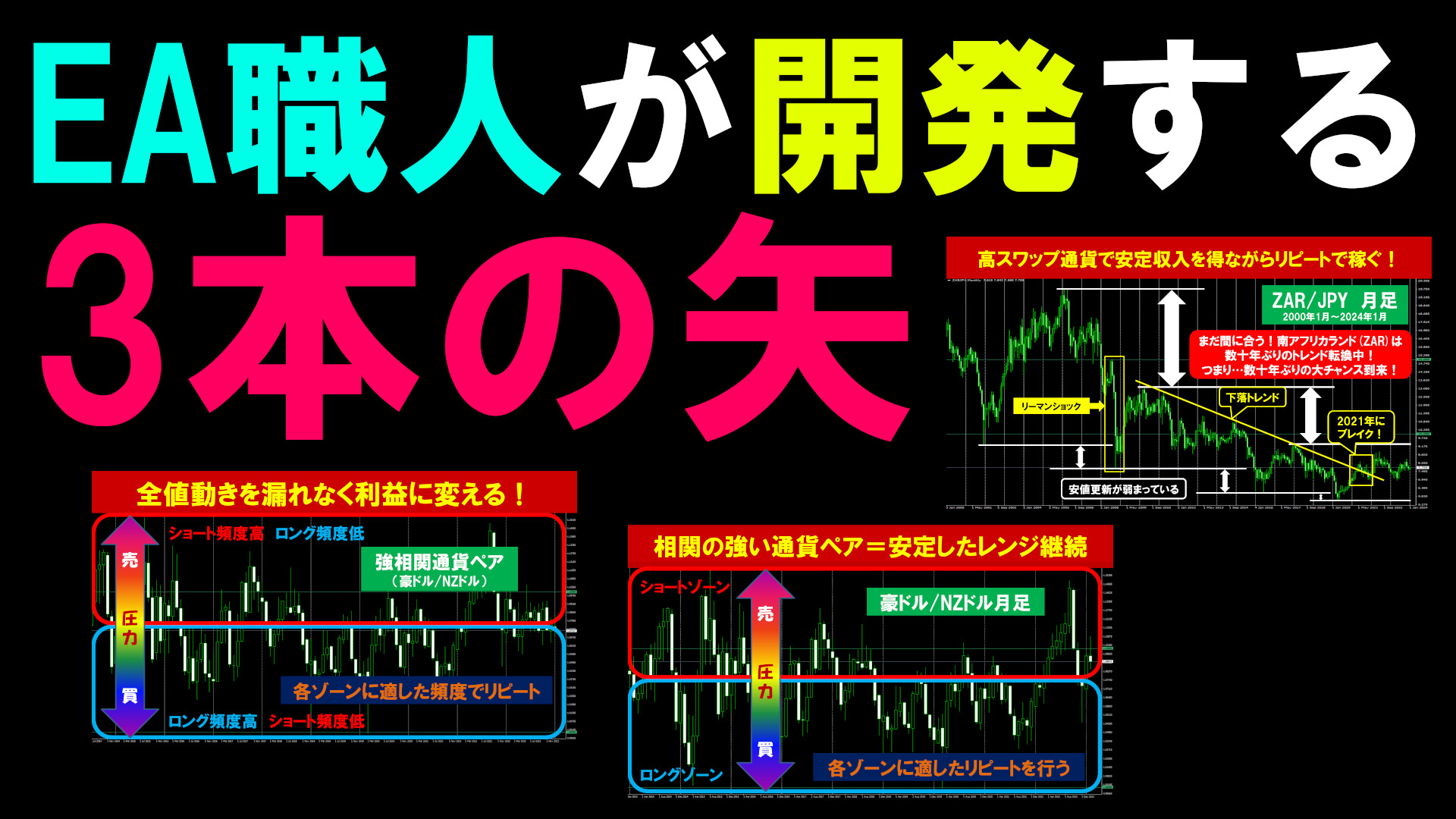
× ![]()