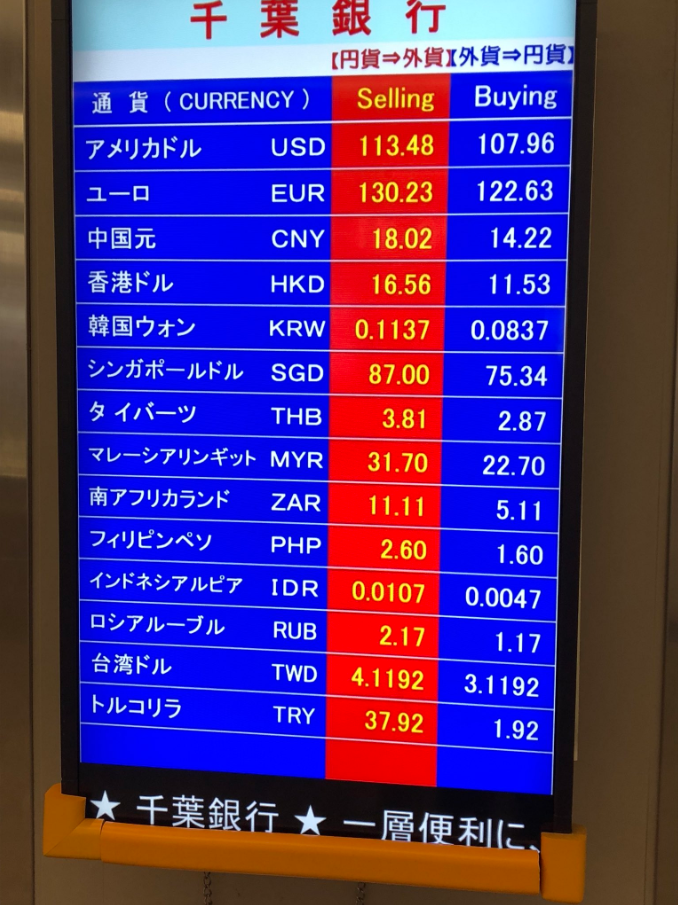

Turkish lira crash! August 10, 2018 Turkish shock!? Summary
Yesterday I went out for the first time in a while and missed the big market move I had been waiting for.
As expected, Friday for Studio Ghibli was a quiet trading day at home!
(Ghibli Law · Ghibli Curse)
The Turkish lira, which I thought would hit X-day next Wednesday.
20% crash、、、I could hear screams from various places.
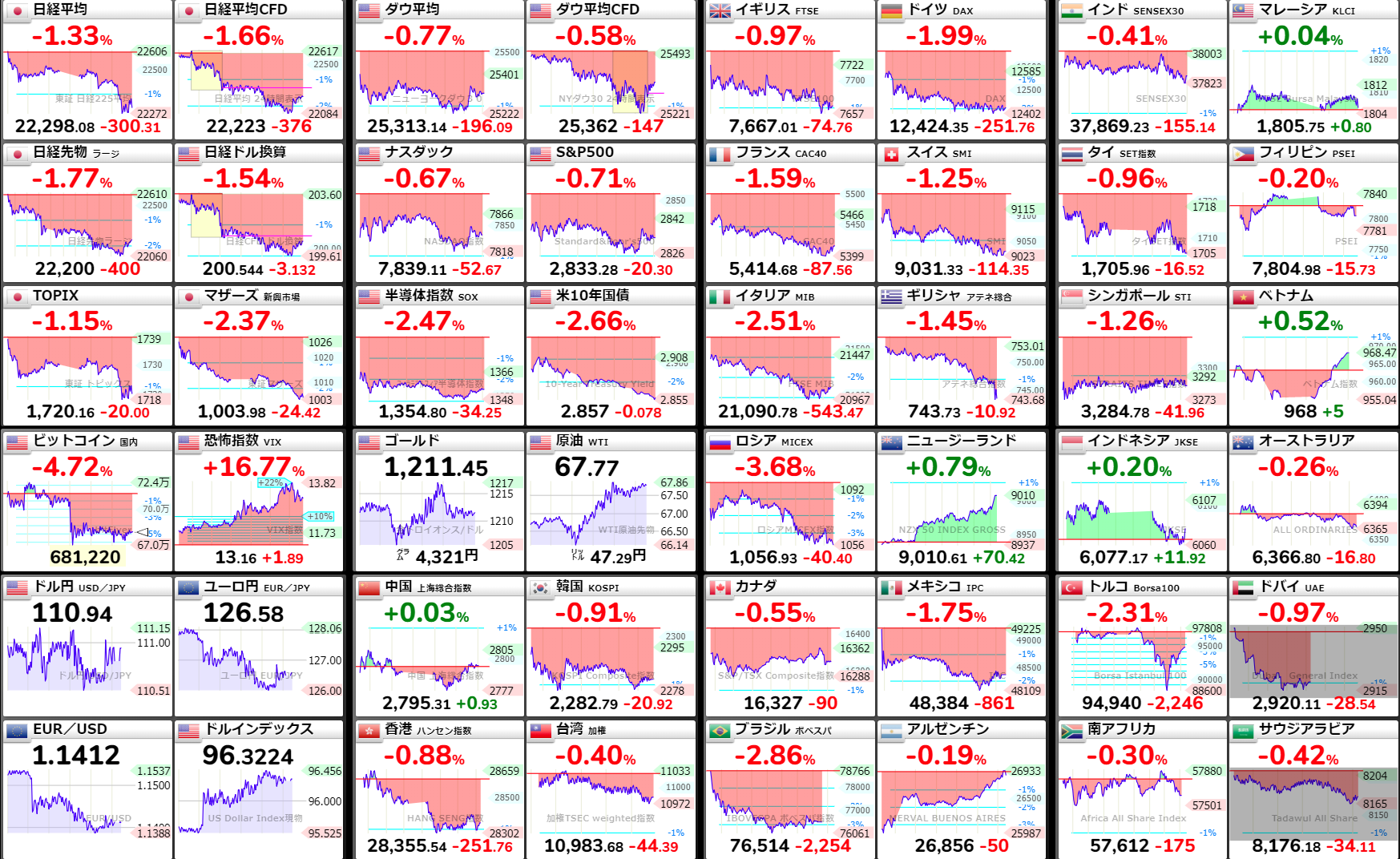
Although I looked at it on my smartphone from outside, I could not view it in real time, soTurkish ShockI have compiled it.
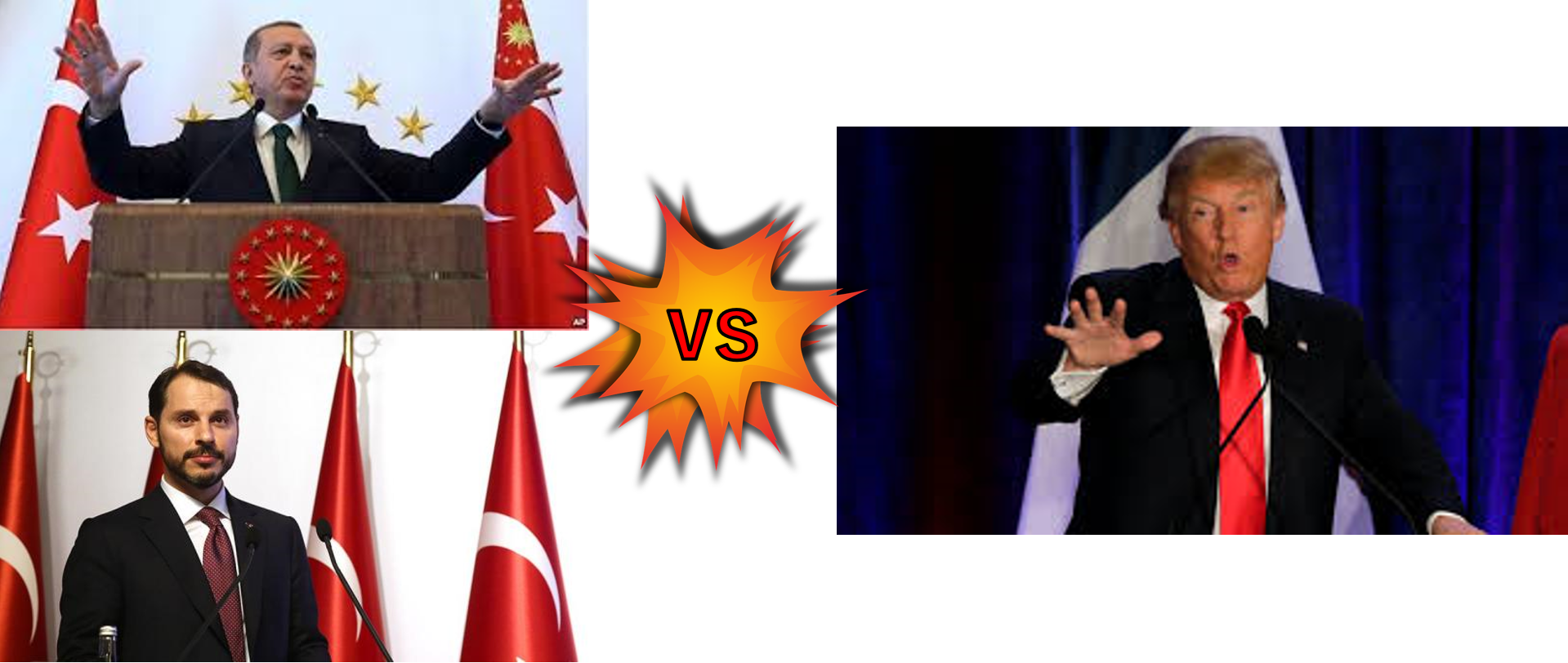
Top left: President Erdogan Bottom left: Finance Minister Albayrak Right: President Trump
Why did the Turkish shock occur?!
In short, positions were too heavily biased toward Longs, and they were dumped while stops were triggered.
Several factors seemed to have overlapped.
It may be a bit long, but I have summarized it in a 10-step timeline.
1)High-interest currency boom
Turkish lira・South African rand・Brazilian realなどHigh-interest currencies became a boom.
Securities companies also ran campaigns to attract customers.
Many Japanese people heldTurkish lira Longfor swap interest.
※Unfortunately, even while I was compiling this blog, Turkish lira swap interest campaign affiliates appeared.
It hurts to see “Start now!” written there.
2)Descending through several milestones
The decline continued, but due to a sense of fair value and inability to cut losses, Long positions kept increasing.
3)U.S. rate normalization and Trump policies
The U.S. continued to raise rates, making it the highest-interest currency among the eight major currencies.
Incorporated into expectations was further rate hikes.
Trump’s protectionist, trade/tariff, and tax-cut policies.
From the above, the dollar strengthened andcapital flowed out of emerging markets.
Money gathered in the U.S. as a result.
(President Trump continued to voice concerns about a strong dollar, but...)
4)Capital outflow from emerging markets and currency depreciation crisis
In emerging markets, currency depreciation did not stop, and hyperinflation occurred due to currency weakness.
Argentina raised policy rates twice in one day,policy rate40%andtook measures.
※To stop currency depreciation, raising interest rates to attract money is common.
5)Erdogan’s unconventional theories and pressure on the central bank
The Turkish central bank (TCMB), which had raised policy rates to stop the currency’s decline,
but higher rates slow economic activity.
(If borrowing costs rise, people borrow less and purchasing power falls...)
Therefore, Erdogan began pressuring the central bank, which wanted to raise rates to curb the currency’s depreciation and avoid hyperinflation, to lower rates and boost the economy.
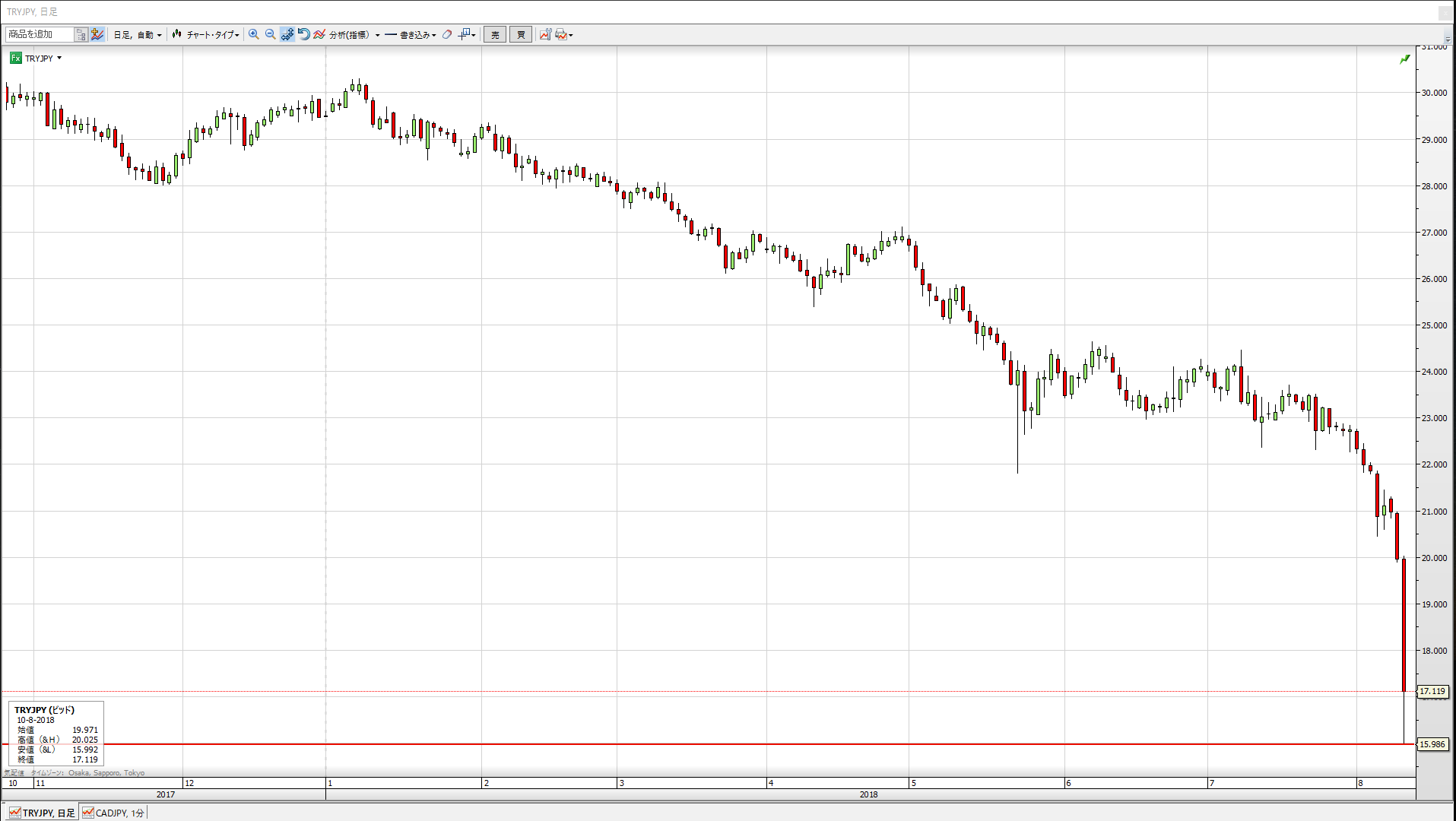
TRY/JPY daily chart
6)Move to presidential system and presidential election
Previously Turkey had a president and a prime minister, but the prime minister’s position was abolished so the president could hold all power, moving to a presidential system moving to a presidential system was decided.
Also, a presidential election was held at the end of June this year, and President Erdogan was re-elected.
As a result,the de facto dictatorship of President Erdogan began.
7)Emergency rate hikes and the dictator’s incomprehensible theories
From late May to early June, the Turkish central bank conducted emergency rate hikes to stop the lira’s decline..
Moreover, at the policy meeting on June 7, the main policy rate (one-week repo rate) was raised by 1.0% more than market expectations to 17.50%.
Nevertheless, the lira did not stop weakening and continued to fall gradually.
Later, Erdogan was reelected and announced rate cuts. He spoke not only of rate cuts, but also of placing the central bank under presidential control, and appointed his son-in-law Albayrak as the new finance minister, advancing a dictatorship.
Erdogan’s dictatorship-like stance and his lifelong belief that “lowering rates will stop inflation and the lira will be bought” is incomprehensible.
The market perceived this as a negative factor, and the lira depreciated further.
8)Central bank loses to the dictator and a surprising hold
July 24 policy meeting approached as the lira’s decline continued.
Result,surprise policy rate was held steady!
The market likely concluded that the Turkish central bank had yielded to presidential pressure!
This further accelerated the lira’s depreciation.
9)U.S. vs. Turkey, relations deteriorate over pastor Branson
President Trump demanded the release of Pastor Branson who had been imprisoned in Turkey.
For Trump, it was a midterm-election appeal.
Turkey released Branson but kept him under house arrest.
Trump announced sanctions against Turkey in response.
Erdogan retaliated with sanctions as well.
Again, the lira depreciated in response!
Turkey sent a delegation to the U.S. to seek resolution, but talks broke down.
The U.S. indicated that it would impose additional sanctions unless 15 people, including Branson, are released.
A postponement period until next Wednesday was reported.
X Day was thought to be next Wednesday (August 15).

10)Turkish shock! Up to a 20% drop
Reports of negotiations with the U.S. breaking down led to a continued gradual decline, triggering stops,reaching the 19-yen area. (Nevertheless, there may have been some optimistic hopes for emergency rate hikes!)
(Chart note 1) Shortly before European time,reports that European banks (ECB) were growing more concerned about Turkish-issued bonds led to a rapid sell-off of the lira!
(Chart note 2) In September, the new economic plan was announced earlier than planned.
He urged Turks to sell gold and dollars to buy lira.
Subsequently, Albayrak announced a new economic plan, but the content was impractical and misguided!
(Chart note 3)Trump’s surprise tweet!
“Approve raising import tariffs on aluminum by 20% and steel by 50% from Turkey”
It plunged into the 15-yen range!
If nothing is done,the USD/JPY could drop below 10 yen.
Lehman Shock・・・、、、
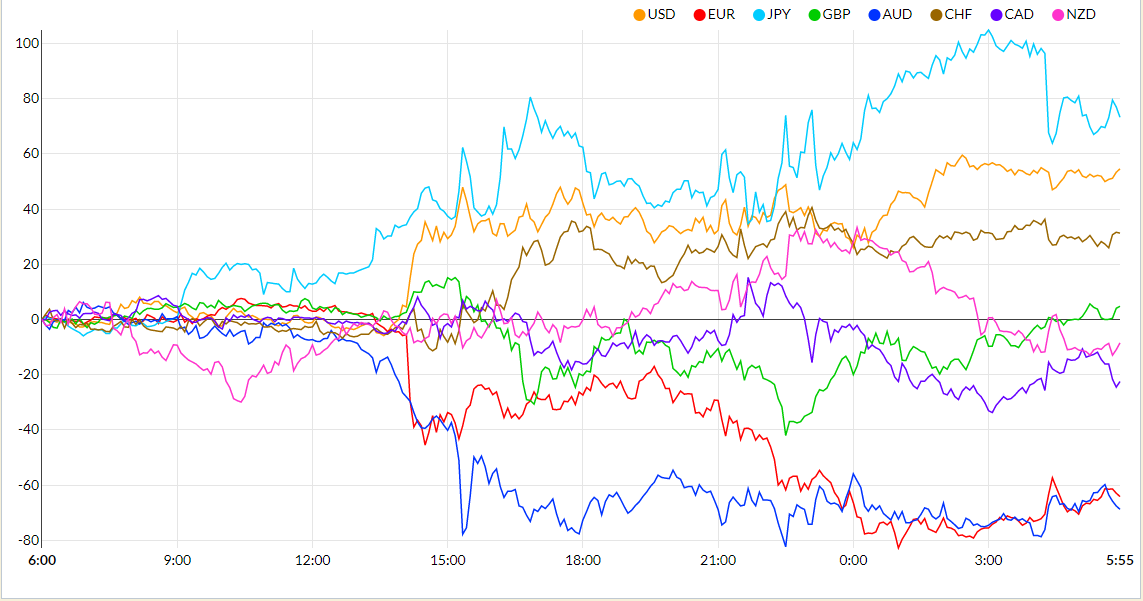
]
However, if the depreciation continues and you incur large unrealized losses, and the securities company stops handling it, you will be liquidated at that point.]
Moreover, since it is like a dictatorship nation, the lira itself could cease to exist.]