
Summary of the UK Conservative Party leadership election schedule and candidates
In the United Kingdom, the Conservative Party leadership race is being held to determine the successor to Prime Minister May, who resigned on June 7. I would like to summarize the known processes and candidates as of June 9.
At present, former Foreign Secretary Boris Johnson is considered the front-runner.
Johnson has not said outright “no-deal Brexit,” but he states that “on October 31, there will be Brexit, with or without a deal.”
According to the following schedule, we are watching to see whether the pound moves if Johnson is eliminated or if his stance changes.
◎ Conservative Party Leadership Election Process
In this leadership contest, party MPs will narrow the field to two through a series of eliminations, and the final decision will be by postal vote from 124,000 Conservative Party members.
June 10 “Deadline for Candidacy”
・10:00 (Japan time 18:00)~17:00 (Japan time 25:00)
・Requires endorsements from at least 8 Conservative MPs
June 13 “First MP Vote”
・Requires at least 17 MP votes
・If 16 or fewer votes are received, the candidate is eliminated
June 18 “Second MP Vote”
・Requires at least 33 MP votes
・If 32 or fewer votes are received, the candidate is eliminated
June 19–20 “Third and Fourth MP Votes”
・If after the second vote two candidates have not been narrowed down to two, MPs vote in the third and fourth rounds until two remain
June 22 onward “Final Tory Membership Vote”
・After two candidates remain, 124,000 Conservative members across the UK will vote in a final ballot
・Takes time due to postal voting
July 22 “Result Announcement”
・The result of the Conservative members’ postal vote is expected to be announced
◎ Candidates

Michael Gove, Secretary of State for the Environment
A former journalist, Mr. Gove was first elected in 2005.
He was a close adviser to former Prime Minister David Cameron, but in the 2016 referendum he joined the Leave campaign for Brexit.
However, in the leadership contest after Cameron’s resignation, he criticized former Foreign Secretary Boris Johnson, who was a leading Leave figure, and stood for the leadership himself.
Under May’s administration, as Environment Secretary, he continued to support May’s Brexit deal and kept his distance from the hardline Brexit faction.
Gove is positioning himself as a candidate who can unite the party.
On entering the race:“I believe I can unify the Conservative Party, deliver Brexit, and lead this wonderful country” (May 26, at his home)
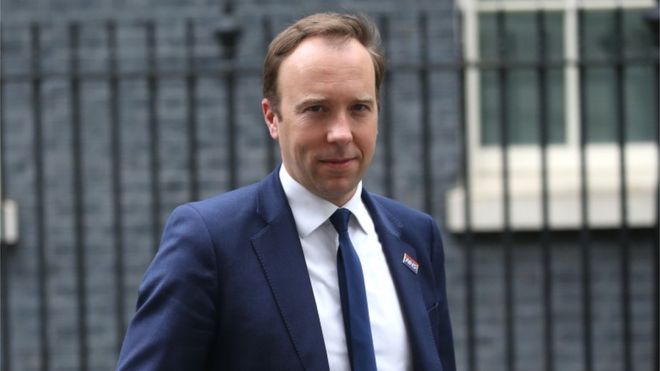
Matt Hancock, Secretary of State for Health
Hancock, an economist by training who previously worked at the Bank of England, started as Cultural Secretary, but became Health Secretary after Boris Johnson resigned as Foreign Secretary.
He was a Remain supporter during the 2016 referendum but is now viewed as a Brexit supporter. He also supported the Brexit-related legislation announced by May and urged MPs to back it.
A self-proclaimed tech-savvy figure in Westminster, he is the first MP to have developed his own smartphone app.
On entering the race:“We need a leader for the future, not a stopgap” (May 25, on BBC radio)
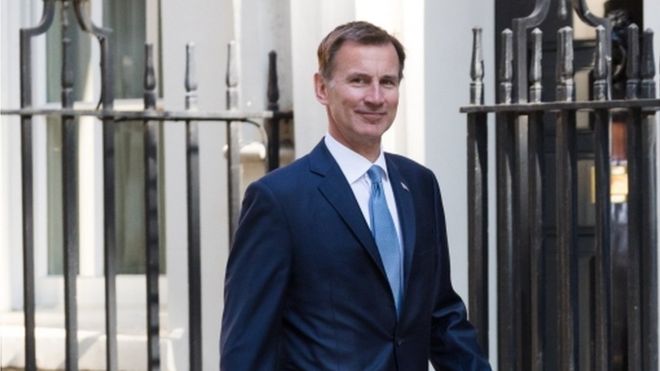
Jeremy Hunt, Foreign Secretary
Hunt served as Culture Secretary during the London 2012 Olympics, then as Health Secretary for six years, and became Foreign Secretary after Johnson’s resignation.
He was a Remain supporter in the 2016 referendum, but is now viewed as a Brexit supporter. He drew criticism for likening the EU to a former Soviet bloc country.
On entering the race:“May’s goal was to realize the referendum result, and that responsibility will now fall to someone else” (May 24, in an interview with a local paper, Farnham Herald)
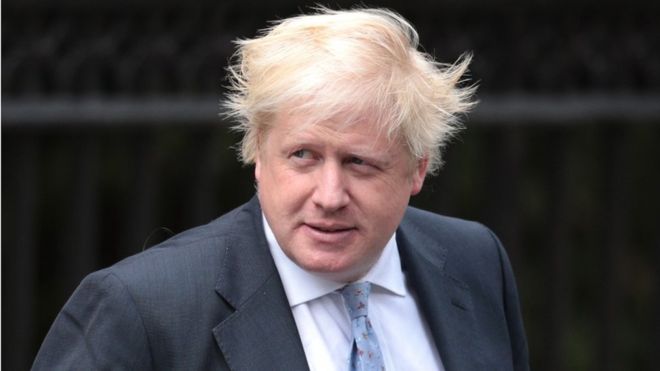
Boris Johnson, former Foreign Secretary
Johnson, a former London mayor, has long pursued the prime minister’s job. When he declared his candidacy, he said, “Of course I will run.”
Johnson led the Leave campaign in the 2016 referendum, and last year he resigned as foreign secretary in opposition to May’s Brexit deal. Since then, he has criticized the May administration and its policies more than anyone.
Within the Conservative Party, Johnson has many supporters, but not in Parliament. He must first persuade Conservative MPs to advance to the final postal vote among party members.
He also ran in the 2016 leadership contest but withdrew after Gove criticized him and stood against him.
On entering the race:“The new leader will have the opportunity to push through policies in a different way. A new government will gain momentum” (May 24, at a conference in Switzerland)
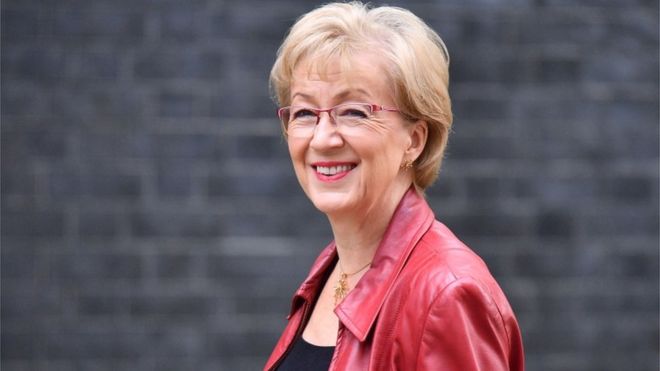
Andrea Leadsom, former Leader of the House of Commons
Leadsom, a central figure among Brexit supporters, resigned as Leader of the House of Commons at the final stage when May was urging support for the Brexit deal. She said she could no longer trust how the government was handling Brexit.
In the 2016 leadership contest, Leadsom ran against May, but withdrew after mentioning that May had no children, which drew widespread criticism.
Later, she joined the May administration as Environment Secretary and subsequently became a minister in the Cabinet Office.
On entering the race:“To succeed in negotiations, we must be prepared to step back and break off talks if necessary” (May 26, in an interview with the Sunday Times in the UK)
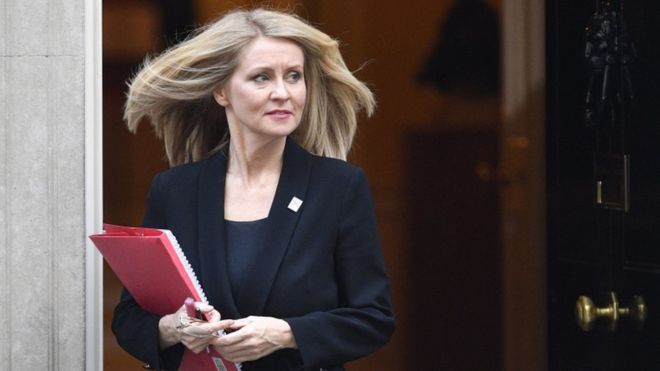
Esther McVey, former Employment and Pensions Secretary
A former announcer, McVey is a Brexit supporter. She resigned as Employment and Pensions Secretary in November last year in opposition to May’s Brexit deal.
When asked on the radio program TalkRadio about her candidacy, McVey said, “I have long stated that if I can secure sufficient support within the Conservative Party, I would stand, and now I have people who have asked me to stand, and I have gained their support.”
On entering the race:“Including me, whoever becomes the next prime minister, the October 31 Brexit deadline is absolute” (May 24, via a radio program interview)
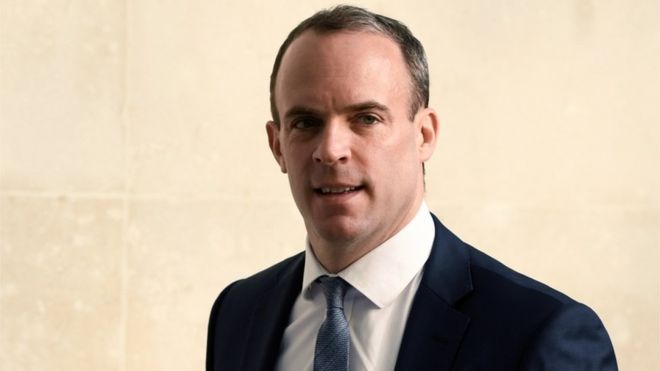
Dominic Raab, former Brexit Secretary
Raab, a former lawyer, had been urging Brexit since before the 2016 referendum and has shown ambition to become prime minister since his first election in 2010.
He became Brexit Secretary in July 2018 after David Davis’ resignation, and led Brexit negotiations with the EU, but resigned in November for his inability to support May’s Brexit deal.
On entering the race:“To achieve a fairer Brexit deal, a deal that is fair for British workers, and to ensure all children can realize their potential, we will fight for that fair society” (May 26, in an email Sunday edition)
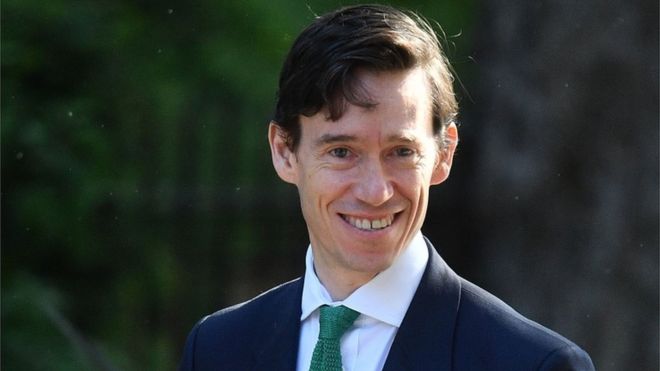
Rory Stewart, International Development Secretary
Stewart became International Development Secretary in May after Gavin Williamson’s dismissal. Previously, he served as Justice Minister under the Cameron administration, handling prisons.
Although he was a Remain supporter, he now accepts Brexit. He also said he would reach out to theRemain side to unite the country.
On entering the race:“I intend to act, not just talk about it” (May 25, on BBC’s Breakfast)
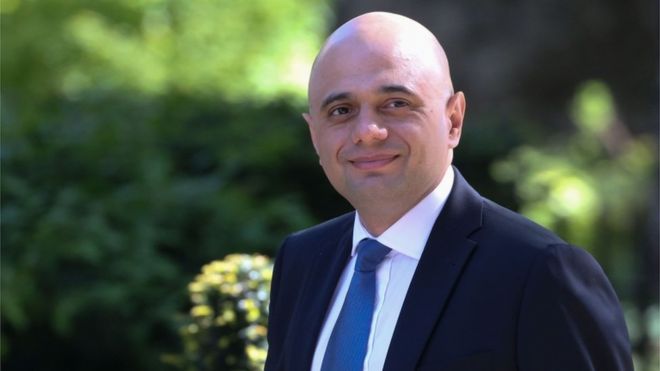
Sajid Javid, Home Secretary
Javid is a second-generation immigrant; his parents are from Pakistan. His father was a bus driver who came to Britain with one pound in his pocket. Before entering politics, Javid worked at Deutsche Bank.
First elected in 2010, he rose through Cameron’s government, serving as Exchequer Secretary to the Treasury, Culture Secretary, and Communities and Local Government Secretary.
In the 2016 referendum, he supported Remain, but has since become a sceptic toward Europe. He has stated that he would be open to a different approach to Brexit if elected.
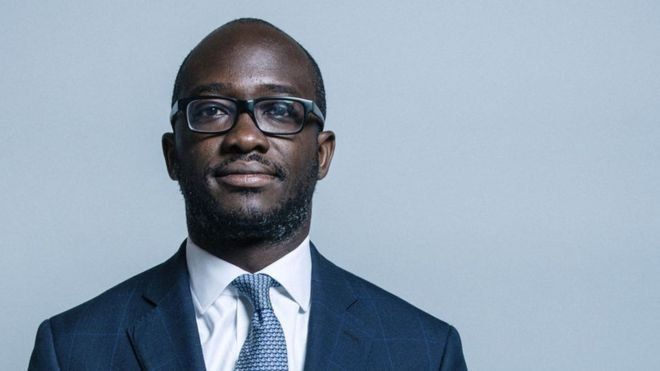
Sajid Javid, former Secretary of State for Housing, Communities and Local Government
In May 2010 he was first elected. After serving as Exchequer Secretary and then as Housing and Local Government Secretary, he became International Development Secretary in 2017 but resigned in November 2017 for meeting with Israeli Prime Minister Netanyahu without government approval.
As a hard-Brexit advocate, he has garnered support from the party’s right wing.

Liz Truss, Chief Secretary to the Treasury
A right-wing Brexit advocate. Although she became the first female Attorney General in 2016, she clashed with senior legal figures and moved to her current post in a June 2016 cabinet reshuffle.
As an environment minister under the Cameron administration, she drew attention for a 2014 comments about importing two-thirds of the country’s cheese, which went viral on social media.
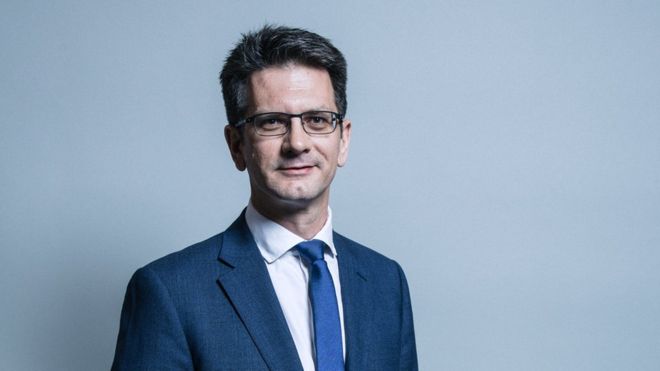
Steve Baker, former Exchequer Secretary to the Treasury
A hard-Brexit advocate, he became vice-chair of the Eurosceptic ERG (European Research Group), elected in 2010.
He resigned as Exchequer Secretary to the Treasury and as Minister of State at the Department for Exiting the EU, criticizing May’s Brexit approach.
※ Money Partners / BBC quote