

RBNZ policy rate kept unchanged, NZD falls sharply
The Reserve Bank of New Zealand (RBNZ) kept the policy rate at 1.75% as market expectations had anticipated.
The policy rate hold marks the 12th consecutive meeting.
In the statement,it was stated that the policy rate would be kept unchanged from 2019 to 2020,andthe timing of rate hikes would be pushed back further than previously expected..
The postponement of rate hikes was interpreted as dovish, leading to NZD selling!
Furthermore, with remarks by RBNZ Governor Adrian Orr about a possible rate cut, the NZD fell even more sharply.
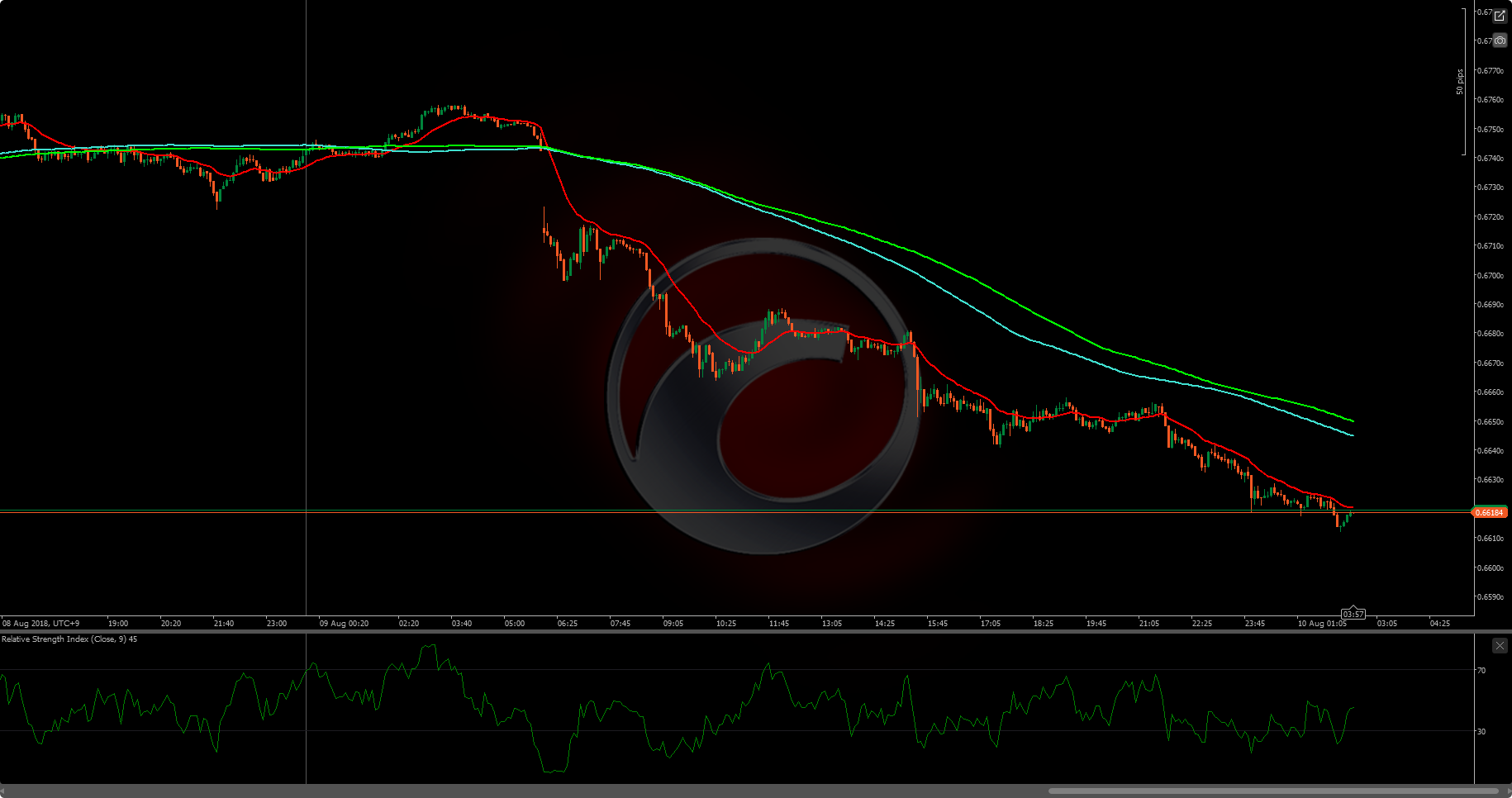
NZD/USD 5-minute chart
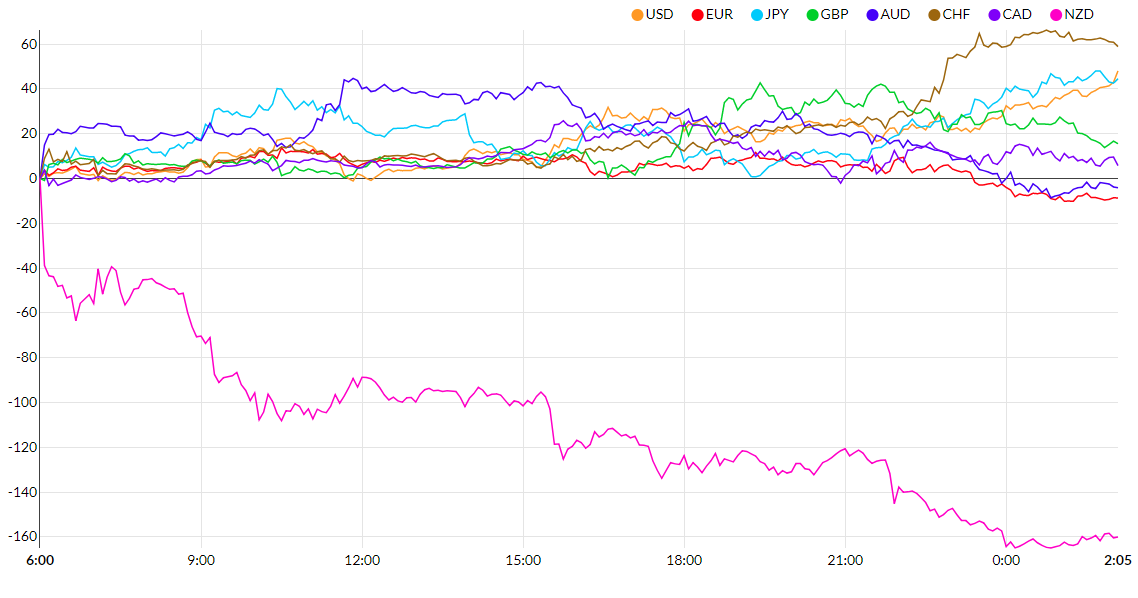
With rate-hiking cycles in the US, Canada, and the UK, and expectations of tapering in Europe this year and rate hikes next year, Orr’s talk of potential rate cuts appeared to be an excellent selling catalyst, resulting in a standalone NZD sell-off.
Since last year’s government change, New Zealand has been implementing immigration restrictions and RBNZ reforms.
Immigration restrictions are becoming a factor weighing on New Zealand’s economic growth.
The RBNZ reform proposals includeintroducing a voting system for monetary policy decisions andbringing in external directors, according to reports.
The outlook for New Zealand (RBNZ) warrants close attention.
Statement from the Reserve Bank of New Zealand (NZ central bank)
“The policy rate will likely be maintained at an accommodative level for a considerable period.”
“The policy rate is expected to be kept from 2019 to 2020
“The path of interest rates could move in either direction.”
“If cost pressures rise, this could affect inflation expectations and lead to faster inflation.”
“
“The unemployment rate is expected to decline modestly from current levels.”
Orr, RBNZ Governor
“The balance of risks to the RBNZ’s rate outlook remains evenly balanced.”
“The NZD exchange rate is under downward pressure, which should support exports.”
“The NZD is close to its fair value.”
“Disinflation gives the RBNZ room to keep interest rates low for an extended period.”
“If growth slows below potential,the possibility of rate cuts