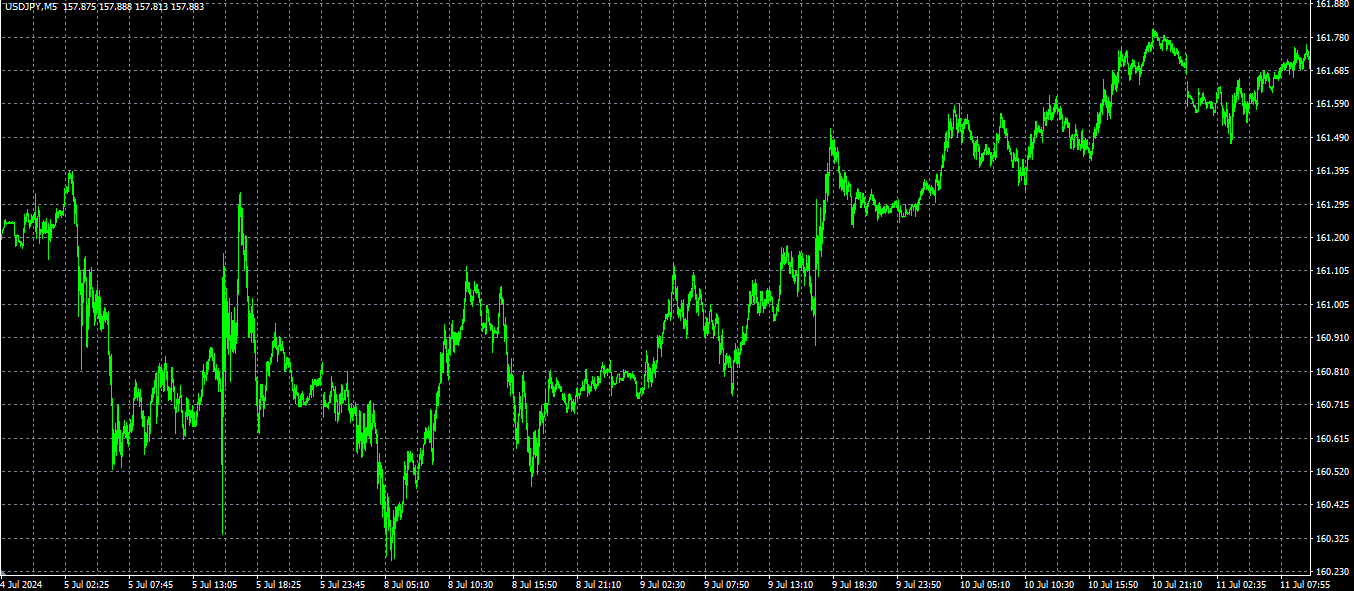

The market is always arbitrary.
The uncertainty in the market can be reduced to a certain extent,
but it means waiting for a long period with a fixed target
In this case, the timing of cutting losses is, needless to say, important
However, the market is always sloppy, so
you often end up losing money on cutting losses
Basically, the places where you should cut losses are extremely rare
If you trade about once a week while recognizing Dow Theory
there are so few places where you should cut losses
But it means the same as being forced to cut losses
No matter how wonderful the logic is
you must go through the number of times you have to cut losses at the stage when you must cut losses
Do not drag it at a place where you must not drag
When the market atmosphere is bad, do not retreat
There are many more such examples, but the things that lead to losses are
the retreat at the time you must cut losses
If you lose, it’s the end
Have a long-term perspective
The logic behind stop loss
Contrarian trading: even if you gain, the trend can blow you away; a string of wins up to that point
Trend-following: unless the profit is infinite, you won’t make money; a long spell of defeats up to that point
Contrarian trading moves against the trend when the trend continues, because you don’t have a contrarian view emerging, you can’t cut losses
For trend-following, there are too few zones where profits appear
In the end, it’s calculated that it’s better not to cut losses
Stop losses are just the shape of the market; just apply them there
From this, we can understand
Be cautious about the number of entries
Careful and appropriate to the market