

The World's Strongest Legend: The Dollar!? Why is the Dollar Bought!? ~Dollar Buying Strategy on February 11~
◎ Dollar-buying Strategy
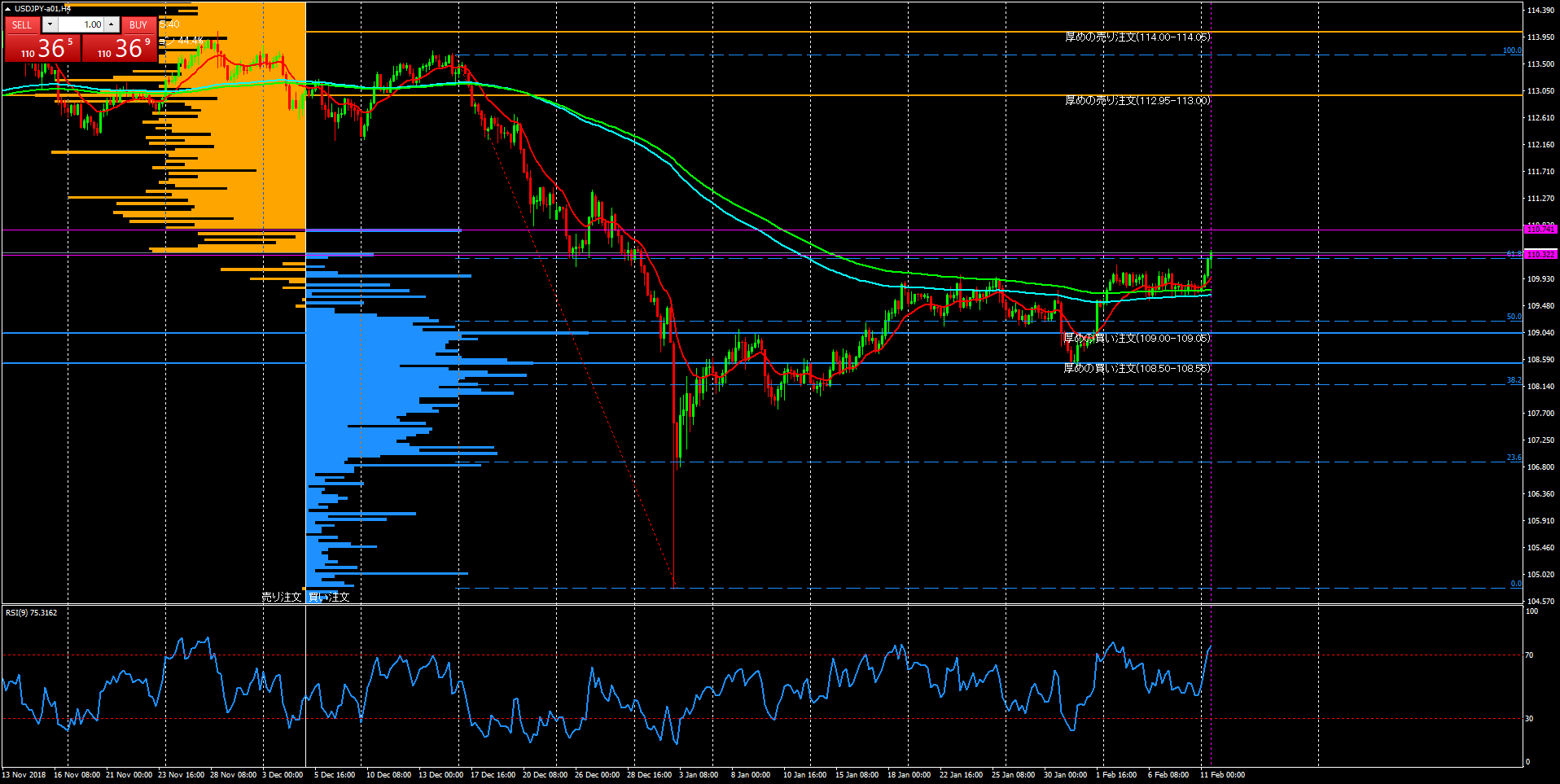
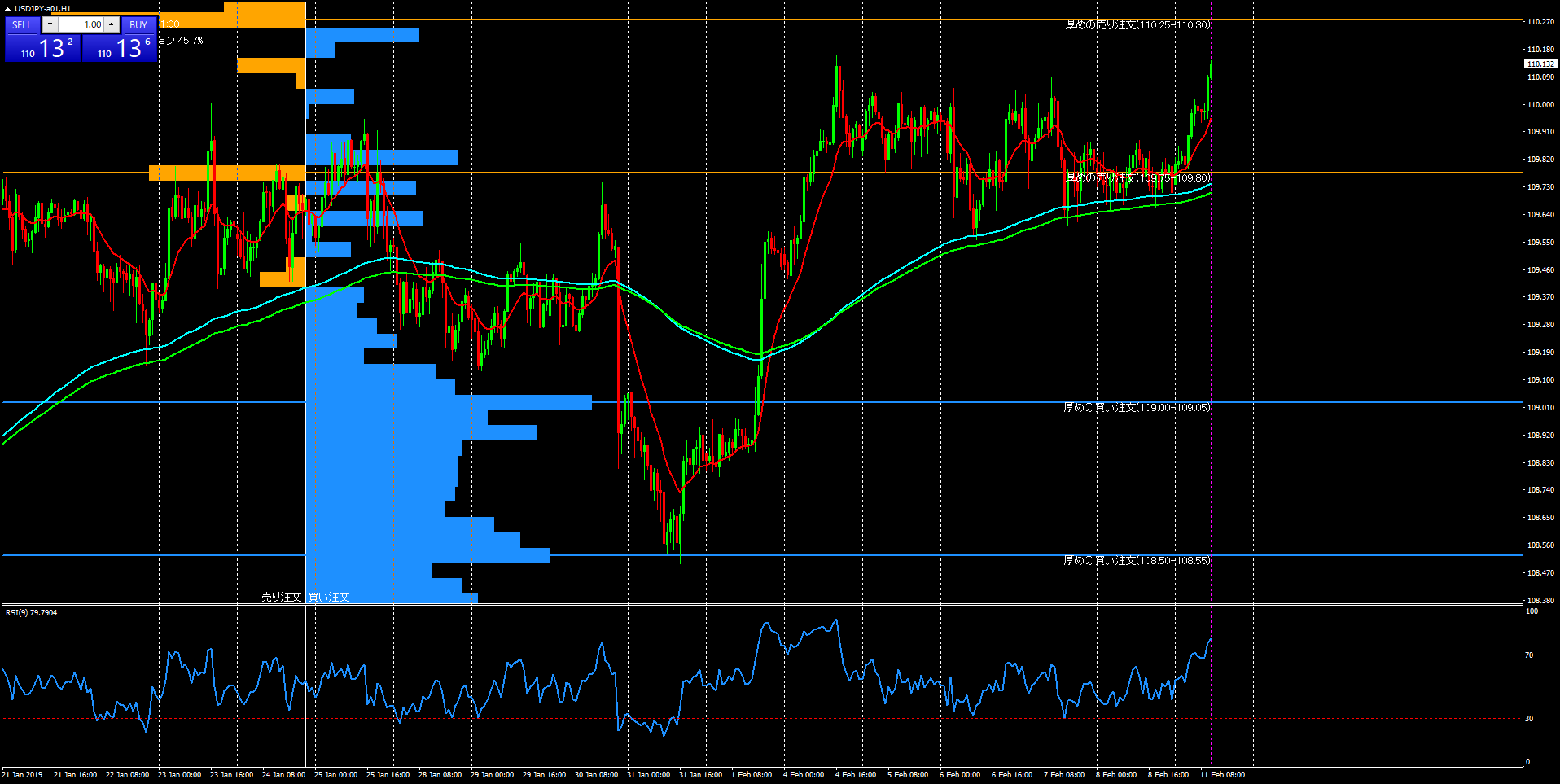
Dollar buying → USD/JPY buy strategy or EUR/USD sell strategy
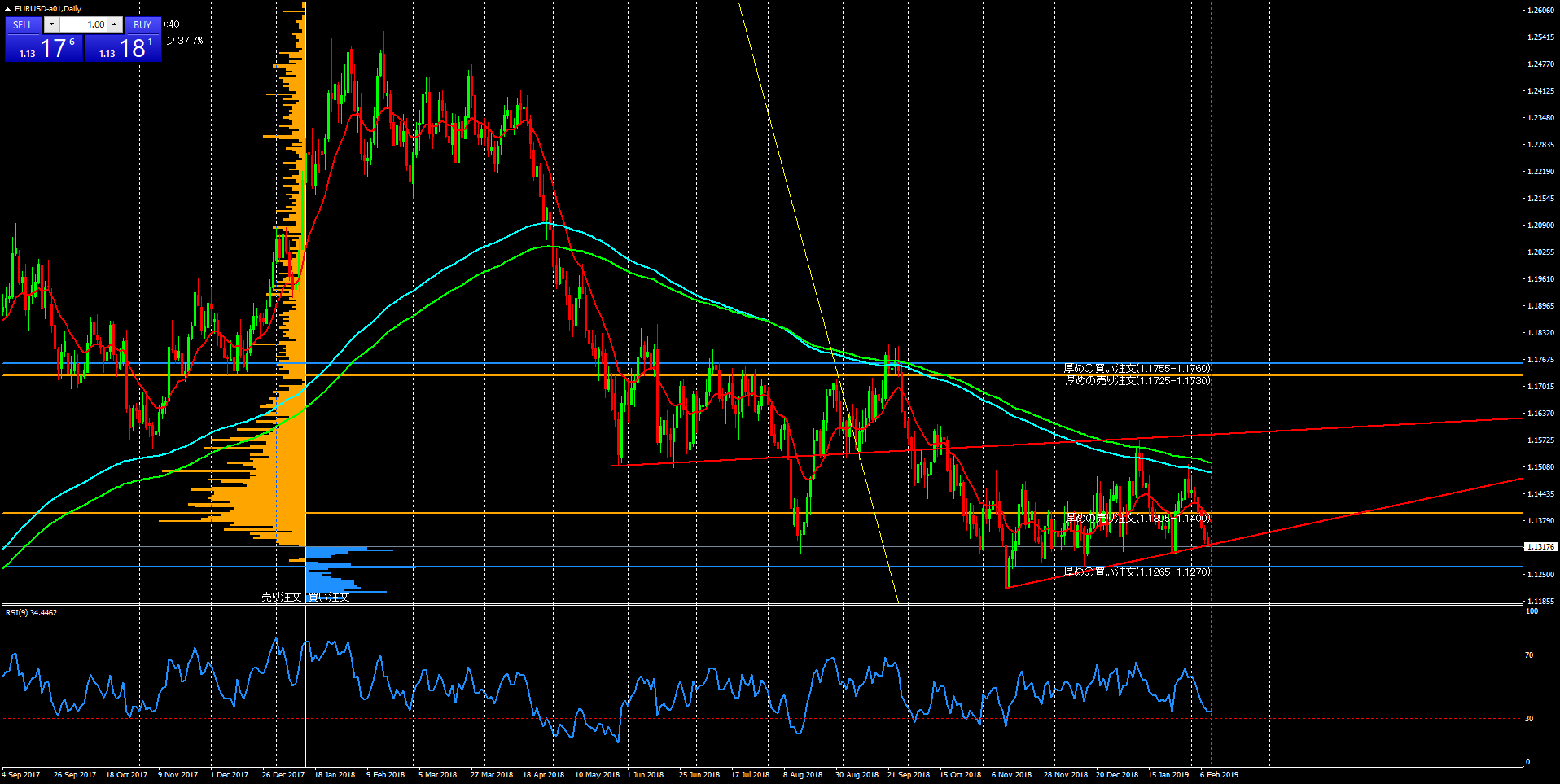
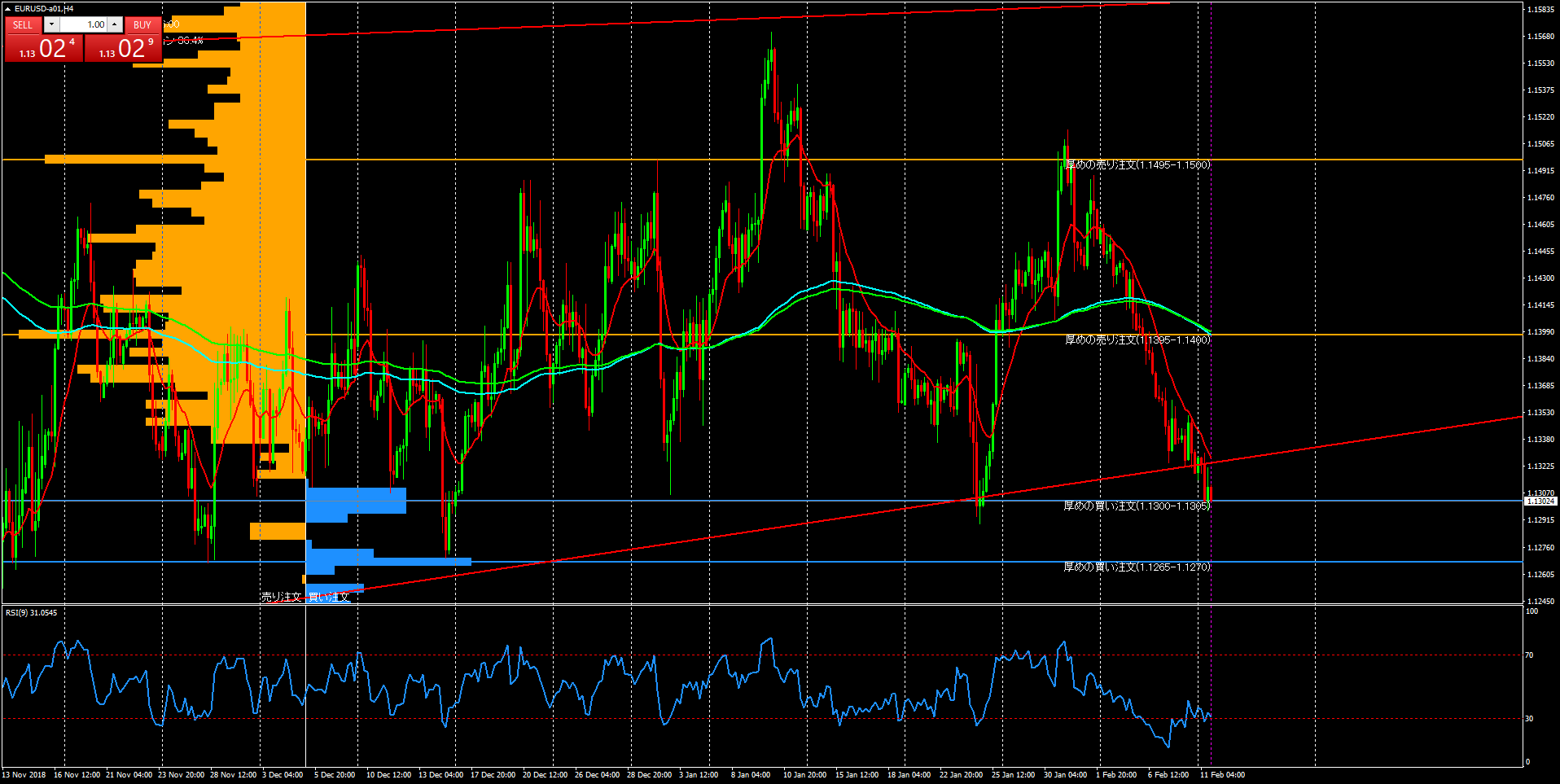
After much hesitation, I chose to sell EUR/USD.
・ EUR/USD
Sell entry 1.13150
Settlement 1.13050
Take profit 10 pips
Unfortunately, it seems the dollar-yen was the correct choice…(´Д`) Sigh…
 EUR/USD daily chart
 EUR/USD 4-hour chart
 USD/JPY 4-hour chart
 USD/JPY intraday chart
◎ Recent dollar-buying background
The U.S. and the Federal Reserve stepped back from tightening policy (rate hikes and balance-sheet reduction) and proceeded slowly, reviewing as needed. Normally, this should tilt toward dollar selling!?
Yet recently the dollar has been buying. Why?? It seems the dollar is being bought after losing the currency-sell competition.
◎ Currency-selling competition??
There is no currency to buy! Only currencies to sell! As a result, the dollar was the most reasonable among them.
Here are the conditions for each currency.
・Euro
Italy and France are in conflict. The same between Japan and Korea, when relations worsen, ambassadors are recalled. This occurred between France and Italy. The first time since World War II. Also, in each country there are issues... Italy had a regional election where a far-right party won. So the far-right trend is continuing. In France, protests have not ended yet.
In addition to political instability, France and Italy are entering recession, and Germany is feared to slow down economically. In such a situation, there is no reason to buy the euro. Therefore, many people want to sell the euro.
・Pound
Personally, I think buying the pound might be considered, but...
Brexit negotiations with the EU are deadlocked. The UK wants to renegotiate the withdrawal agreement, while the EU refuses to renegotiate, playing a chicken race with a no-deal Brexit as a shield. With no clear outlook, I cannot buy the pound. If something decisive happens and visibility improves even a little, pound-buying may emerge, but during this chicken race it's hard to act.
・Oceanian currencies
Both Australia and New Zealand are affected by China's slowing economy. Economic growth forecasts are being revised downward, and central banks are signaling rate cuts. While the U.S. and Canada hike rates and the EU tapers, there is concern that Oceania is moving toward easing rather than tightening.
Moreover, most recent risk-off factors are related to China. Therefore, when risk-off occurs, Oceania currencies are sold. With U.S.-China relations currently uncertain, Oceanian currencies are hard to buy.
・Canadian dollar
Among the above, it might be the easiest to buy, but the WTI oil price, highly correlated with the Canadian dollar, has fallen. It previously dipped below $50 to the $40s, but now is clinging to the $50 range. Still, being in a low range, it may be hard to rise. Also, as a commodity currency, the Canadian dollar is affected by China, though not as much as Oceania. Therefore, buying is difficult.
・Yen, Swiss franc
They are relatively easy to buy as risk-off currencies, like the U.S. dollar. However, the difference between the yen/franc and the U.S. dollar is whether they are pursuing easing or tightening policy. The yen and the franc are still in easing policy, with negative interest rates. The U.S. dollar, among major currencies, is the highest interest-rate currency.
With this backdrop, most currencies look like they want to be sold. As a result, I think people end up buying the U.S. dollar by necessity.