

?Stock: The shock of China企业' pumps and dumps regulation! The U.S. Securities and Exchange Commission (SEC) is serious
Hello everyone. Lately, market news keeps arriving one after another, doesn’t it?The U.S. Securities and Exchange Commission (SEC) is strengthening pump-and-dump regulations targeting Chinese companiesIf you hear that, you might wonder, “What does that have to do with Japanese stocks?”
However, the global stock market is connected beneath the surface. Like ripples from a stone eventually reaching this shore, this event will also gradually influence our investment environment. So, today, let’s dig into such a topic.
? What is Pump and Dump?
Pump and dump, abbreviated as P&D. Have you heard this name? This is the classic fraudulent technique of artificially inflating stock prices (pump) and then selling at a high price (dump).
Engaging in flashy promotions on social media to inflame investor sentiment.As a result, prices surge rapidly, then the initiator dumps, leaving others with substantial losses. A typical scenario, isn’t it?
? Involvement with Chinese Companies
In recent years, Chinese companies often appear at the center of this scheme. Why? There are several reasons. Many use VIE (Variable Interest Entity) structures or Reverse Mergers (RTO) to list in the U.S., and financial disclosures are not always transparent. And the audit regime is lax. Consequently, it becomes a fertile ground for fraud or manipulation.
In the summer of 2025, a small Chinese stock was promoted on SNS, its price surged by up to 2000% before plummeting more than 80% in no time. Investorslost billions of dollars in the process, it is said.How would you respond to such market dynamics?

? Overview and Severity of the New Regulations
In September 2025, the U.S. NASDAQ announced new rules. There are three main parts.
- Raising the minimum fundraising to at least $25 million for IPOs
- Public float value must be at least $15 million
- Small-cap stocks with market value under $5 million may be delisted within 60 days
In other words, financially weaker companies and obscure small-cap stocks will effectively be shut out of the U.S. market. The SEC and the Department of Justice are moving, and accounting firms and underwriters are under investigation for involvement in Chinese-origin P&D schemes.This is not mere intimidation; it is a regulation with enforceable power.
Professor Winston Ma of NYU says, “In the future, it will be extremely difficult for small Chinese companies to list in the U.S.” Now, what impact will this have on China?
? Direct Blow to Chinese Companies
First, a clear consequence is a decrease in IPO volumes. At the start of 2025, nearly 50 Chinese company IPOs occurred in a quarter, most of them small. Once the new rules take effect, more than 70% may not meet the criteria, and the count could drop by half. Fundraising will also become harder.As a result, more cases will shift to listings in Hong Kong or on the mainland.
Even existing listed companies face challenges. Audit costs rise, delisting risks become real. With ongoing U.S.–China tensions, investors’ scrutiny intensifies. If you were the company’s executive, how would you respond? Rely on overseas markets or pursue domestic capital? Both are difficult choices.

? Ripples in the World Economy
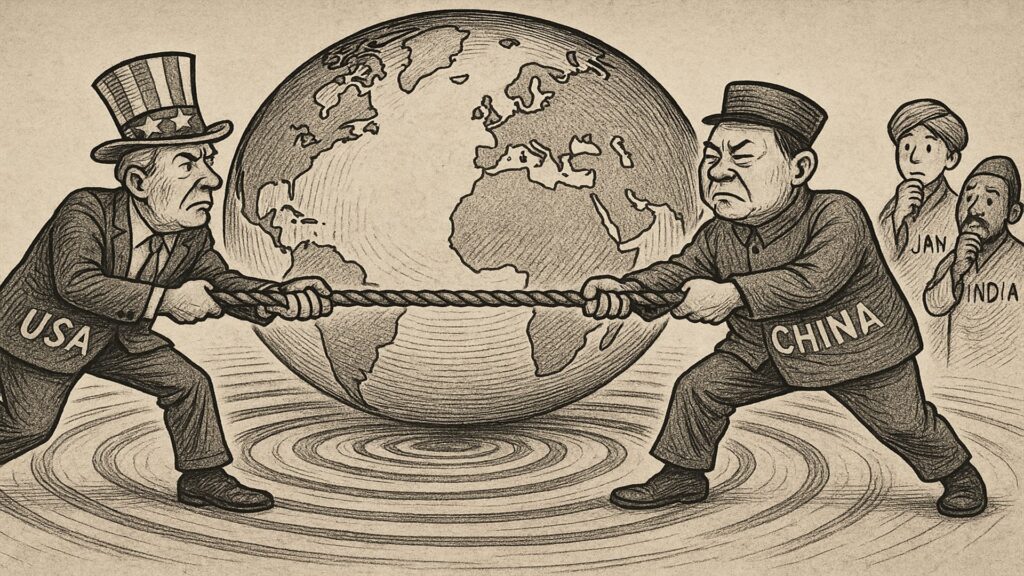
These regulations will impact not only Chinese companies but the global economy. On the negative side, deeper U.S.–China frictions could slow world trade growth. China’s GDP growth is already projected to fall to around 4%. U.S. households face higher burdens, posing headwinds for the economy.
Yet there are positives as well. Reduced P&D activity could restore market trust. Consequently, capital would more easily flow to transparent countries and companies.Japan and India could benefit as alternative supply bases.So, how do you read this trend?
? Impact on Japanese Stocks
So, what effects might this have on Japanese stocks? On the negative side, companies heavily dependent on China could be hit. Automakers and electronics component manufacturers are typical examples. Also, a stronger yen would pressure exporter profits.
On the positive side, if U.S.–China decoupling progresses,more sectors in which Japanese companies can meet alternative demand will emerge.Semiconductor materials and industrial robotics are good examples. As the market becomes healthier, investors may feel confident returning capital to Japanese stocks.
? Short-Term and Long-Term Outlook
In the short term, from September when regulations ramp up to year-end, Japanese stocks are expected to face some downside pressure. If U.S.–China tensions escalate, volatility could increase. In the long run, Japanese firms restructuring their supply chains should gain stability.
Shifting toward India and Vietnam could reduce China risk, potentially strengthening overall Japan’s economic resilience.Funds flowing into future-growth sectors like semiconductors and AI-related stocks are expected to continue. So, which stocks would you focus on?
? Advice for Investors
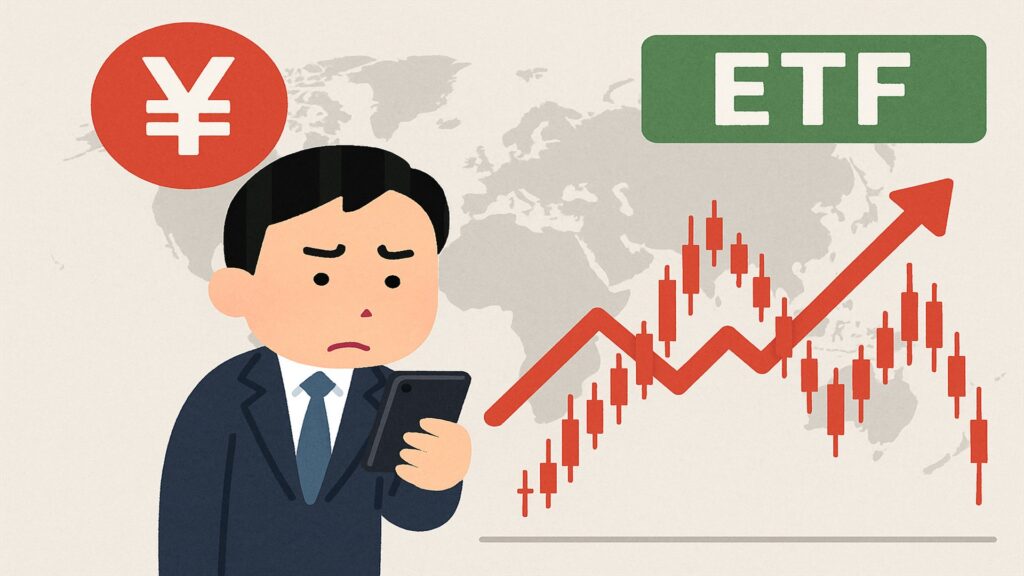
Given these circumstances, investors should stay calm. Avoid stocks with high China dependency. Emphasize diversified investment. Also, look to growth sectors such as AI, semiconductors, and robotics. Using ETFs to disperse risk broadly is also effective.
If you hold a global stock fund like All-World (All-World Index Funds), understanding its composition is essential. Keep gathering information. Watch SEC announcements, Bank of Japan policy, and the progress of U.S.–China negotiations. Small news can become a big wave, remember.
? Beware of Stocks that Soared Too Quickly!
Regulations by NASDAQ and the SEC pose a major challenge to Chinese companies and ripple through the world economy. While Japanese stocks may face short-term downsides, long-term effects could be favorable due to alternative demand and market normalization. From an international diversification perspective, investments like All-World have some impact but remain limited due to global diversification.
What investors can do is not be swayed by emotions, listen to information, and judge calmly. This steady approach may be key to protecting future wealth.Will Japan’s stock exchanges be safe?When buying stocks that have surged, it might be wise to be a bit cautious.
Free-trade risk-free trading simulator to practice and verify freely!
Details page for One-Click FX Training MAX