

The Presidential Election! Who can truly go toe-to-toe with Trump? Exploring the “English proficiency and negotiation skills” of the Liberal Democratic Party candidates
Hello, everyone. This time, let's focus especially on the power of “Gachi conversations with President Trump.” With Prime Minister Shigeru Ishiba announcing his resignation and the temporary presidential election scheduled for October 4 approaching, the “turning point” in the Japan-U.S. tariff negotiations has been reached, but how can we face the Trump administration’s unpredictable diplomatic style?
Like Prime Minister Ishiba, top leaders who are not adept at direct English conversation and candidates lacking negotiating power are still seen as problematic. A Japanese top leader who can negotiate on equal footing with President Trump! This is likely to be the biggest point of the leadership election.
? Why is “Gachi conversation with Trump” important?
- Features of Trump diplomacy: Trump advocates “America First,” and uses tariffs and increased burden on the U.S. military presence in Japan as tools to shake allies. Former Prime Minister Shinzo Abe built relationships through golf diplomacy, but the Ishiba administration’s “text-centered, too earnest” approach is said to have failed to work and led to disadvantages. On social media, voices such as “Ishiba was underestimated by Trump” and “If it were Takai, he could withstand him” stand out.
- Japan’s challenges: Under a minority government, the possibility of dissolving the lower house exists, and Trump’s tariff policies directly hit the economy. With increases in defense spending and revising the Status of Forces Agreement tied in, in addition to English and negotiation skills, Trump-style “toughness” is required.
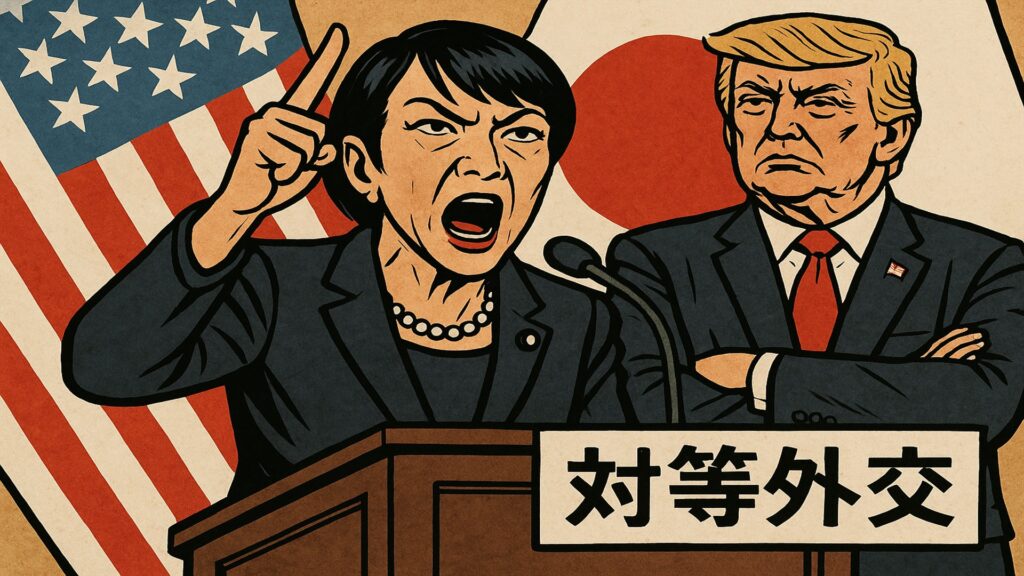
? Sanae Takai: Affinity with conservatives and Trump
Sanae Takai has experience working in the office of a U.S. congresswoman, and her English ability is sufficient. Furthermore, her conservative thinking has high affinity with Trump’s “America First,” and her straightforward statements are believed to resonate with Trump as well.
Since 2024, she has also received meeting inquiries from the Trump camp, and with her diplomatic strength, she could further strengthen support among party members. The idea of inheriting Abeism is something Trump himself probably knows, so there is a high possibility that a top-level dialogue could move in a favorable direction.
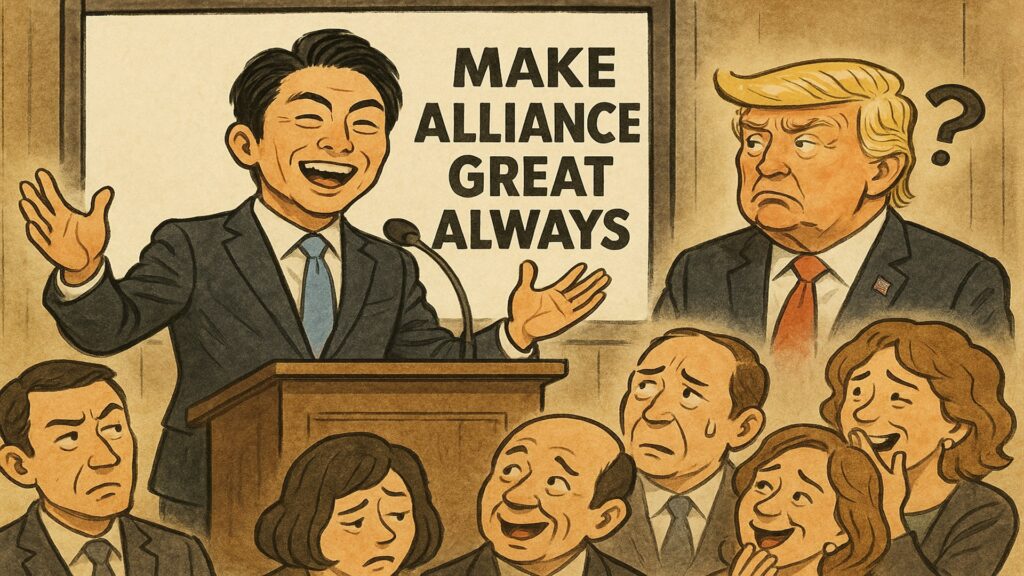
? Shinjiro Koizumi: Youthful momentum and communication
Shinjiro Koizumi has honed English through his experience as a researcher at CSIS and speaks fluently. He points out Trump’s tendency to “not read documents” and argues that he should strategically craft his presentation. While his flexible thinking and communication skills can help build relationships, there are concerns that he lacks “toughness,” and there are warnings that he could be pushed back in deal-focused negotiations.
A lot of people may imagine a top-level dialogue being centered on bureaucratic scripts. Koizumi might surprisingly shine in his own world.
? Yoshimasa Hayashi: Stable but lacking flexibility
Yoshimasa Hayashi has extensive foreign minister experience and is fluent in English. His track record at international conferences is commendable, but he is seen as somewhat vulnerable to Trump’s unpredictable negotiation style. While his steady diplomatic posture is valued, there is a concern that he may be viewed as too earnest and inflexible by Trump.
Domestically, he is expected to pursue a safe, continuing course, and the transition from Ishiba’s administration may be smooth. However, in terms of breakthrough capability required in the leadership election, he may seem lacking.
? Toshimitsu Motegi: The capability of a tough negotiator
Toshimitsu Motegi boasts achievements in TPP negotiations and the U.S.-Japan Trade Agreement, and has been praised by President Trump himself as a “tough negotiator.” His English ability is high, and he can face off in a deal-oriented diplomacy head-on.
His practical ability and negotiation experience are outstanding, and he is a candidate who could aim for a turnaround with his diplomatic power. If tariff negotiations were involved, he might have been overwhelmingly supported, but given the current international situation, he may be the most suitable candidate.
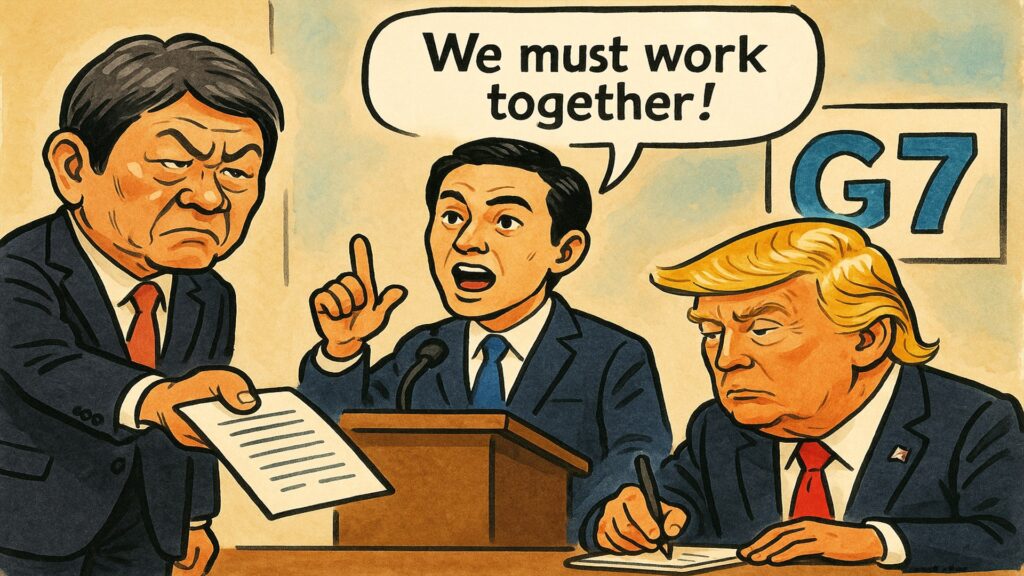
? Kobayashi Takashi (Koba Hawk): International elite with strong English
Takashi Kobayashi is a finance bureaucrat and, since 2021, has served as the first Minister for Economic Security, a policy-focused figure. His English ability is among the top in the Liberal Democratic Party, and he earned a master’s degree at Harvard Kennedy School. Through his time as a bureaucrat and in the U.S., he has cultivated the ability to conduct diplomacy without interpreters.
His improvisational skills at international conferences and policy English expertise are highly regarded, with some describing him as native-like. However, there are also criticisms that his “bureaucratic English” is stiff, and how he handles a direct, impulsive style like Trump’s remains a challenge.
? Overall evaluation list
| Candidate | English ability | Practical ability | Trump response ability | Overall rating |
|---|---|---|---|---|
| Sanae Takai | ◎ | ○ | ◎ | ◎ |
| Shinjiro Koizumi | ◎ | △ | ○ | ○ |
| Yoshimasa Hayashi | ○ | ◎ | △ | △ |
| Toshimitsu Motegi | ◎ | ◎ | ◎ | ◎ |
| Takashi Kobayashi | ◎ | ○ | ○ | ○ |
- Strengths of Takai and Motegi: Confidence in handling Trump thanks to conservative alignment and practical experience.
- Challenges for Koizumi and Hayashi: Youth appeal and stability are present, but there are concerns about Trump-style deals.
- Position of Kobayashi: Exceptional English and notable strengths on the international stage. However, it is uncertain whether he can break through Trump in a “gachi negotiation.”
Diplomacy prowess is the biggest point for the next president. If it were up to you, whom would you cast your vote for?
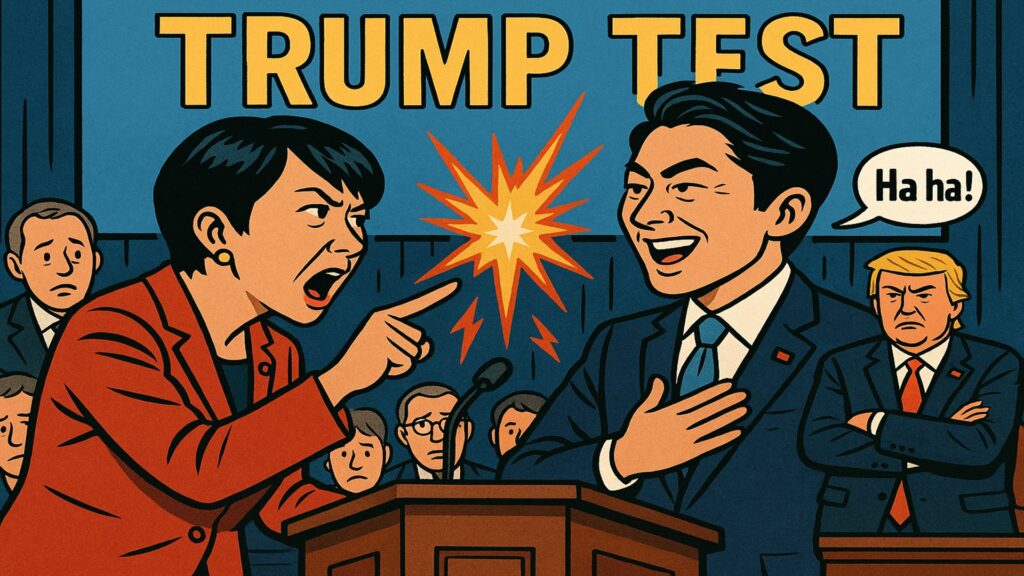
? Diplomacy power may be the deciding factor
In the last leadership election, diplomacy was undervalued, and Ishiba won, but it led to political instability. This time, a president who can deal in English is needed. Takai has strong party support, Motegi could rally with his practical ability. Both have real capabilities and popular appeal, but if they compete against each other, votes could split, and a third candidate might gain an opportunistic advantage.
With a minority government, frequent disputes, the prolongation of the Ukraine war, and domestic instability piling up, a prime minister who cannot fully demonstrate English and negotiation skills lasting nearly a year has effectively prolonged political vacuum and caused great losses. There would have been room to seek a more favorable outcome in tariff negotiations as well.
There are still excellent politicians; it is not that none exist. Rather than party or faction logic, please pursue the right people for the right positions. What do you think?
Free practice and verification with a completely risk-free trade simulator!
Details page for One-Click FX Training MAX