

Current Affairs: Behind the Scenes of the Liberal Democratic Party Leadership Election—From Ishiba's Resignation to Trump Diplomacy, Interpreting the Chaotic Political Landscape
What do you think? Many people might be tilting their heads while glancing at the latest news, wondering, “Why did the Ishiba administration last so long?” Even though they suffered three consecutive election losses, the approval rating is reported as relatively high. This “mystery” in public opinion surveys adds to the puzzling atmosphere.
People watching television might not feel much of a mismatch, but when you scan social media, there are voices doubting, “Is that really true?” Since the resignation announcement started the race for the next leader, let’s think about it together.
? The Ishiba administration’s short-lived end: background to the resignation and the party’s internal “Ishiba removal”
The Ishiba administration, which took office in October 2024, ended in just 11 months. A crushing defeat in the upper house election, accelerating internal factional splits, and resignation timing coinciding with a wrap-up of tariff negotiations with the United States. How did you feel about it? Was it a “clean resignation,” or the result of being cornered?
It’s ironically notable that the Nikkei Stock Average rose by 625 points immediately after the resignation announcement. The market typically dislikes political vacuums, yet temporarily expectations for fiscal expansion prevailed. It’s also interesting that Korean media reported with caution about “Sanae Takashi’s appearance.” Behind the change of administration, it’s safe to say pressure to remove Ishiba played a major role.
? Strong contenders for the leadership race and where votes go: party member votes vs. parliamentary votes
Now, the emergency leadership election planned for October. Who will survive here is of great interest. What strengths do the candidates have? It’s easier to understand when organized into a table.
| Candidate | Features / Support base | Leadership election results |
|---|---|---|
| Shinjiro Koizumi (Minister of Agriculture, 44) | Reform-minded, support among the younger; strong in party member votes. | 3rd place in 2024 |
| Sanae Takashi (former Minister of Economy, Trade and Industry, 64) | Symbol of the conservatives; pro-active fiscal policy. | 1st place in 2024 |
| Yoshiyuki Hayashi (Chief Cabinet Secretary, 64) | Diplomatic, moderate; adept at coordination. | 4th place in 2024 |
| Toshimitsu Motegi (former Secretary-General, 69) | Pragmatic, well-regarded for internal party coordination. | 6th place in 2024 |
| Takano Kobayashi (former Minister of Economy, 50) | Policy-savvy young candidate. | 5th place in 2024 |
Takashi, who is overwhelmingly strong in party member votes, could be overtaken by parliamentary votes in a final round. This recalls Ishiba’s 2024 comeback, and there’s likely to be criticism again about a system that makes it hard for “the members’ voices” to be reflected.
If you had to choose, which would you weigh more heavily: party member votes or parliamentary votes?
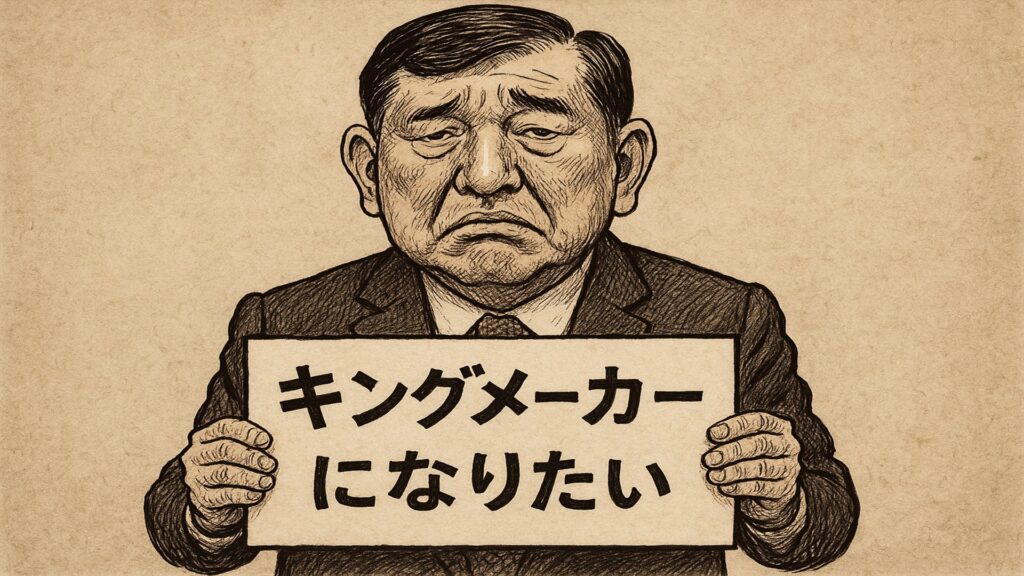
? Shinjiro Koizumi’s rise? The pros and cons of becoming Minister of Agriculture, Forestry and Fisheries
Shinjiro Koizumi, who became Minister of Agriculture, Forestry and Fisheries in May this year. He released reserve rice to temper rising rice prices and temporarily succeeded in suppressing prices. Some praise him as “the man who gets things done,” while others say, “It hasn’t solved the fundamental problems.” There are also harsh comments from farmers’ cooperatives.
With increased media exposure, he is gaining popularity among young party members in urban areas. But on social media, there are also sharp assessments like “popular but ineffective.” How do you rate his momentum? Is it real power, or a media-created illusion?
? The biggest point of selection: the力 to have real conversations with President Trump
Ultimately, what Japan’s next prime minister needs is the ability to face the United States, especially President Trump. The Ishiba administration failed due to document-centered negotiations. This time, a leader who can push back with words is sought.
- Takashi: fluent in English, conservative ideology with high affinity. ☆★★★★☆
- Motegi: proven toughness in WTO/TPP negotiations. ☆★★★★☆
- Koizumi: fluent in English, has research experience. However, sometimes undervalued. ☆☆☆☆
- Hayashi: rich diplomatic experience but is more of a conciliator and lacks pushing power. ☆☆☆☆
It feels like a “Trump resilience test” in the leadership race. In the face of tariff issues that shake the economy, who can safeguard Japan? Which candidate would you cast your vote for?
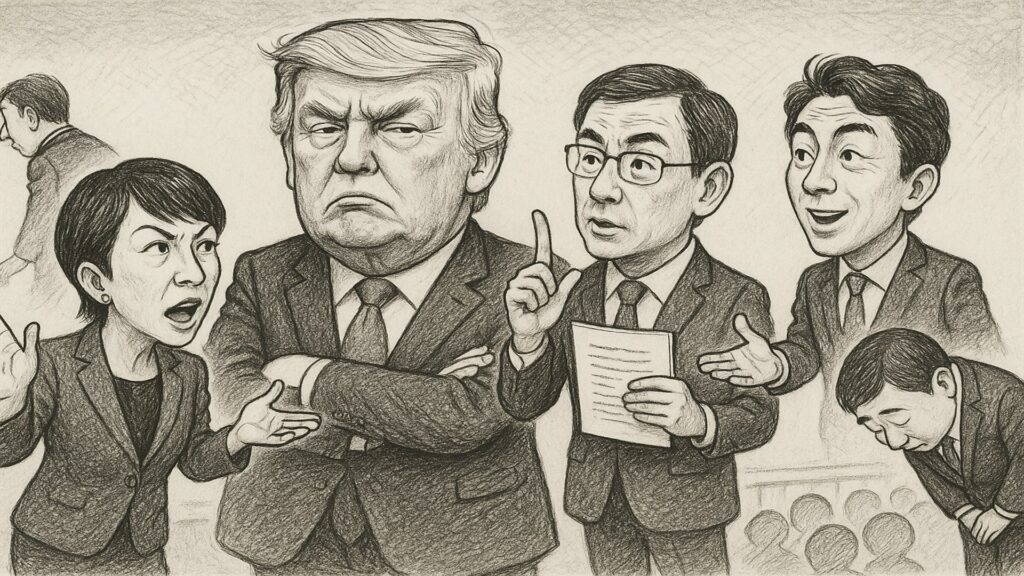
? Looking ahead: party revival or further chaos
This leadership election began with Ishiba’s resignation as a turning point. The clash of Takashi’s conservative popularity, Koizumi’s reformist image, and Motegi’s practical skills marks a new phase in Japanese politics. The balance between party member votes and parliamentary votes, and the ability to respond to Trump diplomacy, seem likely to decide the outcome.
Will the Liberal Democratic Party walk the path of revival, or will it deepen division and confusion? The answer will become clear in the not-too-distant future. How do you see it?
A completely risk-free trading simulator to practice and verify freely!
Details page for One-Click FX Training MAX