

Is the Minister of Agriculture Koizumi a lemon or a savior? 5kg for 2000 yen is a declaration of war on the agriculture and fishery sectors! Ten years of revenge
A unprecedented price surge nationwide, exceeding 5 kilograms and 4,000 yen, a government stockpile policy that lags behind, and the dismissal of the Minister of Agriculture, Forestry and Fisheries. Amid this turmoil, in May 2025, Shinjiro Koizumi was appointed as the Minister of Agriculture, Forestry and Fisheries. This development harkens back to the LDP’s agricultural and forestry factions in 2016. It marks the moment when revenge against agricultural and fishing interests began.
This article centers on Minister Koizumi’s policies and actions to read the overall picture and essence of the “Reiwa Rice Controversy,” as well as the true challenges we face.
■ Additional Article
Background of Shinjiro Koizumi’s Appointment as Minister of Agriculture and the Rice Crisis
On May 21, 2025, Shinjiro Koizumi was appointed Minister of Agriculture, Forestry and Fisheries by Prime Minister Shigeru Ishiba. This followed the removal of then-Minister Eto Taku after his remark that “I have never bought rice,” which became a problem.
As of May 2025, the national average price of rice reached 4,268 yen per 5 kilograms, more than double what it was a year earlier, far from the government’s target of the 2,000 yen range.
Even the stockpiled rice release that began in March was conducted through competitive bidding, with most of it won by JA (Japan Agricultural Cooperatives) at high prices, so the impact on retail prices was limited. It is fair to say that previous rice turmoil measures were an outright farce.
“2,000 Yen Rice” Concept and Shift to a Direct-Contract System
Upon taking office, the minister spoke with strong determination as the “Rice Minister,” signaling a prompt response to the rising rice prices that cause anxiety in citizens' daily lives.
In fact, with national average rice prices exceeding 4,000 yen per 5 kilograms, he set a concrete goal to sell stockpiled rice through stores at about 2,000 yen per 5 kilograms. As part of this, he decided to abolish the traditional stockpiled rice bid system and shift to a direct contract system.
Immediately after taking office, he canceled the upcoming 4th stockpiled rice auction and instructed the Ministry of Agriculture, Forestry and Fisheries to prepare for rapid release.
Achievements in JA Reform and Conflicts with the Agricultural Sector
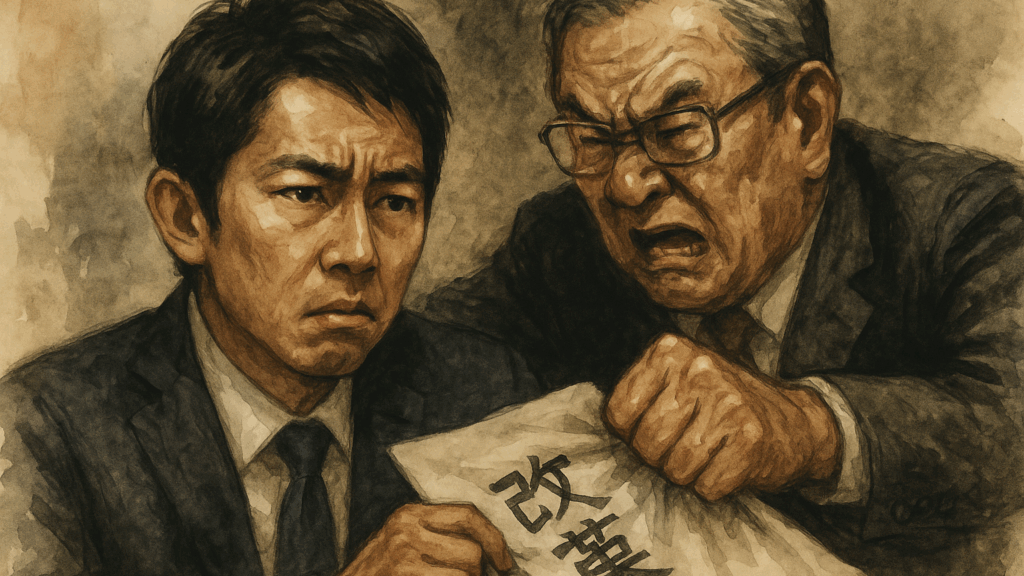
Minister Koizumi, since 2015, served as Chairman of the Liberal Democratic Party’s Agriculture and Forestry Committee, working on JA reforms and promoting consumer-oriented structural changes.
In particular, in 2016 he strongly opposed JA Zen-Noh’s fee structure and inefficiencies in material supplies, harshly criticizing, “Are farmers farming to support JA employees?” His reform stance created frictions within JA and among LDP lawmakers allied with agriculture and forestry factions, but it also garnered public support for transparency and efficiency in agricultural distribution.
However, fundamental reform advocated by fertilisers and pesticides sales reform proposed by the government's Regulatory Reform Promotion Council ended up only as an annual plan rather than a radical overhaul. In effect, Koizumi’s views and plans were pushed back by the agriculture and forestry faction, and were essentially crushed.
Political Background of Stockpile Release Tied to Elections
Behind Minister Koizumi’s push to release stockpiled rice may lie political aims tied to elections. First, priority supply to Tokyo ahead of the metropolitan assembly elections could make 2,000 yen rice a possibility there.
He stated that even if it does not reach the entire country, regions where delivery is faster would be supplied at the 2,000 yen range first, indicating a phased rollout.
Specific place names were not disclosed, but given logistical efficiency and demand size, a Tokyo metropolitan area–centered rollout is quite plausible. Nationwide expansion could be delayed for political reasons ahead of the general elections.
Phased Rollout and Feasibility of the System Design
This stockpile release is being progressed through a direct contract system by the Ministry of Agriculture, Forestry and Fisheries, with sales expected to begin in early June at about 2,000 yen per 5 kilograms. National cost-bearing for transportation and a supply framework aligned with demand are being developed, making the design seem feasible.
However, even if the initial rollout in Tokyo succeeds, challenges may surface when expanding nationwide, including transportation burdens, price adjustments, and producer opposition. These moves are read as strategic political decisions tied to elections rather than purely economic policy, and whether they align with national demand remains uncertain.
Limitations of Stockpiled Rice and Unrealistic Policy Statements
The government’s stockpiled rice amounts to only about 1 million tons in total. After releases since February, remaining stock is about 910,000 tons, and Minister Koizumi has indicated plans to ship an additional 300,000 tons.
Thus, stockpiled rice is effectively down to approximately 610,000 tons. Meanwhile, Japan’s monthly rice consumption exceeds 600,000 tons, meaning this stockpile is far from enough to sustain nationwide supply for even a few months.
Nevertheless, Minister Koizumi has spoken as if unlimited stock release is possible, raising concerns about a gap with real supply-and-demand conditions.
High-Price Inventory and Market Turbulence Risks
Moreover, the market has already seen high-priced rice from the 2024 harvest, which will directly compete with 2,000 yen cheap rice using stockpiled rice in the future.
Because stockpiled rice released from March onward was initially traded at high prices, traders are likely cautious about procurement to avoid losses.
Distributors including JA are already facing challenges on how to handle rice bought at high prices, and the market is likely experiencing inventory adjustments and price volatility.
Outlook for 2025 Rice Production and Tight Supply-Demand
Additionally, based on a survey at the end of April, the government announced that 2025 staple rice production would be 7.19 million tons (about 400,000 tons more than last year). While this increase provides some stability, it is nearly the same as Japan’s annual consumption (about 7 million tons), leaving little surplus for stockpiles.
Thus, numerically, Japan’s rice supply and demand are tightening, and there are structural limits to stabilizing market prices through government stockpile policies.
Optimism About New Rice Supplies and Concerns About Demand-Supply Stability
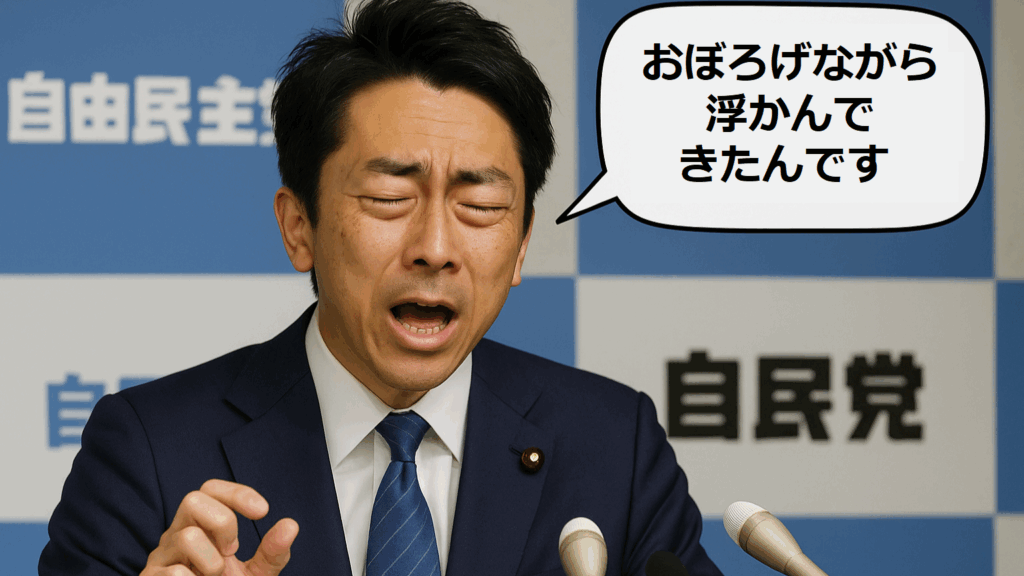
There is optimism that new rice in September will alleviate shortages, but if stockpiled rice has already dried up, it will be difficult to meet demand, and prices could soar to record highs in August as seen in the past.
theoretically, improvements from new rice supply could help demand-supply, but in 2024 prices rose, and if 2025 experiences similar distribution delays or inventory mismanagement, stability after September is not guaranteed.
Additionally, the growing demand from Osaka/Kansai Expo 2025 and the rapid increase in imported rice could unpredictably affect the market.
Reality of 2024 Rice Production and the Previous Minister’s Miscalculation
The 2024 rice production rose to 6.79 million tons, an increase of 180,000 tons year-on-year, but the quantity collected by JA and other bodies decreased by 210,000 tons, suggesting some may not have entered the market and remained as stock.
At the time, Minister Sakamoto Tetsushi of the Ministry of Agriculture, Forestry and Fisheries was optimistic that as rice would begin to circulate seriously around September, shortages would gradually ease, and at his retirement press conference he said, “There was no mistake in the decision not to release stockpiled rice,” which, in hindsight, was clearly wrong.
Concerns for 2025 Harvest and Responsibility of the Ministry
For 2025 rice production, there is a high possibility that production cannot be secured as expected, and even after new rice enters the market in September, price spikes may continue. If stockpiled rice cannot be sufficiently secured, urgent imports may become a real option.
Minister Koizumi advocates the need for agricultural reform, but farmers take years to cultivate soil and grow rice. The Ministry of Agriculture, Forestry and Fisheries should seriously learn from this failure and push forward agricultural reform.
Trump Tariffs and the Need for Emergency Imports
I mentioned in a post over a month ago that, as a corollary of Trump’s tariffs, 1 million tons of rice should be imported on an emergency basis. It may be too late now, but if stockpiled rice runs dry and officials say “there is no more,” the country could already be forced to price-negotiate with the United States.
The third tariff negotiation is reported to have been missed by Oversight Secretary Benisente, and although a fourth round is planned, progress is unlikely to be smooth.

“Koizumi Risk” Detected by Citizens
Throughout the 2024 presidential race, many citizens have become aware of “the peril of Shinjiro Koizumi as a politician.” He often lacks a deep understanding of policy fundamentals and struggles to logically grasp current circumstances.
While surrounded by politicians who say “his character is good,” there are concerns that, because of his pampered upbringing, he may be ill-equipped to handle the political power structure and vested interests. If stockpiled rice is released without a plan, chaos in summer and beyond is easy to imagine.
Facing vested interests and Possibilities as a Reformist
Nevertheless, Minister Koizumi has the potential to directly challenge the vested interests within the agriculture and forestry factions.
If he is not merely riding on his popularity, and if he collaborates with truly like-minded, capable colleagues and engages in agricultural reforms without pandering to vested interests, he could not only settle the old enmity from a decade ago but also significantly rise as a politician.
Now is the time to not be carried on someone else’s political banner, but to carry the banner together with trusted colleagues and sincerely strive for the people.
Completely risk-free trade simulator to freely practice and verify!
Details page for One-Click FX Training MAX