
Trump Does Not Deal with Emotions — It Is Ishiba's Soft Diplomatic Strategy That Is Japan's National Crisis
In spring 2025, Japan-U.S. relations are quietly, but surely, fluctuating. The market reacts to former President Trump’s sudden tariff measures, the Nikkei Stock Average swings wildly, and exchange rates remain unstable. Japan's every move may become a “touchstone” that influences other countries’ negotiating stances. If the negotiations here fall apart, it could impact not only economic blows but also the future of the U.S.-Japan alliance and Japan’s international standing in a serious way.
The “Land of the Rising Sun” Reacting on the Front Lines of Negotiations
In spring 2025, the sudden halt in tariffs announced by the United States shook markets. The Nikkei Stock Average, which had reached the high 40,000 yen range at the start of the year, briefly fell below 30,000 in late March, then rebounded, showing a swing of nearly 8,000 within a week or two. The currency also moved sharply, with the dollar-yen rate dipping to around 142 yen at one point. The Fear Index (VIX) also surged, casting a shadow over investor sentiment.
Behind the market turmoil is former President Trump’s sudden policy shift on tariffs. Investors’ anxiety was provoked by Japan being pressured to take a hardline stance again in the U.S.-Japan trade negotiations.
Japan as the World’s Focus: A “Touchstone” in Negotiations
As the “Land of the Rising Sun,” Japan, geographically and temporally, is the first among developed countries to reach a “day,” and in this tariff negotiation too, Japan is on the front line. What this means is that Japan is being treated as a “touchstone” for other countries’ negotiations. If Japan concedes, others will be compelled to follow; if Japan remains firm, other countries’ negotiations will gain strength. Japan is bearing a heavy responsibility right now.

Is Prime Minister Ishiba’s Emotional Response a Dependence on the U.S.-Japan Alliance?
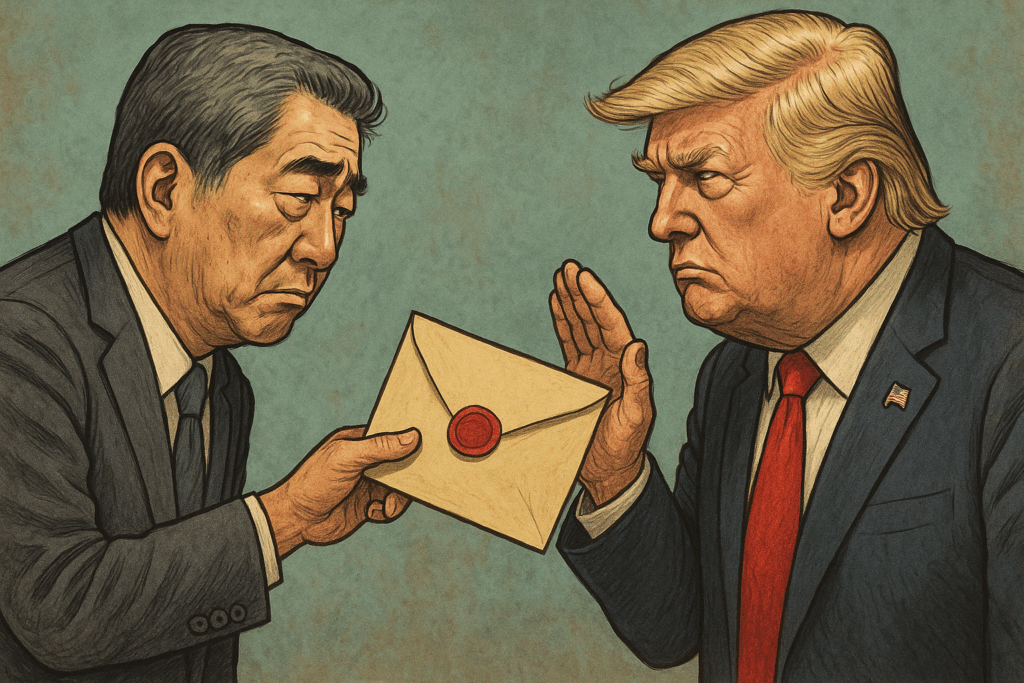
In parliament, Prime Minister Ishiba stated, “Logically, but at the same time emotionally as well, we are giving our all to respond.” He added, “The emotional part, you could say, why did the president come to that argument?” suggesting a willingness to consider Trump’s emotions. This seems to reflect a belief that, because we are allies, we will be treated specially and that appealing to emotions can secure negotiations.
Will Appeals to Emotion Work? The Essence of Negotiation
However, negotiation is fundamentally a contest of logic and resolve, and placing emotion at the center of negotiation strategy may itself be an illusion to rely on allies. President Trump may appear emotional, but behind that there are clear supporter bases and deal strategies, with no room for compromise or restraint.
The Traditional Negotiation Style That Won’t Do
The traditional Japanese negotiation style—invested, created jobs, therefore forgiven—has proven ineffective by past experience. What is needed now is leadership that can fight on the other side’s terms, with a clear plan to protect Japan’s national interests, not a vague stance like “understanding emotions.”
How Should Japan Negotiate? Moving Away from “Trying to Please”
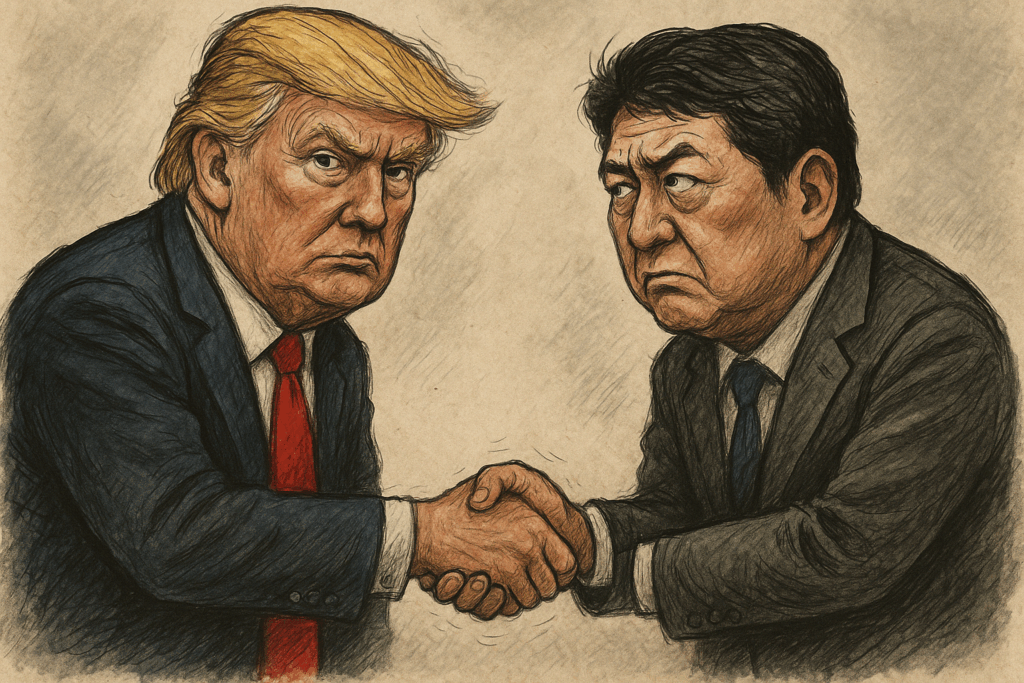
There is said to be strategic intent behind Ishiba’s statements about “understanding the emotional aspect,” but they also carry serious problems. The policy of advancing negotiations with both logic and emotion is an attempt to respond to Trump’s emotional approach, and it shows a willingness to concede by highlighting Japan’s contributions to the U.S. (local production, employment, and agricultural imports).
Catering to Emotions or Negotiating? The Resolve Tested
But is that really negotiation, or concession? The idea that showing empathy will place you at the negotiation table is ultimately just hoping to be forgiven, which may amount to a form of self-indulgence in the U.S.-Japan alliance. It feels like the notion that a bullied child will not be attacked if they pay money. Negotiation is not about catering to the other’s mood. Showing consideration for emotions is diplomatic courtesy to maintain trust, not the essence of negotiation.
What Needs to be Guarded by Strategy and Institutions
If one truly intends to win negotiations, what is needed is logical counterarguments, strategic claims, and protection under international rules. Even if you resonate with Trump’s “forgotten people,” what Japan must not forget is how to protect its own “forgotten small and medium-sized enterprises” and “regional economies,” which must be safeguarded not by emotion but by institutions and strategy.
The Need for a Top-Level Change: What Is Tested Is Resolve and Strategy
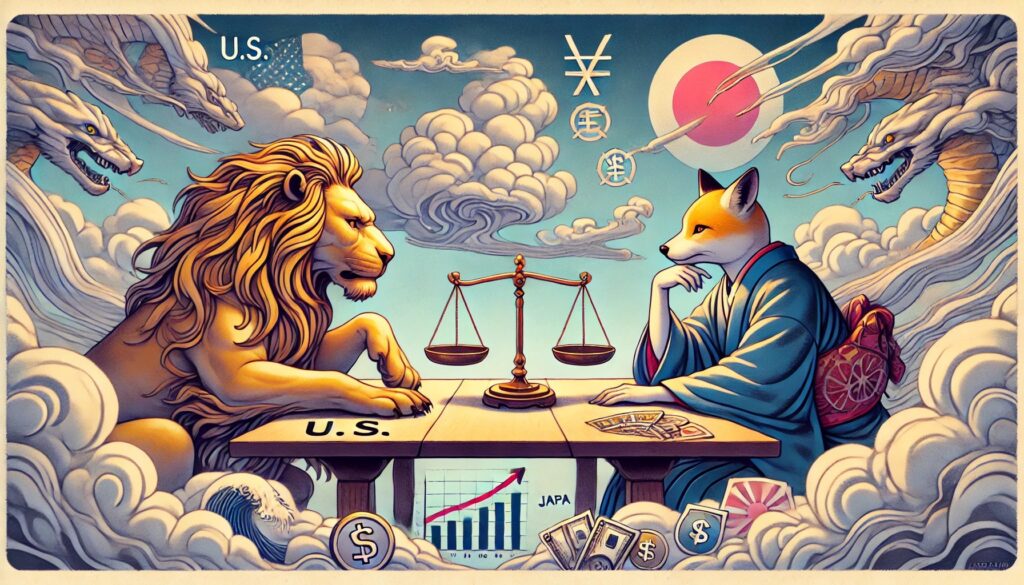
What Japan needs now is “a negotiable top leader.” Only someone who analyzes Trump’s style and out-strategizes him can respond to his deal. The fact that former Prime Minister Abe’s long relationship with Trump is repeatedly cited in the Diet even now speaks to its importance.
The U.S.-Japan alliance is certainly important. But it must be a relationship of equals, not a hierarchical one. If Japan cannot assert its own positions and continues to show restraint at negotiation tables, the value of the alliance itself wavers.
Is the greatest national crisis actually Prime Minister Ishiba?
Prime Minister Ishiba has described himself as facing a national crisis, but the current reality is becoming that the greatest crisis may be Ishiba himself. Japan now needs a leader who can negotiate seriously. With the international order shaking and economic tensions rising, vague attitudes are unacceptable. A reconstruction led by a new leader inheriting “Abeism” may be required.