

"Wasn't 'Restoration' about overthrowing the shogunate? Delaying the tax cut on gasoline, the 1,030,000 yen income threshold, and free high school education—where is Ishin headed?"
Under the banner of reform in name only, where did the flag of reform vanish to? Postponing gasoline tax cuts, the contradiction of the 1,030,000 yen wall, and the priority of free high school education. What is Nippon Ishin no Kai washing?
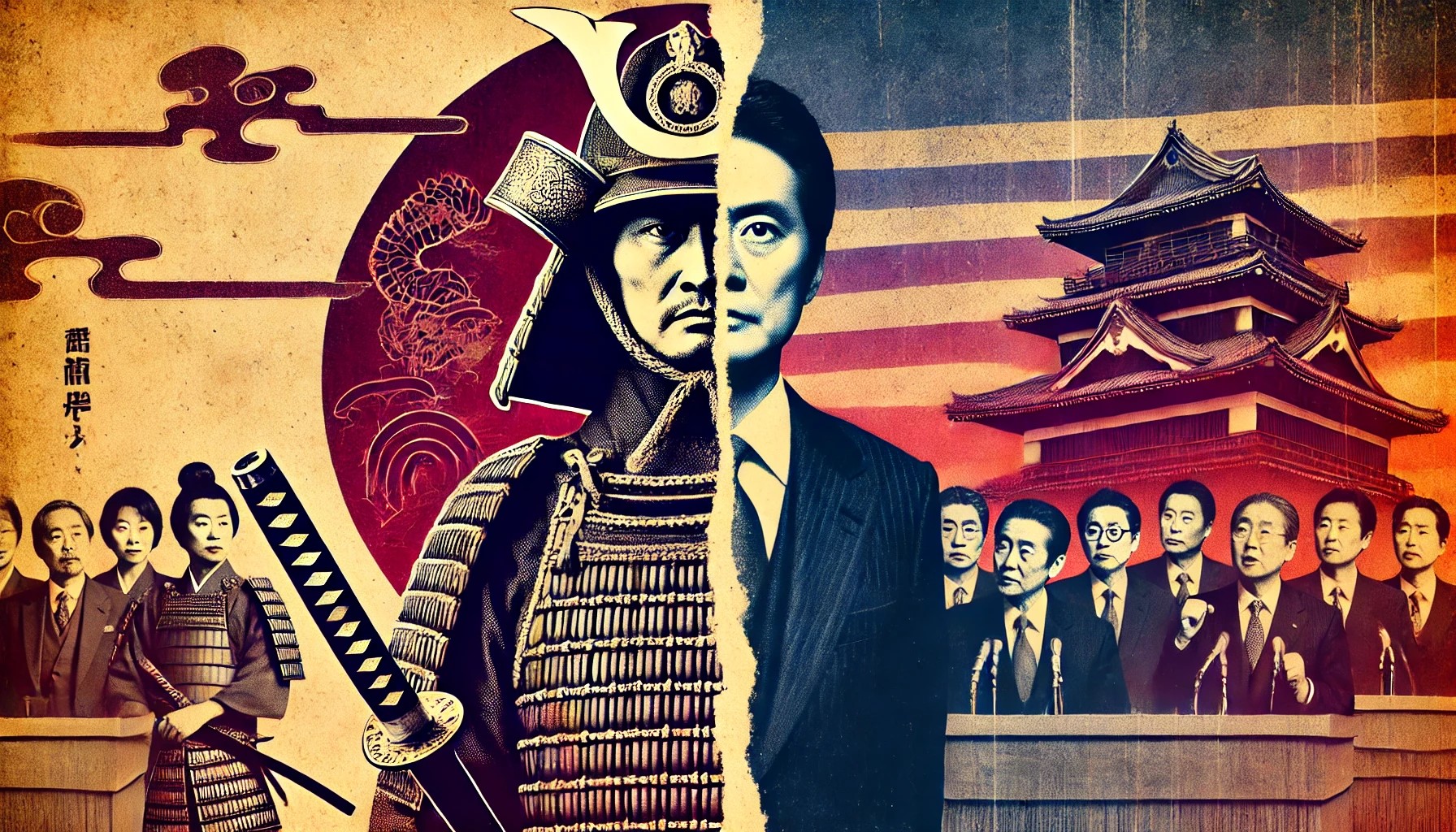
Opposing Gasoline Tax Cuts, Accepting the 1,030,000 Yen Wall
The Nippon Ishin no Kai, which has billed itself as a "reform party," now raises significant questions about whether its actions live up to that banner. For example, opposing the gasoline tax cut and delaying factors that burden many households is hard to understand. Moreover, it cannot be brushed aside that rather than breaking the "1,030,000 yen wall," it has accepted the worsening of the system's complexity.
The "1,030,000 yen wall" refers to the issue where part-time or auxiliary workers lose dependent status when their income exceeds a certain level, reducing the household take-home pay. Workers are forced to keep their income low, becoming a factor in labor shortages and hindering economic growth. Even though more people want to work, they are driven to shorten their working hours. Additionally, the shortage of workers worsens, causing store closures or shortened business hours, which directly affect sales.
A Party Bearing the Name Ishin
Originally, a party bearing the name Ishin should have pushed bold reforms that remove outdated barriers and enable freer work styles. Instead, in reality it prioritized policies that can be realized with relatively low budgets, such as free high school education, and as a result the "1,030,000 yen wall" measures were deferred.
If the original 1,030,000 yen wall were removed, nearly all workers would feel the tax relief. However, this is far from a fundamental solution, and ultimately it became a half-baked policy that merely adds new conditions and constraints.
Is Free High School Education More Important Than Gasoline Tax Cuts?
Public high school tuition is not very high and existing support systems are in place. Even for private high schools, there is some subsidy, and many local governments offer support programs for low-income students. Therefore, the meaning of removing income limits is small, and the fact that it can be achieved with limited financial resources indicates that the number of people truly in need is limited.
The relatively easy-to-implement "education without income limits" benefits low-income groups only marginally and requires more cautious discussion. Public high school tuition is about 110,000 yen per year, but for a household with an annual income of 20 million yen versus 3 million yen, the burden differs greatly. For a 20 million yen household, spending 10,000 yen per person on a high-end sushi dining experience might be feasible, whereas for a 3 million yen household, even a 1,000 yen per person conveyor belt sushi is at the limit.
Having income limits is not inherently unfair; rather, a system that broadly benefits middle-income earners would be more fair from a fairness standpoint.

Ishin: The Ishin Shishi
When people hear the word "Ishin," many first think of the samurai of the late Edo period. Sakamoto Ryoma, Saigo Takamori, Okubo Toshimichi, Katsura Kogoro… they risked their lives to fight for the future of Japan and overthrow the shogunate to build a new era.
In the Meiji Restoration, a grand reform broke the outdated feudal order and propelled Japan toward a modern state. Inheriting that spirit, Nippon Ishin no Kai was formed in 2012 led by Toru Hashimoto, and adopted the word "Ishin" in its party name.
Hashimoto, influenced since his student days by Kenichi Omae’s book "Heisei Ishin" and strongly aware of Omae’s 1992 political group concept "Heisei Ishin no Kai," met with Omae shortly after becoming Osaka Governor and explicitly asked for permission to use the name "Ishin." Omae readily agreed. As a result, the party name "Ishin no Kai" was decided by Hashimoto, but the background reflects Omae’s ideas.
Hashimoto’s Current Status
Hashimoto retired from politics after the failure of the Osaka Metropolis plan and now appears on TV as a commentator. He seems to be valued for delivering comments aligned with the agenda of TV programs, contrasting with his former reformist politician image. The vigor he once showed in exchanges with reporters is no longer evident.
The very name "Osaka Metropolis" itself had a vibe of being a pale imitation of Tokyo and perhaps was not warmly received by Osaka residents. For example, a grand name like "Osaka Nation" might have been more acceptable.
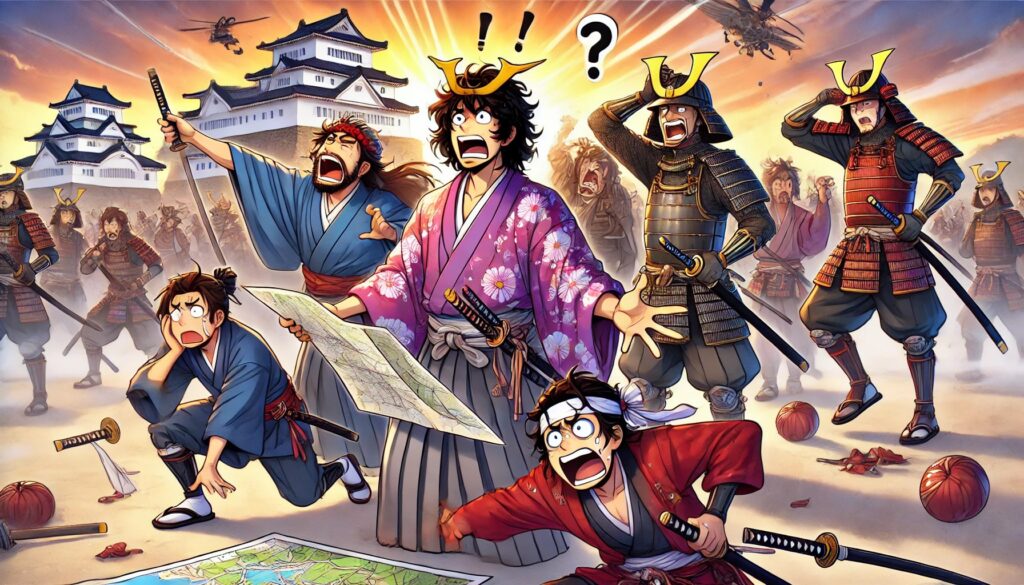
Where Is Nippon Ishin no Kai Headed?
Originally, the word "Ishin" carried the meaning of "revamping the old system and forging a new era." Yet looking at the current Nippon Ishin no Kai, that word often seems to have become merely a slogan.
Ryoma once said, "Let us wash Japan once more." This expresses the resolve to cleanse corrupt politics and rebuild a new nation. So what is Nippon Ishin no Kai attempting to "wash" in Japan now?
If Nippon Ishin no Kai truly wants to be a party worthy of the name "Ishin," it should return to its original resolve and pursue bold reforms to break the status quo. It must present and implement policies that guide the entire country toward a better path, not merely engage in political maneuvering.
Decentralization
Another major policy would be to rethink centralized politics and promote decentralization, aiming for reform free of entanglements. In rural areas, more people drive, so gasoline tax cuts would have a relatively larger impact there.
Already, the Ishin policy platform shows little sign of decentralization. While once prioritizing policies to energize local regions, such as the prefectural-city system, decentralization is not among the top four priorities in Ishin’s current eight policies. During elections, though they claim decentralization, the policies do not reflect genuine commitment, according to Yoshimura's phrasing.
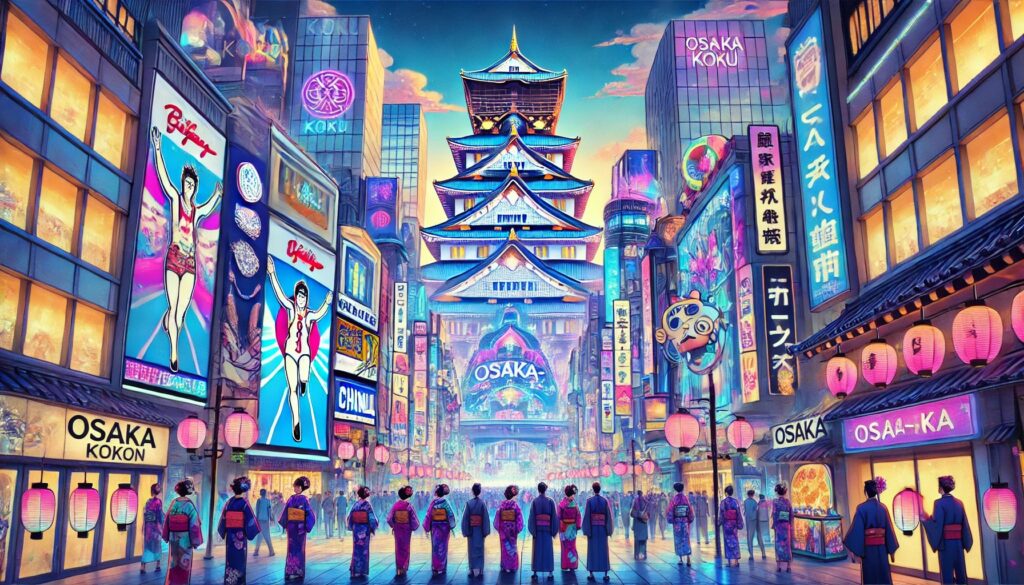
Conclusion: Reconsidering the Meaning of Ishin
The samurai of Ishin sacrificed themselves for the nation's future, beyond personal gain or fame. Saigo’s line, "I do not want life, I do not want fame, nor position or money," embodies the spirit of Ishin shishi. They fought solely to improve the country.
Originally the party was formed with that kind of resolve, but over time its ideals seem to have become distorting. While the Ishin shishi risked their lives for reform, how earnest is today’s "Ishin" in changing Japan’s shape? Bearing the Ishin name obligates them to possess the same spirit as those former samurai.
An Excellent Opportunity?
If Nippon Ishin no Kai truly seeks to be a party worthy of the name "Ishin," now is the time to return to the origin and push bold reforms. The timing of becoming a minority party should have been an excellent opportunity to present distinctive bold policies, but instead it has relied on small-scale compromises, which is regrettable.
The samurai of the late Edo period rose not for their own interests but for the nation's future. Bearing the Ishin name, today’s "Ishin" must also push meaningful reforms rather than rest on existing political forces. Breaking out of regional-party confines to grow into a party that citizens nationwide expect may require taking decisive action now.
Practice and verify freely with a completely risk-free trade simulator!
Details page for One-Click FX Training MAX