
DAY 42: Mental Summary & Q&A Copy
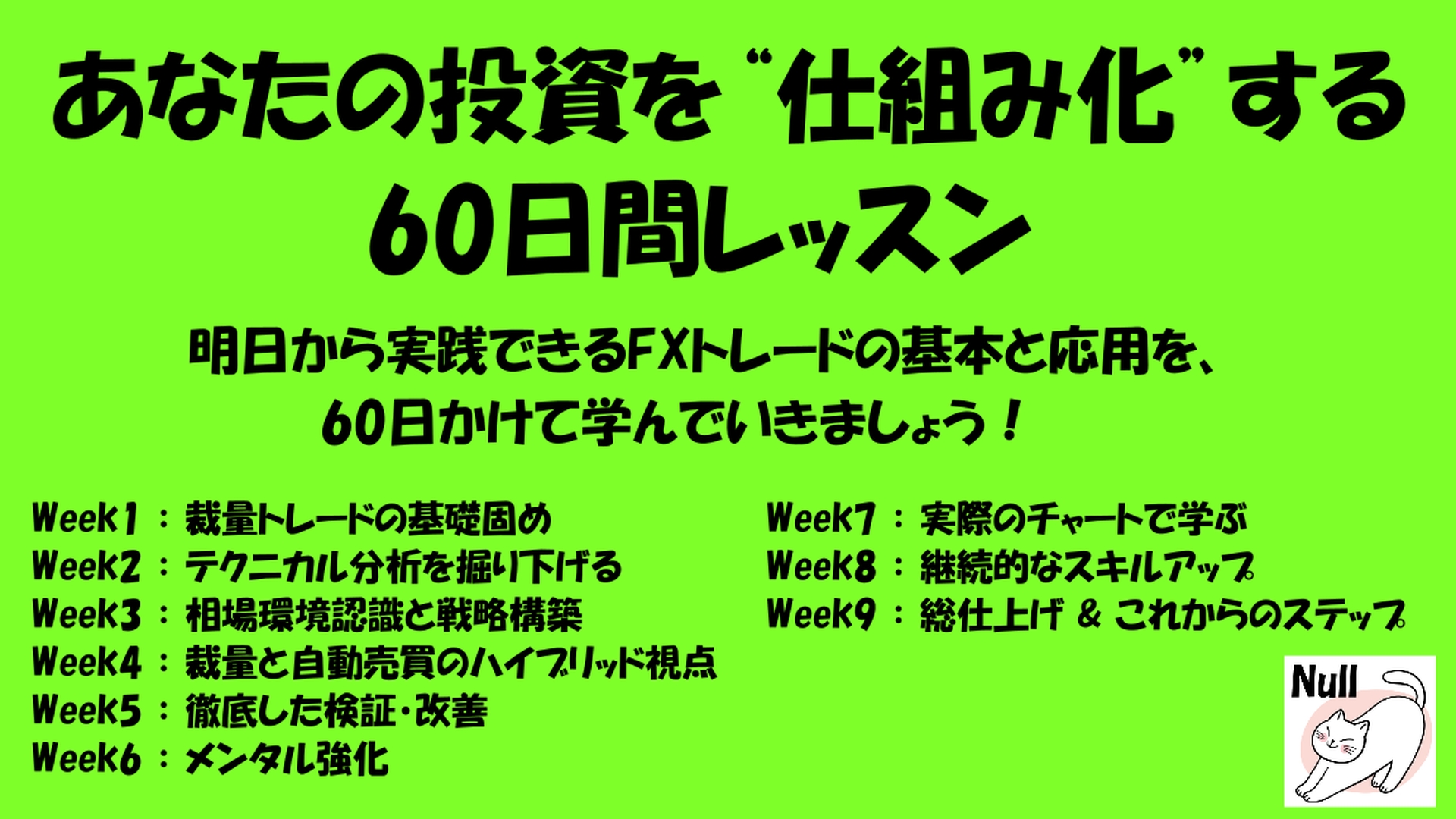
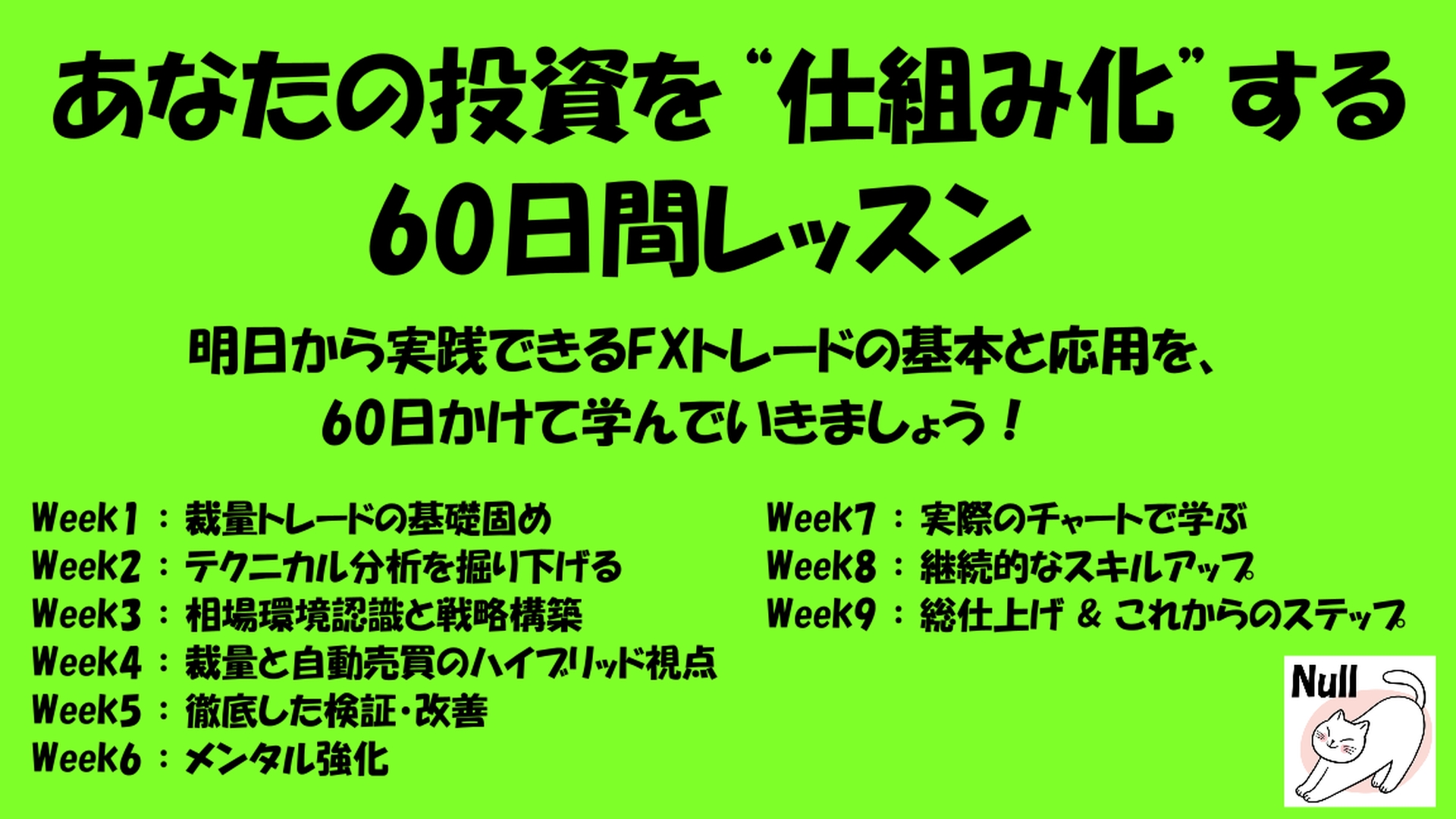
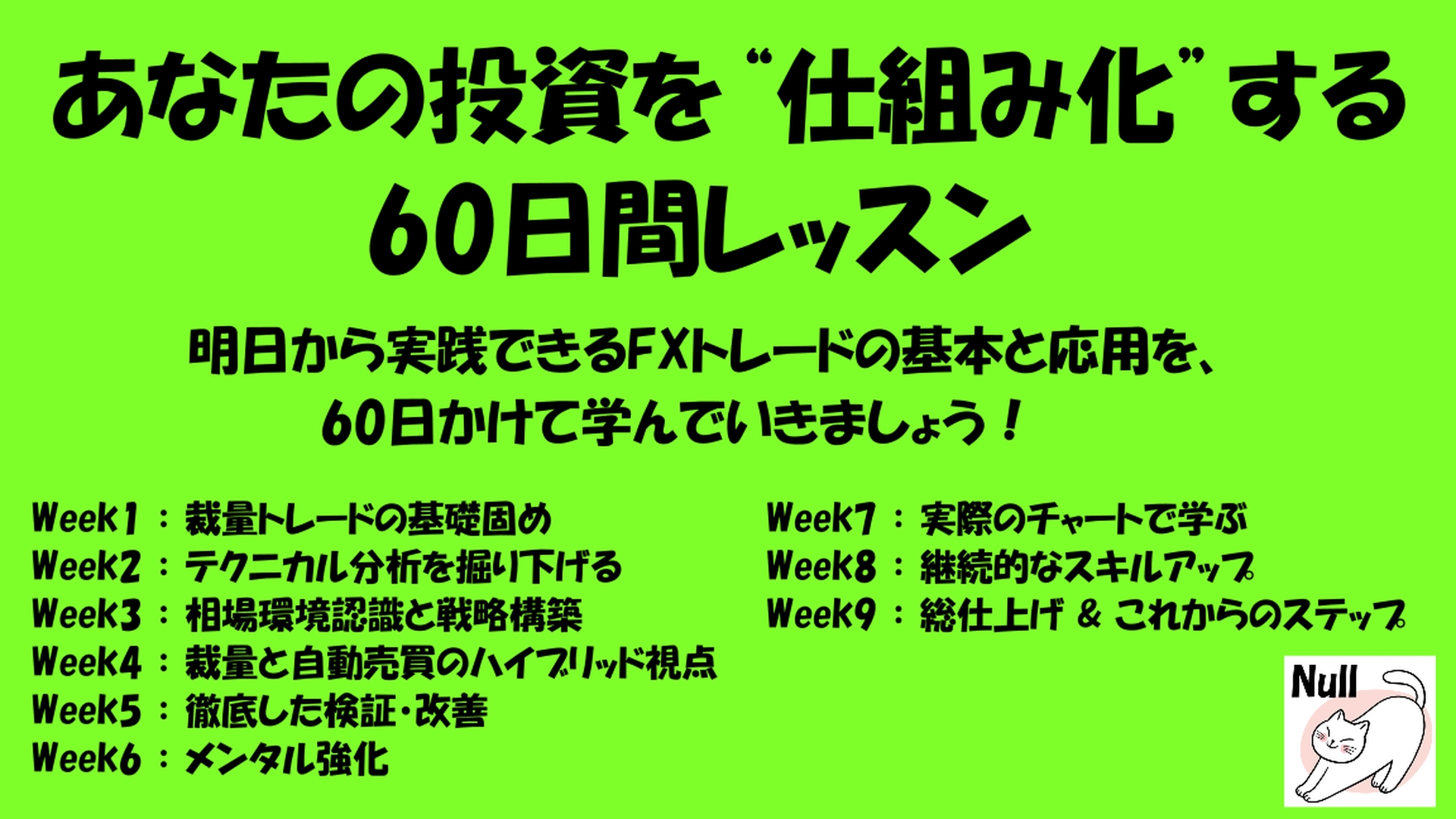
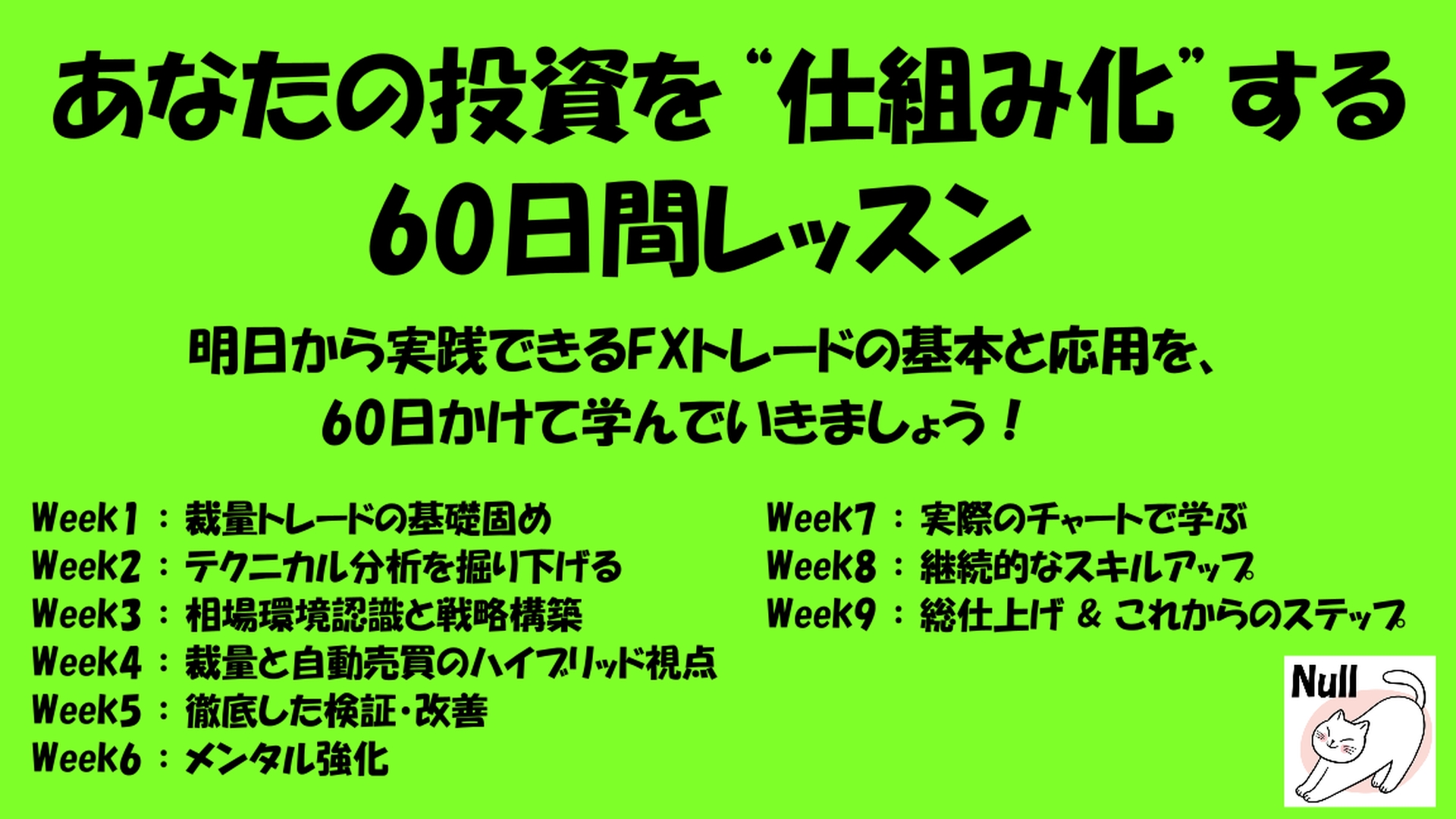
From DAY 36 to DAY 41,Mental Strength MonthI have learned a wide range of mental management topics, including “overcoming mental blocks to maximize profit,” “mental care when facing losses,” “how to handle streaks and drawdowns,” “understanding one’s personality and trading style,” “habits outside trading,” and “how to distinguish between true and false failures.”
Today, as a final synthesis, I will comprehensively review theone-week contentand answer questions often asked by readers,producing key points to stabilize a trader’s mindset.
1. Review of DAYS 36–41
DAY 36: Mental blocks when you want to maximize profits
- Points: To prevent “premature taking profits,”Set take-profit targets in advance, use partial profit-taking with a break-even stop, maintain a broader perspective on higher timeframes, etc., as effective measures.
- Aim: If you cannot let profits run, the risk-reward ratio tends to worsen. It is important to consciously allow profitable trades to run strategically.
DAY 37: Mental care when holding losses
- Points: Rest, proper lot sizing, and treating stop losses as an expense to avoid mental collapse during consecutive losses or drawdowns.
- Aim: Prevent reckless revenge trading or refusal to cut losses, and learn techniques to stay calm mentally.
DAY 38: How to handle winning streaks and losing streaks
- Points: Dangers of overconfidence during winning streaks and panic or despair during losing streaks.
- Strategies: Even during wins, don’t suddenly increase position sizes; during losses, reduce size or take a break.
- Commonality: Both involve large emotional swings, so sticking to calm rules is key.
DAY 39: Understanding your personality to choose a trading style
- Points: Choosing a style that fits your personality and lifestyle—scalping, day trading, swing trading, long-term investing—directly affects mental stability.
- Aim: Forcing yourself into an unsuitable method increases stress and leads to rule violations and more losing streaks.
DAY 40: Mental training – building habits outside trading
- Points: Exercise, sleep, meditation, diet, hobbies, and other non-trading areasthat support trading.
- Aim: Switching on and off, controlling stress and irritability externally, helps maintain calm during trading.
DAY 41: Right vs. wrong failures
- Points: Distinguish between proper failures (stopping loss according to rules) and improper failures (ignoring rules or gambling entries).
- Aim: Proper failures are a necessary cost for the next success; improper failures require improvement. Classifying in a trading journal is effective.
2. Common Questions & Answers
Q1: I tried partial profit-taking and trailing stops to cure chicken-sell, but I still can’t settle down...
- A:
- Partial profit-taking may still be a bit early.If you earn even a little profit, take half profit or extend the profit target a bit, or adjust the timing of scaling out.
- Also, verify trend on higher timeframes and use tools like Fibonacci expansion; clearly articulate “why there is a reason to let it run” to feel secure holding.
Q2: They say resting after a losing streak is important, but I’m scared to rest (I worry I’ll fall behind)…
- A:
- If you force entries during a losing streak, your judgments may worsen due to urgency.A rule like “rest after a certain number of consecutive losses” protects capital in the long run.
- There are ways to ease in with demos or small lots while resting, so it’s okay to think of it as “scaled-down operation,” not zero.
Q3: If I look at the short-term charts I get impatient, but on the long-term charts I get bored… which suits me?
- A:
- Try a hybrid approach by testing a day-trading middle ground.Alternatively, look for entry timing on shorter timeframes but base decisions on the broader view of 4-hour or daily charts.
- Use your own testing and trading journal to see which causes less stress and can be sustained longer.
Q4: Even with exercise and meditation, my head goes blank when I get heated during trading…
- A:
- Sudden adrenaline surges can trigger this.Practice imagery for handling tense moments beforehand to some effect.
- Document how you will act before events and after drawdowns, and write it on paper and place it on your monitor to use an external “brain” to prevent panic.
- Exercise and meditation are supportive; mental strength is built through comprehensive, gradual effort.
Q5: Even after sorting true vs. false failures, false failures don’t seem to decrease...
- A:
- In addition to checking, write down concrete countermeasures to the causes each time → “Today I moved the stop-loss line. If I’m about to move it again next time, step away from the PC.”
- Also, if the rules themselves are vague, backtest the stop-loss lines and entry rationale again to increase confidence and adherence.
3. Tips to further improve mental performance
- Quantify and visualize the mental state
- Record the mental state on a scale of 1–10 in your trading journal. Graphing the drawdown periods reveals when you tend to wobble.
- Maintain the PDCA cycle
- Include mental aspects in PDCA: P (what mindset to adopt) → D (actual trading) → C (results, emotional movements) → A (next measures) and keep improving.
- Ask peers or a community for input
- Share concerns with trading friends or communities to gain objective advice.
- Realize that many experience similar failures, which reduces stress.
4. For further mental strengthening
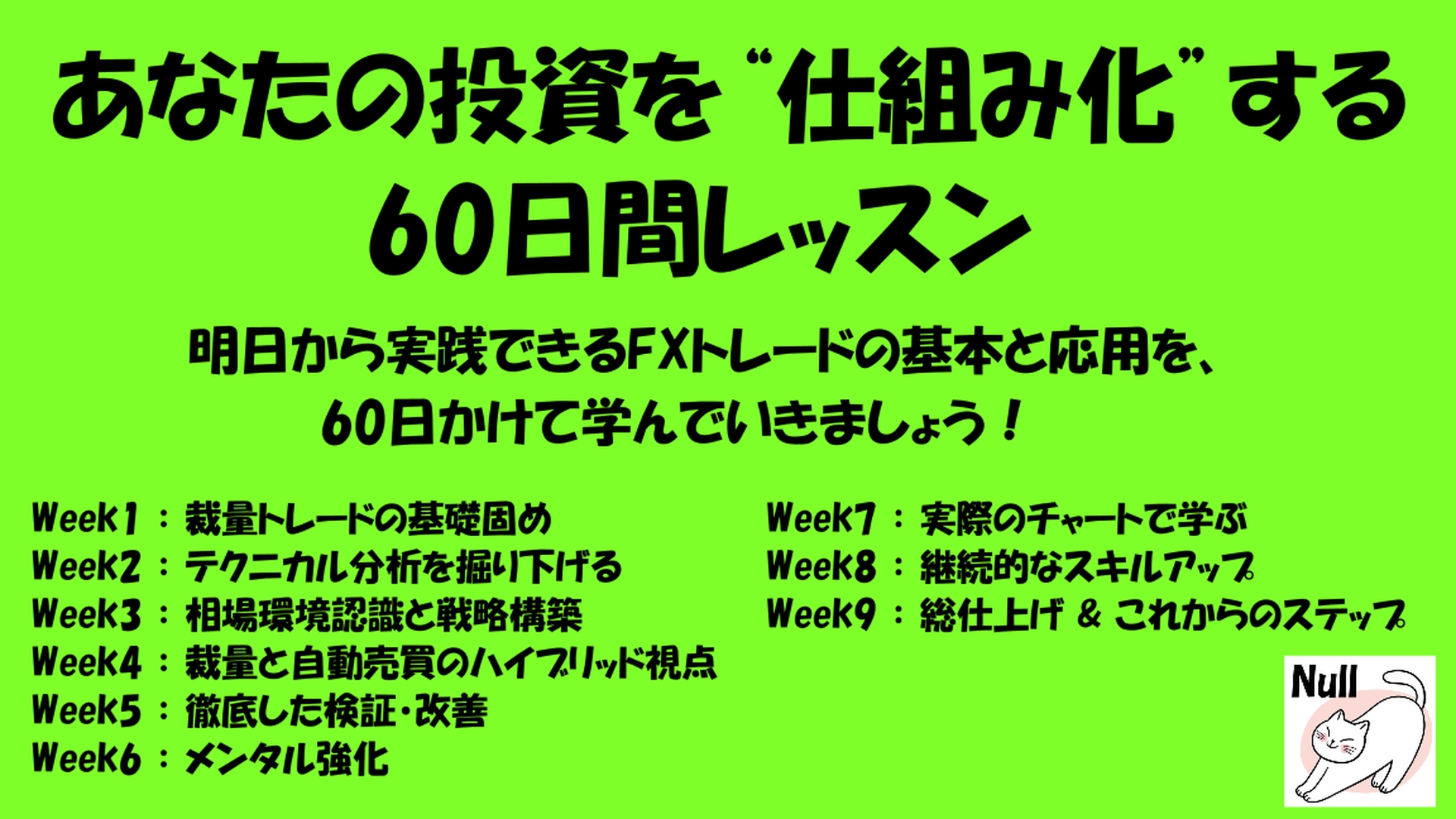
- As learned in Week 6, mental aspects connect to every area: chicken profit-taking, loss care, handling streaks, style compatibility, off-trade lifestyle, and correct vs. incorrect failures.
- In the long run, the most successful traders thoroughly manage their mental state and maintain stability without being swayed by short-term results.
- Along with testing, continuing mental strategies will cultivate a trading skill-set beyond temporary wins or losses.
5. Summary & future directions
Summary
- Week 6 (Mental Strength Month) covered a range of mental challenges—from “how to maximize profits” to “how to endure losses,” “how to handle winning and losing streaks,” “fit with your style,” “habits outside trading,” and “true vs. false failures.”
- Common thread: In every theme, it is crucial to view yourself objectively and build systems that enforce adherence to rules.
- Although drawdowns and losing streaks are inevitable, a stable mind enables proper stop-loss execution and reduces the chances of missing future winning opportunities.
- Off-trading life habits (exercise, sleep, meditation, etc.) build mental resilience, and traders who manage off-on transitions can sustain long-term success.
Next steps
- Next week (Week 7) will deepen learning by focusing on actual chart case studies.
- By presenting case-based explanations, you will more easily see how to apply the technical, fundamental, and mental management concepts in real markets.
- Please continue learning and upgrade your knowledge and mental skills comprehensively.
If you’re interested in automated trading, please also check the link below.
https://www.gogojungle.co.jp/users/147322/products
If this was helpful, I would be grateful if you click “Read more.”
Thank you.
× ![]()