
DAY 1: Establishing the Mindset as a Trader
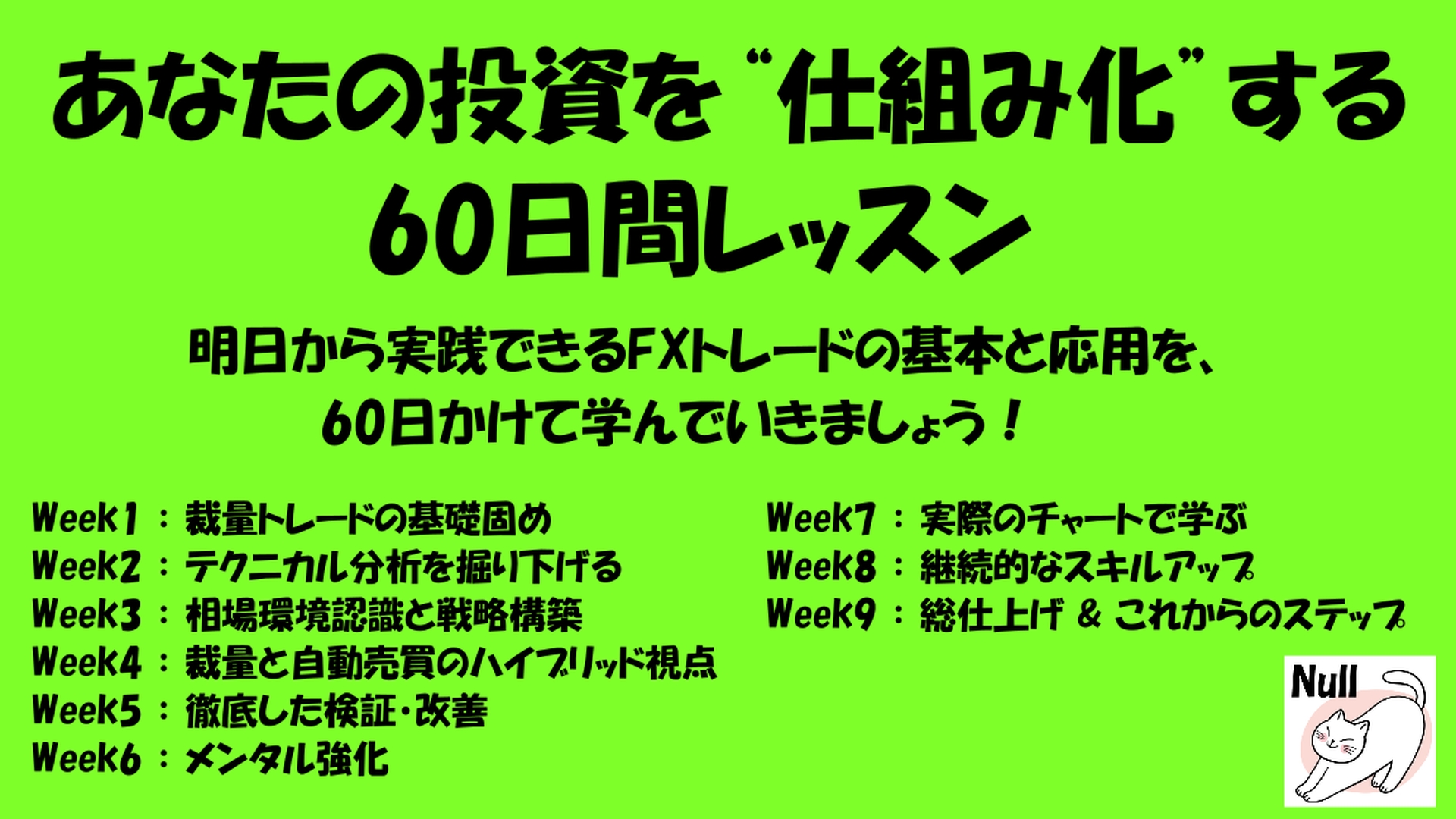
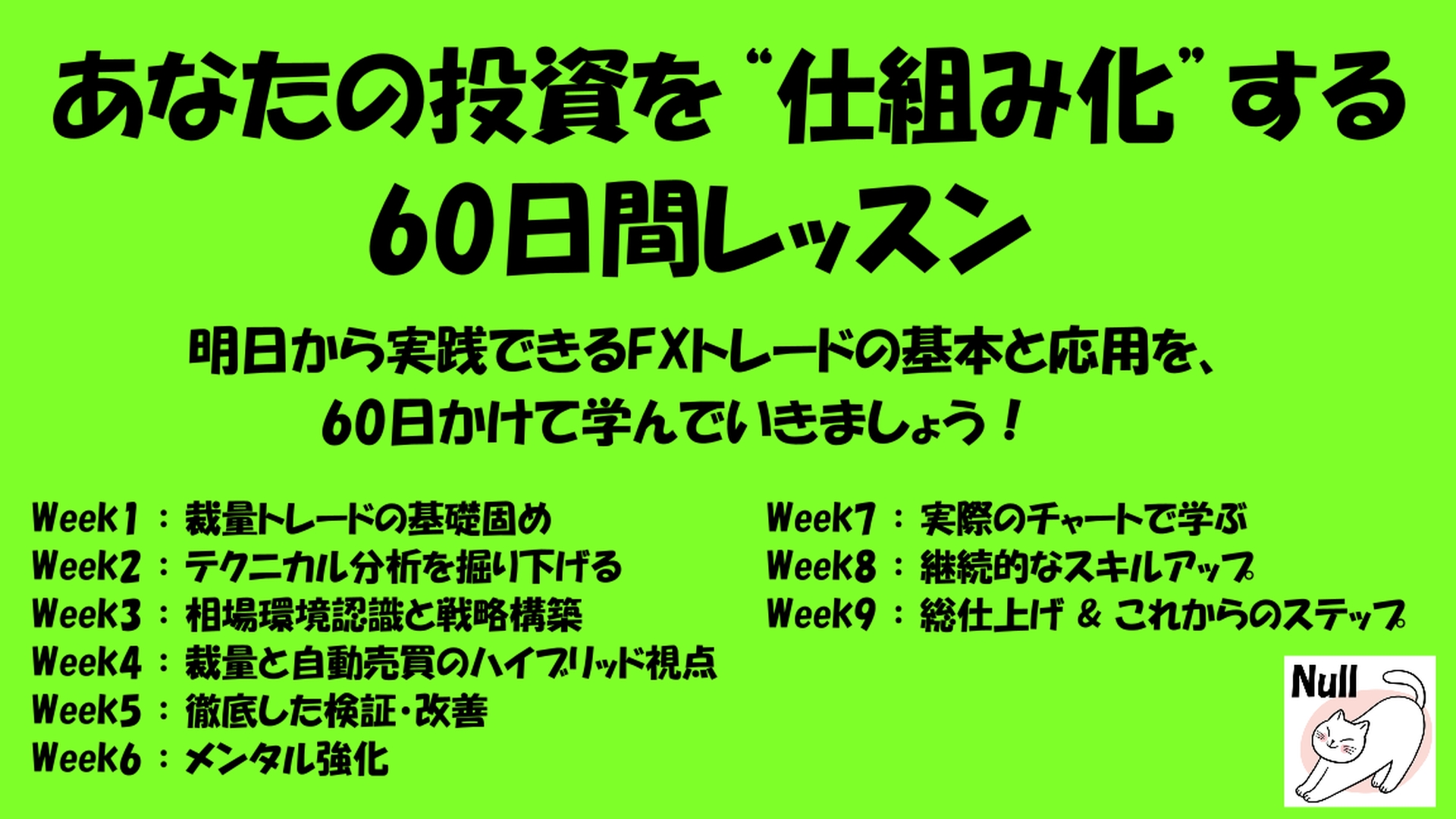
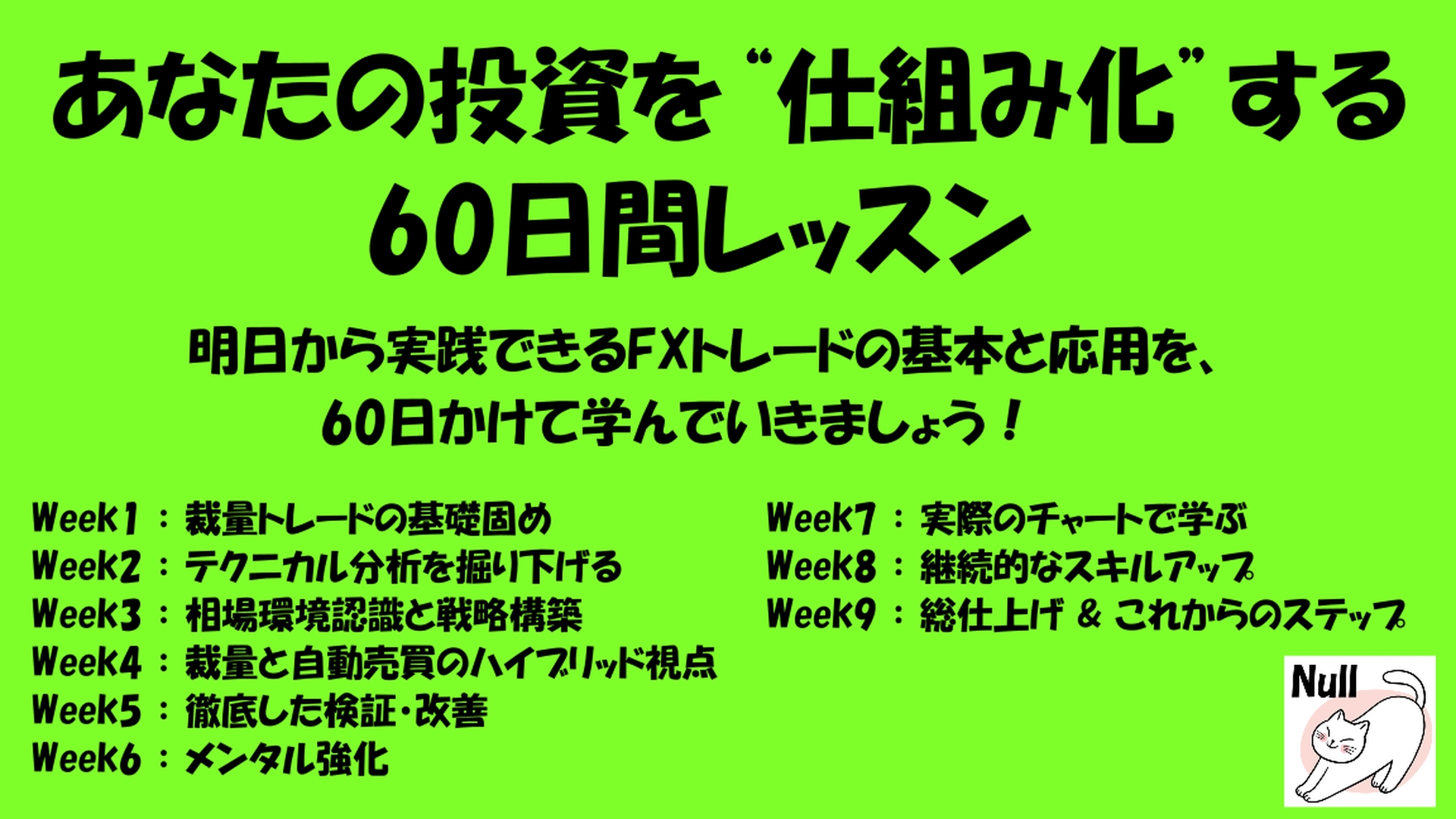
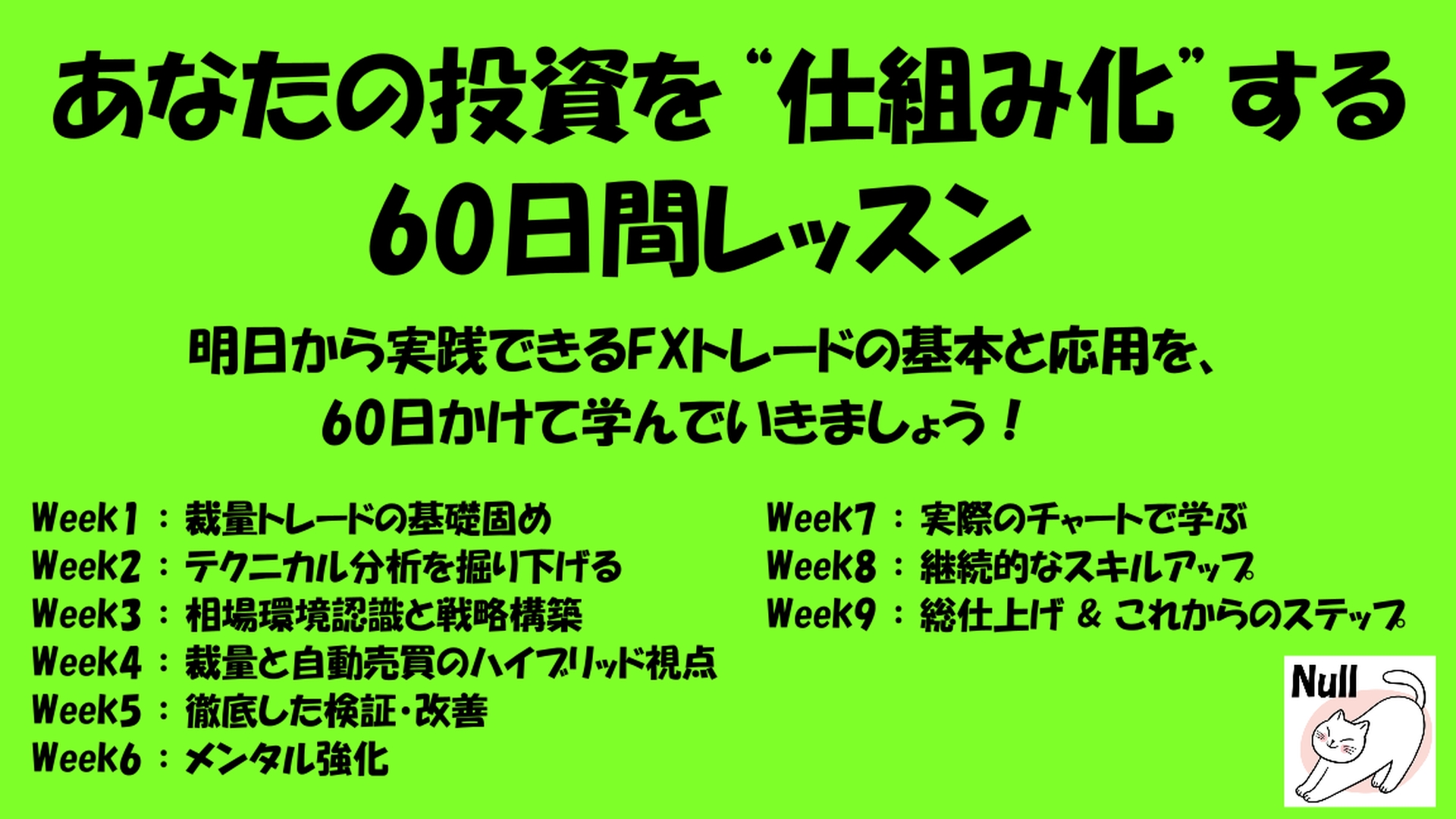
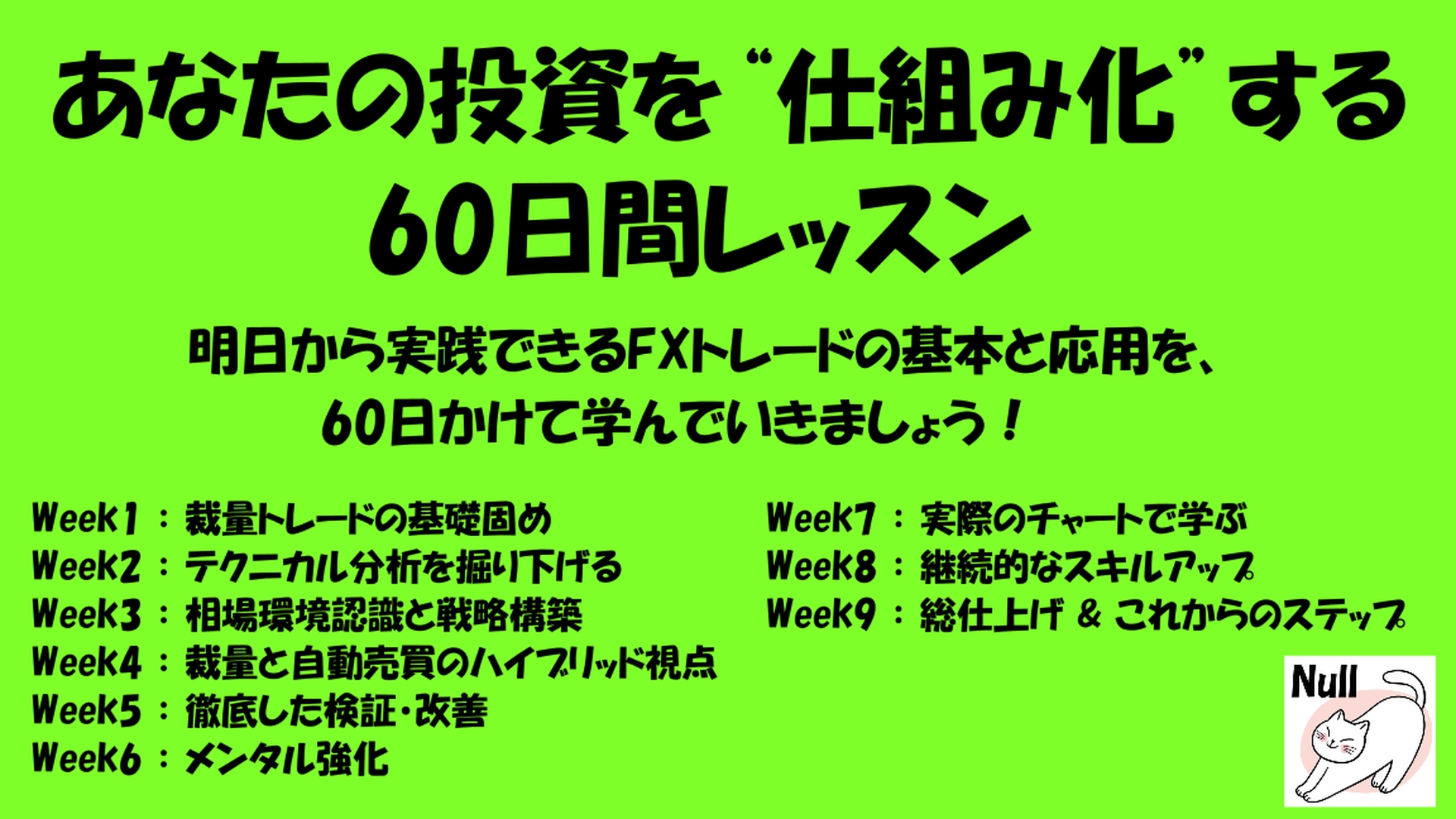
Nice to meet you. The 60-day learning journey starting today,
First, I will talk with the theme of “acquiring the mindset of a trader.”
Technical and fundamental knowledge are important, but even more essential is having a solid fundamental mindset such as “why am I trading” and “with what awareness do I intend to profit.” This is the big key to success.
1. Treat trading as a business
Two perspectives on how to make money
Many people sell their time for wages.
However, in trading you can earn money by leveraging the “systems” created by your knowledge and strategies.- For example, a company employee earns wages by “the time they worked” and the “roles they were given.”
- A trader has assets such as “knowledge and analysis” and “strategic logic,” which they use to generate profits.
In other words,there is a big possibility that you can keep earning money even when you are not working, as long as the system is running.
Losses are “costs,” profits are “revenue”
Many view trading losses as failures, but from a business perspective they are necessary expenses. No company can operate with zero costs.- Even if losses occur temporarily, if the long-term gains exceed them, the business will be profitable.
- What matters is how you manage costs (losses) and maximize the final profit (revenue − expenses).
With this mindset, you will likely be less prone to getting down on yourself after a single loss.
2. The importance of establishing “your own rules”
Don’t be swayed by external information
To maintain an independent perspective as a trader, you need to create your own rules and criteria.- It’s okay to参考 famous traders or opinions on social media, but ultimately you should decide by your own criteria.
- Even if you use a single indicator, aim to articulate why this indicator is effective for you.
A repeatable system becomes an asset
By clarifying trading rules and repeatedly validating and refining them,a reproducible strategyis formed.- For example, if you have a “buy-the-dip” strategy using moving averages and RSI, specify the conditions numerically and step-by-step.
- Once you numericize the rules, you can gradually automate them as you get more comfortable.
If you create such a “system,” even when you are occupied with other tasks, money may continue to grow (systematically as needed)—a future full of excitement becomes visible.
3. The idea of making money work for you
Active work vs. leveraging a system
There is a strong tendency to think, “I earn money only for the amount I work.” However, beyond trading, people who create some kind of “system” to earn income make profits even if they do not actively move—through funds or systems that generate profit.- Stock investment, FX automated trading, real estate investment… all represent examples of “running a system to earn money.”
- Once you create a system and rules that suit you, you can aim for profits without constantly monitoring the markets yourself.
Knowledge learned through discretion becomes a great asset
In the next 60 days, you will learn various basics and applications of discretionary trading.- Discretionary trading may seem bothersome, but first, it’s the foundation for building a system.
- The “seeing power” and “judgment” stored in your own head will be lifelong assets in any market.
And by combining those assets, and making a system that can run without you operating it as needed, you will see a higher level of investing life.
4. Small actions to start today
Put your goals into words
- “I want to reliably make an extra 50,000 yen per month”
- “I want to create a stable income source besides my main job”
and other specifics, write down the future you desire as concretely as possible.
Clarify your investable capital
- Divide funds into “money I absolutely don’t want to lose” and “money I can risk a little.”
- Recognize trading as a business with risk, and start within a realistic, manageable range.
Secure study time
- Even 15 or 30 minutes a day, for the next 60 days, dedicate time to “investment learning.”
- Incorporate it into your daily routine, such as during commuting or before bed, to keep it going.
5. Summary
- If you view trading as a business, you can have a clear view: losses are costs, profits are revenue.
- Create your own rules and continuously verify and improve them, and they become assets.
- In the future, leveraging the skills developed through discretionary trading to make money work for you is not a dream.
Over the next 60 days, as we learn about technicals, fundament al knowledge, and mental management from multiple angles, let’s nurture the seeds of “your system building” together. From DAY 2, we will dive into FX and basic trading terms and concepts, so please continue to enjoy learning.
If you are interested in automatic trading, please also check out the link below.
https://www.gogojungle.co.jp/users/147322/products
If you found this helpful, I would be grateful if you click “Continue.”
Thank you.