
DAY 43: Understand the market environment and fine-tune the strategy
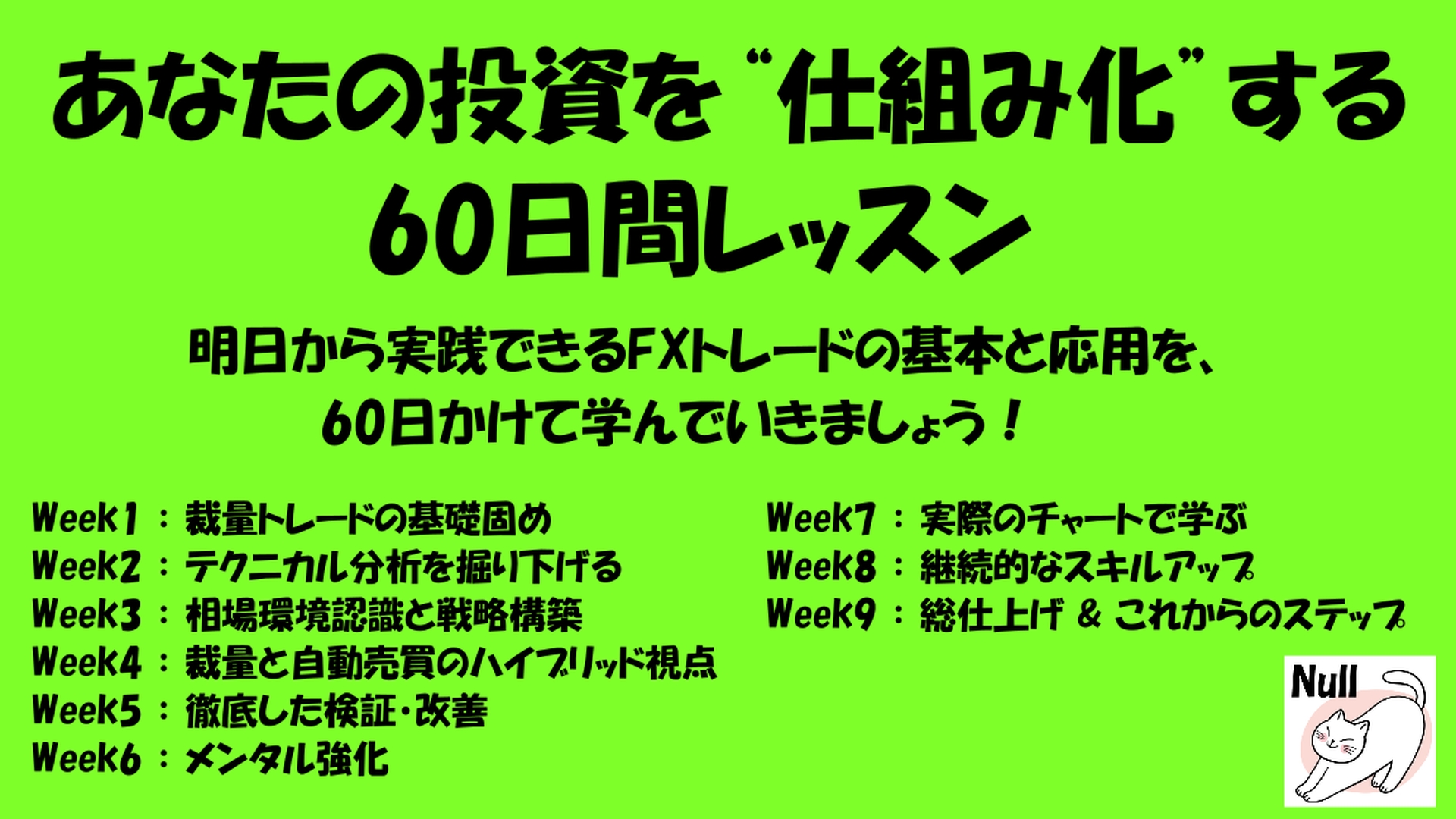
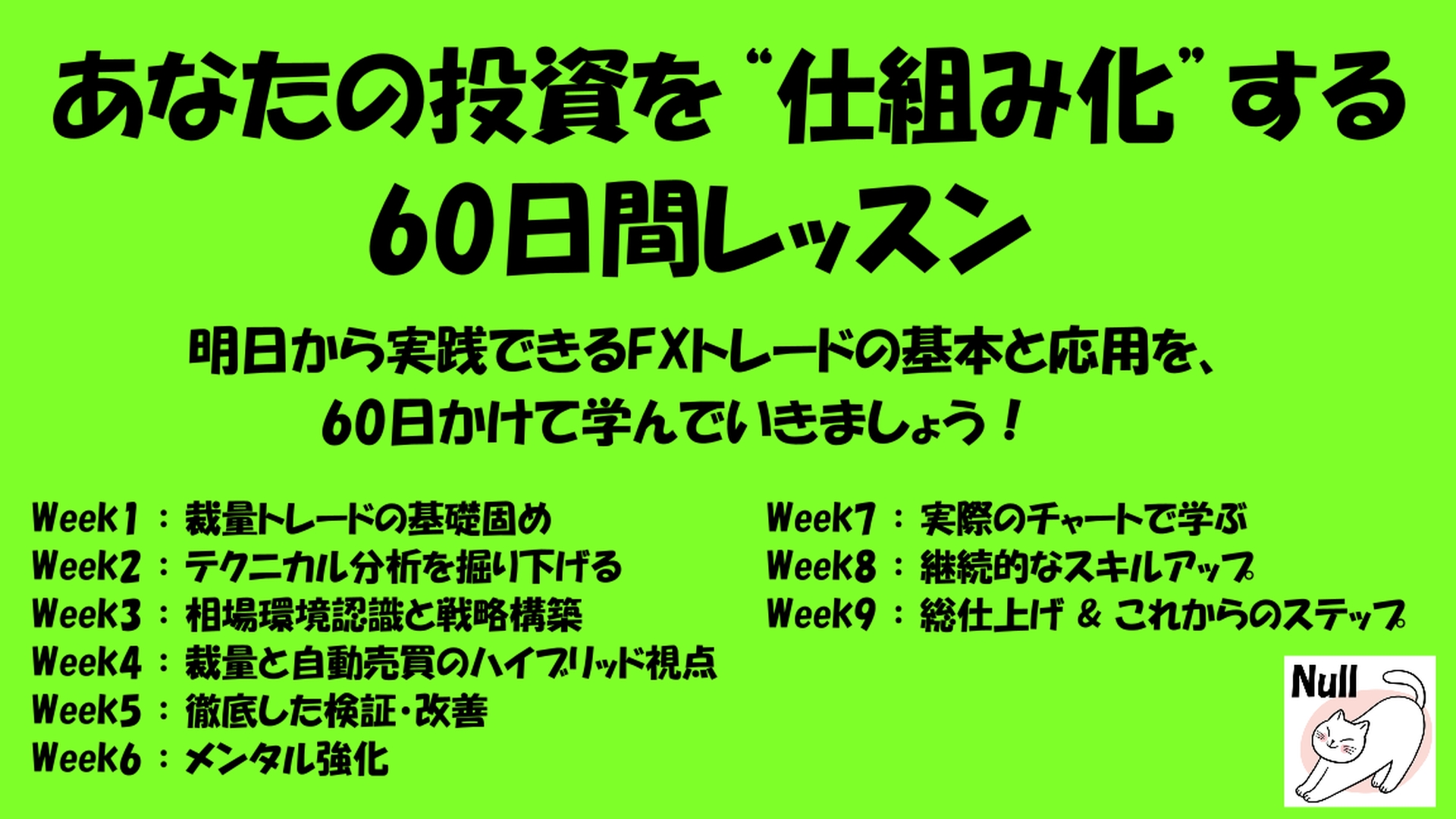
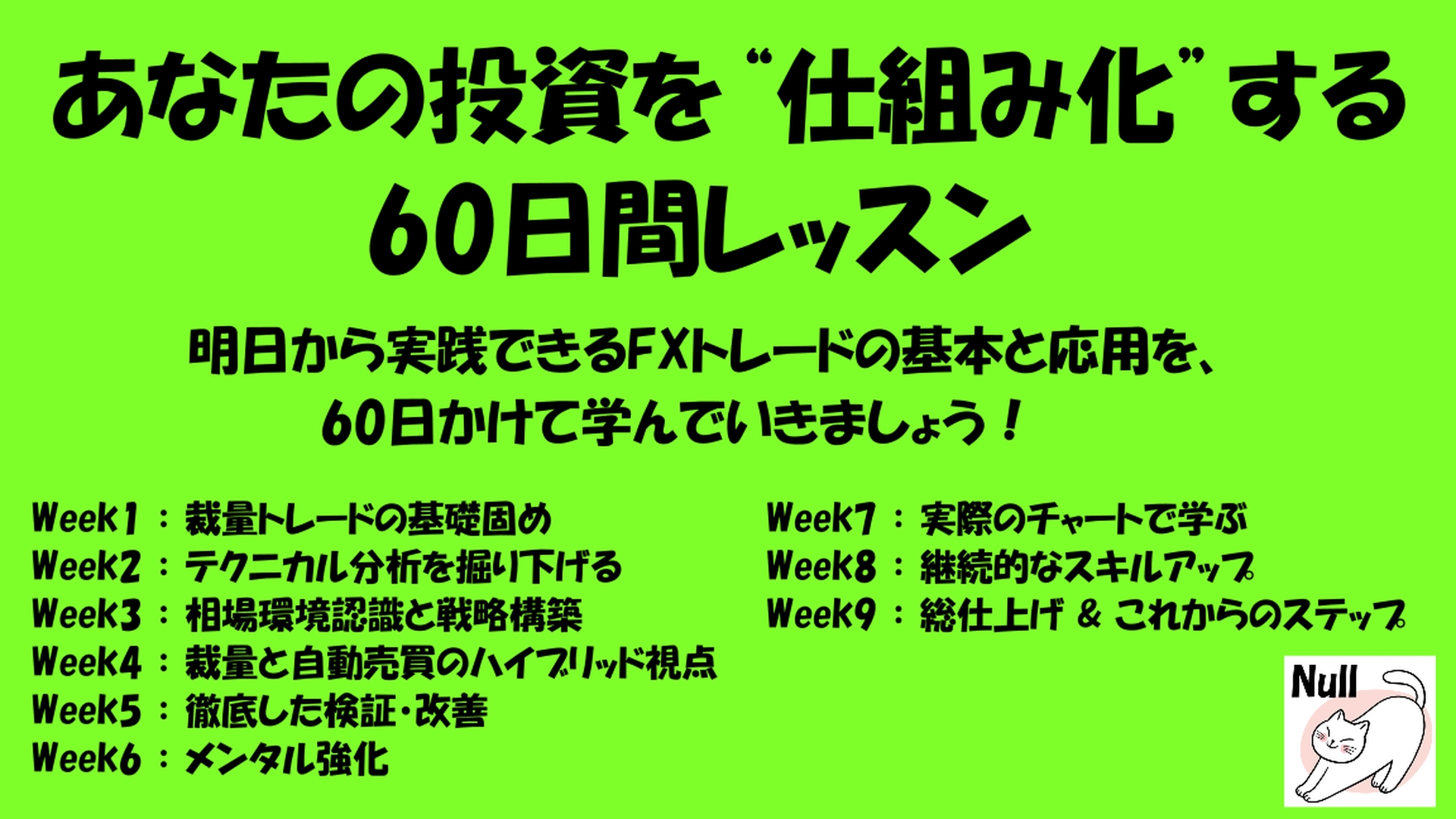
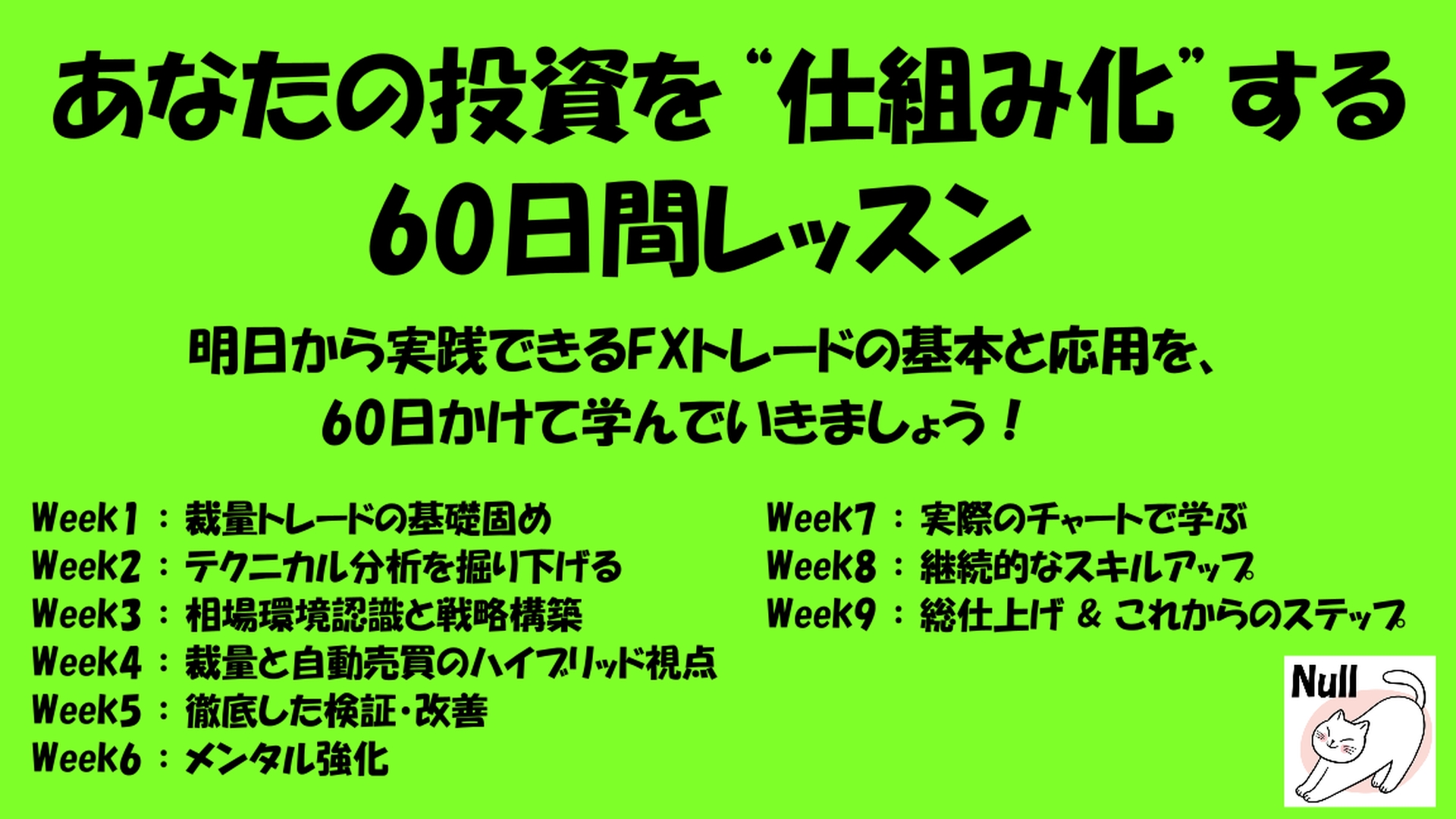
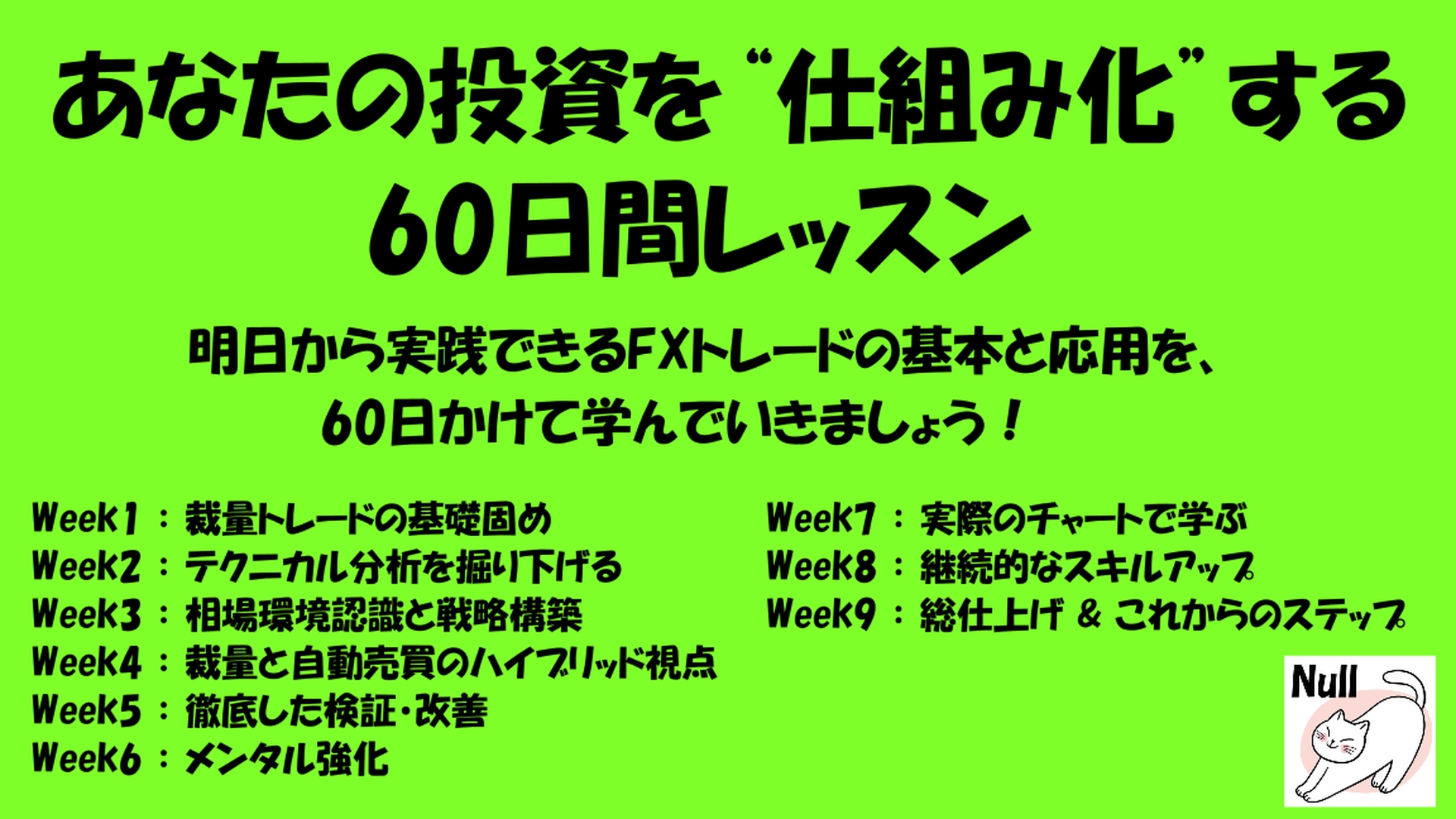
In WEEK6, we thoroughly studied strengthening the mental aspect, and by DAY 42 you gained a deep understanding of the importance of mental stability.
WEEK7will shift from the original plan to focus on the theme of “Market environment analysis and strategy fine-tuning.”
Trading is not just about continually using the same method; you must adapt your settings to the market conditions as they changeto survive. This time, let's look at that mindset and concrete steps to proceed.
1. Why is it necessary to change strategies according to the market environment?
-
The market is constantly changing
- Policy changes, indicators, geopolitical risks, etc., can turn trends from a few weeks ago into ranges or cause sharp declines.
- Have you ever experienced a method that performed well before, but failed when the environment changed?
-
Distinguish between favorable and unfavorable markets
- A logic that follows a trend using moving averages may have high win rate in trends but tends to lose in ranges.
- If you avoid fighting in unfavorable markets and aggressively trade in favorable ones, your overall performance can significantly improve.
-
Adjust risk management as needed
- In markets with frequent surges and drops, lower lot sizes, or pause EA operation before important indicators, etc., you need to continuously review risk management.
- If you trade the same lot size regardless of market conditions, you may experience big wins or big losses, leading to unstable results.
2. Main points to judge the market environment
(1) Technical judgment
- Slope and position of moving averages
- If MAs are in alignment (perfect order), it indicates a trending market; if they are flat, a range market is more likely.
- Squeezes or expansions of Bollinger Bands
- Narrow band width suggests a range, while widening bands indicate rising volatility in a trending phase.
- Dow Theory (new highs and new lows patterns)
- As highs and lows move higher, a clear uptrend; if they move lower, a downtrend; if there is no new high or low, a range.
(2) Fundamental judgment
- Economic indicators calendar
- Employment data, CPI, FOMC, etc., major events have a significant impact on the market.
- Since announcements can cause rapid changes, they can serve as a basis for “pause or adjust lot size.”
- Interest rate policy & political risk
- Central bank rate hikes/cuts and geopolitical risks (conflicts, elections) can generate major trends.
- Related currency pairs move more, so if your logic is trend-following, it’s a chance, but if it’s range-bound, be cautious.
(3) Market volatility
- ATR (Average True Range)
- Higher ATR means larger price moves and higher volatility.
- Adjust stop loss/take profit width wider or reduce position size accordingly as fine-tuning points.
- Stability of spreads
- If spreads widen frequently due to unexpected news, short-term scalping may not be suitable.
- Use as a criterion whether to pause automated trading (EA) or switch to a range strategy.
3. Examples of strategy fine-tuning
(1) ON/OFF switching
- In favorable markets: Fully operate the Trend Following EA and actively use discretionary approaches like buying on dips and selling on rebounds.
- In unfavorable markets: Pause the EA or reduce lots, and avoid forced discretionary trades.
- Around news releases: Avoid new orders 30 minutes before data releases,time-based ON/OFFis also possible.
(2) Change stop loss/take profit widths
- High volatility: Drawdowns can be large temporarily, so set stop loss slightly wider and reduce lot size accordingly.
- Low volatility: There are many false signals, so narrow the stop loss to reduce risk and trade in smaller increments within a range.
(3) Change currency pairs or timeframes
- Avoid problematic currencies: If you’re weak with pound-related pairs, shift focus to USD or EUR.
- Swing traders → when busy, main focus on 4-hour chart; when you have time, switch to 1-hour chartto adapt to changes.
4. Example: Case of Person A
- Originally fully operated the trend-following EA
- While winning on USD-related pairs, suddenly entered a range market and experienced more losses.
- Countermeasures
- Analyze market conditions → determine that moving averages are flat and the dollar index lacks direction.
- Pause the EA temporarily and adopt a discretionary small-lot mean-reversion range strategy.
- Before indicators, check “spread widening by currency” and adjust positions.
- Result
- Avoided a large drawdown, and when the market started forming trends again, re-engaged the EA.
- Total performance stabilized, and stress and mental fatigue after losing streaks decreased.
5. Caution: Avoid excessive optimization
-
“Over-adjusting” makes the method too complex
- Trying to adapt to various market environments by adding indicators can lead to a state where you don’t know when to enter.This can result in not knowing when to enter at all.
- Keep it simple with about 3–4 patterns such as “trend vs range,” “high vs low volatility,” “before indicators vs normal.”
-
Conduct verification and forward testing
- Even small adjustments should be backtested or forward-tested with small lots to confirm that the expected value truly increases..
- Market conditions can cause short-term result fluctuations, so try multiple times before judging.
-
Do not forget the mental aspect
6. Summary & the Week 7 flow
- Market environment analysis is essential: Check technicals, fundamentals, and volatility, and determine whether the market is trending or ranging, and timing around indicators.
- Strategy fine-tuning: Small, steady steps like ON/OFF switching, adjusting stop loss/take profit, and changing currencies or timeframes.
- Watch out for optimization traps: Do not overcomplicate; verify effects through testing and forward tests.
- Mental state alignment: Balance strategy with mental resilience—don’t drop lots immediately after losses, and avoid over-increasing position sizes after wins.
How to proceed in WEEK7
- In future articles (DAY 44 onward), we will delve into concrete ways to view market conditions (fusion of technicals and fundamentals),examples of lot adjustments and currency selection, and more.
- This will smoothly lead into WEEK8’sfinalization of the strategy and more advanced risk management.
If you’re interested in automated trading, please also check the link below.
https://www.gogojungle.co.jp/users/147322/products
If this was helpful, please click "Read more." We would appreciate it.
Thank you.