
DAY 41: The correct failure and the wrong failure
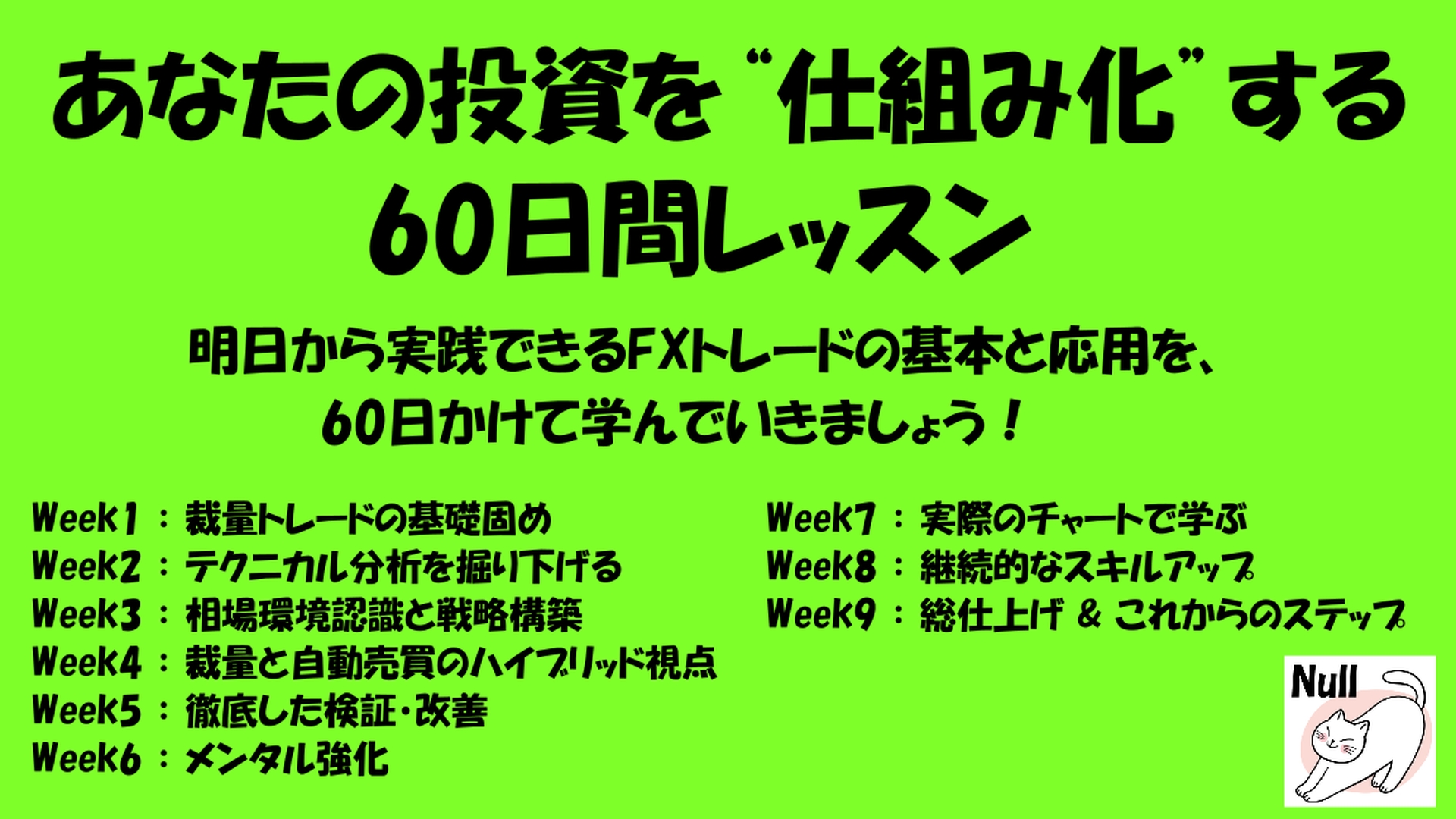
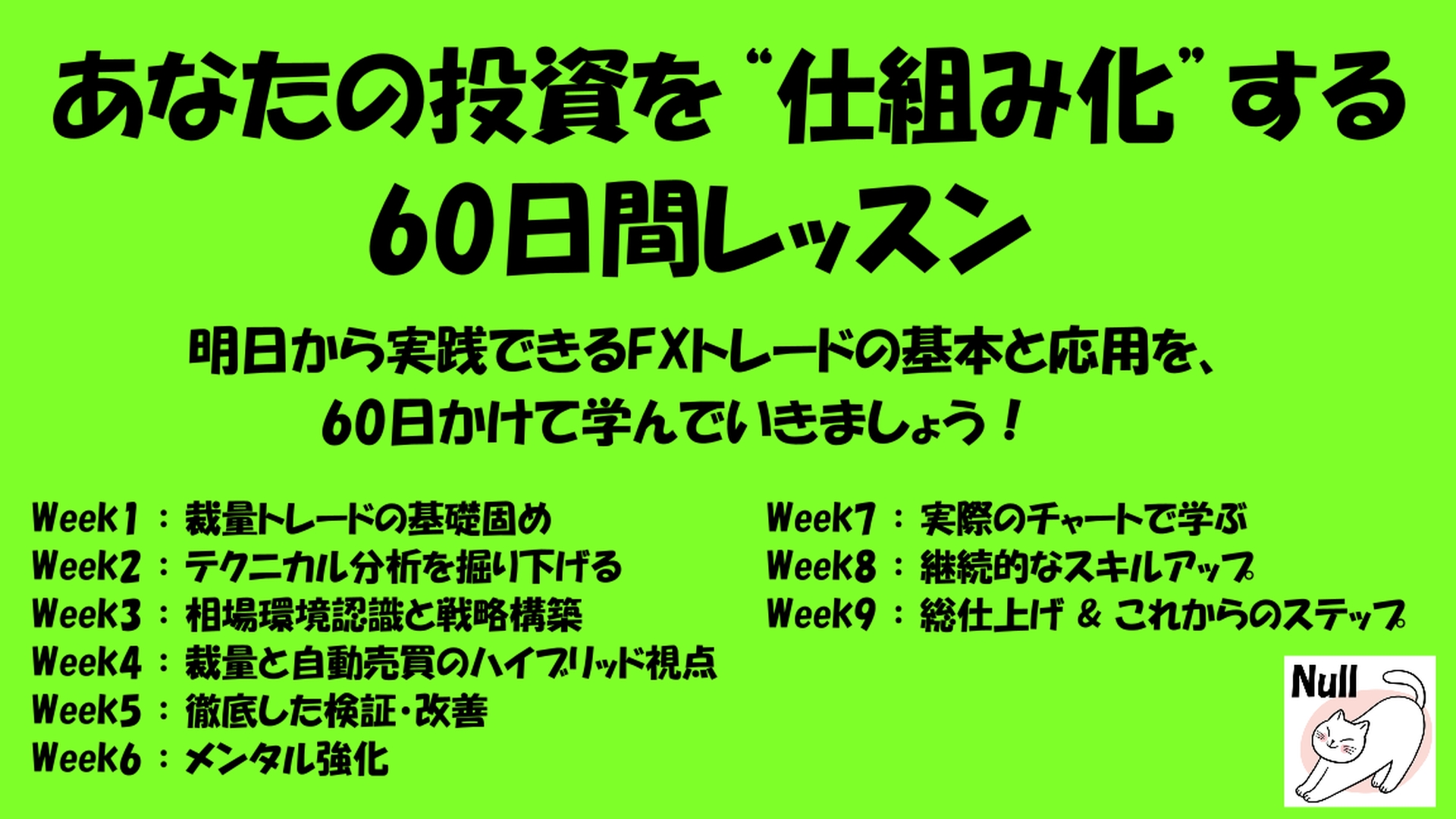
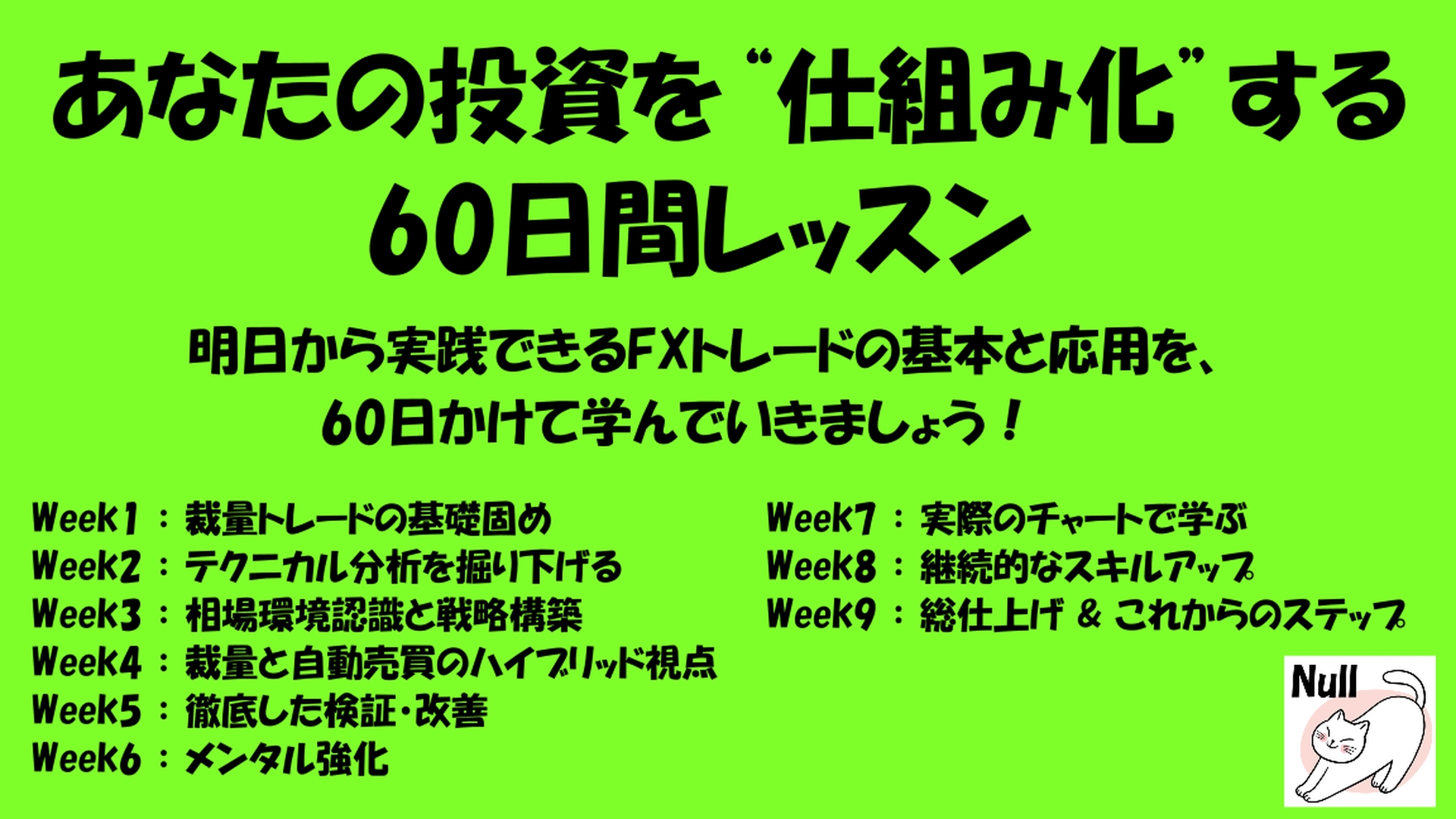
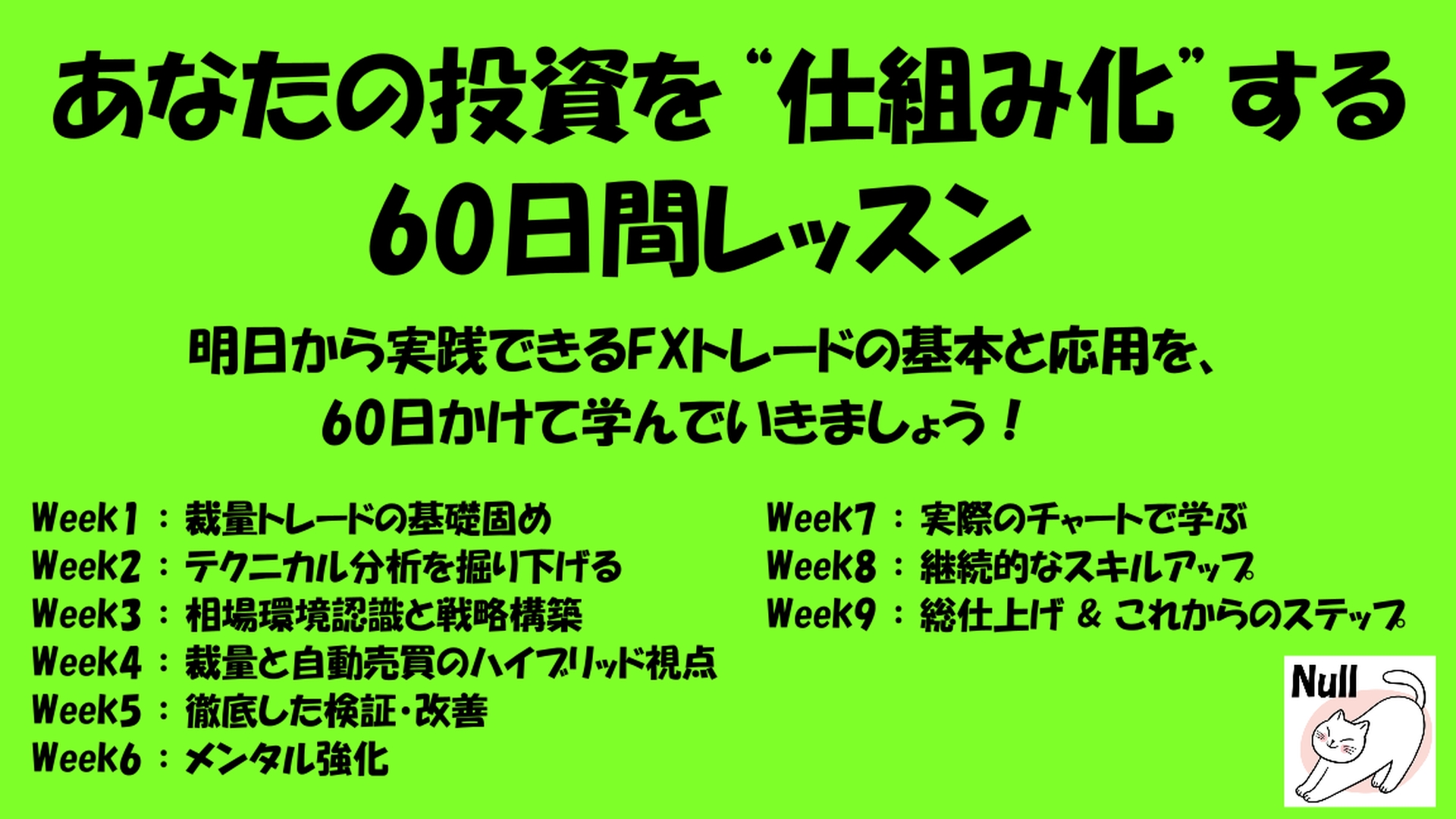
On DAY 40,“Habit building outside trading” from this perspective, we learned how daily habits such as exercise, sleep, and meditation lay the mental foundation.
Today’sDAY 41 will feature the late stage of Mental Strength Month with the theme of “correct failures and incorrect failures.”
In trading, losses (stop losses) are unavoidable, but whether you have a mindset to correctly classify the content of those failures and connect them to future successes determines long-term viability. This time we will explain from the viewpoints of “even if there is a stop loss, it’s okay if it’s a ‘correct failure’” and “ignoring rules leading to ‘incorrect failure’ must be improved.”
1. Failure does not equal loss
-
First of all, stop losses are a necessary expense
- There are almost no methods in trading that never incur a stop loss (even excluding averaging down, there is often a high risk of ruin).
- Rather than viewing stop losses as a “complete failure,” consider that losses cut according to the rules can be the correct action.
-
“Expenses” keep a business running
- Just as a restaurant has purchases and utilities, trading also incurs losses as a cost.
- What matters is that ultimately profit is positive, and if stop losses are appropriate, they can be called a “correct failure.”
-
A losing trade isn’t necessarily all a failure
- Because the market is uncertain, achieving a perfect win rate is impossible.
- As long as the expected value is positive, it is realistic to build a model where losses are included but overall profit accumulates.
2. Examples of correct failures
(1) Stop loss performed according to the rules
- Scenario: Entered based on MA cross or Fibonacci principles, and stopped out at 30 pips as planned.
- Situation: Resulting move went against us to -30 pips, but we lost while faithfully following the rules.
- Assessment:
- This is a **“correct failure.”** If the method has a positive expectancy, such stop losses are a necessary expense.
- This loss does not affect the next trade and can be included in validation data.
(2) Took a position off before a release and lost, but in terms of risk management it was correct
- Scenario: Closed positions ahead of a major economic release to avoid risk → after the release the market moved in the direction of our view.
- Situation: End result was opportunity loss and missed profit.
- Assessment:
- Considering post-release volatility,this was the correct action in terms of risk management.
- The advantage was that we were not pushed by wider spreads, and there is no need to regret it in hindsight.
(3) Entered but moved differently than expected, so cut losses early
- Scenario: When price action deteriorated, we cut losses early by discretionary judgment (-10 pips).
- Assessment:
- If your trade scenario collapses, cutting early is often the best action.
- Containing losses at -10 pips rather than dragging to -50 pips is better for psychology and risk-reward in the long run.
3. Examples of incorrect failures
(1) Ignoring the rules and delaying stop losses, making the wound worse
- Scenario: The loss should have been stopped at -20 pips, but waited, thinking it might come back, resulting in a loss of more than -100 pips.
- Assessment:
- Clearly a “incorrect failure.” There is no reproducibility and high mental collapse risk.
- An act that deviates from validation and statistics expectations.
(2) Gambler’s averaging down
- Scenario: Each time the market moved against us, we increased the lot size, eventually unable to bear it and forced a stop-out.
- Assessment:
- Lack of planning,a gambler who abandons risk management.
- Even if winning big is possible, it is a highly ruinous “wrong move.”
(3) After a big loss, impulsively trying to recover with a double push
- Scenario: After a series of losses, we doubled or tripled the lot to recover, leading to more losses and further damage.
- Assessment:
- This is also a typical “incorrect failure.” An emotional action that diverges from the verification logic.
- There is no guarantee of the next win, and bad luck could lead to account ruin.
4. How to increase correct failures and reduce incorrect failures
(1) Thorough stop-loss lines and a sense of conviction
- Often the reason for not following the rules is a lack of conviction in “why this line is cut.”
- If you verify with backtests and forward tests that “this setting yields sufficiently positive expectancy,” you will be more likely to adhere to stop losses.
(2) Clarify rule violations with a trading journal
- Record losing trades and clearly separate whether you lost according to the rules or because you ignored them.
- “Loss according to the rules” isa correct failure that leads to the next step, while others should be classified aswrong failures to be eliminated moving forward and improved.
(3) Prevent gambling by capital management and position sizing
- Standardize capital management such as keeping lots constant or even reducing lot size after a string of losses. .
- Even when the impulse to take large positions arises, if you have pre-set rules for self-control, you can hold back.
(4) Build small successes and positive experiences
- Losing once can break your heart if you cannot see how to recover.
- Gradually recovering losses while “following the rules even when you lose, yet overall you win” helps prevent excessive anxiety.
5. The link between mental state and success cycle
- Stable mental state = easier to follow rules = more correct failures
- Because you can accept necessary stop losses, you avoid big draws and series of losses.
- More correct failures = validation data and execution align = continued positive expectancy
- Losses that follow the rules are already accounted for in data, so as long as you stay long-term positive, it’s OK.
- More incorrect failures leads to self-destruction
- Emotional trading rises, divergence from validation appears, and wins/losses become erratic.
- Ultimately big losses occur, further breaking the mind in a vicious cycle.
6. Summary & next episode preview
Summary
- Correct failures: Stop losses according to the rules and planned losses that align with validation data.
- Incorrect failures: Ignoring rules, extending stop losses, doubling down to self-destruct, etc., actions that disrupt the expected results.
- Countermeasures:
- Understand and accept a rational basis for stop-loss lines and adhere to them.
- Reflect in trading notes whether you followed the rules or not.
- Enforce capital management to ban gambling-like trading.
- Foster a mindset that correct failures are the necessary cost for the next success.
Next (DAY 42) theme: Mental summary & Q&A
- Mental Strength Month Week 6 is also nearing its end. Tomorrow, we will comprehensively review items learned in DAY 36–41 such as “techniques to grow profits,” “care during losses,” “mental handling of winning streaks and losing streaks,” “alignment of personality and trading style,” and “correct vs incorrect failures,” and will also answer questions.We will provide a final mental wrap-up.
- Stay tuned!
If you are interested in automated trading, please also check here below.
https://www.gogojungle.co.jp/users/147322/products
If this was helpful, I would be grateful if you click "Read more."
Thank you.