

Ministry of Finance vs MMT! The Zaim Truth Church (Zaim Shinri-kyo) that calls it a debt has no intention to stop or repay, a contradiction
We will explain in detail the relationship between government fiscal management and inflation control, focusing on Modern Monetary Theory (MMT). MMT is a theory based on the idea that as long as a government can issue its own currency, a budget deficit is not a problem.
Inflation Control through Taxes
Taxes are not a source of government funds; they are tools to curb inflation. Tax increases are not for securing funds but to control inflation. Increasing government spending is believed to boost employment and energize the economy.
Evaluation of MMT
MMT is a bold theory that challenges the traditional notion that “a country's debt is bad,” but inflation is difficult to manage, so it has not been adopted outright. Nevertheless, it has influenced recent fiscal policy, and it presents a perspective different from conventional mainstream economics, with supporters and critics alike.
The Government Creates Money
There are two ways the government creates money: currency issuance and government bond issuance. Currency issuance is direct fiscal financing, but in Japan it is prohibited by fiscal law. Bond issuance, on the other hand, funds through the market and is a central method of government fiscal management. This makes it easier to implement policies to stabilize the economy, but as a result, the national debt balance continues to rise.
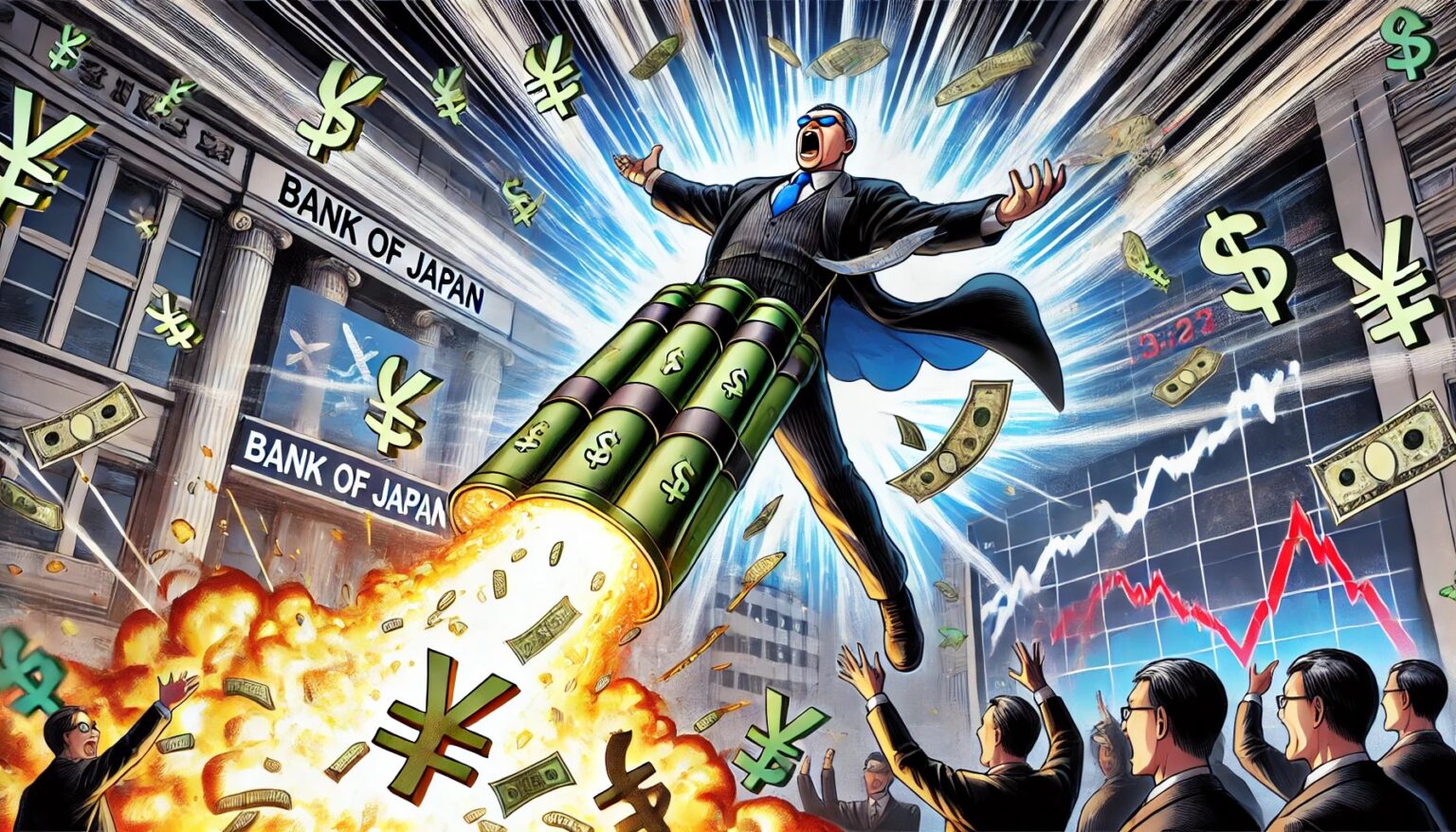
Kuroda's Bazooka
Inflation, if moderate, can be beneficial for economic growth, but if it cannot be controlled, it destabilizes the economy. For example, the large-scale monetary easing policy known as the "Kuroda Barrage" led to yen depreciation and a rise in stock prices, but inflation did not reach the expected level.
Wages Do Not Rise
Behind this is the fact that major corporations benefited from yen depreciation and earned foreign currency, but did not pass those profits to workers as wage increases, instead expanding internal reserves. Additionally, the impact of a consumption tax increase reduced households' disposable income, which also contributed to suppressed consumption.
Changing Consumer Mindset
Furthermore, years of deflation have made the public's consumer mindset cautious, and even when prices rise, spending tends to be restrained. As a result, the wealthy increased their assets through rising stock prices, while ordinary people suffered from stagnant wage growth and higher taxes, widening inequality, a tragedy of our times.

Debt That Does Not Need Repayment
One reason for issuing government bonds is to maintain fiscal discipline and market trust by taking on debt. However, in reality, government bonds are refinanced with new bonds, so they are effectively debt that does not need repayment. Furthermore, if inflation progresses, the real value of bonds falls, which benefits the government.
Ministry of Finance Will Not Stop Issuing Bonds
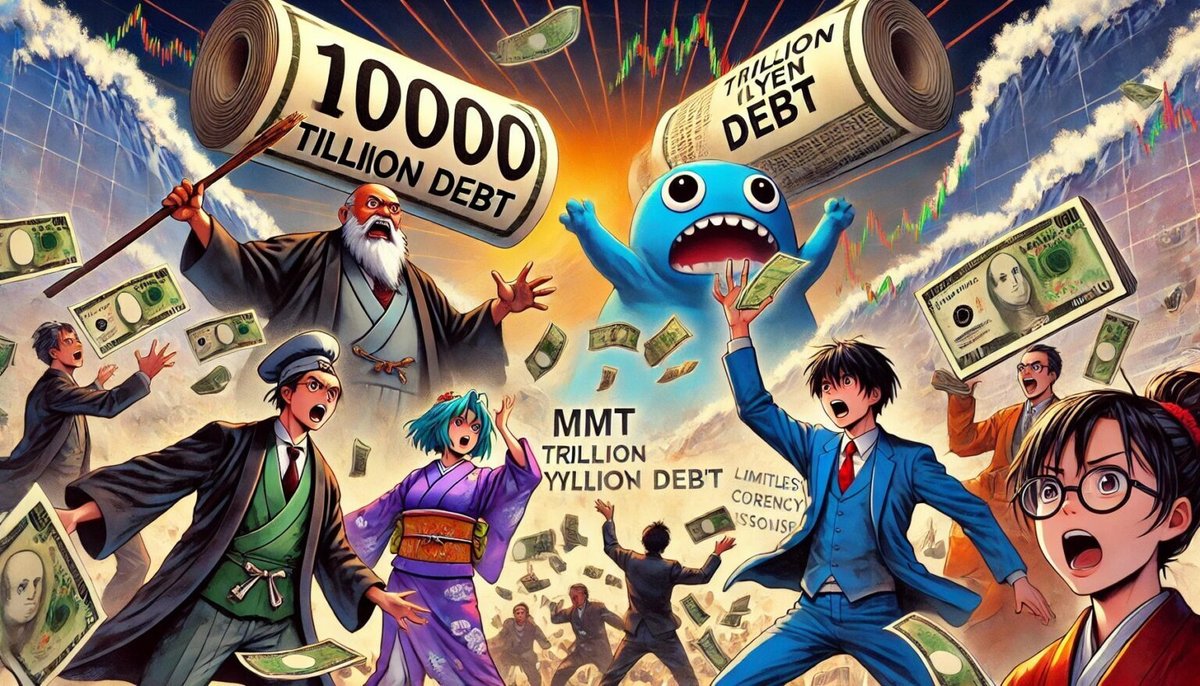
In the first place, it seems the Ministry of Finance is not considering shrinking bond issuance or even repaying them. In reality, by continuously refinancing, the system can postpone repayments essentially indefinitely, making government bonds infinitely issuable. Nevertheless, in educational settings, there is an indoctrination that “Japan is in a serious debt situation,” which misleads the public.
Pros and Cons of Consumption Tax
Tax increases are generally viewed as securing funds, but from an MMT perspective, their main purpose is to control inflation. At first glance, it seems that changing the consumption tax rate could control inflation, but in reality, the effects are significant and come with substantial risks.
2019 Consumption Tax Increase
In 2019, when the consumption tax was raised, Prime Minister Abe stated that increases would proceed unless a crisis on the scale of Lehman Brothers occurred. However, the subsequent COVID-19 shock in the following year caused a far more serious impact on the global economy than Lehman.
Evaluation of Abenomics
The consumption tax increase is believed to have been made in agreement with the Ministry of Finance, but without this increase, Abenomics might have been viewed more favorably. In particular, raising the consumption tax before the effects of monetary easing could boost domestic demand, which, in turn, restrained growth and reduced the momentum of economic expansion.

Inflation Control Not Achieved
Japan has endured over 30 years of economic stagnation and has not achieved proper inflation control. While prices rise due to a weaker yen, wages do not rise, and many people struggle with higher living costs.
Poverty from Disposable Labor
Originally, yen depreciation should have boosted export profits and then passed on to wage increases, but disposable workers—non-regular and part-time labor—are overused as disposable personnel, further deepening poverty among younger generations.
Poverty Gap
Financial policies like Abenomics and the Kuroda Bazooka largely benefited the wealthy who held financial assets, while ordinary people had to cut costs to cope with rising prices. As a result, inequality grew and the economy polarized in Japan.
Inflation Control is Everything
The government continues to issue bonds, aiming to maintain “moderate inflation” as an ideal strategy. As inflation progresses, the real debt burden diminishes, making repayment easier. Also, tax increases are often used not for securing funds but for inflation adjustment.
In business and politics, an “above-things-feel-no-pain” structure has become commonplace, and the public needs to see through it. It can be said that debt is almost non-existent, but only as long as moderate inflation can be maintained. The government's inflation-control ability is the key to all of this.
Japan today has not managed to achieve proper inflation control after more than 30 years of economic stagnation. The ongoing inflation is not driven by domestic demand but mainly by rising raw material prices due to the weaker yen. Exporting companies benefit from the weak yen, but domestic demand is heavily affected by price increases, especially for essentials and energy, squeezing household budgets. Given this situation, it is time to implement tax cuts and pursue policies that balance moderate inflation with economic growth.
If policies focusing only on fiscal consolidation suppress consumption, sustainable economic growth cannot be achieved. Proper tax cuts and adjustments to fiscal spending to restore households' purchasing power will be the key to achieving a healthy inflation environment.

Unfortunately, No Benefit for the Common People
The most noticeable change under Abenomics and the Kuroda Bazooka was in stock prices, which primarily benefited the wealthy who held financial assets. Meanwhile, many ordinary people adapted to a deflationary environment, with stagnant wages and a stronger tendency to save and deprioritize spending, embedding a culture of not spending. Companies, too, shifted toward price competition in a bid to cope with prolonged deflation.
The wealthy expanded their assets through rising stock and real estate prices, while ordinary people saw little benefit from stock market gains. The Nikkei average rose from the 9,000s in 2012 to over 30,000 by 2024, but those who did not invest in stocks gained almost nothing and instead faced growing inequality. “People with financial assets became richer, while those without assets continued to seek cheaper goods”—the greatest tragedy of Japan’s deflation era.
Moreover, even as the yen fell, the benefits to the general public were minimal. Ideally, the flow should have been “yen depreciation → export sector thrives → corporate profits rise → wages increase,” but companies kept profits as retained earnings and did not pass them to employees. On the other hand, rising import prices directly hit households. Since wages did not rise after 2020, people had to intensify their focus on saving and low-cost living.
Thus, while monetary easing under the Kuroda Bazooka greatly benefited asset holders, the lack of wage growth meant ordinary people felt little benefit, contributing to widening inequality.
Reflecting on history with “what if” is not useful. However, applying past lessons to future choices is possible. It may be difficult for ordinary people to have direct influence on government monetary policy, but understanding the economy and optimizing one’s own actions is possible. Each of us must analyze economic trends and make sound judgments to build a more prosperous future.
A completely risk-free trading simulator to practice and verify freely!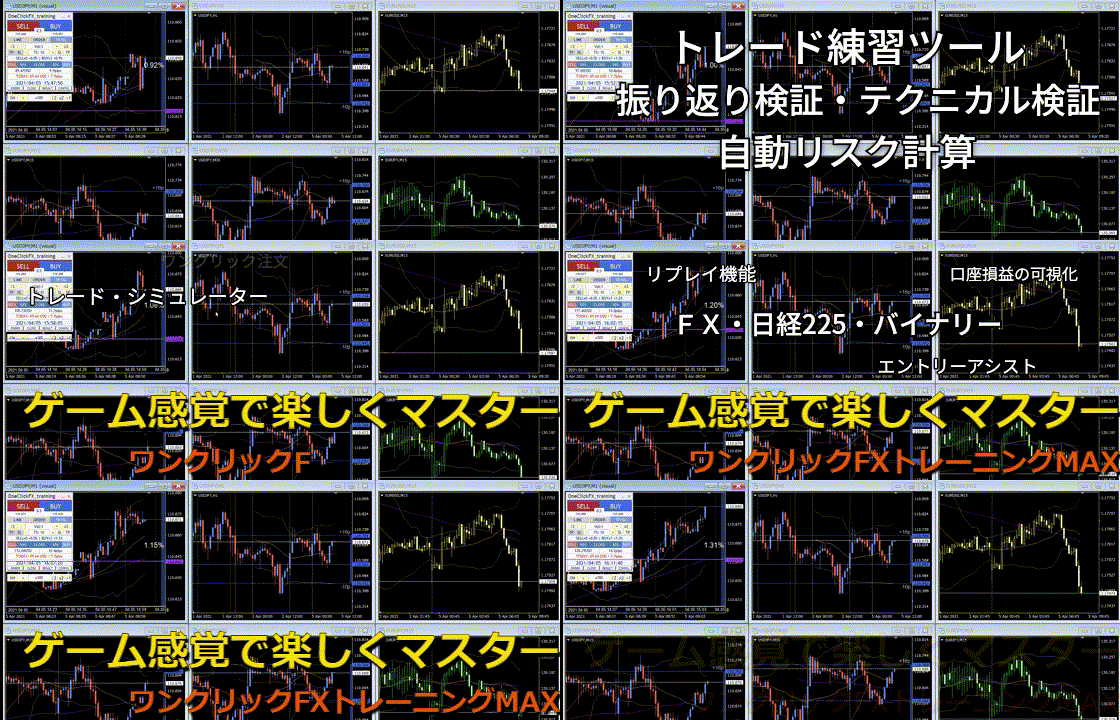
Detail page for One-Click FX Training MAX