
President Trump forced to end the press conference! Was there any issue with Prime Minister Ishiba’s response?
Very good answer! Meaning
In the joint press conference of Prime Minister Ishiba and President Trump, questions about tariffs led to an unprecedented development where President Trump suddenly ended the press conference. Observing Ishiba’s attempt to avoid a concrete response, Trump commented with a smile, “That is a very good answer,” and removed his earpiece before leaving. This handling could be considered rude in Western diplomatic settings, and at least it suggests the talks were not a great success.
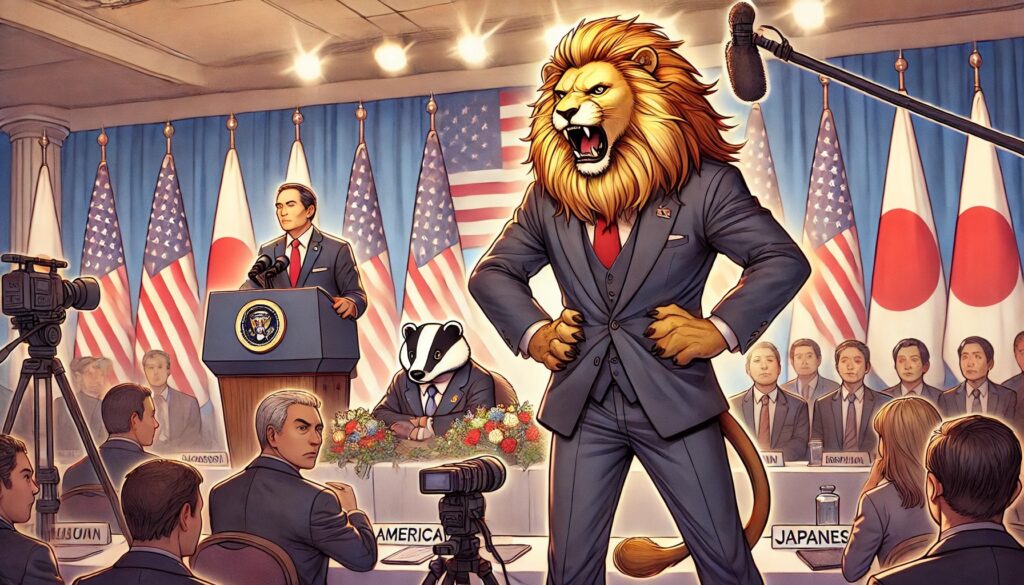
Prime Minister Ishiba, not understanding what had happened, looked around nervously as an interpreter came to meet him where he was walking. This scene might not be seen except in the uncensored smiles from NIKONI here.
Ambiguous Answers
In the West, failing to provide a clear answer to a question can be seen as “ignorance” or “irresponsibility.” In Japan, the virtue of “son-taku” (anticipating others’ needs) is valued, but in the West, the culture of “reading the room” is weaker, and there is a tendency to demand a clear opinion. Therefore, the ambiguous response regarding tariffs may have given an impression of Japan’s lack of negotiation power.
Approach toward the end of the war
This kind of ambiguous response has historically had significant diplomatic consequences. As World War II was nearing its end, the Japanese government did not provide a clear answer to the Potsdam Declaration, which the United States interpreted as a “refusal,” contributing to the tragedy of the atomic bombings. This historical example shows how crucial a clear stance can be.
Talks dragged on too long
Furthermore, Ishiba’s conduct at the press conference was criticized. His posture during photography and his lengthy remarks during the conference were questioned as to whether they reflect the qualities expected of a leader on the international stage. Western press conferences typically require concise, to-the-point answers, so long-winded explanations can backfire.
Being left behind is hard to avoid
In this summit, Japan’s tangible outcomes were hardly seen, leaving the impression that Japan lagged behind. Despite Akie Abe’s role in laying out a path for the talks, delaying the process probably represented a significant opportunity cost. If the president had taken office before January 20, a simple face-to-face meeting might not have posed a problem.
Policies already being enacted
However, the Trump administration has already been implementing major policies one after another, and Japan has fallen behind these developments. In particular, the hinted introduction of “mutual tariffs” could have a large impact on the Japanese economy.
Challenges for Japanese diplomacy
From the results of this meeting, it seems Japan’s diplomatic strategy faced challenges. Going forward, a more proactive approach and clearer messaging will be required. Especially, to protect national interests while strengthening the Japan-U.S. relationship and securing a position in the international community, decisive leadership is indispensable.
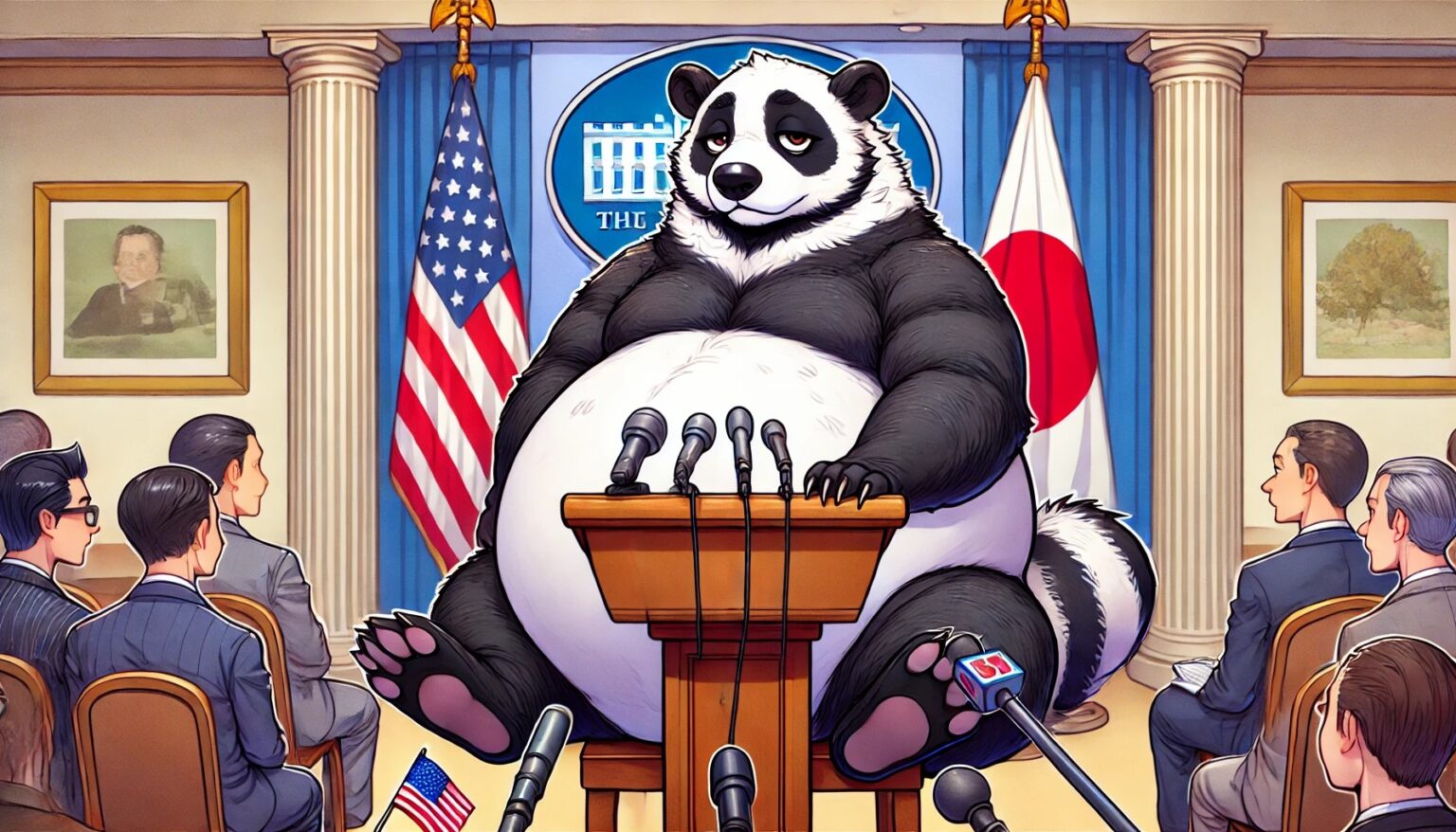
What kinds of demands will Japan face?
Overall, the Japan-U.S. summit and joint press conference suggest Japan may have missed several important diplomatic opportunities. In particular,
- An unprecedented situation where President Trump abruptly ends the press conference
- Revealed lack of communication from Prime Minister Ishiba
- Japan’s response was slow, with almost zero tangible results
- Ambiguous answers potentially increasing diplomatic risk
In particular, Trump’s explicit statement about “introducing mutual tariffs” and that it would be announced “on Monday or Tuesday” is highly significant. Yet in Japan, media coverage on this matter appears sparse, and the potential impact seems underestimated.
Domestically, coverage praising Ishiba is common, but this seems to reflect low expectations rather than a display of Japan’s stance or achievement.
After returning home, he remarked that the “$1 trillion” comment was “something for the private sector to handle,” suggesting limited governmental involvement, and he also mentioned inviting for the Expo, which can be seen as optimistic.
Whether he can remain prime minister until the next election remains in question, but it also seems unlikely there will be another summit.
Reflecting on Japan’s late-stage handling of the war’s end, political decisions could have cost lives. This summit was not merely a press conference for entertainment; the strategic maneuvering could become a major trigger.
As a fact, President Trump is pushing structural reforms one after another. If there had been a major tariff announcement, it could be argued that Ishiba’s remarks were a contributing cause.
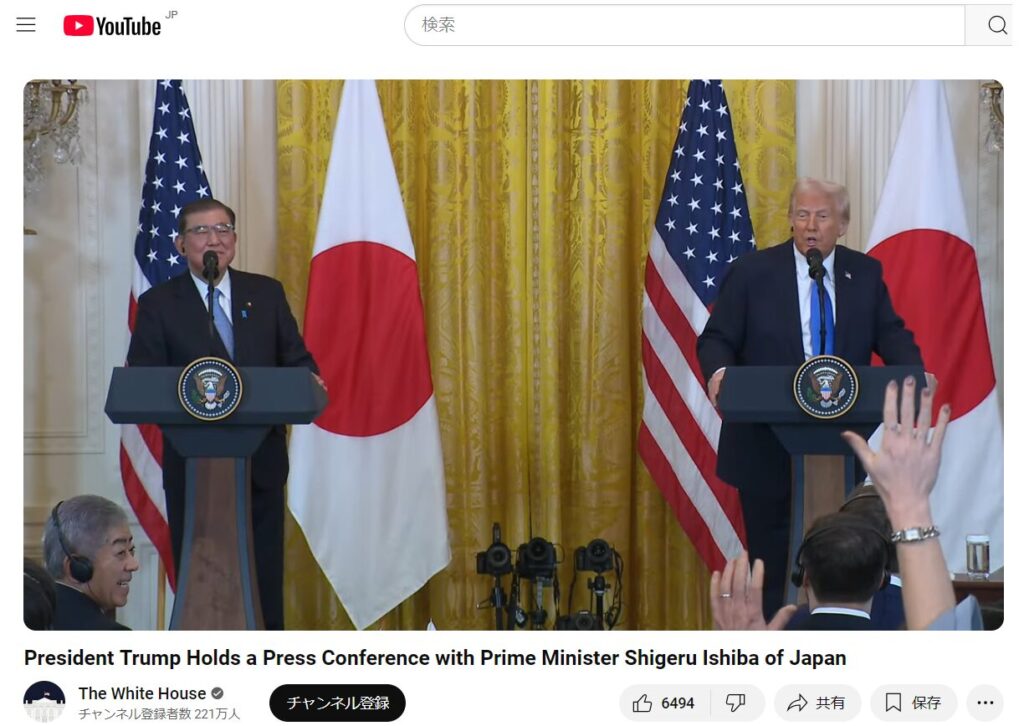
Source: President Trump Holds a Press Conference with Prime Minister Shigeru Ishiba of Japan https://www.youtube.com/watch?v=jMiAE9X-Wig
Looking back at the footage, in the moment of this statement, Foreign Minister Iwaya, who was in front of Ishiba, is captured with a broad smile. Perhaps there was something funny to him. This is purely conjecture.
If high tariffs are introduced, they are expected to significantly impact Japanese export companies. Firms that benefited from a weak yen could be hit harder, and a shift to a stronger yen is possible. As a result, stock prices may fall, the economy may slow, and wage increases may not occur.
In order to avoid such outcomes, a more proactive diplomatic strategy and leadership are required to protect Japan’s national interests, strengthen the Japan-U.S. relationship, and secure a position in the international community.