
Because I’m an FX trader! Prediction of the Nikkei average falling below 40,000 and how to respond
Hello, I’m a cat owner. Today I’d like to talk about news that is very shocking for everyone. The Nikkei Stock Average has finally fallen below 40,000. I’m sure many of you were surprised to hear this news, but in fact, this outcome was something FX traders could predict.
First, let me explain the background of why this happened. The reason the Nikkei average fell below 40,000 is that several factors overlapped. The current global economic uncertainty, and especially the impact of U.S. interest rate policy, play a major role. When the United States raises rates, capital flows into the U.S., and capital is withdrawn from Japan’s stock market.
Furthermore, there are various problems domestically in Japan. Inflation effects and the government’s economic policies’ lack of transparency are also influencing outcomes. These factors combined led to the Nikkei average dropping below 40,000.
Now, to the main point. For us FX traders, why were we able to predict this situation? The reason lies in our market perspective and analytical methods as FX traders. We monitor trends in the forex market daily and also keep a close eye on stock market movements that are affected by it.
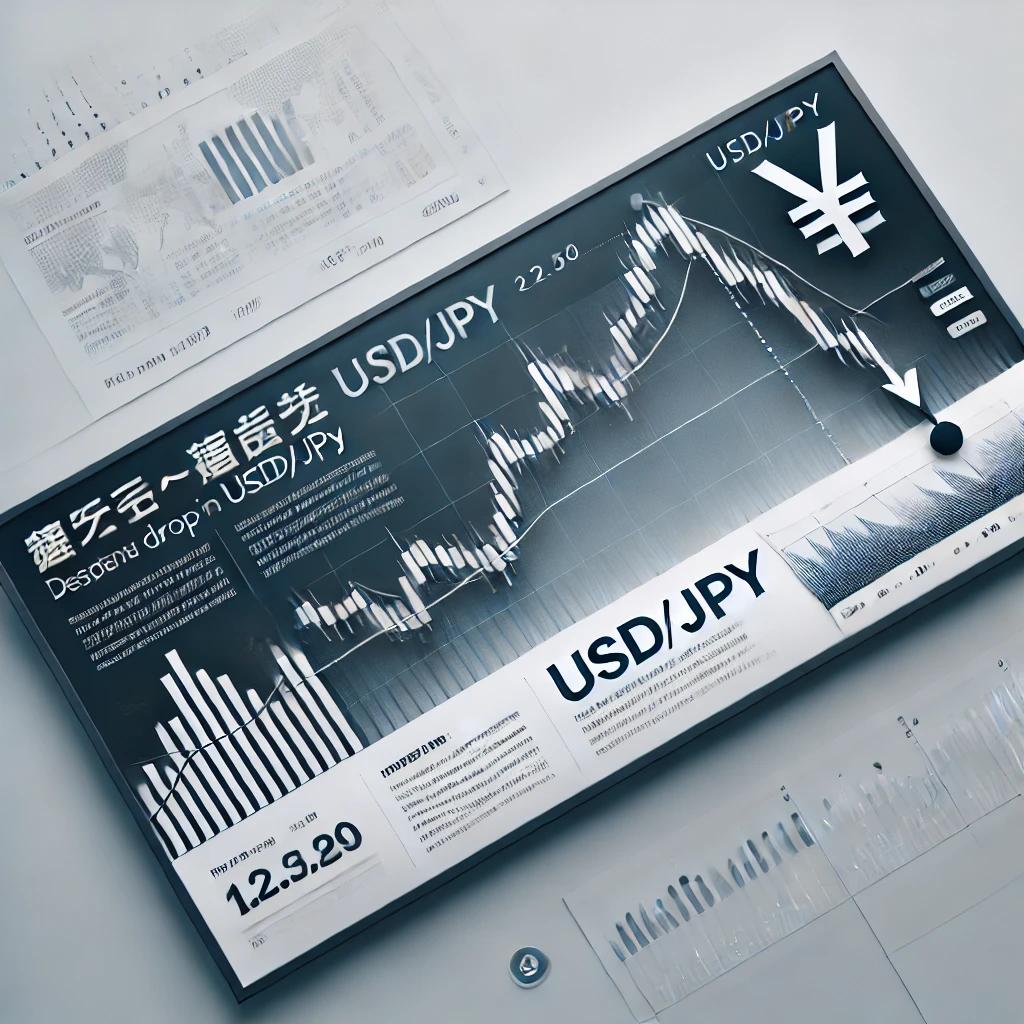
For example, the recent movements in the dollar-yen pair. When the dollar-yen rises sharply, Japanese companies’ export competitiveness weakens, often negatively impacting stock prices. From such movements in the foreign exchange market, we can forecast the Nikkei’s direction.
Also, the technical analysis we use is extremely important. We use chart patterns, trend lines, support lines, and resistance lines to predict future market movements. For instance, before the Nikkei fell below 40,000, there were multiple rebounds near 40,000. That functioned as a “resistance line.” Many traders predicted that it would be breached and the market would reverse.
In addition, fundamental analysis is indispensable. We predict market trends based on economic indicators, news, and government policies. For example, considering recent deteriorating economic indicators and policies that could negatively affect the market, we could determine that the Nikkei is likely to decline.
And most importantly, reading market psychology. The market is greatly influenced by human psychology. Fear, anxiety, and desires can substantially change market movements. In recent markets, fear and anxiety were particularly evident. By reading this market psychology, we could predict that the Nikkei was likely to fall below 40,000.
Now that I’ve explained how we FX traders could predict the Nikkei’s movements, what matters is how to apply this to trading. Based on these predictions, we manage risk carefully and develop trading strategies. Specifically, we adjust position sizes and set stop losses, among other measures.
For example, when we judged that the Nikkei was likely to fall, we reduce stock positions to avoid risk and instead invest in safe assets. We may also hedge in the forex market. If a rise in dollar-yen could cause the Nikkei to fall, we hedge by holding a short position in dollar-yen to mitigate risk.
Furthermore, what we do is not mere prediction but systematic trading. This is a trading method based on statistical analysis and algorithms using past data. This helps avoid emotional influence and allows objective judgment.
One thing I want to emphasize is that the methods we use are by no means magical. They are simply one way to forecast market movements. The key is to manage risk and continually monitor market trends.
The news that the Nikkei fell below 40,000 was shocking for many investors. However, for us FX traders, it was a predictable event, and we were prepared to respond. Preparing for such situations requires daily effort and ongoing learning.
Lastly, I’ll touch on future market trends a little. The Nikkei dropping below 40,000 may cause temporary market turmoil. However, in the long term, there is also a strong possibility of a rebound. If the fundamental economy improves and investor confidence recovers, a strong market could return.
To achieve this, it is important to continue monitoring market movements and manage risks appropriately while continuing to trade. We FX traders will continue to analyze market movements carefully and develop appropriate trading strategies. Everyone should keep learning, manage risk, and enjoy trading.
Well then, that’s all for today. I’ll share more up-to-date market information and trading tips next time, so stay tuned. See you again!
× ![]()