
Technology and Tradition - EA Strategy of Cross-Generational Traders-
Introduction
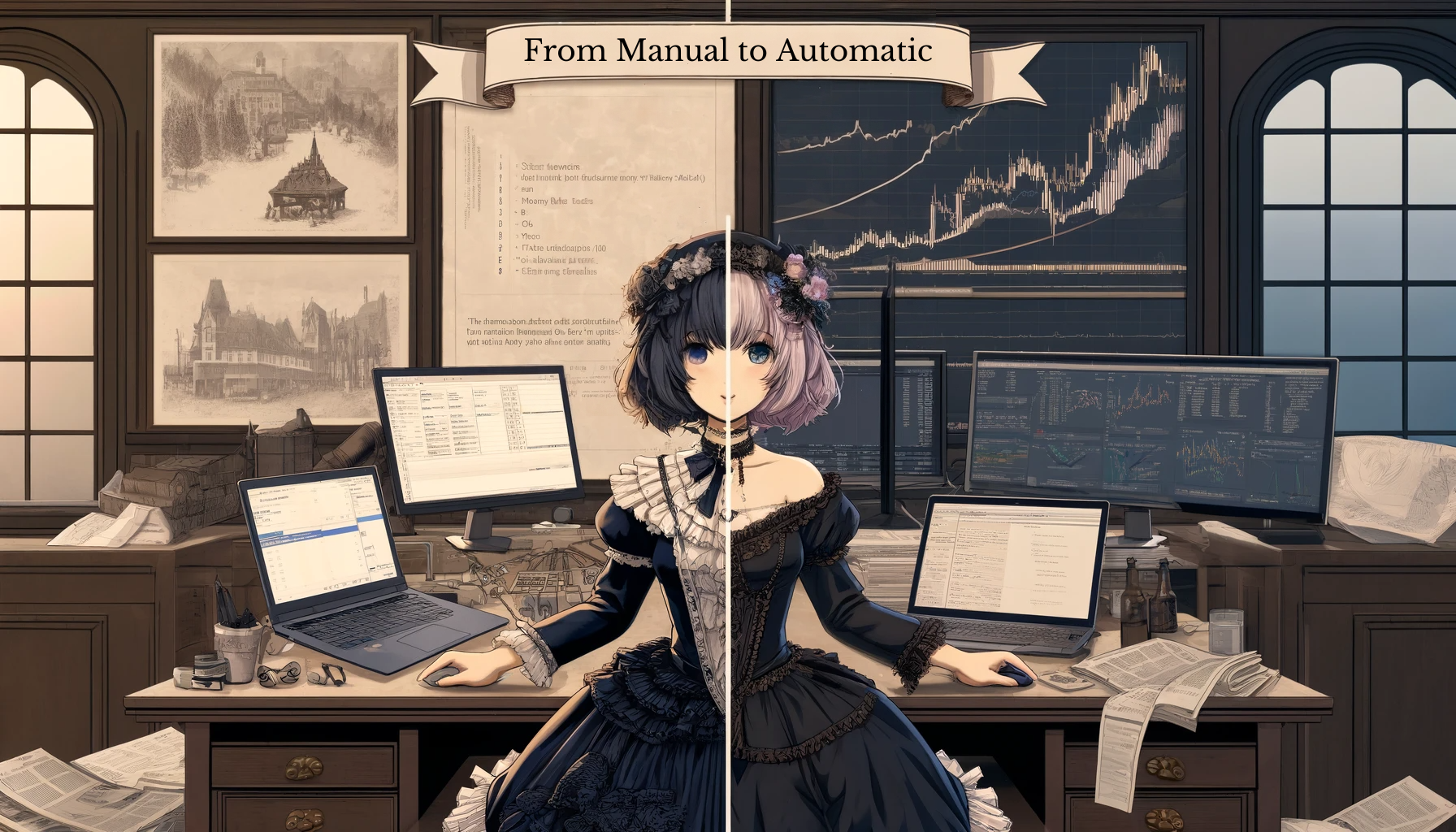
EA (Expert Advisor) trading, i.e., automated trading systems, have attracted significant attention in recent years due to advances in financial technology. The transformations this technology brings are adopted and utilized in different ways by different generations of traders. Younger traders eagerly adopt this new tool and strive to maximize its potential. Meanwhile, veteran traders incorporate this new technology gradually, leveraging their long-standing experience and knowledge.
In this article, by delving into the intergenerational differences, we reveal each generation's approach to EA trading strategies and analyze how these differences influence trading outcomes. As EA trading becomes more widespread, understanding how traders from different generations adopt this technology and the strategies they employ is of great importance for the development of the entire industry.
Definitions and Characteristics of Generations
Veteran Traders
Veteran traders are characterized by years of trading experience and sharp insights into reading market fluctuations. They are often proficient in traditional methods and build trading strategies using fundamental and classic technical analysis. Moreover, their accumulated experience over a long time enhances their intuitive judgment. Their approaches are based on time-tested strategies and offer stability that can handle unpredictable market behavior.
Young Traders
On the other hand, young traders have grown up as digital natives and adapt to new technologies at a very rapid pace. They use the latest trading technologies such as EA (automatic trading systems) and algorithmic trading to manage positions in markets efficiently and effectively. Young traders excel at rapidly analyzing large datasets and making trades based on that analysis. They also quickly adopt new market trends and technological advances, maintaining a continual learning mindset to adapt to new market dynamics.
These intergenerational differences influence not only trading styles but also market perceptions and how strategies are formulated. Veterans rely on intuitive, experience-based approaches, while younger traders make data-driven (scientific and quantitative data analysis-based) decisions using new technologies.Understanding the traits of both generations is crucial for gaining insights from different approaches.
Adaptation to Technology
How Each Generation Interacts with Technology
In adapting to technology, traders of different generations show notable differences. Veterans tend to adopt new technologies by combining traditional trading methods with modern tools. They often spend time evaluating the reliability and effectiveness of new tools before using them. In contrast, young traders, as products of the digital era, jump onto new technologies immediately, quickly understanding and leveraging their features and capabilities.They are highly sensitive to technological evolution and have little resistance to trying new applications and software.
Adapting to New Trading Tools and Platforms
The emergence of new trading tools and platforms is changing how access to the markets works. For example, cloud-based trading platforms and AI-powered analytics enable faster and more precise market analysis. Young traders use these tools to make data-driven decisions and forecast market directions with advanced algorithms. Meanwhile, veteran traders treat these technologies as supportive tools and prefer making decisions based on their experience and intuition.Thus, responses to new technology differ by generation.
Trading Strategies and Market Perception
Strategic Approaches: Risk Management, Market Analysis, and Differences in Trading Styles
In trading strategies, intergenerational differences are evident in risk management, market analysis, and trading styles. Veterans typically manage risk carefully and tend to avoid high-risk trades. They emphasize analysis based on market history and long-term trends to inform trading decisions. In contrast, young traders often take more aggressive risks and pursue profits from short-term market fluctuations. They use the latest analytical tools to process real-time data and make rapid trading decisions.
Reactions to Market Volatility and Decision-Making Processes
Reactions to market volatility also differ between veterans and young traders. Veterans maintain a cautious stance, observing the situation without rushing to decisions. Their decision-making processes are supported by experience-based intuition and careful strategic planning. Meanwhile, young traders react quickly to market volatility, prioritizing the capture of short-term opportunities. They use technical indicators and trend analyses to make fast decisions, which often leads to success but comes with higher risk.This creates distinct market perceptions and trading styles across generations, highlighting the strengths and weaknesses of each.
Education and Lifelong Learning
The Importance of Education in EA Trading
In the world of EA trading, education and continual knowledge updating are crucial. As technology continues to evolve, traders must continually learn to understand the latest trading tools and market trends. This enables their trading strategies to remain efficient and effective, while managing risk and maximizing profits.Especially when using automated trading systems, it is essential to accurately understand and properly configure their algorithms and functions.
Knowledge Transfer and Learning Formats Across Generations
Knowledge transfer across generations contributes to the industry's overall technical capability by conveying practical insights from experienced traders to younger ones. Veterans can teach younger traders these fundamentals of traditional market analysis and risk management while showing how to effectively incorporate new technologies. Conversely, the exchange of knowledge from younger traders to veterans is also observed, sharing how to use new technologies and latest market trends.This kind of mutual learning environment provides a foundation for traders across generations to grow together and develop better trading strategies.
Future Prospects and Innovation
How Each Generation Sees the Future of EA Trading
Future prospects for EA trading vary by generation. Veterans emphasize the maturity and stability of automated trading technologies and consider how this can support long-term investment strategies. They acknowledge that technology improves trading precision while also underscoring the importance of human intuition and experience. Meanwhile, young traders anticipate that AI and machine learning will revolutionize trading strategies.They are curious about how these technologies will transform market analysis and risk assessment, and how they will speed up and improve trading efficiency.
Potential of Technology Advancements for Intergenerational Interaction
Technological advancements hold great potential to promote interaction and collaboration between different generations of traders. The emergence of new communication tools and collaboration platforms makes sharing knowledge and experience easier, increasing opportunities for traders from diverse backgrounds to learn and grow together. As a result, veteran wisdom and young innovators can blend to create more effective and innovative trading strategies.As technology progresses, EA trading education programs and workshops will become more accessible, enabling a wider range of generations to learn the latest trading techniques.
Summary
The Impact of Generational Differences on EA Trading and the Lessons Learned
Through this article, the differences between generations in EA trading have been clarified. Veterans leverage their rich experience and traditional market knowledge to gradually adopt new technologies, while younger traders rapidly embrace technological innovations and promote data-driven approaches.These dual approaches significantly influence how EA trading will evolve, and it is important to capitalize on the strengths of each generation.
Advice for Future EA Traders
As advice for traders who will shape the future of EA trading, it is important to respect intergenerational knowledge and experience and maintain a willingness to learn from each other. Embrace new technologies flexibly, while not forgetting the importance of historical market analysis. Also, pursue continuous learning and self-improvement to stay responsive to market changes.By collaborating across generations and sharing knowledge, you can develop more effective trading strategies and maximize the potential of EA trading.
Bonus: The Historical Background of EA Trading
EA trading, i.e., the use of automated trading systems, began to take shape in the late 1990s and started to become widely popular in the early 2000s with the advent of the MetaTrader 4 platform. This platform revolutionized trading by allowing individual traders to code and automatically execute their own strategies.
Initially, automated trading technologies were mainly used by institutional investors and large financial institutions. With the spread of MetaTrader, these capabilities became accessible to general traders, democratizing FX markets. As technology evolved, EAs incorporated more sophisticated algorithms and machine learning techniques, continually improving market analysis and trade execution precision.
Understanding this background can make it easier to see the role EA trading plays in today’s financial markets and how traders of different generations use this technology.
Thank you for reading.
If you would like more information or are interested in my background, you can view my profile page from the link below.
Under the pen name "Bear-chan @ Tokyo C-Street," I am an FX automated trading developer with one of the longest-standing presences on MetaTrader in Japan, bringing 15 years of extensive experience and a global track record.
Please take a look at the profile to learn more about my activities and achievements.