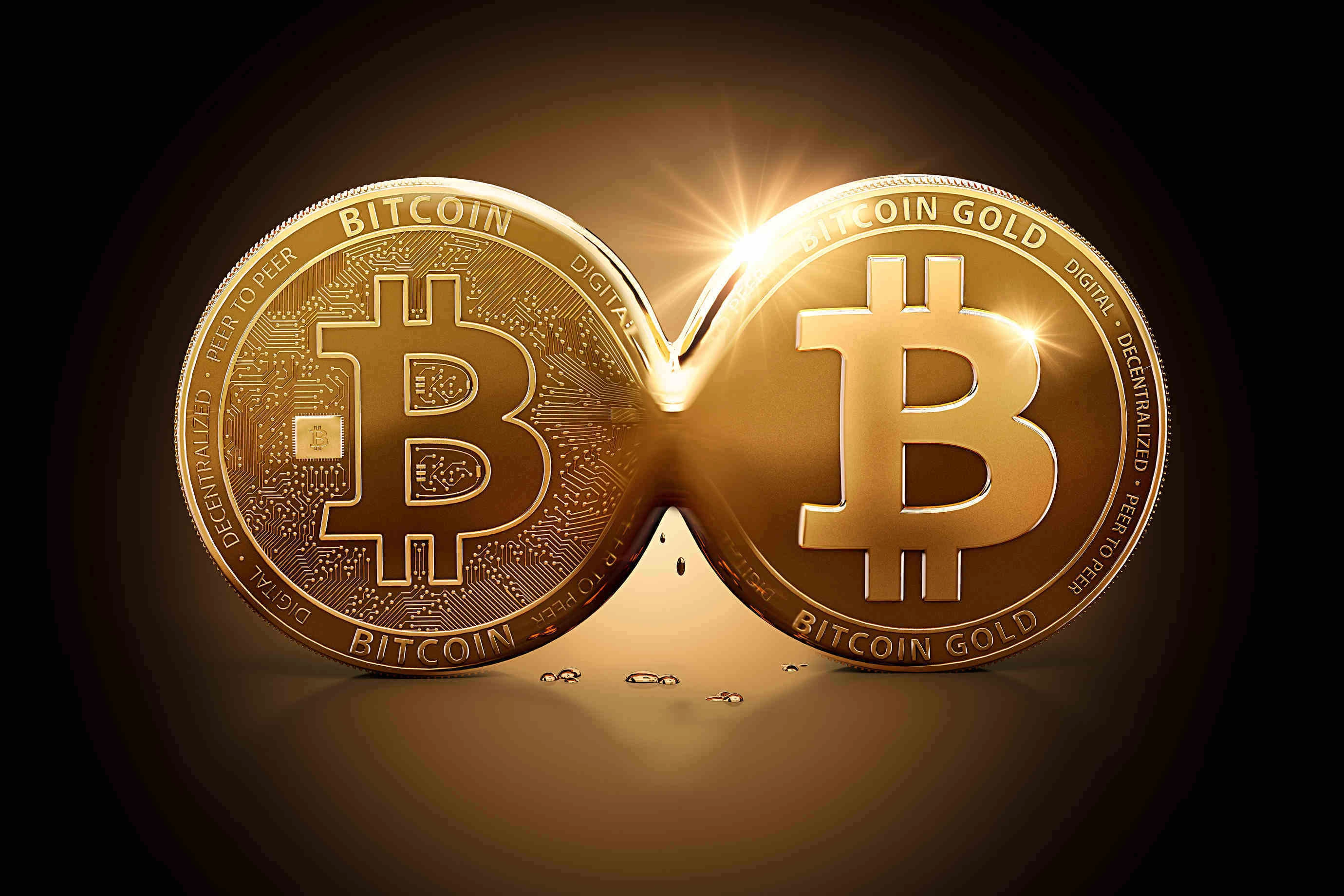

Cryptocurrency forks are a cash cow
What is a hard fork
A change in the system’s specifications
that causes the blockchain to split.
Incompatible form,
a new blockchain is
created.
In the past, Ethereum
became Ethereum Classic,
and Bitcoin split into Bitcoin Cash
via a hard fork,
creating a completely different cryptocurrency.
Here is the Ethereum Classic chart.
https://coinmarketcap.com/currencies/ethereum-classic/
Bitcoin Cash
surged to around $3,000 in a short period.
https://coinmarketcap.com/currencies/bitcoin-cash/
You may already know.
Hard forks are lucrative.
Now, in four days, a notable hard fork will occur...
The cryptocurrency Lisk
around 18:00 JST on August 29, 2018
will undergo an update aimed at
Lisk Core 1.0.0
hard fork is planned.
Why do hard forks make money?
About how they work
First, you need to know about hard forks, soft forks, and fork scams.
Bitcoin, like many other cryptocurrencies, forks frequently.
A fork happens when the software of a cryptocurrency is changed or
upgraded.
Blockchains are decentralized, and
thousands of different users’
computers are running, so
the process of making changes is difficult.
Developers cannot force changes to the software on the blockchain.
Instead, they enable changes and then
persuade all users to switch to the new version.
A hard fork is when the
new blockchain is not compatible with the old one.
A completely new coin is created.
A soft fork is when
the new blockchain’s features are
compatible with the old one.
No new coin is created.
During a hard fork, the entire blockchain is duplicated.
This results in the entire transaction history and all coins being duplicated.
But this clone has a different DNA.
For example, the newly cloned chain may have larger block sizes or better features than the old one.
If the fork succeeds,
all users install the update and migrate to the new version with changes.
The old blockchain becomes extinct, and the new blockchain operates smoothly.
If there aren’t enough users, the fork fails.
The new coin becomes unusable and its value declines rapidly.
Regarding forks,
some people stick with the old version, while others upgrade.
Some use both.
It is a matter of debate.
Bitcoin Cash (BCH) split from Bitcoin on August 1, 2017.
Its block size was increased to 8 MB,
introducing cheaper and faster transactions.
Bitcoin Gold (BTG) split from Bitcoin on October 25, 2017,
and altered its mining system.
It aimed to allow people to mine with home computers even without powerful hardware.
Dash (DASH) is designed to enable faster and cheaper transactions.
It has forked many times, giving rise to other new coins.
How often do forks occur?
Since anyone can fork at any time, they happen all the time.
Some forks are hobby projects, but
there are sincere attempts to improve popular coins, and some resemble scams.
For example, the Bitcoin Platinum fork was a scam by teenagers in Korea.
Their aim was to create short-term uncertainty in Bitcoin’s market.
Do forks make you free money?
Yes, they do.
Distributing new coins to existing users is called an airdrop.
To receive new coins after a fork, you typically need to have coins in a desktop wallet (like MyEtherWallet)
in a wallet you can use on a PC, not just on an exchange.
There is no need to do anything to claim the free money.
There is no expiration.
When ready, the new coins will appear automatically in the relevant wallet.
Preparing for forks
Forks happen so frequently that you might think you need to prepare, but
luckily you do not have to.
For a fork to succeed, it depends on many users agreeing.
Usually, legitimate forks are announced with warnings by exchanges.
Payment deadlines are also specified in advance.
Check whether exchanges promise to support the new coin.
Also check whether your usual wallet will handle the coin.
A reputable fork should have its source code published in advance.
That way you can verify that accepting it is safe.
Generally, duplicating a currency inherently reduces its value and invites unwanted competition.
Forks are sometimes opposed because they can cause price chaos.
However, forks are mostly good news.
Hard fork and airdrop news tend to push prices up.
Users use the new coins and buy more of the old coins as well.
This further drives up the price.
As coins gain value, users who hold them can obtain new coins for free.
In general, during major forks, there is a tendency to avoid making transactions to prevent confusion.
Until it is proven that the new coin is safe and functional, it is advisable not to trade using forked coins.
As a rule of thumb, fork coins that have not been fully vetted by other users are not trustworthy.
Also, holding for the medium term can yield more profit than dumping at launch, like an IPO.