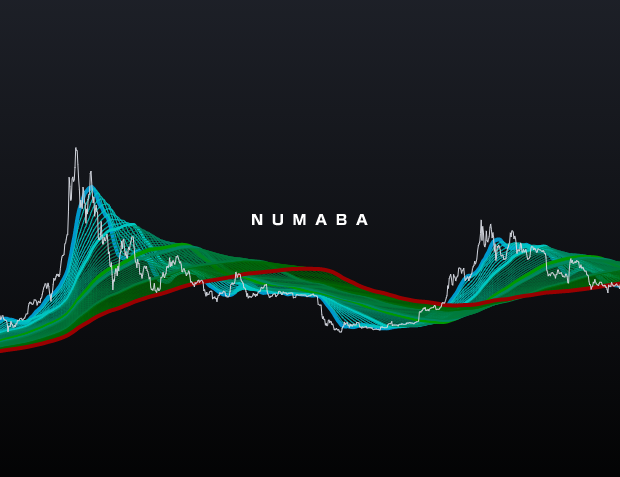

Let's take a look at the muddy swamp currency with an astonishing Numometer
0

For the well-informed (those who know)Numometerdelivers a沼入り currency report.
I’ve been doing technical analysis for about ten years, but to be frank, technical analysis tends to be stiff, and the real fun is limited to a few people. So, reading the air of the cryptocurrency world, which has had a lively, varied vibe since the early days, I created this in 2016 to make technical analysis more approachable and enjoyable.
Numometer uses verylong-span data for analysisand marks those currently in a slump as “沼入り” (getting trapped in the swamp). Those deeper in the swamp are described as “泥沼” (quagmire). We publish information on Twitter#NumometerFlash.
When you break free from that, expectations rise dramatically toward space (to the Moon).
So far, I think the accuracy has been high.
The expression may feel quite negative, but to jump high you need fuel.Since swamps contain many nutrients, I want you to view the period of accumulation positively..
That said, unless it’s a project whose life force is dying out…
Numometer
is like this.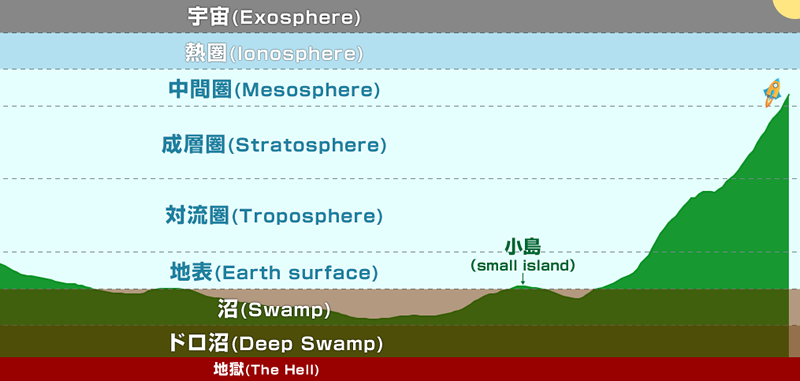
The detailed logic is managed by WNCC (World Numa Crypto Council — World Swamp Crypto Council) and is not publicly released.
Other key points include,
・Concern that the swamp will keep the prices low during the downturn
・Hope that leaving the swamp will lead to a peak
・Moon phase when the atmosphere is above the thermosphere
・The farther from the surface, the higher the price, but jumping on can be dangerous
・The first swamp exit may be a failure that only builds a small island, but the next swamp exit tends to be stronger
That’s the idea.・Hope that leaving the swamp will lead to a peak
・Moon phase when the atmosphere is above the thermosphere
・The farther from the surface, the higher the price, but jumping on can be dangerous
・The first swamp exit may be a failure that only builds a small island, but the next swamp exit tends to be stronger
Now, I will report the current swamp level of the monitored coins and some Numadata.
× ![]()