
[English] New "semi-decentralized" cryptocurrency exchange navigates ambiguous compliance terrain

Humans do not yet have fully decentralized (non-centralized) systems quickly enough, and I think we should aim for that, but since it takes a lot of acclimation and experience, I often think that a “semi-decentralized” approach, something intermediate between centralization and decentralization, is just right.
There was a story about such a semi-decentralized cryptocurrency exchange, so I translated it into English. Read on.
A New “Semi-Decentralized” Cryptocurrency Exchange: Navigating the Ambiguities of Compliance
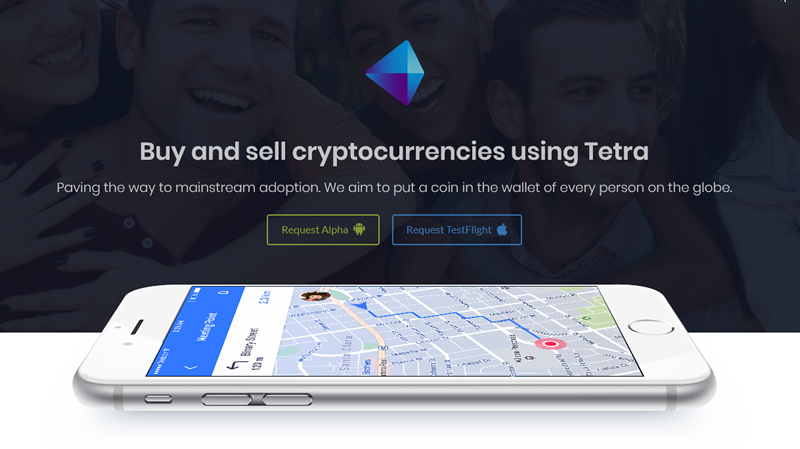
A new entrant into the cryptocurrency exchange industry,Tetradescribes itself as a semi-decentralized peer-to-peer exchange that emphasizes security and convenience. “Tetra supports the spread of cryptocurrency toward the next wave of adoption that benefits all cryptocurrency users—from investors to traders to businesses.”
The term “peer-to-peer exchange” tends to imply a concept that prioritizes privacy and anonymity, ignoring customer-verification rules and intrusive regulatory authorities. However, according to Tetra’s blog post, the company does not hold this view.
“Tetra understands the importance of customer verification and allocates the resources necessary to carry out such processes properly. Users can transact with a sense of security, knowing that due diligence has been performed to protect them from future consequences.”
On Tetra’s main site, it is written: “You may have heard scary stories about people who were sentenced to prison for trading cryptocurrency on peer-to-peer exchanges.”
“With Tetra, that is a thing of the past. Use our fully compliant banking network to settle transactions in a legal and healthy trading process. We free traders from the burdens of obtaining expensive licenses and complying with onerous regulatory requirements, allowing them to focus on what truly matters—their trading.”
This system may seem attractive to crypto users and traders who are mindful of compliance, but it also raises questions about why Tetra is described as a “semi-decentralized peer-to-peer” platform. In discussions on Reddit, a representative for Tetra acknowledged that Tetra is a centralized service. Yet, at the same time, the representative stated that the platform operates using a decentralized transaction model to prevent the platform from directly managing users’ funds and to prevent hackers from accessing users’ assets.
In an interview with Bitcoin Magazine, Patrick O'Brien and Tetra Exchange’s CTO acknowledged the reality of this arrangement.
“Tetra is called semi-decentralized because users continue to manage their private keys themselves. Users’ assets are not stored on our centralized servers, and users keep their assets in client-side wallets. The user’s wallet is integrated into Tetra’s software, and by leveraging the Bitcoin network’s multisignature transaction mechanism, transactions are executed through our system.”
He explains that describing Tetra as a peer-to-peer exchange means that users are trading with other individuals, not with Tetra or Tetra’s order books in the way conventional exchanges operate.
“More precisely, this means that if a user wishes to engage in an escrow settlement, that user participates in a multisignature transaction jointly signed by the user and a third party.”
O'Brien continues.“In the event of a dispute, we work with both parties to move the assets to the appropriate location, and if the transaction succeeds, both parties consent to transferring the assets. All of this is done without us ever managing the flow of funds, unlike traditional exchanges.”
× ![]()