
FX and People | Vol.4 Tomoyuki Hirano
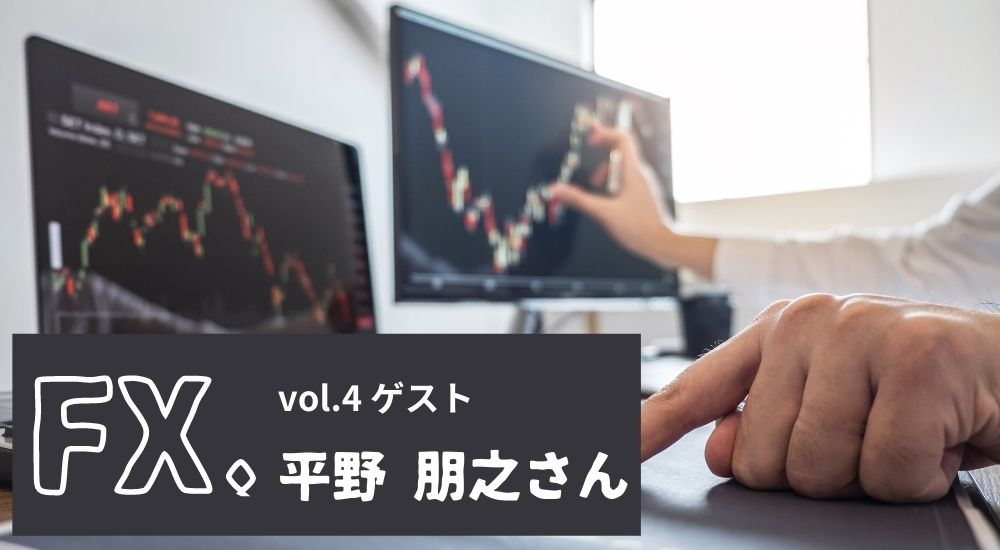
While we tend to be distracted by various analyses such as fundamentals and technicals, automated trading, and system trading, the essence of FX is the price movement born from the interaction between people. Analyses and trading methods do not move the market. In any market, it is countless people who move it. In this project, we will close in on the FX “people” with thorough focus. The fourth guest is Tomo no Hirano, who is a master of technical analysis and active as a seminar lecturer. He also spoke about how he came to investing, the investment-related books he read in the past, and why he teaches investing to people.
Tomonori Hirano Profile
After graduating from an American university, he worked at overseas exchange-related positions before joining Himawari Securities. He has served in FX operations, as a dealer in the proprietary trading department, and in the Investment Information Office, disseminating FX and Nikkei 225 information, and as a seminar lecturer. He is now independent and established the company Trade Time. He conducts proprietary trading, investment education, and support for individual investors, while actively disseminating information to FX companies and holding seminars.
● Interviewer: Takeo Musashi Kounai (FX writer)
※This article is a reprint and revised edition of an article from FX攻略.com December 2020 issue. Please note that the market information written in the body may differ from current market conditions.
Spending Bonuses on Thick Overseas Investment Books
—— Please tell us what sparked your start in investing.
From a background of handling orders for both domestic and overseas markets, I learned the fun of the investment world. I especially admired the financial markets in Chicago and New York. Around 23 or 24 years old, I traveled there often. Although it no longer exists now, at that time people actually stood on the exchange floor, and trades were made between people. I thought that world was cool.
Back then, I was allowed to trade as part of my job, so I began trading Nikkei 225 futures options. That was my first investment. Many people might start with stocks or mutual funds, though.
—— What prompted you to start stocks and currencies?
Since the options were tied to the Nikkei 225, I then began trading cash stocks as well. I also bought recommended stocks from analysts published in magazines at the time, but ultimately most of them didn’t profit. I didn’t find mutual funds very interesting, so I did only a little of them.
Later, around 2000, FX finally arrived in Japan, allowing individuals to trade foreign exchange. I had worked at Himawari Securities, where I was among the first to start FX in Japan, so I encountered FX far more than stocks.
—— How have you studied investing up to now?
I bought and read relentlessly related investment books. Many of them were Panrolling (Pankrolling) investment books. Panrolling is famous now, but back then it wasn’t as well known. There used to be a trade magazine that published for about 1,000 yen, featuring features on what would happen if you traded on moving averages crosses. It was incredibly interesting and fresh to me. I thought that by testing like this, I could create my own original methods. Unfortunately, this trade magazine went out of print after issue 3. I still own the back issues. Panrolling may have no stock left now.
Besides that, I read a lot of solid, substantial investment books. Translated thick investment books from overseas were very expensive, with some over 50,000 yen. At the time I spent most of my bonus, buying and reading about 150 books. If I couldn’t get new titles, I even looked on Yahoo Auctions.
From these books, I searched for trading ideas. At that time the euro had just been created, and many verification results in the books used German marks. When traveling, I always brought one book with me and would read it during commuting; the books themselves were fascinating and I kept studying. It wasn’t a time when there was a lot of online investment information available, so there wasn’t another way to learn besides books. I also watched many overseas seminar DVDs, which had subtitles below.
—— How do these solid investment books compare with the 1,500–2,000 yen investment books commonly found in bookstore new-book sections?