
Useful information to master the “counterparty rate trade” that can immediately be used in practice (ebook, FX videos, EA) summary
One famous FX trading method is the “naka-chi (mid-rate) trade.” Many people may wonder, “What is naka-chi?” “Does it really make money?” “I’m not sure how to do it.” Therefore, this article focuses on naka-chi trading and summarizes useful articles and recommended products for practical implementation. Whether you are about to start naka-chi trading or you are already trading naka-chi, please use this as a reference.
■ What is naka-chi in the first place?
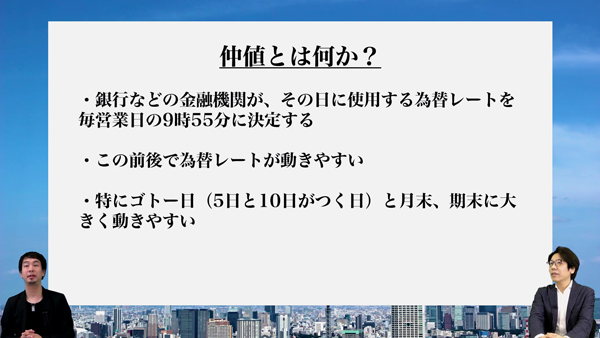
In banks and other financial institutions, the daily rate applied when a customer buys or sells foreign currency is called “naka-chi.”The naka-chi is determined independently by each financial institution based on reference rates from the foreign exchange market. Incidentally, the dollar-yen naka-chi is decided at 9:55 Japan time, and the rate is announced around 10:00.This is how it works..
Example: Mizuho Bank’s naka-chi
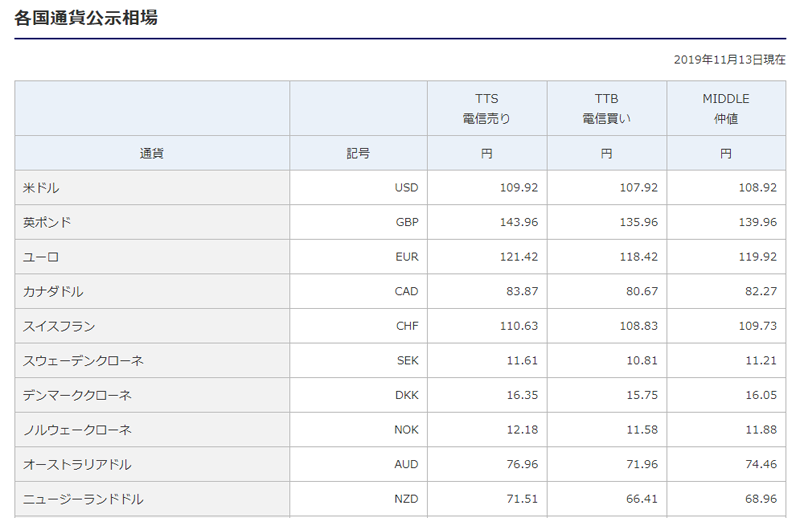
TTS (Telegraphic Transfer Selling Rate) is the naka-chi plus a fee, i.e., the rate at which a financial institution sells foreign currency to a customer. On the other hand, TTB (Telegraphic Transfer Buying Rate) is the naka-chi minus a fee, i.e., the rate at which a financial institution buys foreign currency from a customer.
■ The naka-chi’s distinctive price movements during certain times are used in trading — this is naka-chi trading!
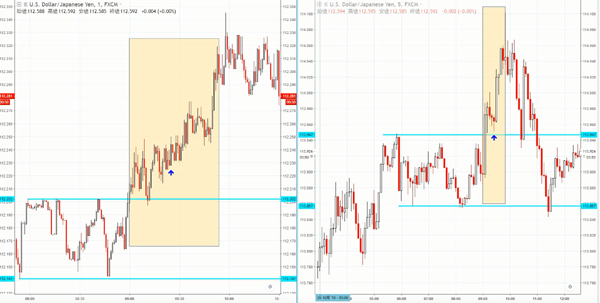
During naka-chi hours, generally, trading in foreign currency by companies engaged in import/export is aimed at securing funds for business settlements, so the forex market tends to move more easily.In particular, on Godo days (days ending in 5 or 0), these transactions become more active, so price movements tend to be more volatile.This characteristic movement is what naka-chi trading aims to exploit. Don’t overthink it—remember that prices tend to move more easily around naka-chi times.
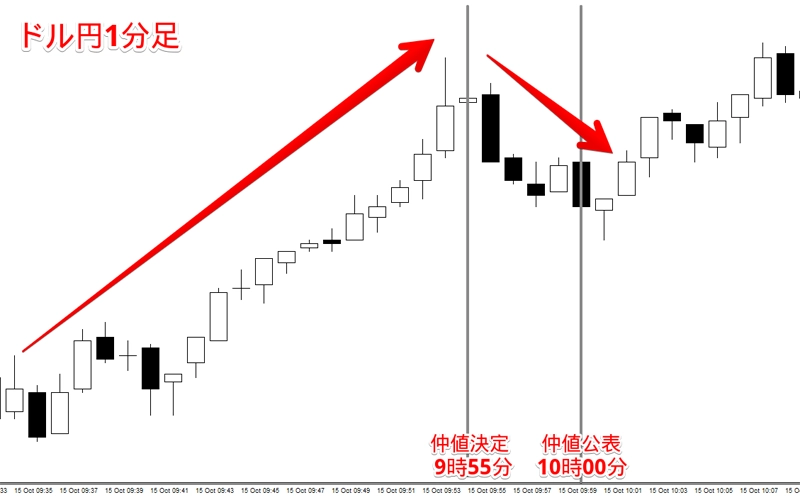
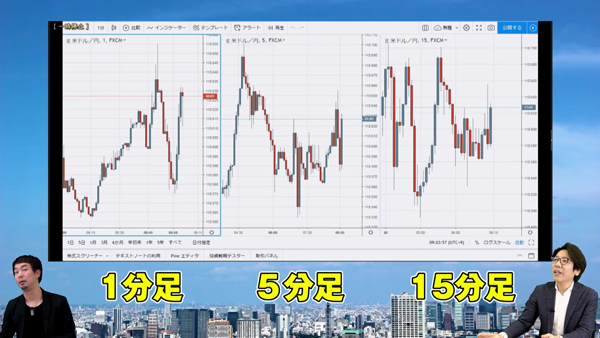
Regarding the dollar-yen,the period approaching naka-chi tends to see the dollar strengthen and the yen weaken, so a trading strategy of “buy before naka-chi and sell near naka-chi” is effective.
■ Two e-books to master naka-chi trading!
Having understood the basics of naka-chi trading, next learn concrete know-how and techniques from e-books. Here are two carefully selected products.
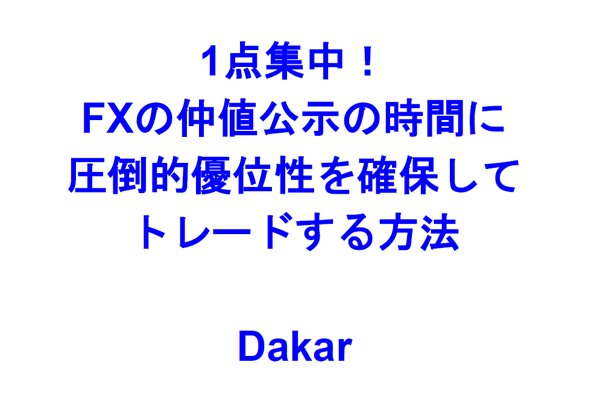
This is an e-book by Dakar, who is in charge of foreign exchange at a major exporter, providing practical know-how from his hands-on experience (https://www.gogojungle.co.jp/users/123502). He has developed a highly advantageous method that he conceived because he has always watched the dollar-buying situation “closest to the time.”You can learn a highly advantageous method here.
【Contents】
・Introduction
・Why we decided to publish a教材 on naka-chi announcement trading
・Environment to watch when trading naka-chi announcement
・Naka-chi announcement trading method
・Regarding actual demand trades
・People who want to buy USD before the naka-chi announcement
・Institutional investors’ daily schedule
・Naka-chi announcement and companies
・“Customary” in the Tokyo FX market
・About 1 instrument, 10 pricing
・Naka-chi announcement records
・Naka-chi ceiling
・Imaginary calendar
・Influence of overseas speculative players
・Influence of overseas real demand players
・Second official rate
・The main players creating the USD/JPY moves during Tokyo time
・Application to Cross Yen pairs
This教材 also includes a free extended interview article “We asked Dakar, the foreign exchange officer of a major company, about naka-chi announcement trading!” which ishere
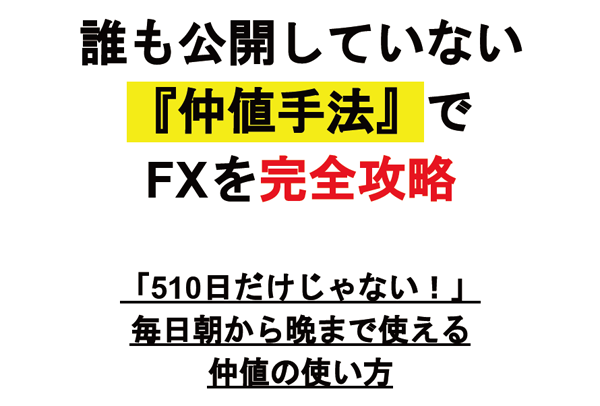
【Contents】
・Introduction
・What naka-chi is
・Why naka-chi can be used for trading
・If mastered correctly, you can enjoy naka-chi benefits all day
・Four ways to use naka-chi
・① Targeting ●● (described in the content)
・② Targeting ×× (described in the content)
・③ Targeting ○○ (described in the content)
・④ Use as ▼▽ (described in the content)
・Precautions when trading naka-chi
・Conclusion