
Technical-specialized strategies to survive in the market — Part 3: What are the differences among technical indicators [Hiroyuki Tamukai]
In this series, professional trader Hiroyuki Tamukai will lecture on trading techniques focusing on technical analysis across several installments. The theme this time is the differences among technical indicators. There are many technical indicators in the world, but what exactly is different? Let’s firmly grasp the fundamental parts here.
Note: This article is a reprint and rewrite of an article from FX攻略.com July 2018 issue. The market information written in the body may differ from the current market, so please be aware.
Hiroyuki Tamukai Profile
Tamukai Hiroyuki. After graduating from university, he attempted qualification exams but failed. Unable to find employment, he started his own business. He began investing during the course of running the business. Now, after transferring the business, he is an individual investor. He also handles seminar planning and organization for FX companies. His books include 'FX Introduction for the Timid to Win' (Ikeda Shoten) and 'Steadily Win with Two Chart Checks a Day for Working FX' (Jiyu Kokumin Sha).
Differences in Technical Indicators Are Differences in Expression
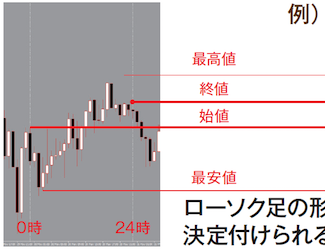
As mentioned in the previous issue, FX technical analysis indicators (also called indicators) are all based on the same data: the price movement of the market. The shapes of technical indicators displayed on the chart differ, and trading signals and timing differ because the underlying data are the same but the calculation methods and rendering differ. Simply put, the differences in lines and drawings shown on the chart are differences in how they are expressed. Therefore, it is important to understand the fundamental meaning of what the candlesticks, which underlie all technical indicators, indicate, and to develop the ability to read a simple chart.
When using technical indicators, the “difference in expression” is the tricky part. Even if the same price movement underlies and indicates the same thing, the appearance can make it look favorable or unfavorable. And when you focus on appearance, you tend to forget the actual price movement.
In FX, failures often occur when you do not follow a technical indicator and instead read between the lines on your own, or when markets are difficult with any indicator. In other words, many times you are entering a market where profits are unlikely for anyone. At such times, people's minds are weak, and they do not want to admit their own failure. When losses occur, it seems like other indicators would have been better than the ones you use, or that you did not have the ability to read them, and they tend to mentally escape by blaming the indicator. Based on experience, I understand this well.
This mental state tends to occur more among mid-level traders who are somewhat experienced in FX rather than complete beginners. The self-proclaimed “intermediate” who buys many books, reads blogs, and tests various methods is the most dangerous. Those who consistently earn profit do not easily change their mindset and have established their own trading method. In FX trading, what is important is to acquire the “technique of trading,” not to rely on the usefulness of the tools.