
Motty's FX Consultation for Troubleshooting — Episode 4: How to Handle Stop-Loss

I often receive questions like, “How do you handle stop-loss?” So this time, I’d like to share a little about how I decide on my stop-loss. Hope it helps for reference♡.
※This article is a reprint and revision of FX攻略.com February 2019 issue. Please note that the market information written in the text may differ from current market conditions.
What I use as a guideline for stop-loss…
Setting a stop-loss versus taking profit is, I think, a trader’s eternal challenge… In my case, the main stop-loss guidelines are the three things mentioned above. Everyone has different stop-loss criteria, and I don’t think there’s a single correct answer, so please treat this as a参考 (reference) only.
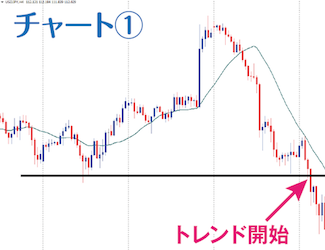
Basically, I draw lines at the recent high and low points of the entry point and use those as stop-loss guides! However, when I can clearly recognize that a trend is forming and I’m entering on pullbacks or rebounds, I often use MACD as the stop-loss guideline.
I don’t consciously consider risk-reward ratio; I determine the stop-loss points based on chart wave patterns and the volatility at that time. At the bottom of the page, I briefly explain near-term highs/lows and MACD stop-losses☆
Being mindful of volatility
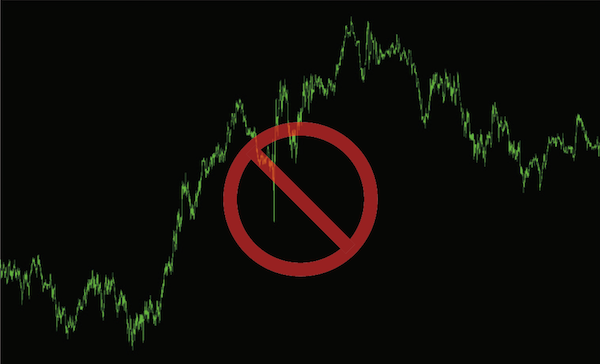
Change stop-loss points according to volatility
In my case, depending on how high volatility is, I think about widening or narrowing the stop-loss or adjusting the lot size. The MT4 indicator “HT_Volatility_Info,” developed by the HT blog, is convenient: it displays the current volatility value, and a prohibition mark appears when volatility is low, so I’ve been using it!^^