
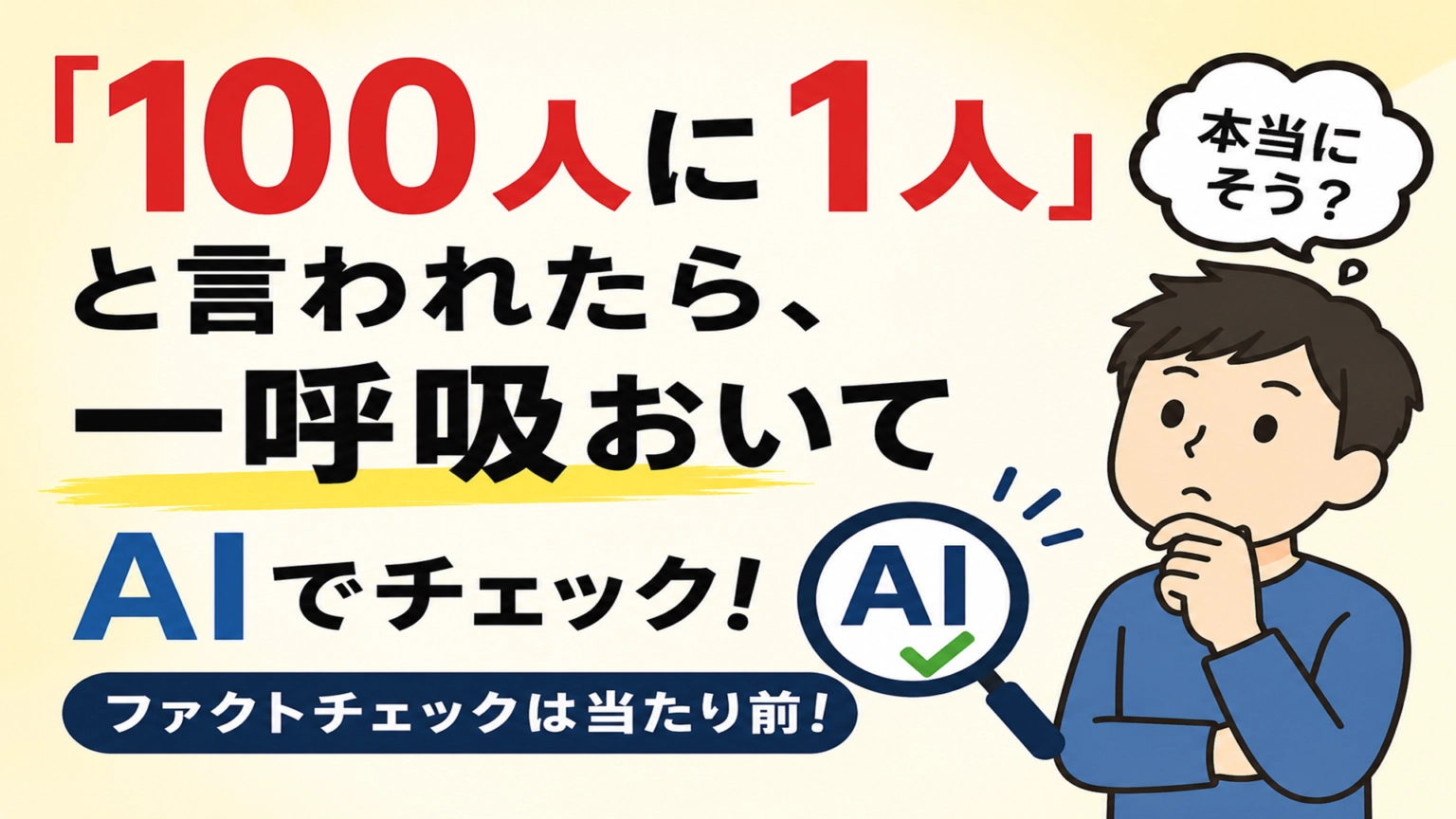
?“Only one in 100 people actually practice this” is that something the seller says?
“Only about 1 in 100 people actually practice.” This is a story from somewhere.
Isn’t this phrase a little funny when you think about it?
Of course, there are truly difficult things. But it feels a bit too convenient for the seller of expensive products to say that only 1 in 100 people can actually practice.
Because if the buyer doesn’t achieve results, they can explain it by saying “you didn’t practice,” rather than “the product was bad.”
For sellers of high-priced products, that’s a very handy phrase, isn’t it?

?FX New Generation: One-Click FX Training
?“1 in 100” is a fairly powerful sales pitch?
“Most people won’t do it. But if you’re serious, you can become that 1%.”
When you’re told this, what do you think?
- “I am different from the other 99.”
- “I can do it.”
- “If I take action here, I can be on the successful side.”
It’s easy to feel that way.
Moreover, even if you don’t achieve results, you can be placed on the side of the “99 who didn’t practice.”
The words used by charismatic salespeople to create an aura of exceptionalism—“unlike ordinary people,” “only the serious succeed”—also stimulate this psychology.
Of course, putting in effort isn’t inherently bad.
The problem is,the structure that makes it possible to attribute “why you didn’t succeed” to the buyer’s lack of effort.
Haven’t you seen this kind of talk in the world of investment as well?

?Before making a high-cost decision, fact-check with AI
So, there’s a simpler countermeasure available.
“Is this real?” Just ask AI before you buy.
- “Is there evidence for the 1 in 100?”
- “Is that method truly reproducible?”
- “Aren’t they only highlighting success stories?”
- “If it fails, is there a mechanism to attribute it to the buyer’s lack of effort?”
Furthermore, ask the same questions to multiple free AI tools, not just one.
If the answers align, there may be some persuasiveness to that content. Conversely, if AI evaluations vary greatly, pause for a moment.

Of course, AI can be wrong as well.
That’s why we shouldn’t simply “trust AI,”but use AI to stay calmin the face of it.
Before a large expense, do a quick fact-check.
A degree of caution like this should be standard by now, right?
Wouldn’t AI fact-checking almost entirely help you avoid investment scams, real estate scams, romance scams?

?When you’re looking for something that will change your life, take a breath
In investing, you sometimes find incredibly appealing things—signals that look like they’ll surely win, properties that will surely rise in value, or stocks of companies releasing products likely to become talked about.
In side work, you’ll also encounter products that promise to change your life.
Reset, desperate measures, a single shot at reversal.
When you hunt with that mindset, even things that would normally prompt a “wait a moment” suddenly seem attractive.?
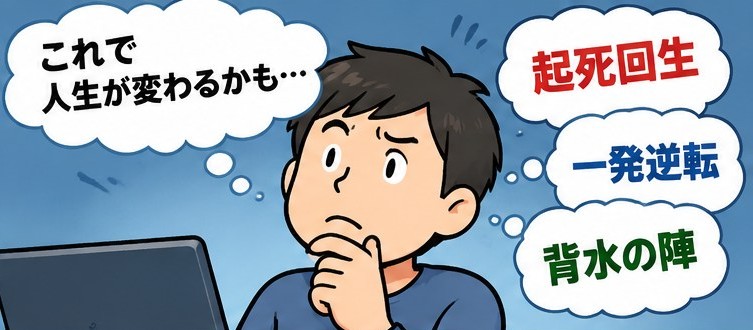
But let’s calm down a little.
Truly lucrative opportunities aren’t that easy to find.
Therefore, don’t sign contracts on impulse.
Take a breath, ask AI.“Seriously?”
Before seeking a breakthrough, take a moment.
Having this level of composure may ultimately help protect your money better.?
Practice and verify freely with a completely no-risk trade simulator!
Details page for One-Click FX Training