
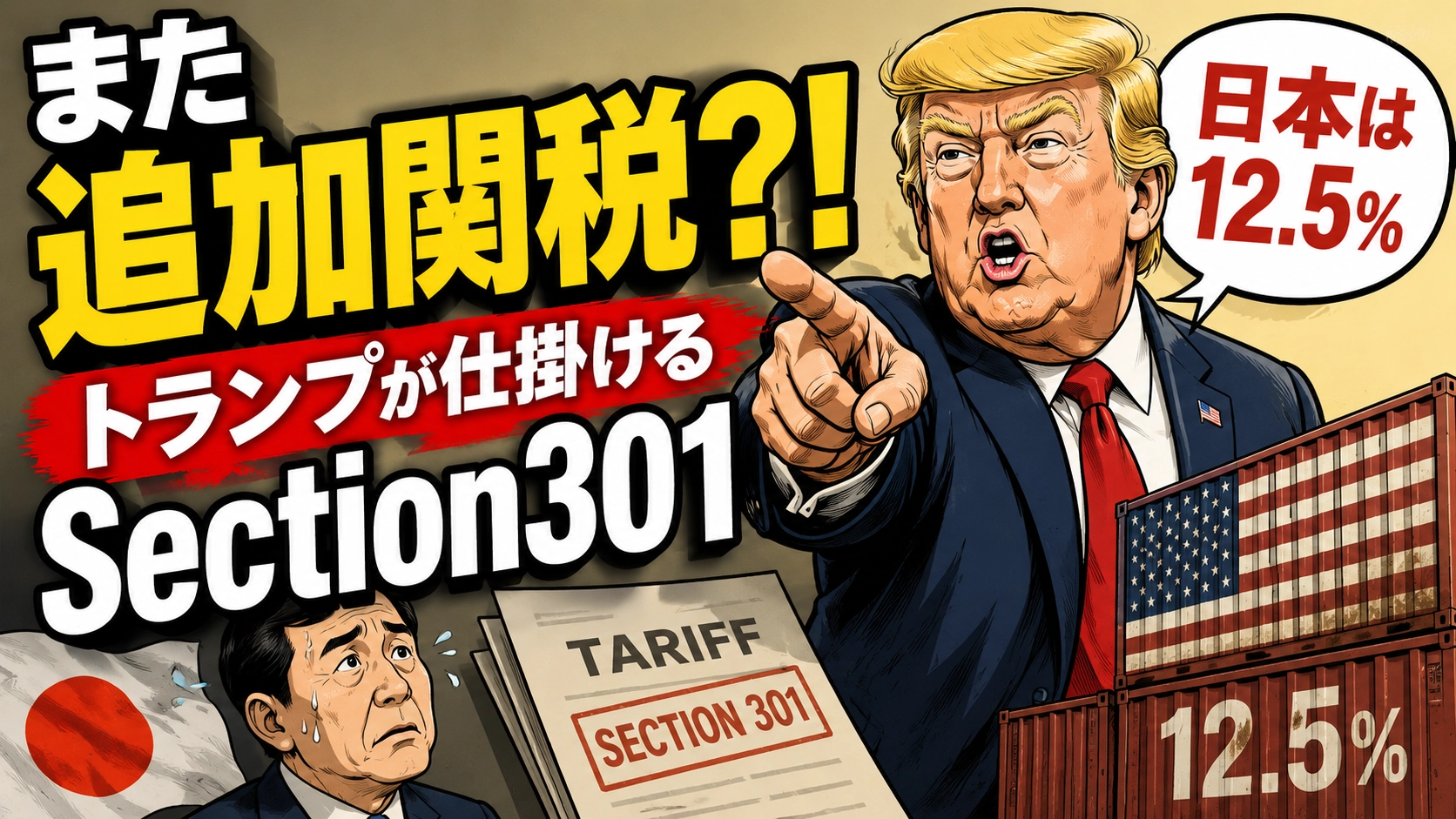
Another tariff on top?! Trump’s Section 301 maneuver and Japan’s “express regret” artillery—Behind the scenes of the Japan-US agreement
Japanese government's statement of “I regret it”—how convincing do you think it is?
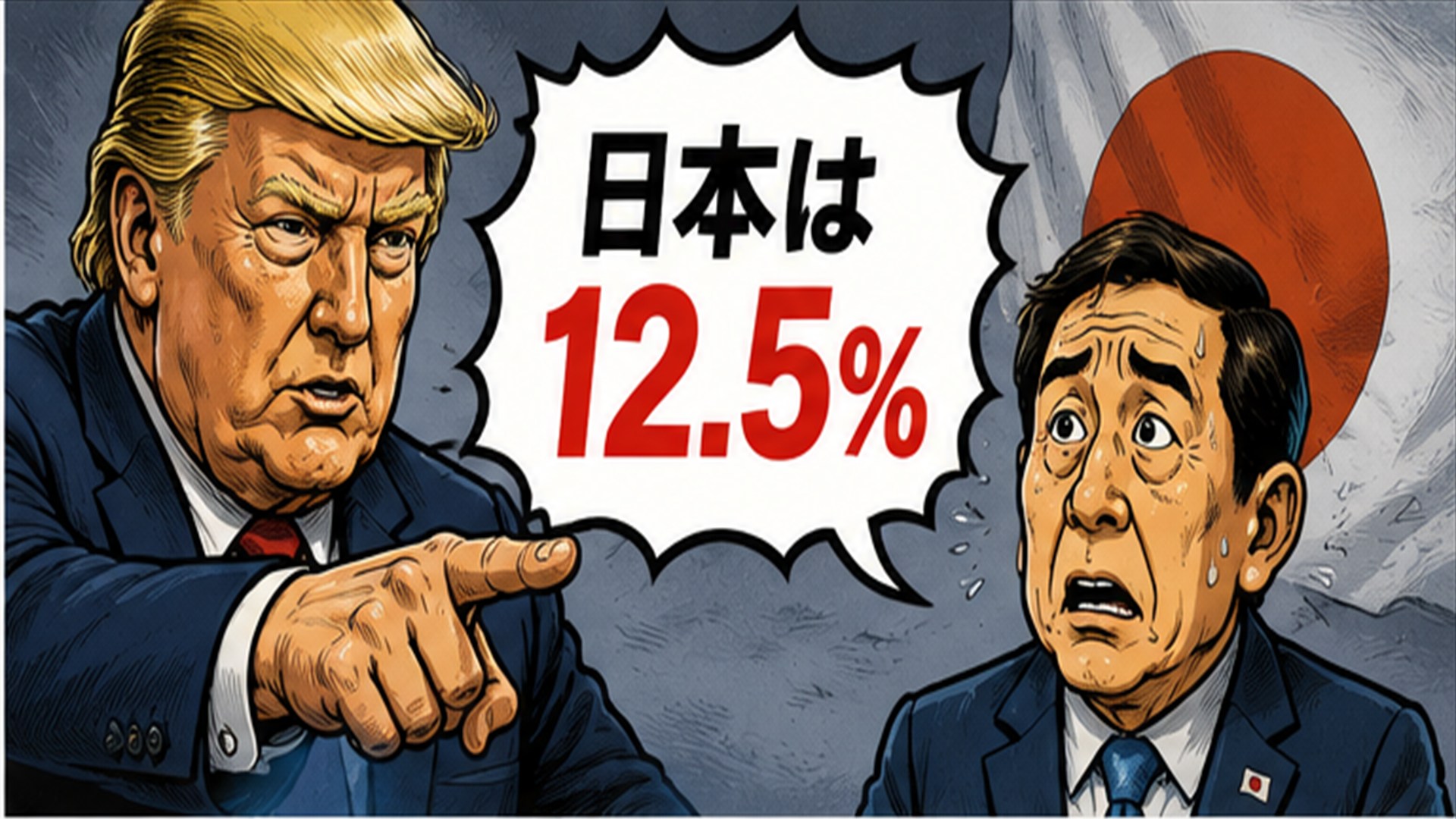
On July 24, 2026, the United States repealed 10% additional tariffs under Section 122 of the Trade Act, and instead activated Section 301 tariffs under the pretext of forced labor. The rates are 10% or 12.5% depending on the country. Japan is one of the targets.
In the press, there is a big fuss about “tariffs being applied!”, but in reality it is simply the continuation of the 10–15% Trump tariffs. There are no new additional tariffs.
So what are these tariffs? How are they different from before? Can Japan refuse? And so on, let’s think about it.
? Why can Japan not strongly push back?
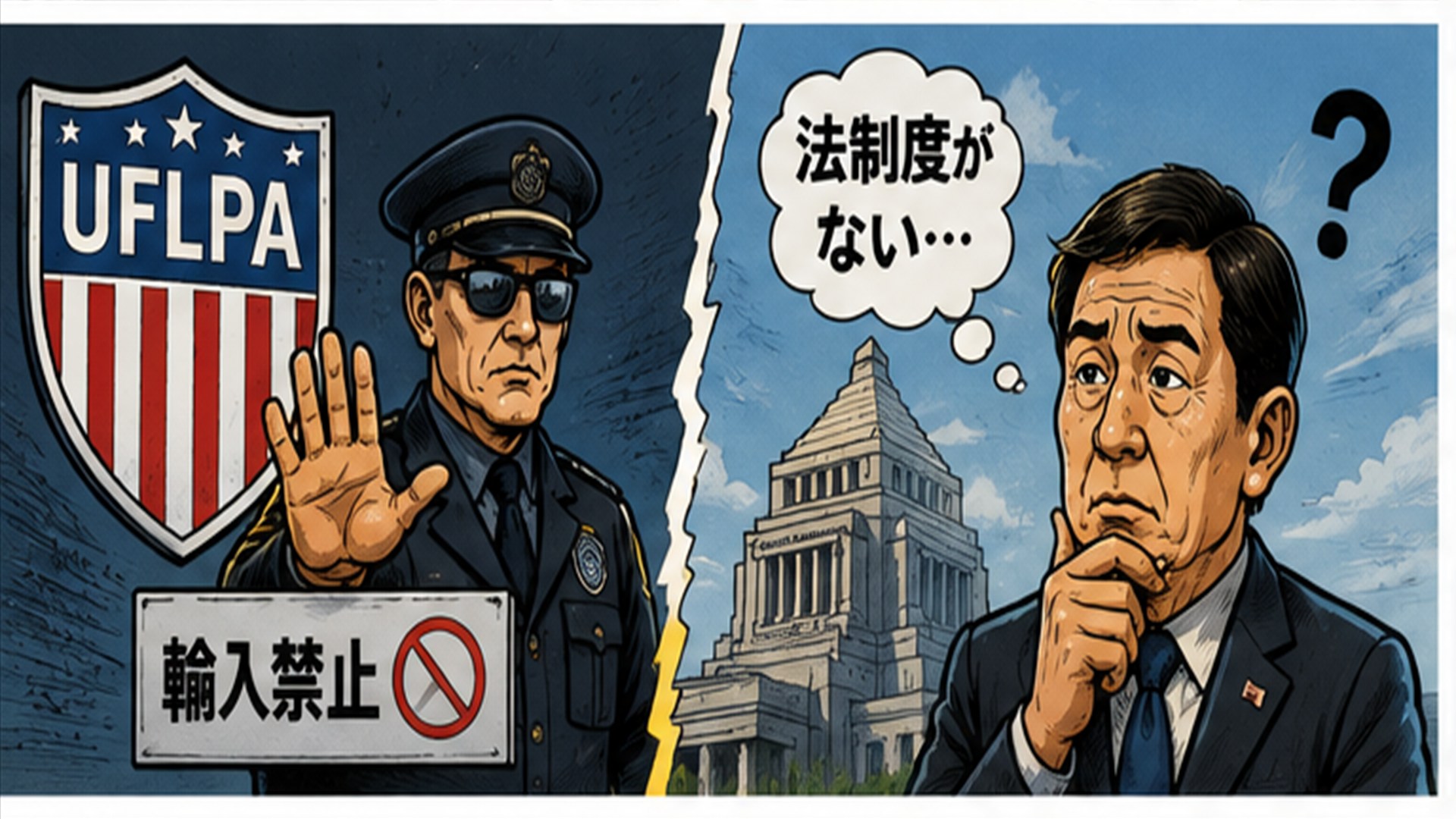
The United States operates the Uyghur Forced Labor Prevention Act (UFLPA) domestically, effectively banning the import of products related to Xinjiang Uyghur Autonomous Region. The EU is pursuing similar regulations.
On the other hand, how about Japan? There are guidelines on human rights due diligence, but there are no legally binding measures to stop forced-labor-produced goods at the border.
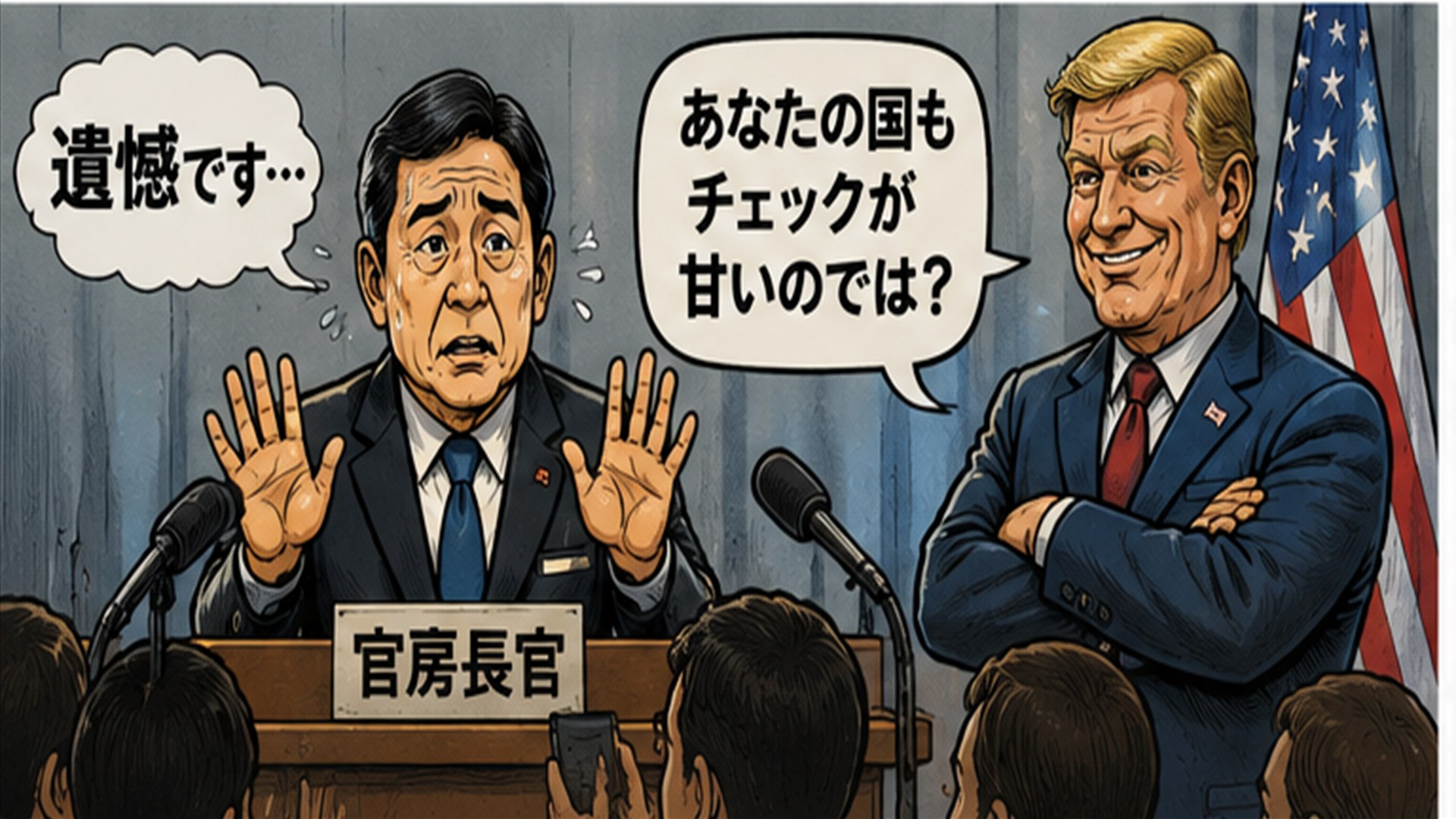
There is a parliamentary group considering a “Japan version of UFLPA,” but it has not progressed to legislation. If the U.S. side bluntly asks, “Aren’t you also accepting Chinese-made goods without sufficient checks?” there is nothing Japan can offer in response on this point.
The background for Chief Cabinet Secretary Kihara’s “regret” statement likely lies in such institutional constraints.
? The reality that 10–12.5% tariffs continue
Section 301 does not have an automatic 150-day expiration like Section 122. It is generally reviewed every four years, but can be extended if domestic industry requests. It has been extended in past cases targeting China. Looking at Trump-era tariffs as a whole, the 10–15% level continues.
Media coverage often highlights headlines like “tariffs increased!”, but scenes where tariffs expire or the system is replaced are not given much attention. As a result, the overall picture is hard to grasp.
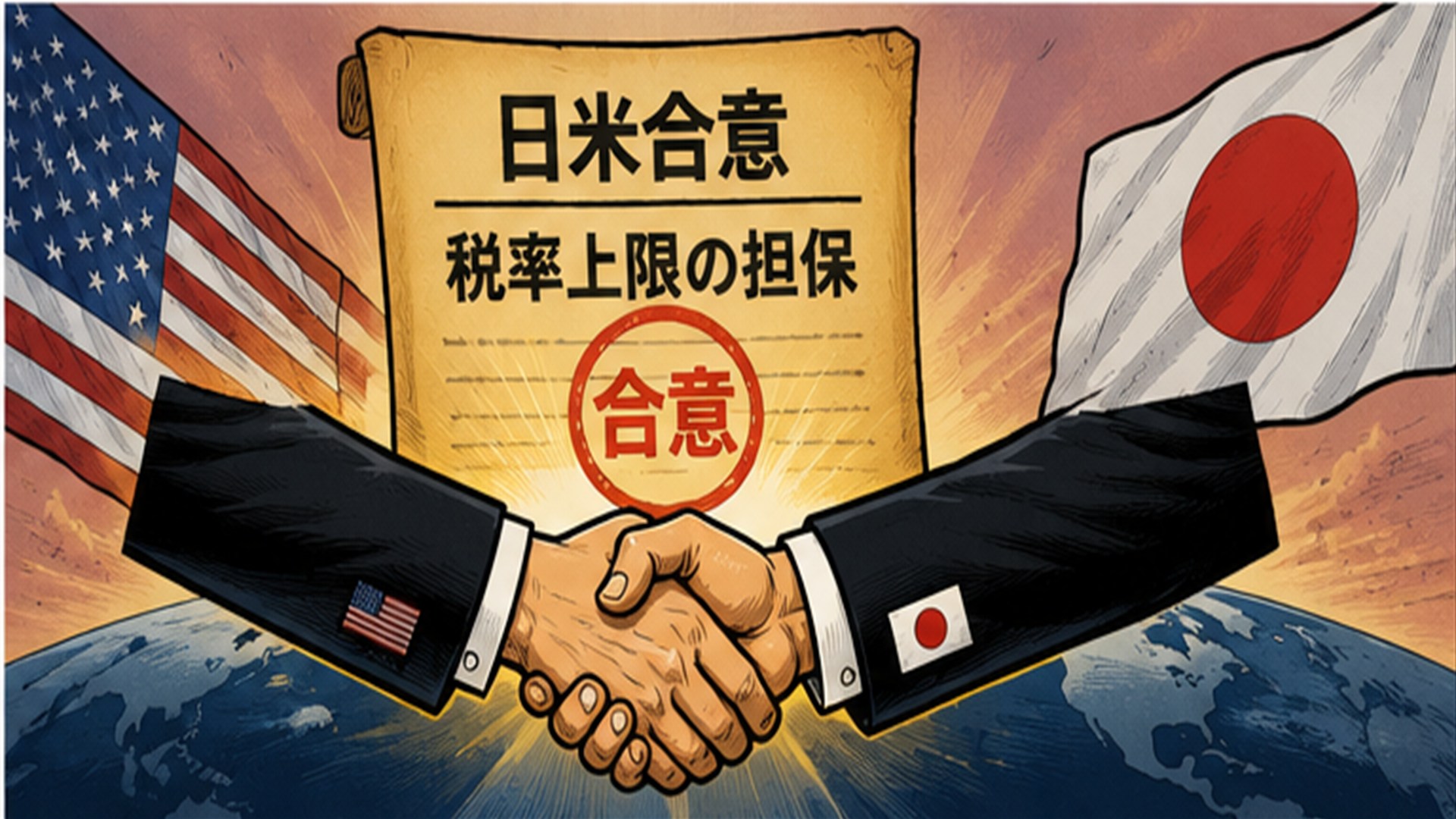
However,Minister of Economy, Trade and Industry Yasutoshi Nishimura stated that “the outcome will not ultimately place a larger burden on our country,”and this uses a concrete guarantee of the U.S.–Japan agreement as leverage. In other words, there is indeed another negotiation tool that prevents the agreed cap from being exceeded.
Practice and verify freely with the completely risk-free trade simulator!
Details page for One-Click FX Training