
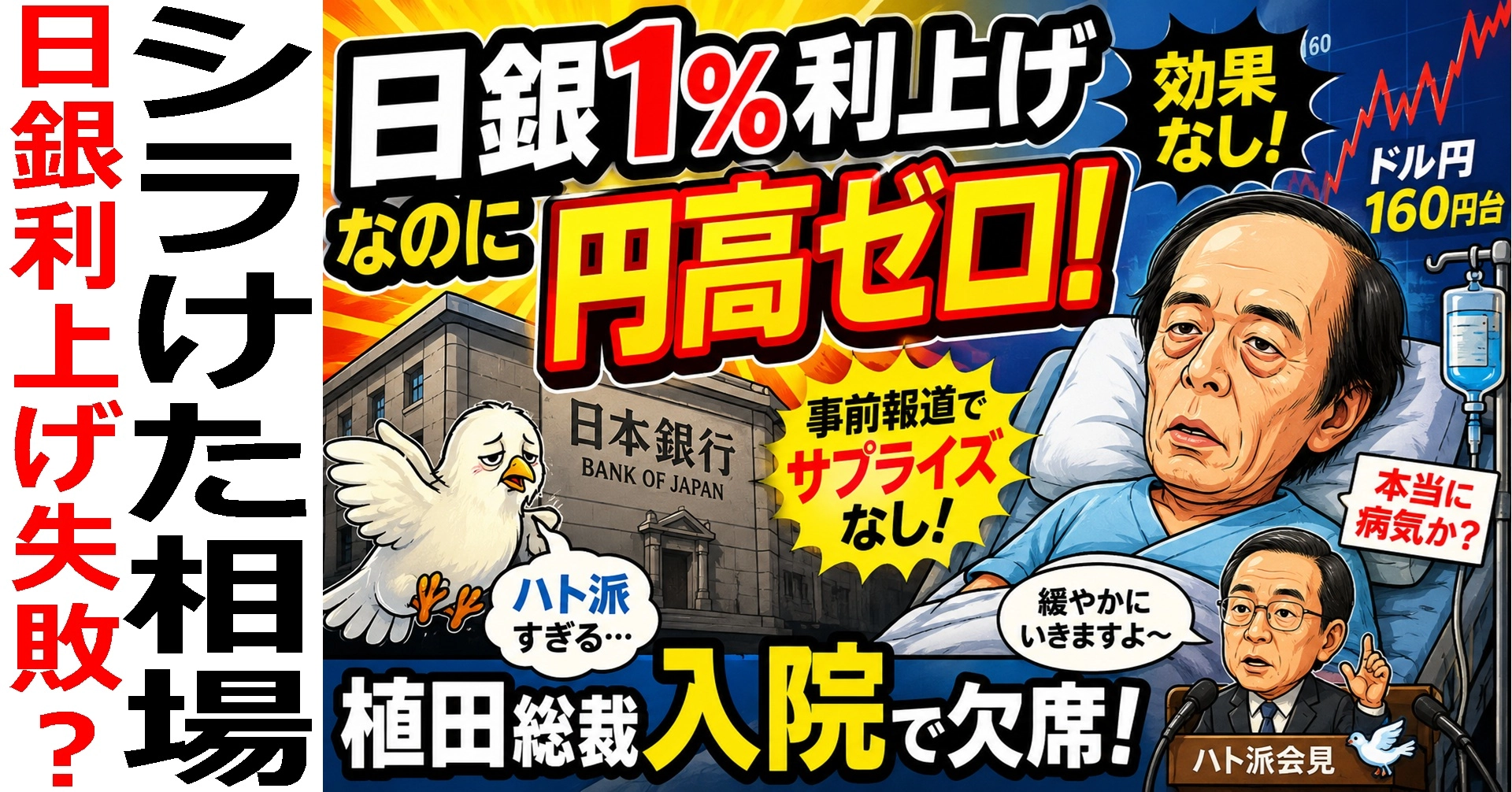
Even with a 1% rate hike by the BOJ, the yen did not strengthen... Markets soured on the news of Governor Ueda’s hospitalization and the “too dovish” press conference
“Why isn’t the yen strengthening even though rates were raised to a high level for the first time in 31 years?”
On June 16, the Bank of Japan decided to raise the policy interest rate to around 1.0%. Normally, a rate hike would be a yen-strengthening factor and have a major impact on the market.But in reality, the reaction of the foreign exchange market was limited, and the Nikkei stock average temporarily surpassed 70,000 yen, reaching a historic high.
Behind this are multiple factors, including widespread advance expectations from pre-announcement leaks that were almost fully priced in, Governor Kuroda’s absence from the press conference, Deputy Governor Uchida’s dovish explanations, and a decline in crude oil prices.
This time,why market hardly moved despite a historic rate hike,I would like to整理 the source of that discomfort.

?FX New Generation: One-Click FX Training MAX
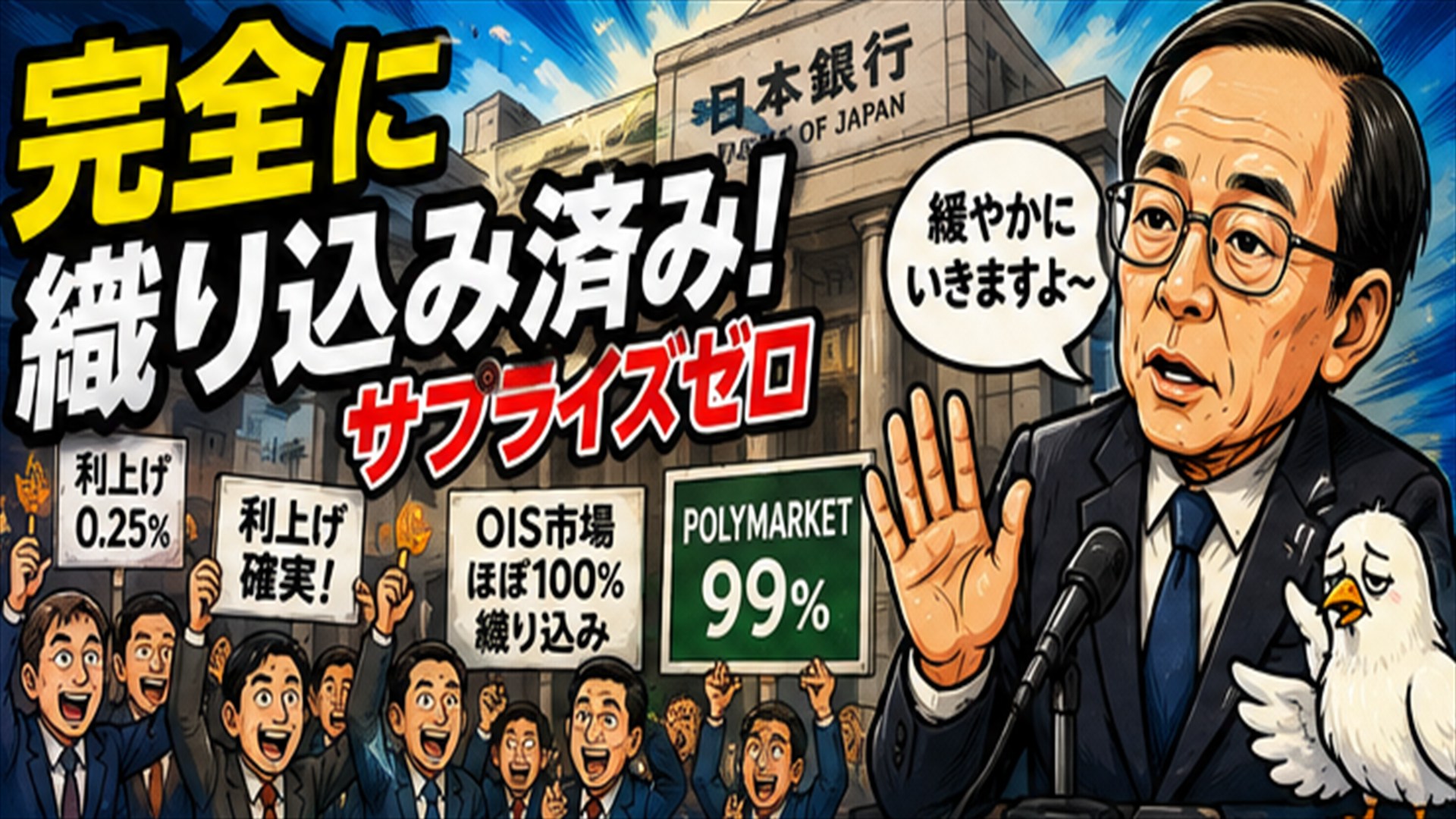
?Completely priced in, zero surprises
Most market participants had anticipated this rate hike in advance.
Various prediction markets had almost guaranteed a 0.25% rate hike, and major media repeatedly reported “June rate hike likely.”
As a result, the market on the day of the announcement was remarkably calm.
Typically, central bank policy changes move markets significantly. This time, it was like going to a movie after hearing the spoiler in advance. Knowing the ending, it’s natural that the audience wouldn’t be surprised.
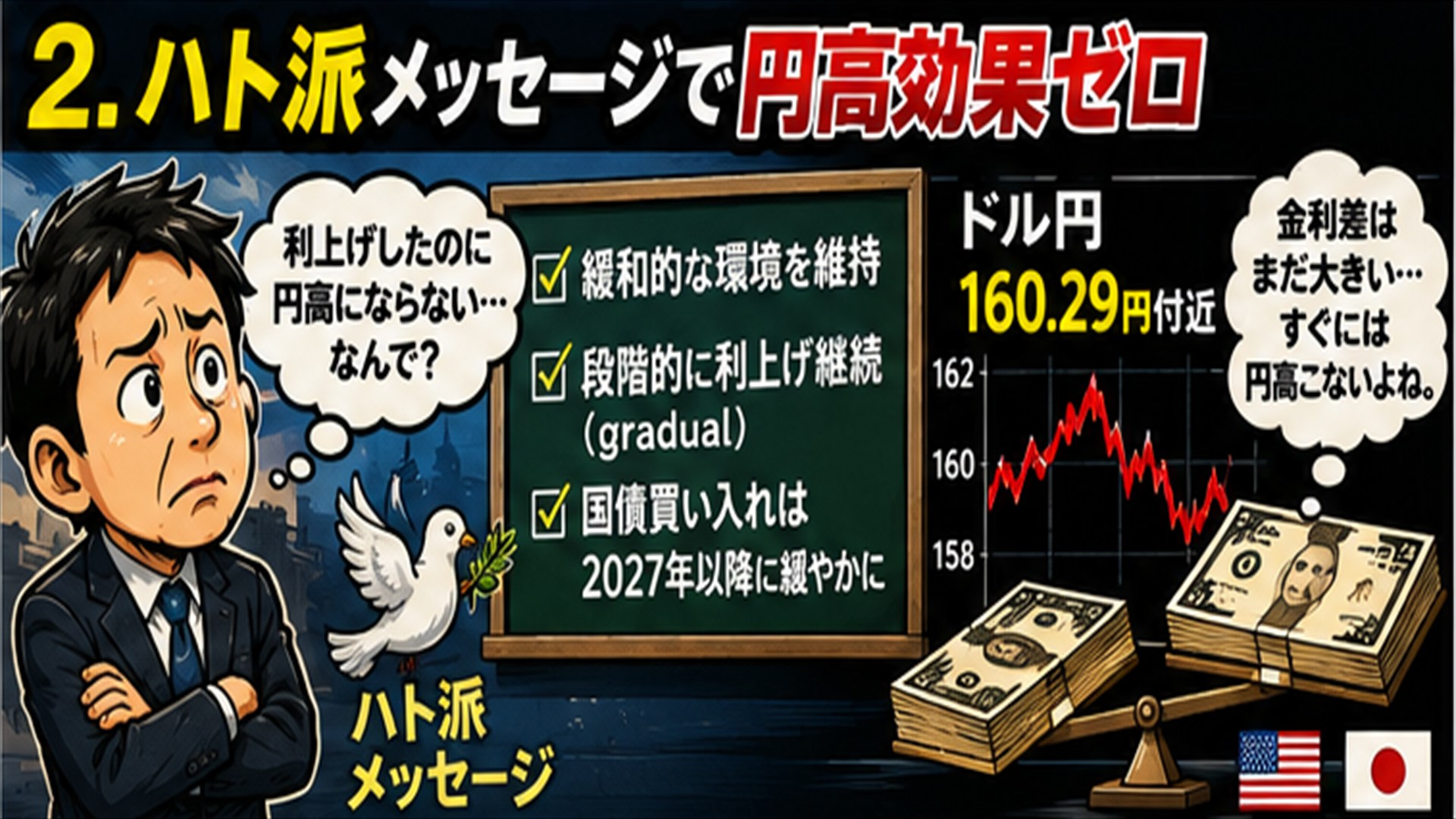
Furthermore, Deputy Governor Uchida, who spoke during Governor Kuroda’s absence, explained that he would “maintain an accommodative monetary environment” and that hikes would proceed gradually.
What the market heard was not “we hiked,” but “please don’t worry, even so.”
Additionally, the gradual reduction of government bond purchases was presented with a cautious approach extending to 2027 and beyond.
This doesn’t look like tightening as much as a rate hike designed to avoid shocking the market as much as possible.
?Dovish nuance and the limited impact on yen strength
After the hike, the USD/JPY moved briefly toward yen strength, but that momentum did not last long.
In the end, the U.S.-Japan interest rate gap remains large, and this 0.25% hike alone does not change the landscape dramatically.
What the market focused on was not the hike itself, but how much further it would be raised in the future.However, the message in the press conference was very cautious.
- Not in a hurry
- Proceed gradually
- Maintain a accommodative environment
Hearing such language, investors conclude that “major tightening won’t occur for the time being.”
As a result, dollar buying remained limited, and the dollar-yen stayed around the 160 level. For market participants hoping for yen appreciation, this was a letdown.
Instead, the market may have been left with the impression that the BOJ is not yet seriously aiming for a stronger yen.
?The timing of Iran peace talks and crude oil decline was almost too perfect?
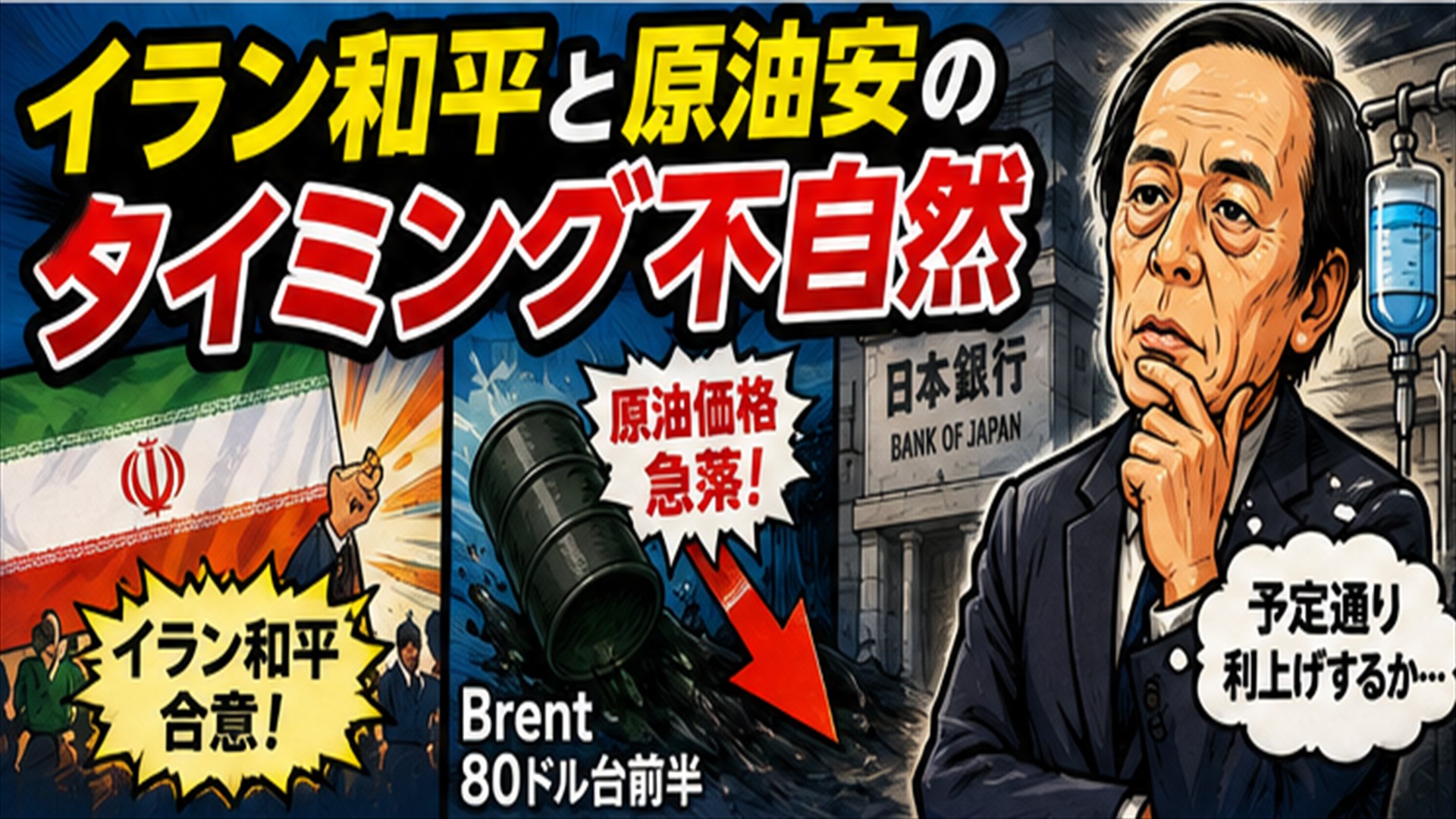
What’s interesting about this rate hike is its timing.Right before, expectations of easing in Iran’s situation spread, and crude oil prices began to fall.
One inflation driver in Japan is rising import prices. In particular, energy prices directly affect corporate costs and living costs. When crude oil prices started to fall, it made sense to raise rates, but it also created a sense of mismatch in the market.
“Wouldn’t it have been better to wait and assess the situation a bit?”It’s not surprising that such voices emerged.
Nevertheless, there were probably other considerations for the BOJ. If they had delayed in an environment where rate hike expectations had already permeated the market, it could have caused market turmoil.
If a rate hike 99% priced in is suddenly canceled at the last moment, there would be a risk that people would suspect the BOJ was aware of some serious issue.
In other words, this decision may have reflected considerations not only of economic indicators but also market psychology.
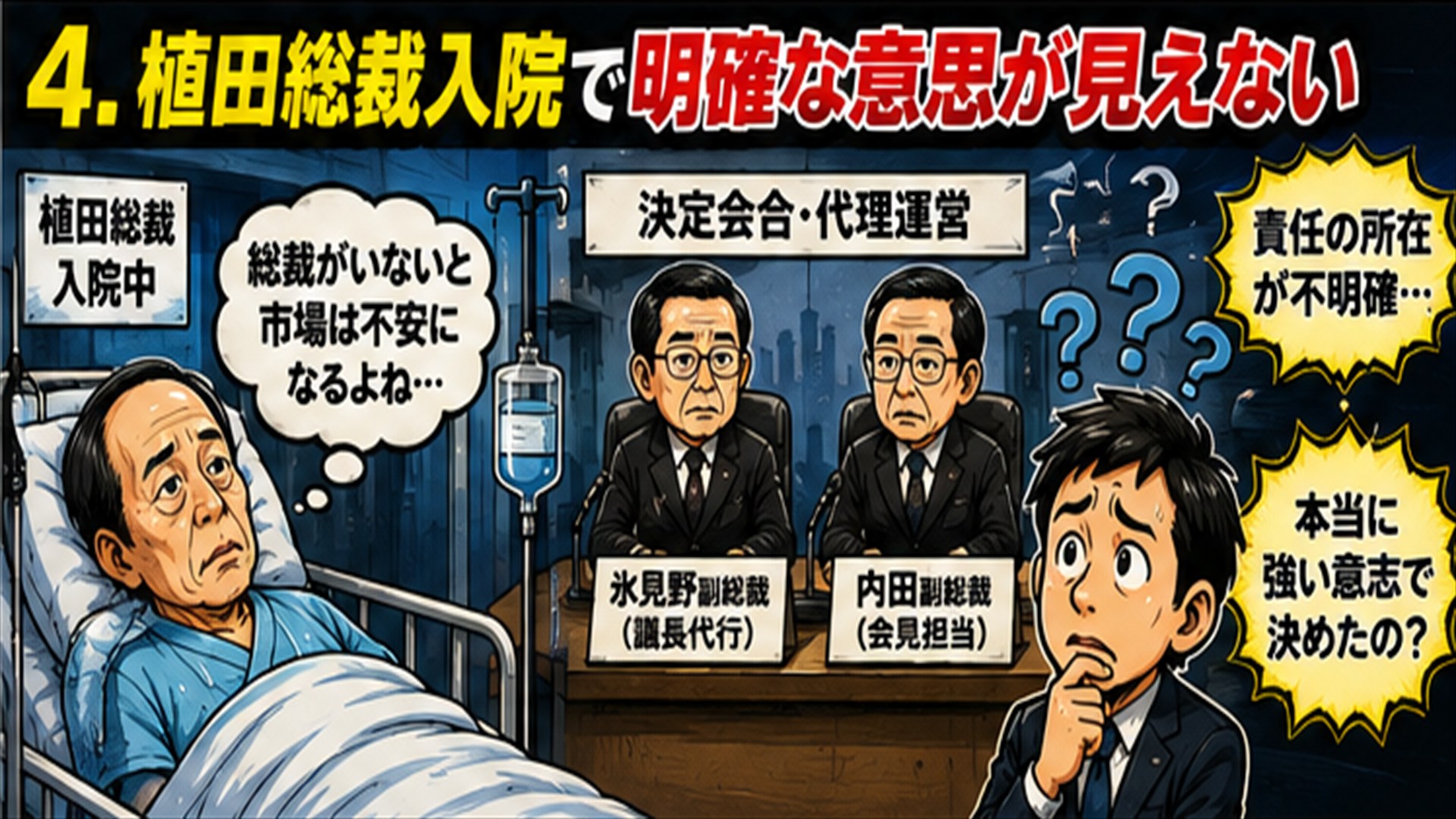
?The communication problem revealed by Governor Uchida’s absence
Another major topic this time was Governor Kuroda’s absence.
In an unusual situation where the policy meeting proceeded without the governor, Deputy Governor Uchida took the lead. Of course, the governor’s illness is not his fault. However, from the perspective of market communication, it was a significant negative factor.
Central bank governors’ statements can be more important than the policy change itself at times.Especially in a rate-hiking cycle,
- Why now
- What will happen from here
- How far will they go
There is a role for directly explaining these things to the market.
However, this time the central figure was absent. As a result, the market was left with the impression of insufficient explanation, and questions arose about whether real decisive decision-making existed within the BOJ.
?Impact on the economy and the market’s true feelings
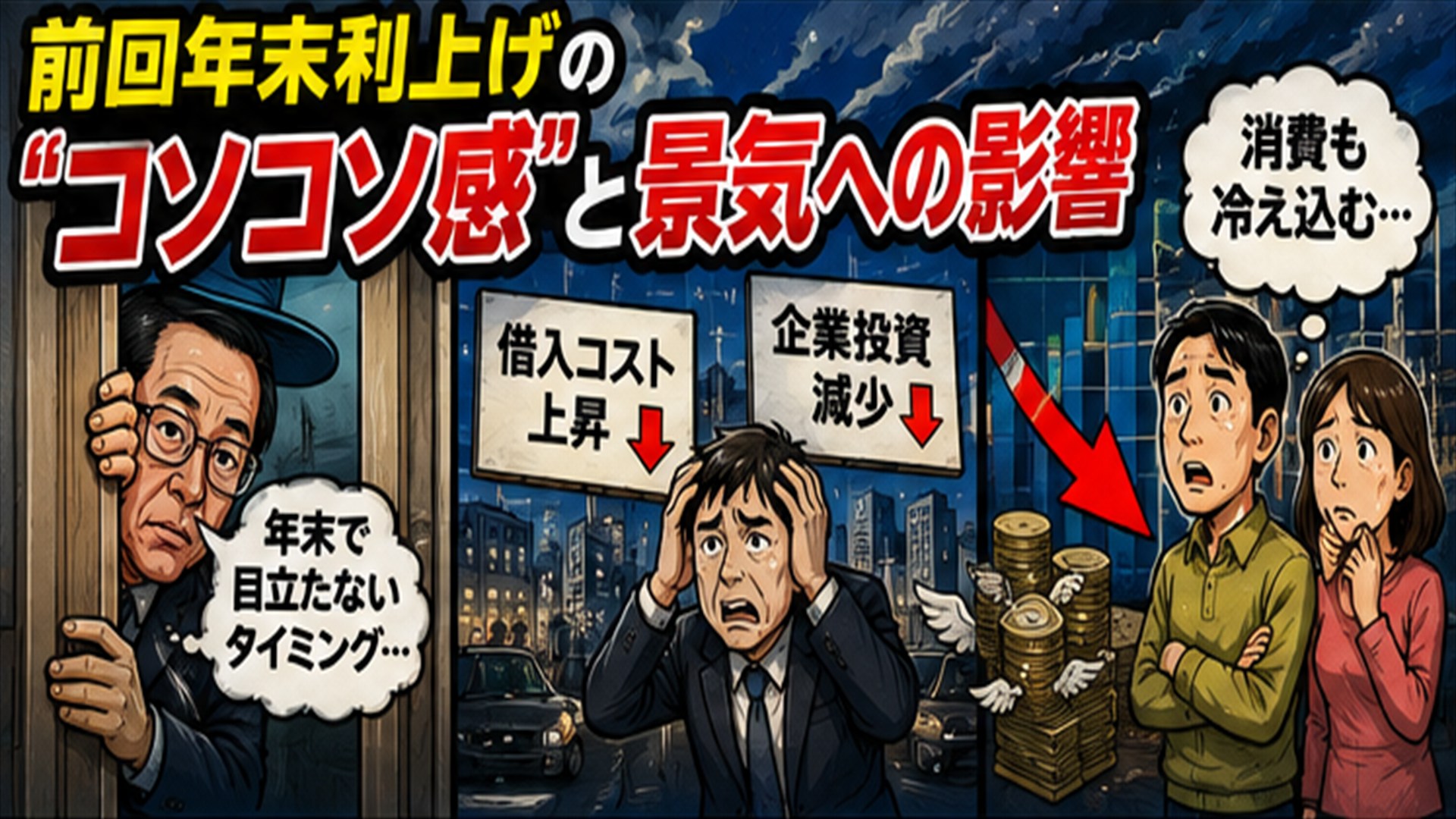
As with any rate hike, there are side effects.
Rising mortgage rates, higher corporate borrowing costs, and a braking effect on capital expenditure—all can negatively affect economic activity.
Even though the rate increase is small at 0.25%, the cumulative effect can influence the economy. On the other hand, continuing ultra-low rates could lead to asset price overheating and a tilting of the yen’s value.
The BOJ seems to be trying to balance these factors.
But what the market feels is a sense of ambiguity: “Are they normalize policy or not?” It seems like a policy that presses both accelerator and brake at the same time, leaving investors unsure.
As a result, markets have not moved much and have remained in a stalemate.
?What the market is really watching
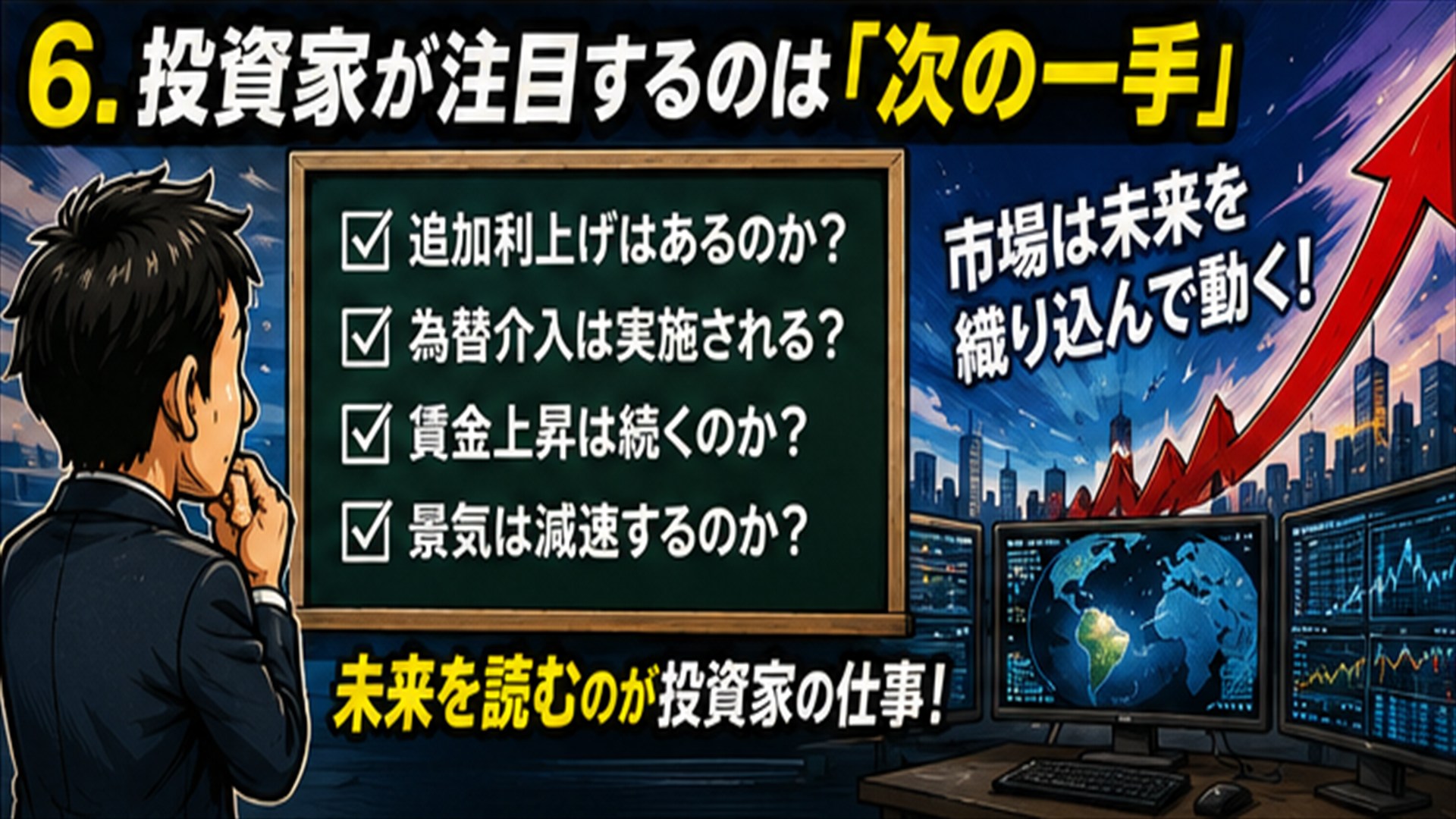
In fact, what the market is paying attention to more than this rate hike is the next move.
- Will there be further rate hikes
- Will currency intervention be implemented
- Will wage growth continue
- Will the economy slow down
Investors are always looking to the future.
Many investors feel that Governor Kuroda should explain the necessity of the rate hike and his future policy directions himself, and make his responsibility for those decisions clear. Of course, if hospitalization or recovery were necessary, absence is understandable.
However, given the unusual absence of the governor,it is also true that speculation spread online that he avoided explanation.To prevent such speculation, it was important to consider how to supplement market communication.
That’s perhaps why even the major news of raising rates to a 31-year high didn’t move the market much.
?Reasons the market didn’t move even with a historic rate hike
The BOJ’s policy rate hike was a historic decision. Yet for the market, it was a “surprise-free” hike.
It had been priced in well in advance, the press conference emphasized dovish messages, and an external factor of falling crude oil prices further reduced the yen-strengthening effect.
Perhaps the biggest issue this time was that the questions of “why now” and “what comes next” were not conveyed sufficiently.
Even though the rate hike was a historic move at a 31-year high, the market’s attention was already on the next move. Will there be additional rate hikes, will the yen weaken or stabilize, and how far will the BOJ continue to normalize policy?
This rate hike may not be the end, but rather a starting point for those answers.
Free, zero-risk trading simulator to practice and verify at will!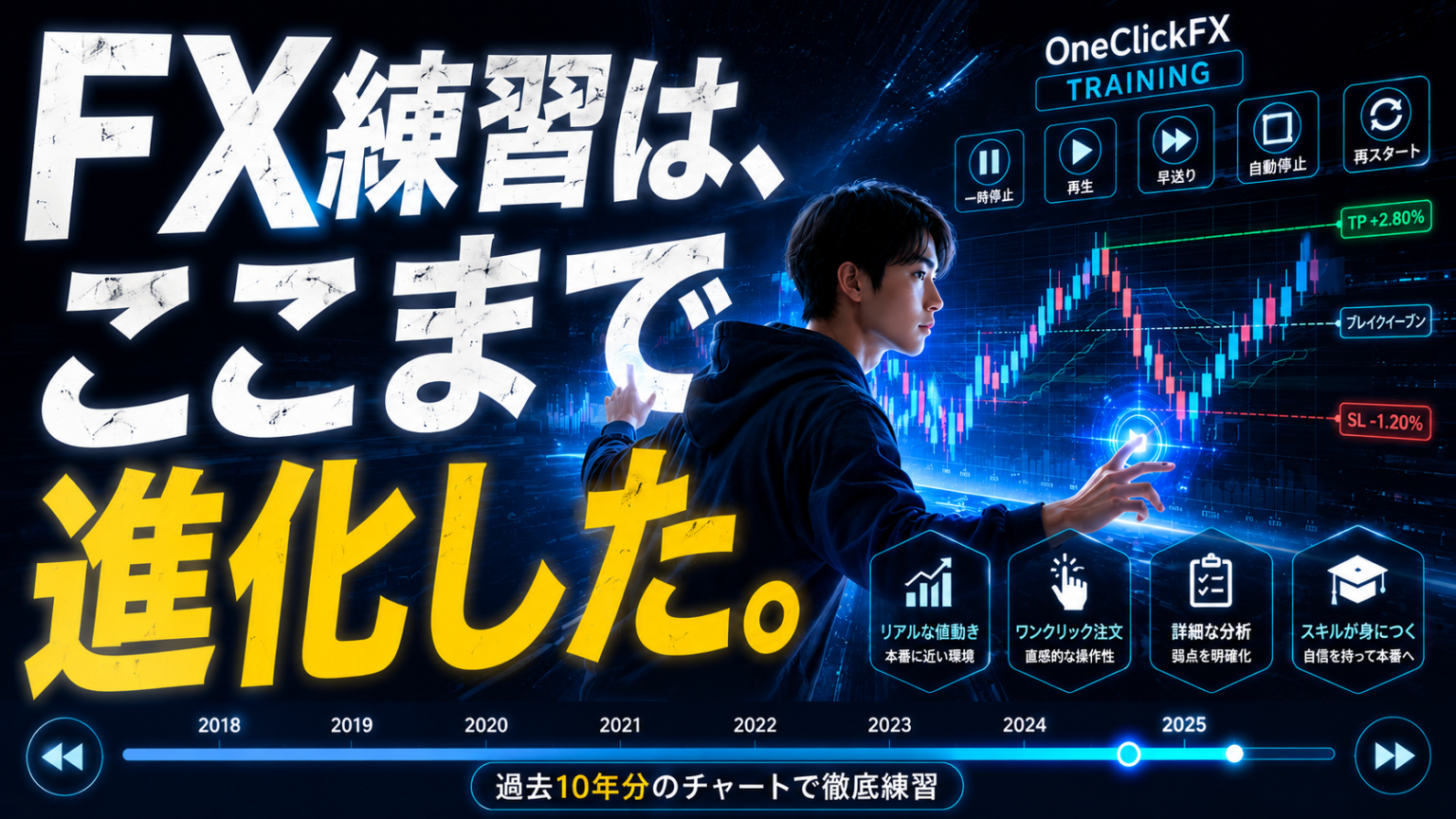
Details page for One-Click FX Training MAX