
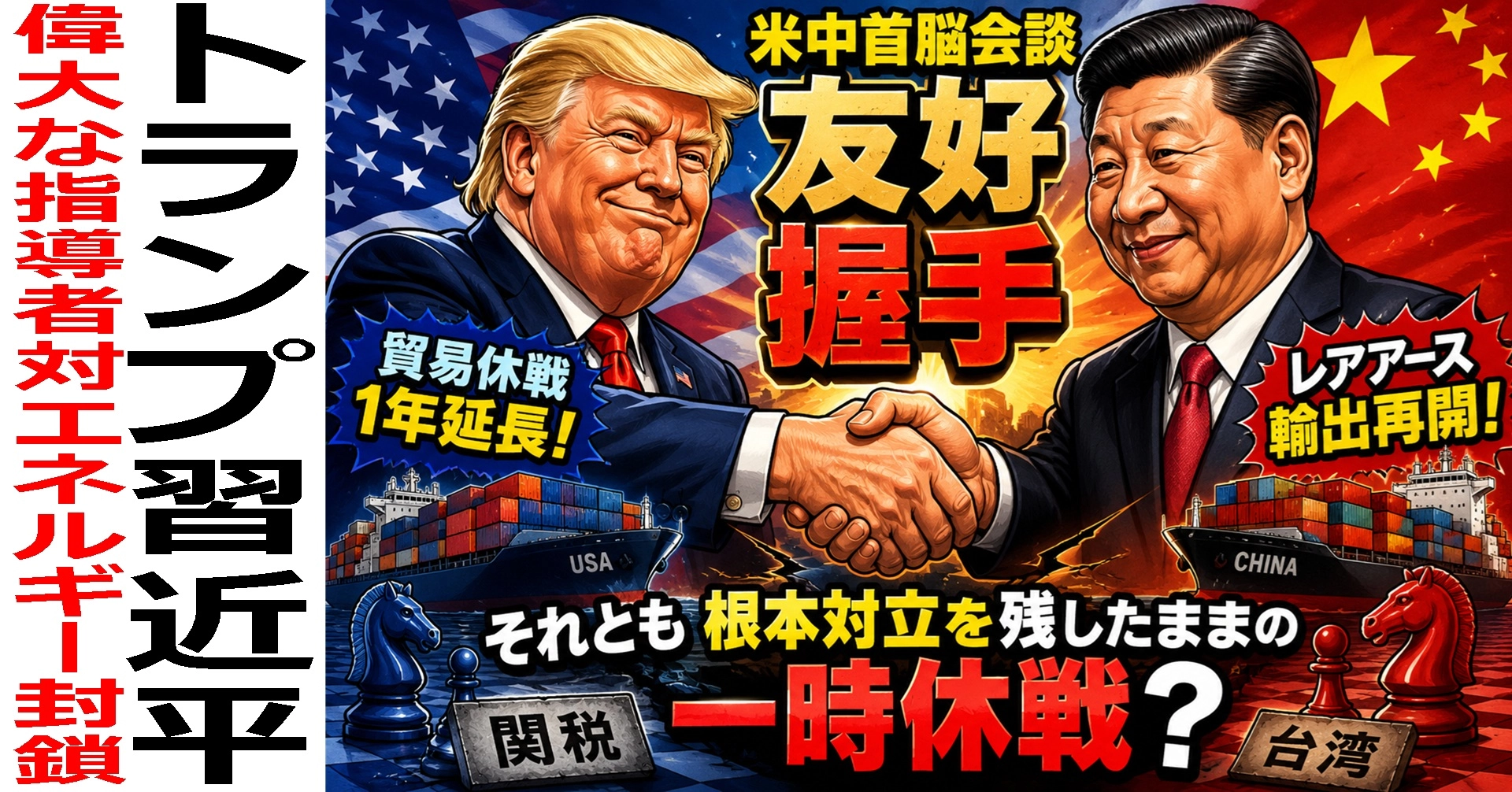
What is moving behind the scenes of the May 2026 Xi Jinping-Trump Beijing meeting and the “friendly handshake”?
“Because we are smiling and shaking hands, they must be on good terms.” Is that really true? On May 14, 2026, at the Great Hall of the People in Beijing, a summit meeting between U.S. President Donald Trump and Chinese President Xi Jinping was widely reported by media around the world as a “historic meeting.” A huge red carpet, guards, a state banquet, and beaming smiles.
However, the reality is not that simple. The United States and China are in conflict across almost all areas—trade, semiconductors, Taiwan, energy, and security.On the surface, both sides emphasize “cooperation,” “stability,” and “friendship,” while behind the scenes they apply pressure on each other.
Moreover, this time even top leaders of major U.S. companies such as Elon Musk, Tim Cook, and Jensen Huang accompanied the talks. Let’s整理 the behind-the-scenes of this Beijing summit.
?FX Next Generation: One-Click FX Training MAX
? Grand welcome ceremony and the leaders’ “sweet words”
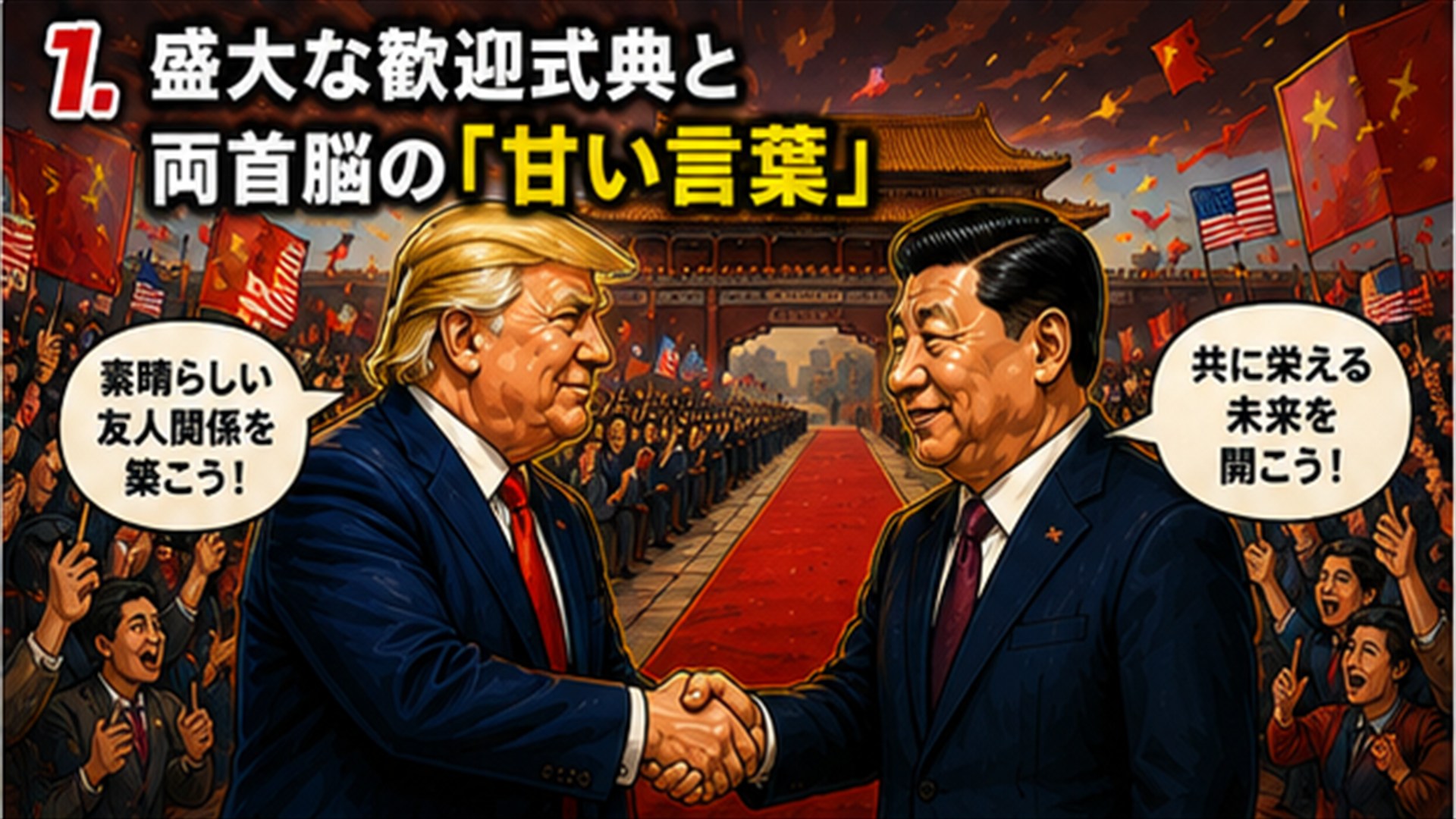
At the Great Hall of the People, twenty-one cannon salutes and guards lined up for a luxurious welcome ceremony fitting for state guests.President Trump praised President Xi Jinping as a “great leader” and a “friend,” and Xi responded that cooperation would benefit both sides.
However, this smile is less a sign of true feelings and more a negotiation performance. Trump is known for his style of flattering the other and applying pressure, and China has grown wary of the United States over issues such as Iran's oil.Behind the handshake, a substantial amount of calculated bargaining continues.
? What is the reality of the so-called “positive results” in the trade area?
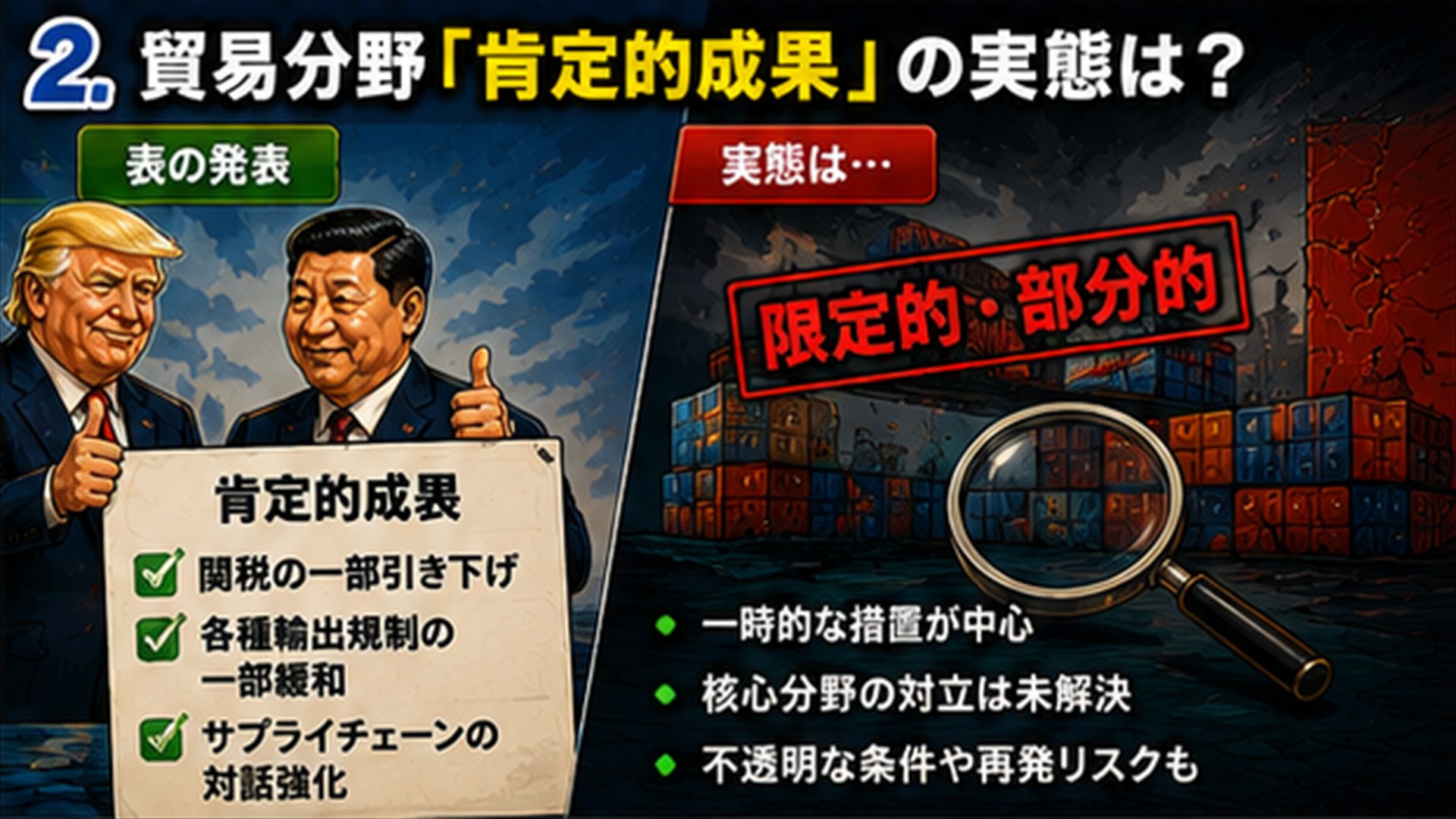
Xi Jinping described the talks as having “positive results.” China wants to maintain a trade truce amid its economic slowdown, and the Trump administration wants to avoid a full-scale confrontation.
The talks touched on Boeing aircraft purchases and expanded LNG purchases, with Elon Musk and Tim Cook among the accompanying U.S. corporate leaders. Yet fundamental issues such as tariffs and semiconductor restrictions remain unresolved.
Market views also see this as “a temporary halt with fundamental conflicts left unresolved,” leaving the impression of a conflict-delaying agreement.
? China’s strong warning on the Taiwan issue
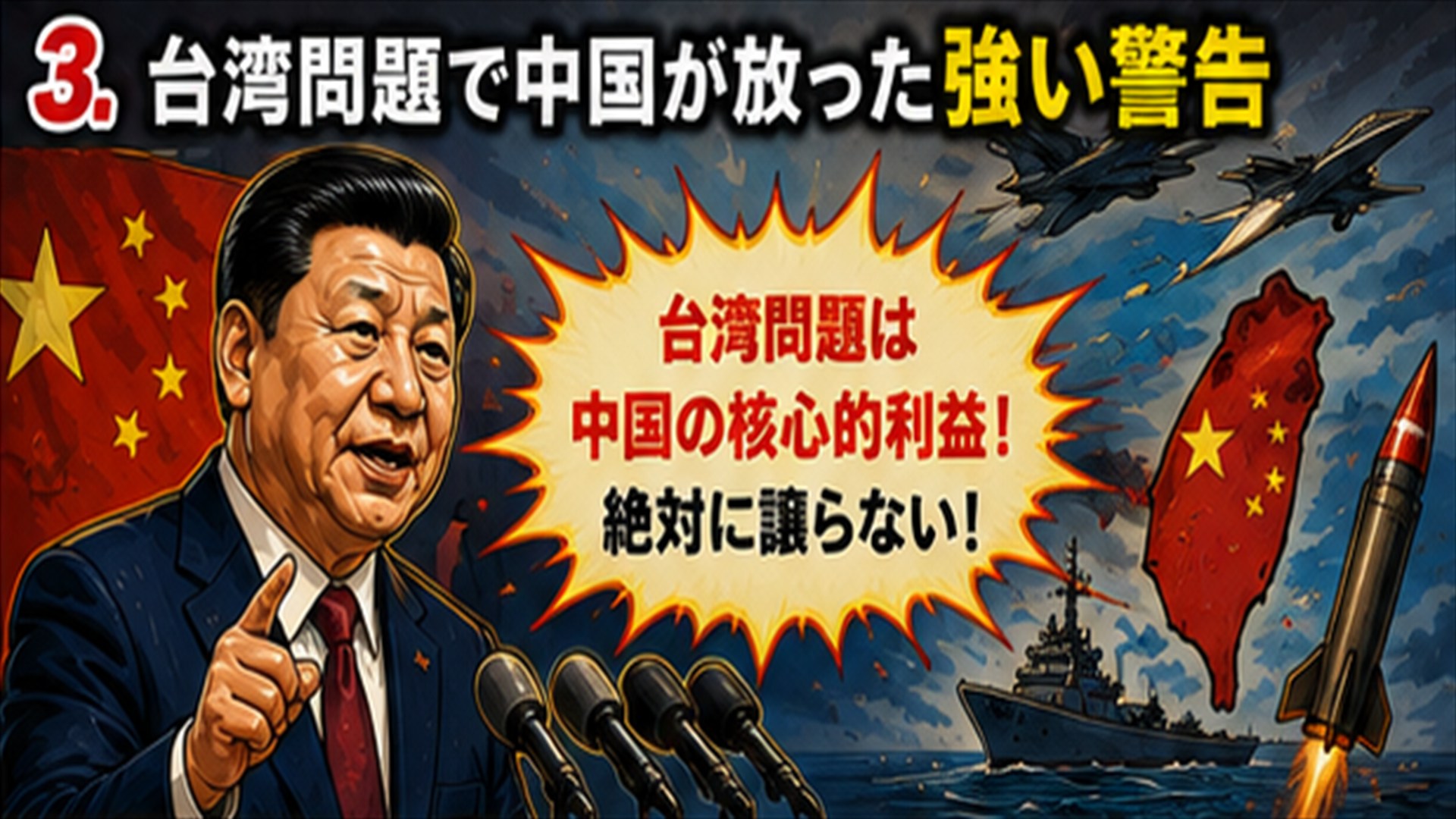
Taiwan is the issue the Chinese side is most sensitive about. It warned that mishandling could lead to dangerous consequences and strongly opposed U.S. arms sales to Taiwan.
Trump also indicated he would discuss arms sales on the order of about $1.1 billion, further increasing China’s wariness.
For Japan, any Taiwan contingency would significantly affect Okinawa and the semiconductor supply chain, making it a crucial topic. However, globally, the immediate concerns are Iran and the Strait of Hormuz, which have a larger impact on energy prices and market caution right now.
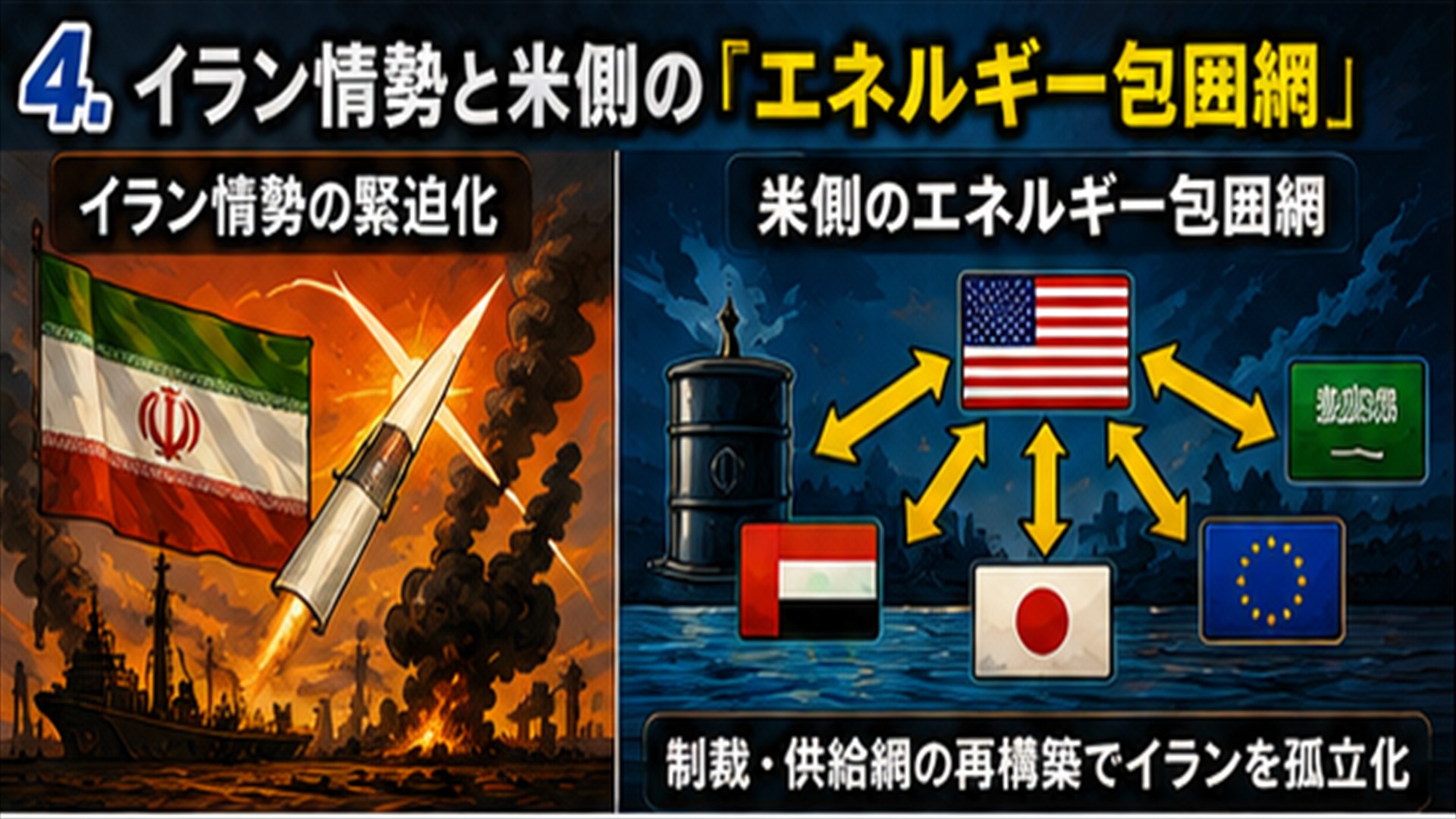
? Iran situation and the U.S.-led “energy containment”
The United States is wary of China’s purchases of Iranian crude and is expanding its influence in Venezuela as well.In other words, the United States is pressuring China not only in semiconductors but also in the energy arena.
For a giant manufacturing nation like China, securing energy is a lifeline. Yet the U.S. does not want China’s economy to collapse either.
As a result, the U.S. and China continue a “managed interdependence”—conflicting while dependent on each other. It is an unstable structure that avoids full confrontation while continuing to apply pressure.
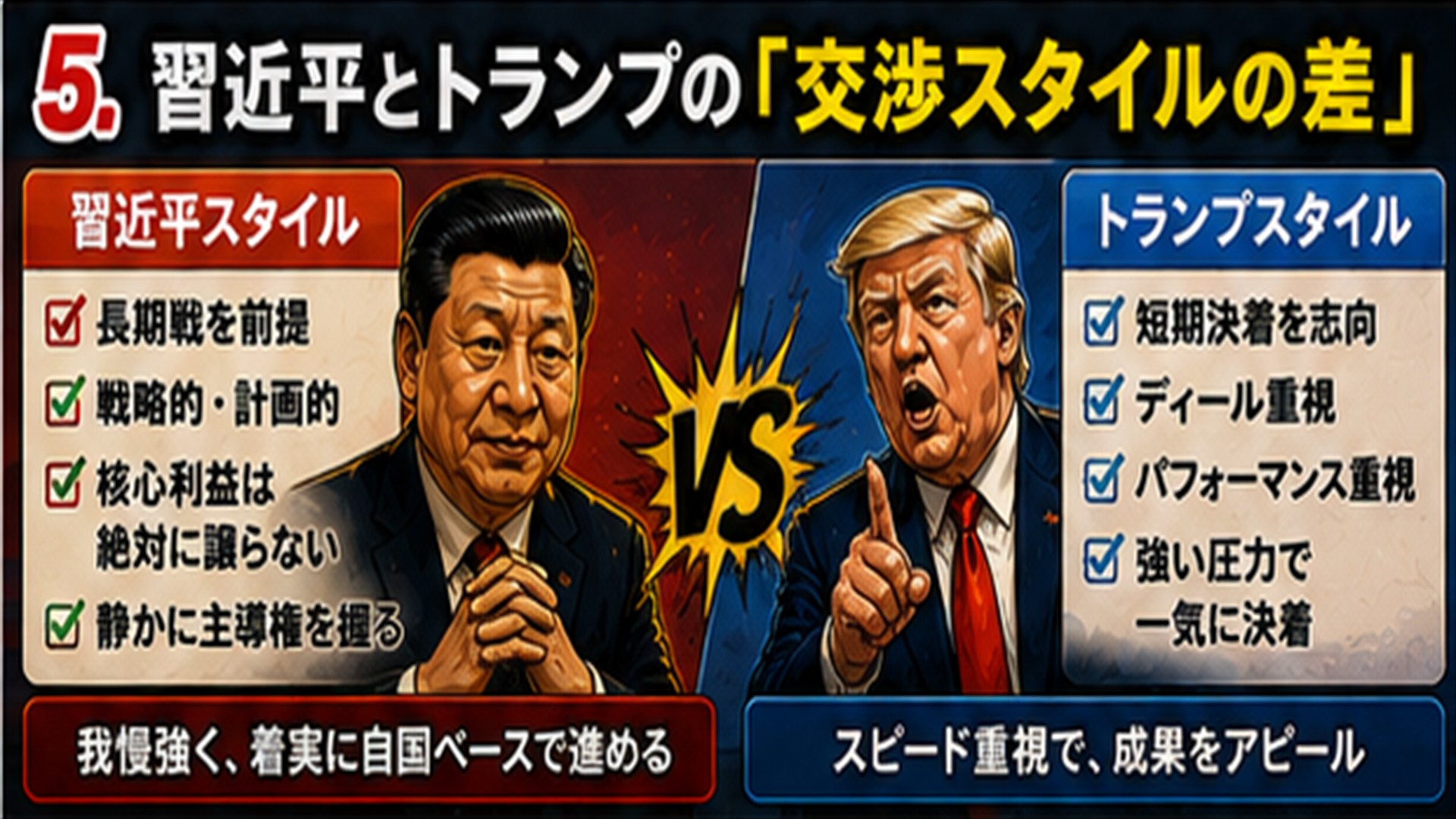
? Xi Jinping and Trump’s “different negotiation styles”
Xi Jinping is not so much a “skilled negotiator” as a leader who prioritizes risk avoidance and long-term strategy.China typically has its economic team and foreign ministry shape the substance in advance, and the top-level talks mainly serve to confirm and stage the agenda.
On the other hand, Trump is improvisational, trying to gain concessions by combining praise and pressure. China, however, will not compromise on core interests like Taiwan and tends to stall for time with minimal concessions.This time too, the talks are likely to be more about pre-arranged content confirmation than dramatic new agreements.
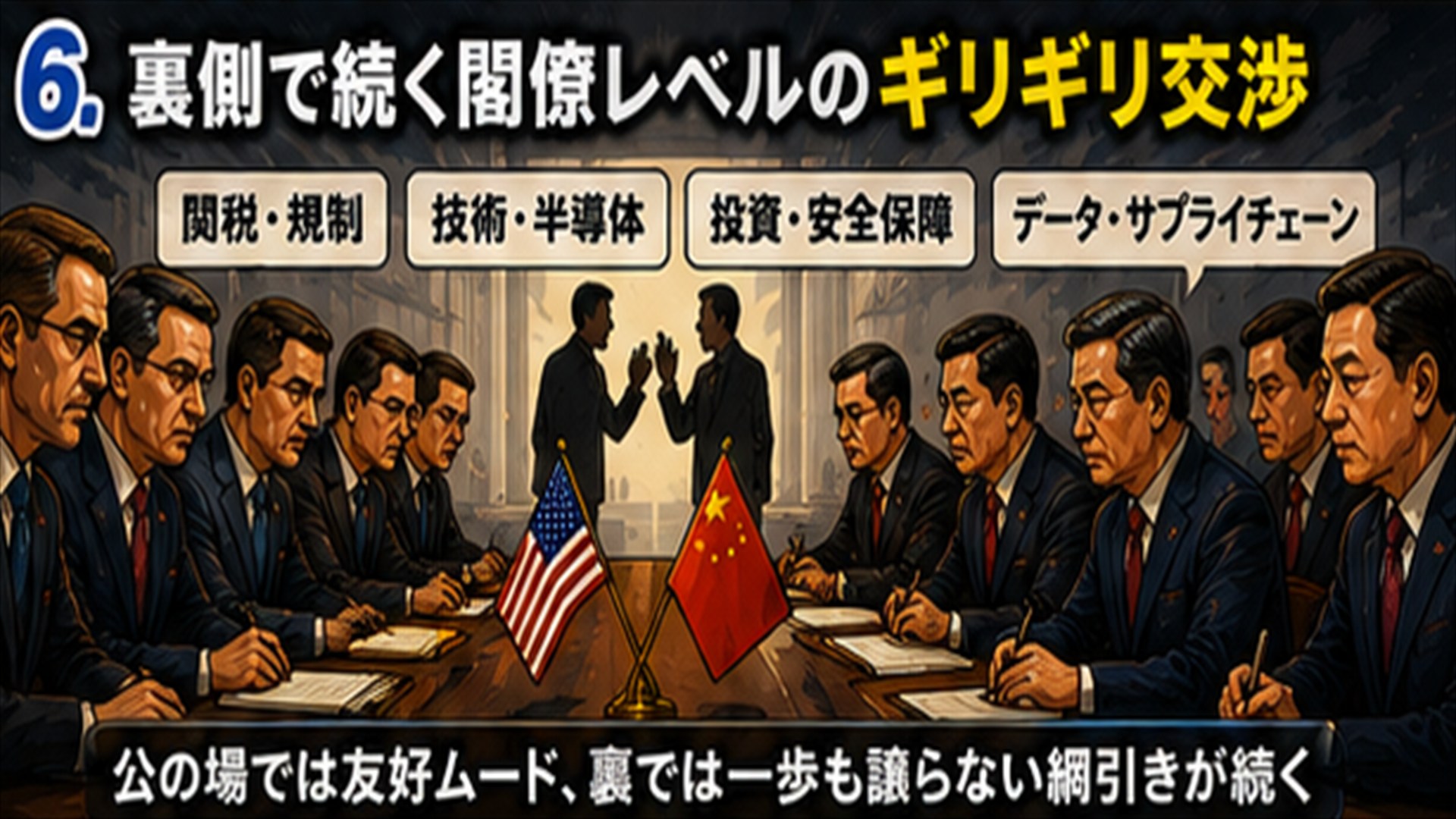
? Behind the scenes: high-stakes ministerial negotiations
Behind the summit, Treasury Secretary Steven Mnuchin and Vice Premier He Yanchi (何立峰) are fine-tuning trade and tariffs in detail. It appears long negotiations were also held in Seoul beforehand.
Secretary of State Marco Rubio and Secretary of Defense Pete Hegseth also joined, anda fairly sharp bargaining has been ongoing behind the scenes.
Market expectations are low for a historically great agreement, and the biggest gain this time may be simply avoiding a deterioration in relations.
? What lies beyond the U.S.-China “friendly handshake”
The Beijing talks on May 14, 2026, feature Trump’s praise diplomacy and Xi’s stability演出 on the main stage, while negotiations behind the scenes continue to project success.
Responses on social media also center on “no significant agreement” and “performance-first.” The U.S.-China style of pre-negotiations and backroom deals to accumulate minimal concessions remains unchanged.
For Japan, it is important to monitor Taiwan developments and accelerate diversification of energy and semiconductor supply chains. Whether this “friendly handshake” leads to real stability or merely buys time until the next confrontation remains to be seen. We should calmly follow future official results.
Train freely and verify with a completely risk-free trade simulator!
Details page for One-Click FX Training MAX