
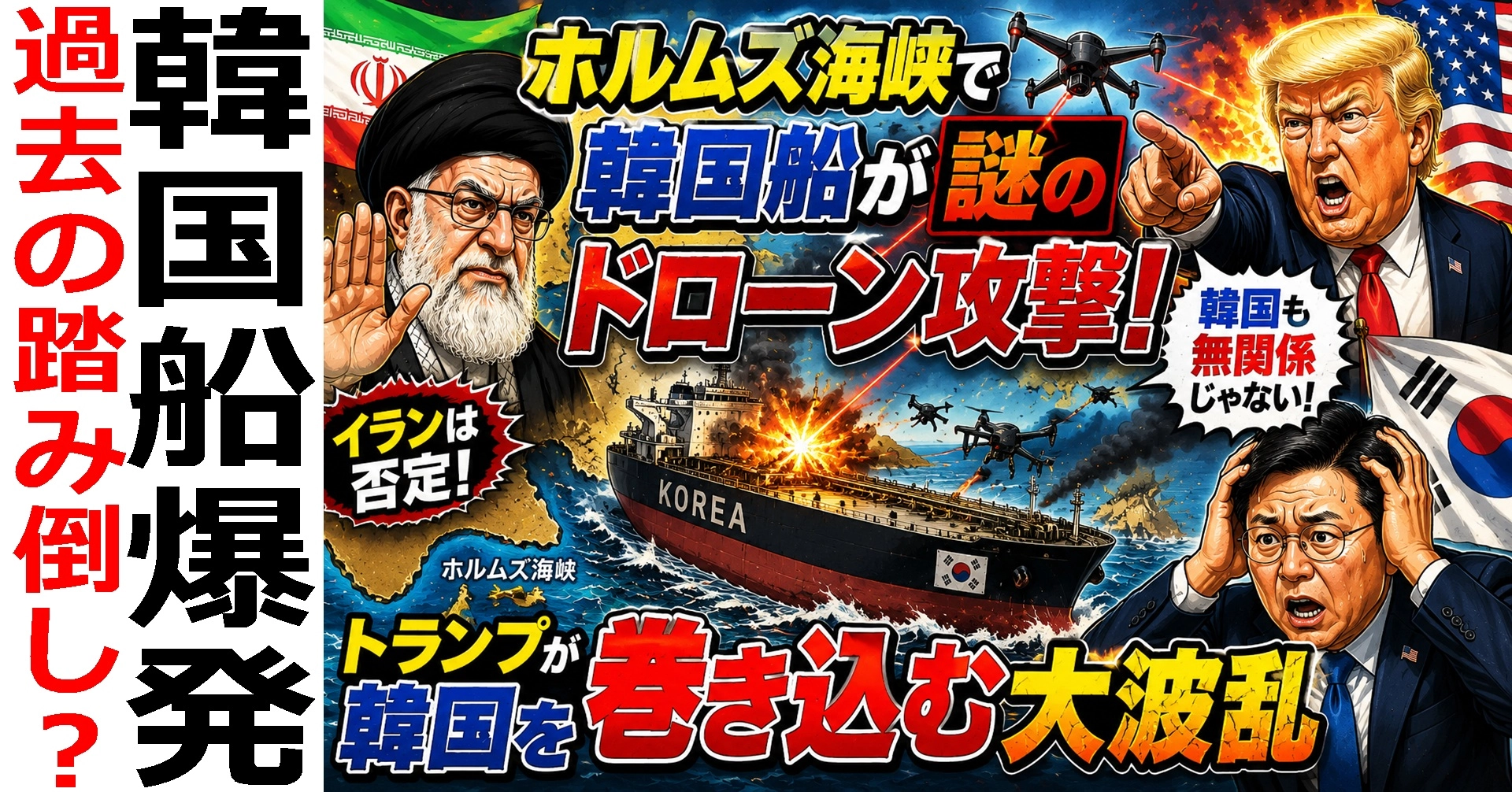
In the Strait of Hormuz, a Korean ship is attacked by a mysterious drone! Iran denies it, but Trump drags Korea into a great upheaval
“Attacks on Korean ships are a repayment for not paying Iran, so it’s earned punishment”Such comments are spreading on the internet. Is that really the case?
On May 4, 2026, in the Hormuz Strait, a critical hub for world oil transportation, the HMM Nam, operated by Korea's major shipping company HMM, faced sudden trouble. While at anchor near the UAE coast, a loud explosion occurred near the engine room, and a fire broke out.Fortunately, there were no injuries among the 24 crew members, but there is extensive damage to the stern with a large hole.
The Korean government described it as an “external attack.” Iran denied the attack, and President Trump pressed for Korea to also deploy troops to the strait. Korea finds itself caught between opposing sides in geopolitics. Let’s watch how this tight situation unfolds.
?FX New Generation: One-Click FX Training MAX
?HMM Nam suddenly struck by an explosion
In the afternoon of May 4, 2026, near the Hormuz Strait off the UAE coast. While HMM Nam, operated by HMM, was at anchor,a loud blast sounded near the stern’s port side around the engine room.A fire broke out, but was extinguished quickly. All crew members are safe.
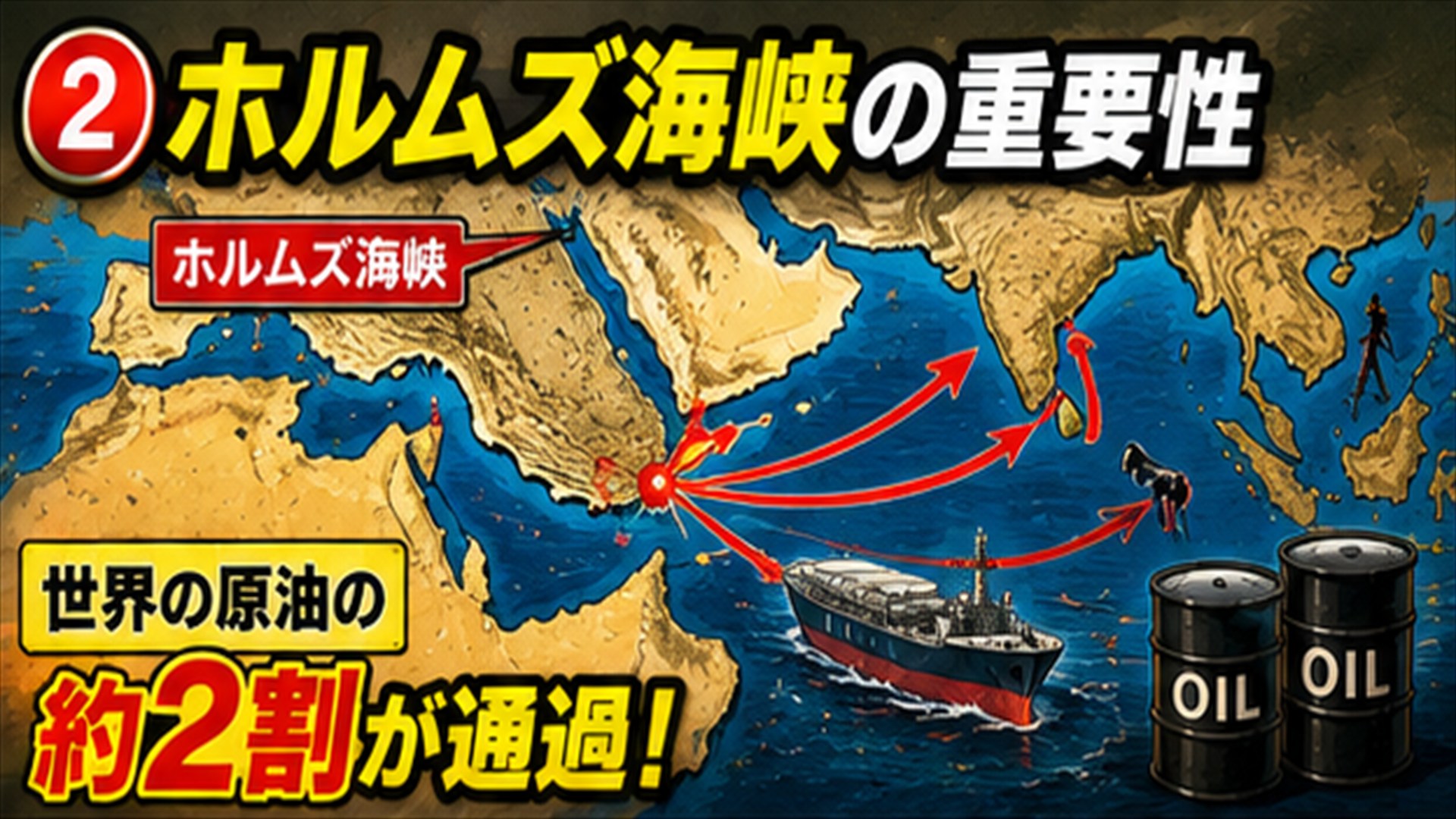
The Hormuz Strait is a narrow passage from the Persian Gulf to the Arabian Sea, a crucial route where about 20% of the world’s oil shipments pass. It often appears calm, but tensions between the United States and Iran, coupled with the “Freedom of Navigation” escort operation project, keep navigation tense. The Korean government immediately announced an external attack and dispatched a fact-finding team. This event makes peaceful voyages feel like they have turned into a battlefield in an instant.
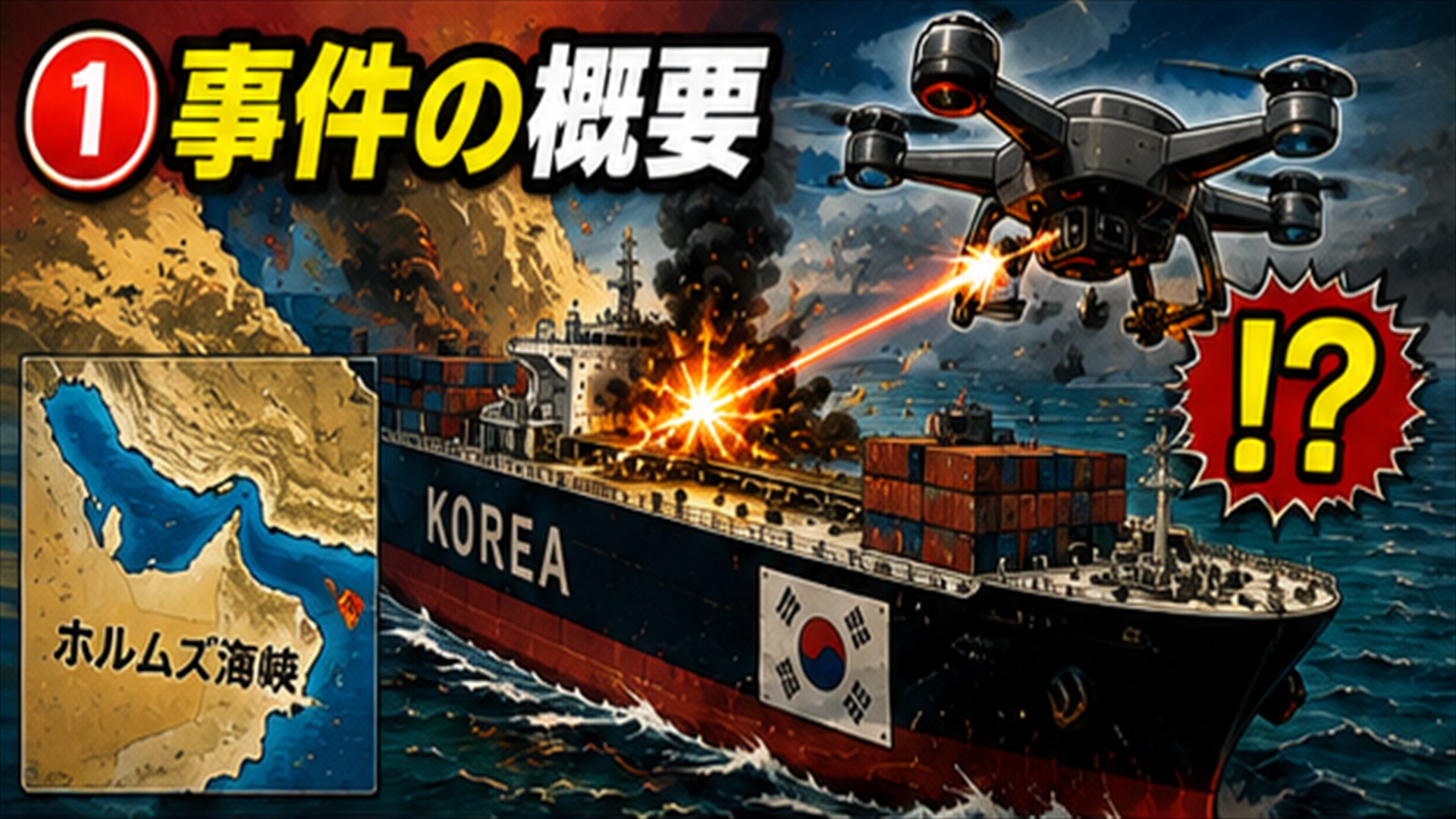
? A large hole at the stern! Repair costs running into tens of millions per day
The damage is severe. A large vertical hole about 5m by 7m opened in the stern’s outer plate, with about 7m of internal damage. After the explosion, flames and smoke rose, and the hull reportedly shook violently. Preparations for full-scale repairs are underway, with daily losses estimated at tens of millions of won (Korean currency) or more.
Large bulk carriers like HMM are “sea trucks” carrying iron ore and coal. A single repair could reach the hundreds of millions of won, shaking the entire Korean shipping industry. The crew’s safety was preserved, but the economic toll is immeasurable. It’s as if a peaceful voyage was stabbed by the injustice of simply being docked, doesn’t it?
? The attacker is unidentified? Two drones hit in one-minute intervals
The Korean government (Ministry of Foreign Affairs, etc.) concluded that two unidentified aerial vehicles hit the stern at roughly one-minute intervals. They appear to be low-flying suicide drones, and the geographical features of the Hormuz Strait, which complicate radar avoidance, were to blame. Debris suggests drone origin, but the launch source and nationality cannot be determined.
Iran denied involvement, and the Korean Embassy stated it “strongly rejects involvement.” Meanwhile, experts (KAIST professors and Asan Policy Institute) point to the possibility of Iran-made Shahed-type drones, noting similar patterns of precision strikes. While countries nudge each other, officially they remain “unidentified.” In this information-warfare swirl, who is the actual perpetrator?
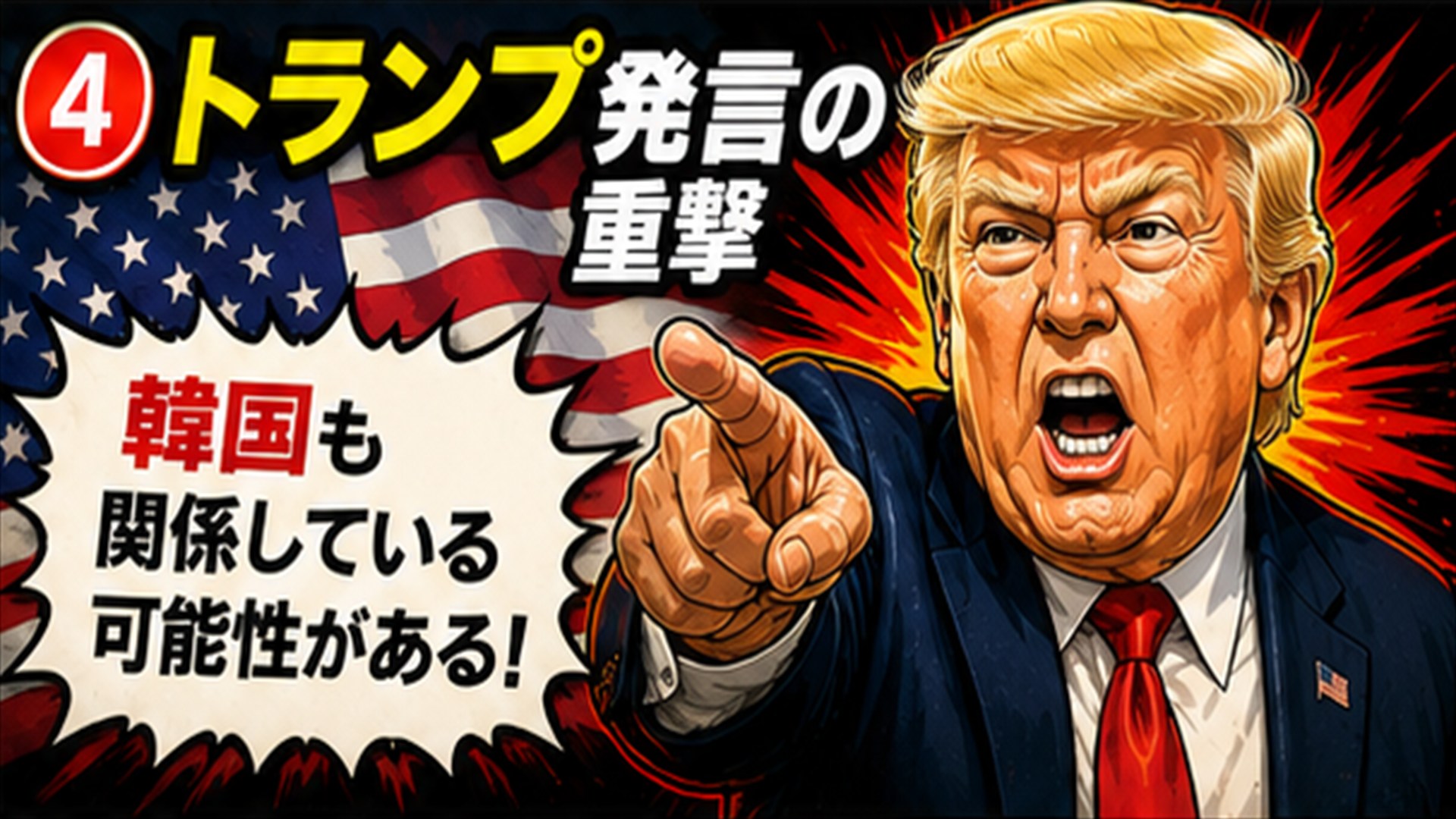
? Trump’s pressure! Korea should join Project Freedom!
Immediately after the incident, President Trump claimed Iran was responsible and urged Korea to participate in the ship escort mission. Project Freedom is a U.S.-led operation to protect civilian vessels in the Hormuz Strait to curb turmoil there.
But Korea is caught between the U.S.-Korea alliance. If it joins, relations with Iran could worsen; if it does not join, the threat to dispel the presence of about 28,500 U.S. troops in Korea looms. Looking at Germany’s withdrawal of 5,000 U.S. troops over Iran, Trump’s “deals” could intensify diplomatic pressure on Korea. Public opinion at home is also complex.
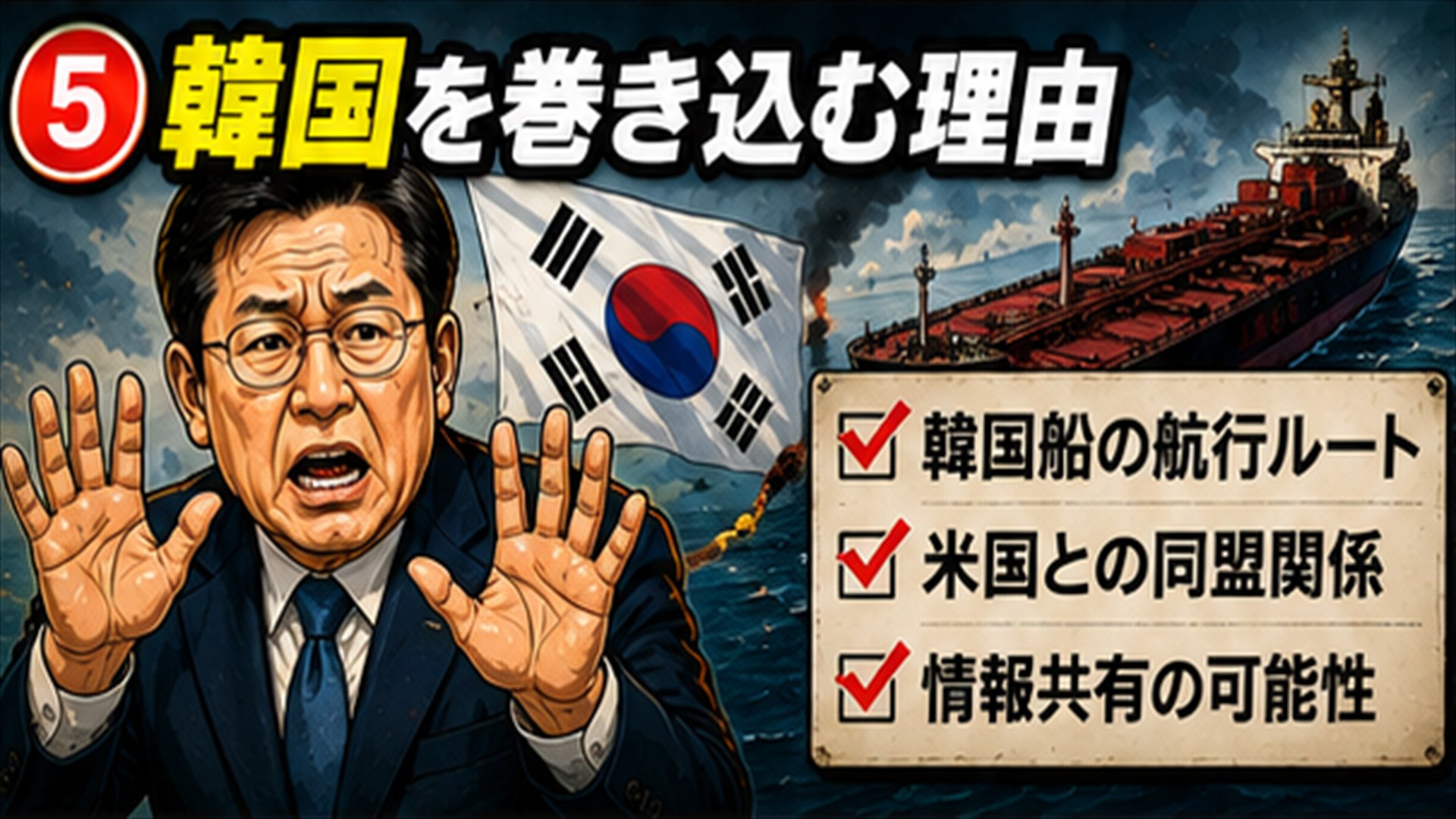
? Old grudges? The shadow of Iran’s oil payment freeze issue
Some on social media ask, “Korea is retaliating because it didn’t pay for Iranian oil?”, but this is inaccurate. from 2018 to 2023, due to U.S. sanctions, about $7 billion (roughly 1 trillion won) of Iranian crude payments were frozen in Korean banks (e.g., Woori Bank). Korea did not intentionally refuse payment; it was unable to move funds due to sanctions. The issue was resolved in 2023 via routing through Qatar.
Iran as of that time seized the tanker “Chemie” to pressure Korea, leaving a lasting psychological impression. With Korea now reducing dependence on Iranian crude, there is a perceived risk that Korea could be a tempting target. It’s a grim irony.
? Chinese ships also attacked simultaneously! The chaos is broader than Korea
In fact, a Chinese-owned oil tanker (Marshall Islands flag, JV Innovation-related) was attacked near the Hormuz Strait, with its deck in flames. The Chinese Foreign Ministry protested, calling the incident “extremely serious.” Other vessels with French or UAE-related flags were also damaged, suggesting that the Korean ship was likely not the sole target by chance.
IRGC (Islamic Revolutionary Guard Corps) gray-zone tactics… an organization where central orders and on-site discretion can separate, targeting “tolls” from unpermitted vessels. Even with official denials, there is a strong possibility of rogue action at the edge or misidentification. irrespective of nationality, ships face danger, which is now evident.
? Korea caught between two fires? Refusal to participate could threaten U.S. troop withdrawal?
For Trump, this incident is prime talking material. Refusing to participate in Project Freedom could intensify pressure to reduce U.S. troops in Korea. Japan faces constitutional hurdles to participate, while Korea’s alliance strength makes it prone to demands of “shared burden.”
Domestic public opinion is largely against participation (polls show over 55–60%). There is strong sentiment not to be drawn into others’ wars, yet the North Korean threat makes U.S. troops indispensable. The government says it is carefully investigating to avoid preconceptions, but the dilemma is more severe than imagined. It feels like a high-stakes tightrope diplomacy.
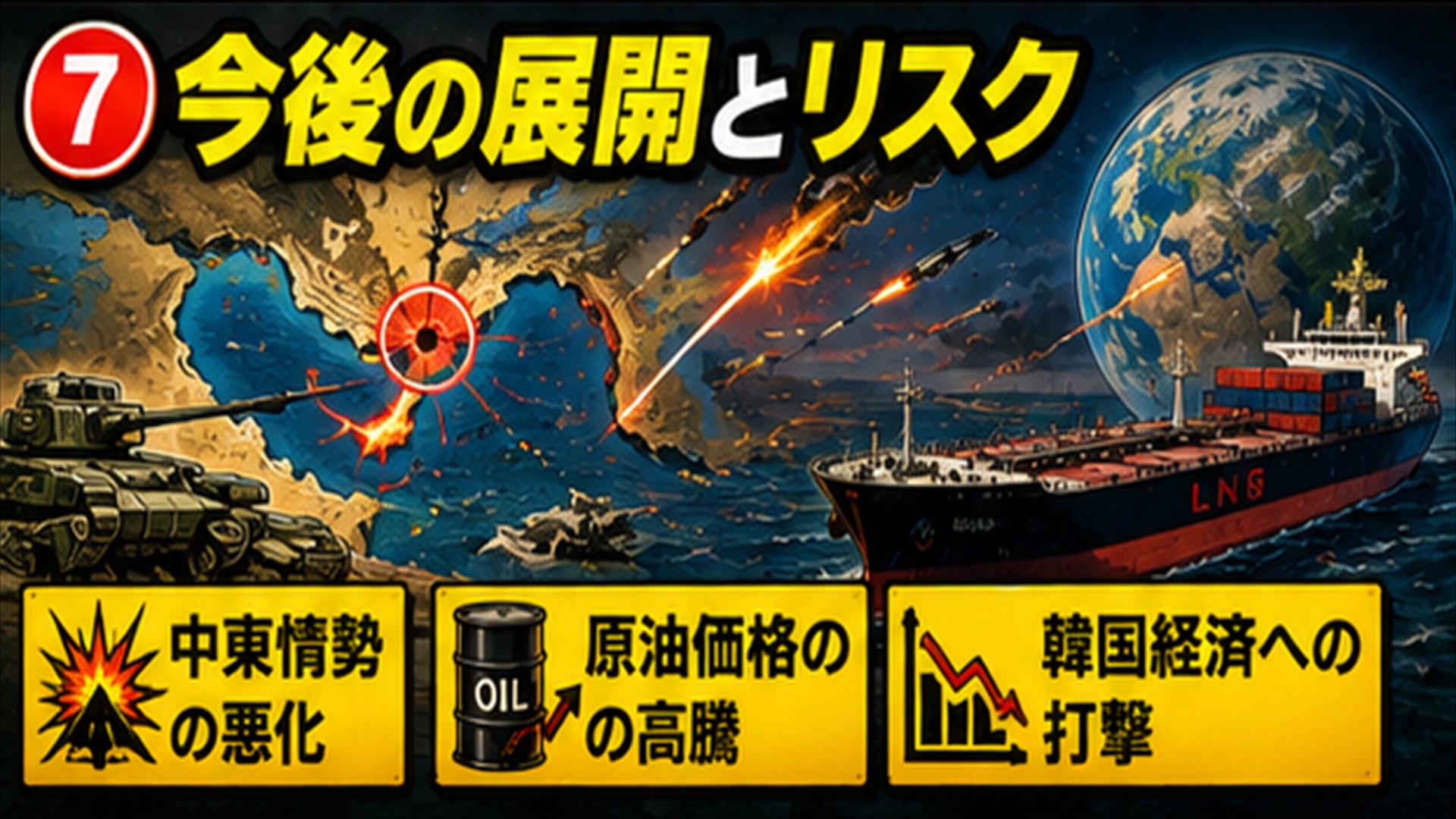
? The Hormuz Strait turmoil is not someone else’s problem
The attack on the HMM Nam in the Hormuz Strait is not just a ship incident; it mirrors U.S.-Iran tensions. The damage is extensive, the attacker is unidentified, and Korea is under Trump’s pressure and in a difficult position. Past oil freeze issues and simultaneous attacks on Chinese ships suggest that this is not Korea-specific resentment but part of a broader chaos.
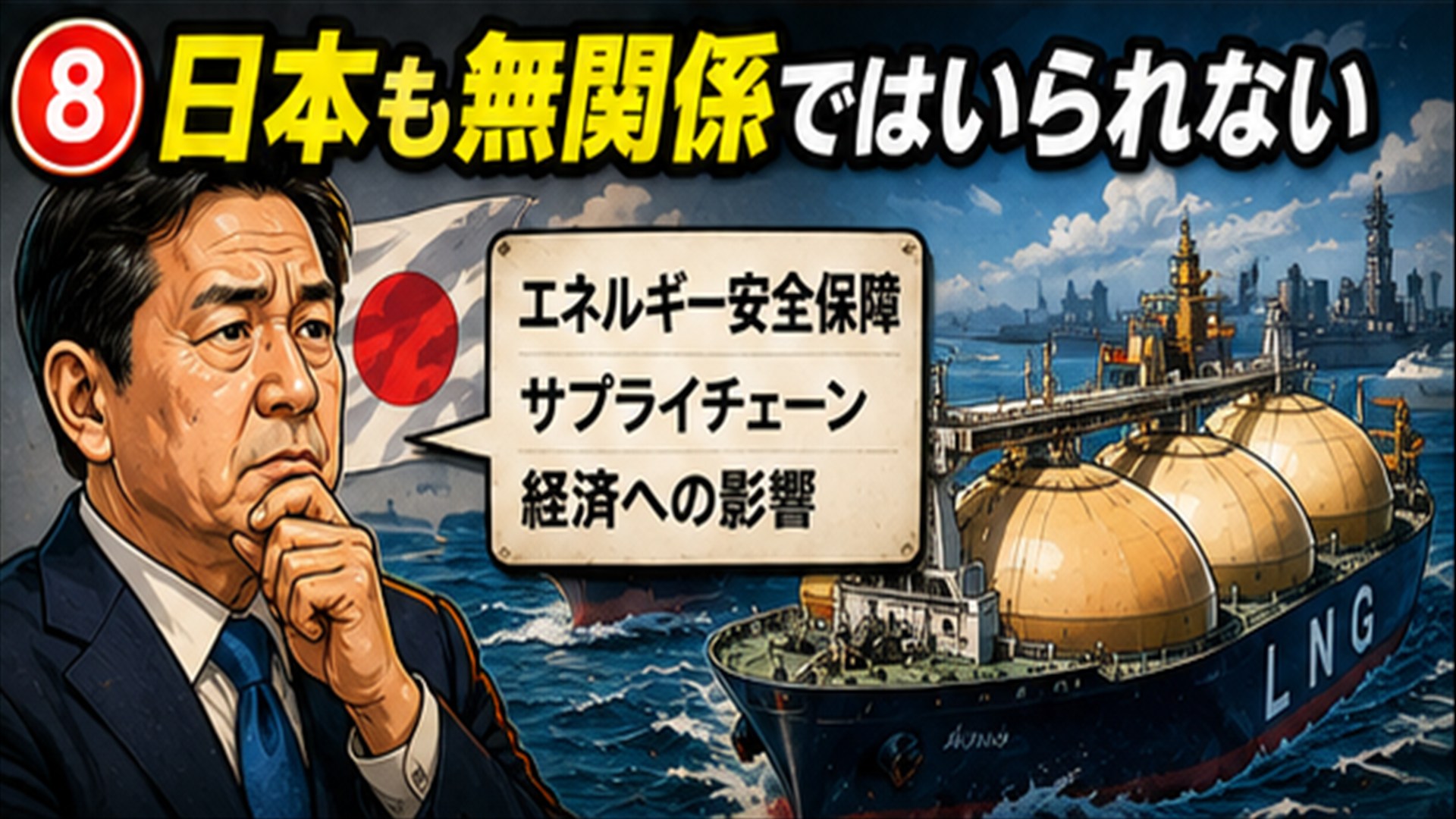
But this is far from over. Debris analysis could change the situation, and resuming Project Freedom may pressure Korea to choose again. If the Korean military participates, it may create a similar atmosphere for Japan’s participation as well. Japan should not treat this as someone else’s problem.
Do you think Japan should deploy the Self-Defense Forces under Project Freedom if Japanese ships are attacked?
A completely risk-free trade simulator for自由 practice & verification!
Details page for One-Click FX Training MAX