

Oil spill from Iran's Qolgh Island? Lockdown causes full tanks to discharge into the "black sea" crisis
Everyone, how would you feel if the sea of our drinking water started to be stained black with oil?Right now, in the Persian Gulf, that is exactly what is about to happen.
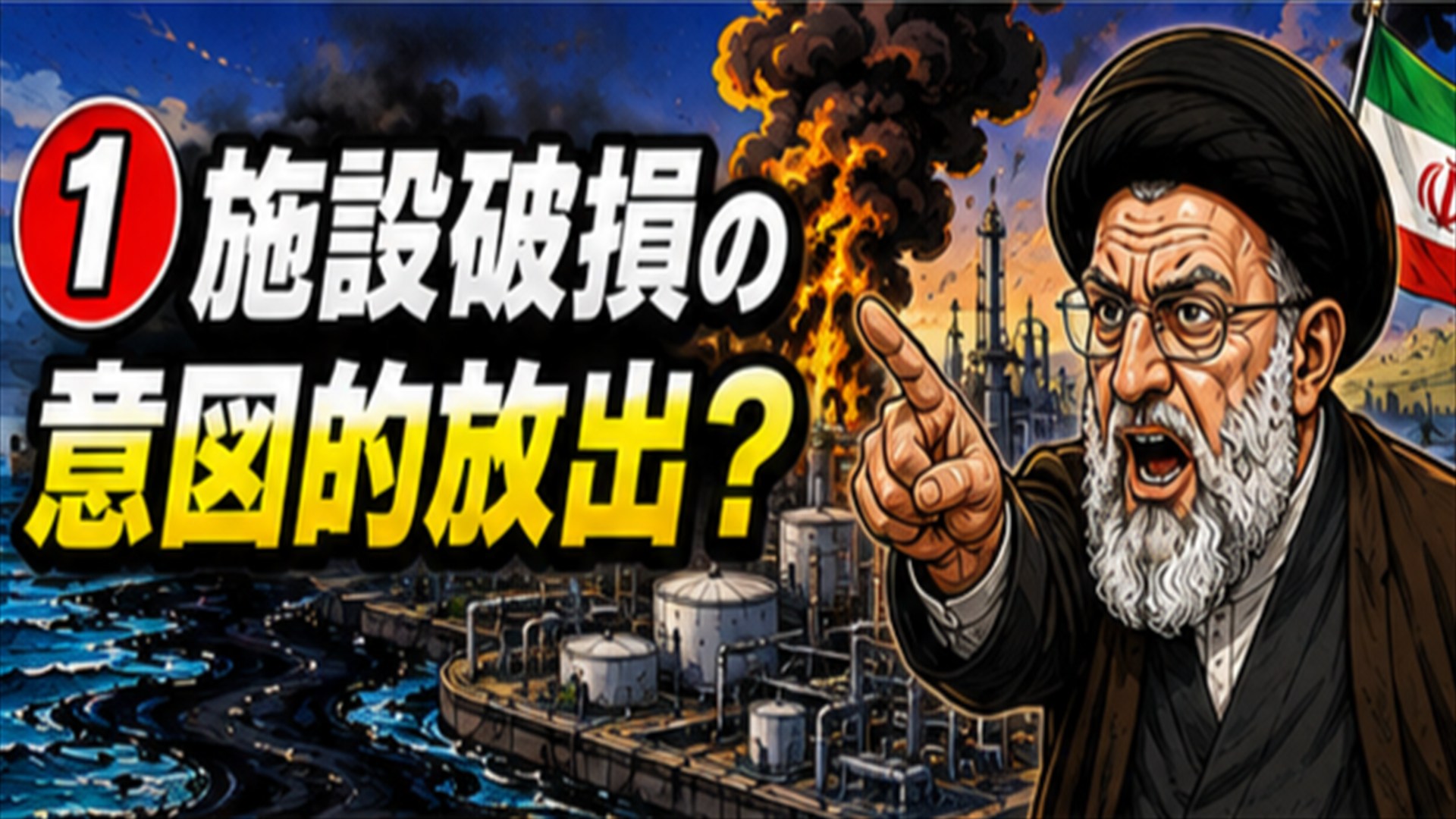
From May 6 to 8, 2026, satellite images captured an oil slick off Qeshm Island in Iran, with an estimated spill of over 3,000 barrels. This island is a crucial facility, handling about 90% of the country’s exports.
About a month after the U.S. blockade of the Strait of Hormuz began, perhaps the storage tanks swelled to capacity and aging pipelines cried out. Was this a deliberate discharge?
As experienced during the 1991 Gulf War, the environmental impact could be deeper than expected and could directly affect the lives of people in Gulf states. Is the Iranian government sane?
?FX Next Generation: One-Click FX Training MAX
?The two possibilities revealed by satellite images: facility damage or deliberate release
The pale white oil film confirmed on the western side of Qeshm Island is clearly visible in satellite images from Copernicus Sentinel and others.
The New York Times (May 8) emphasized storage pressure due to the blockade and aging pipelines connected to the Abuzar oil field. Fox News also cited experts suggesting “the blockade under Trump pushed it to the limit, potentially deliberate release.”
On the other hand, Iran claims “production is normal,” but the timing exactly matches the period from April 13 to 25–30 when onshore capacity would be full and floating assets would be at capacity. It is hard to call this coincidence.
Which side do you think is true?
?The Persian Gulf ecosystem is crying out now
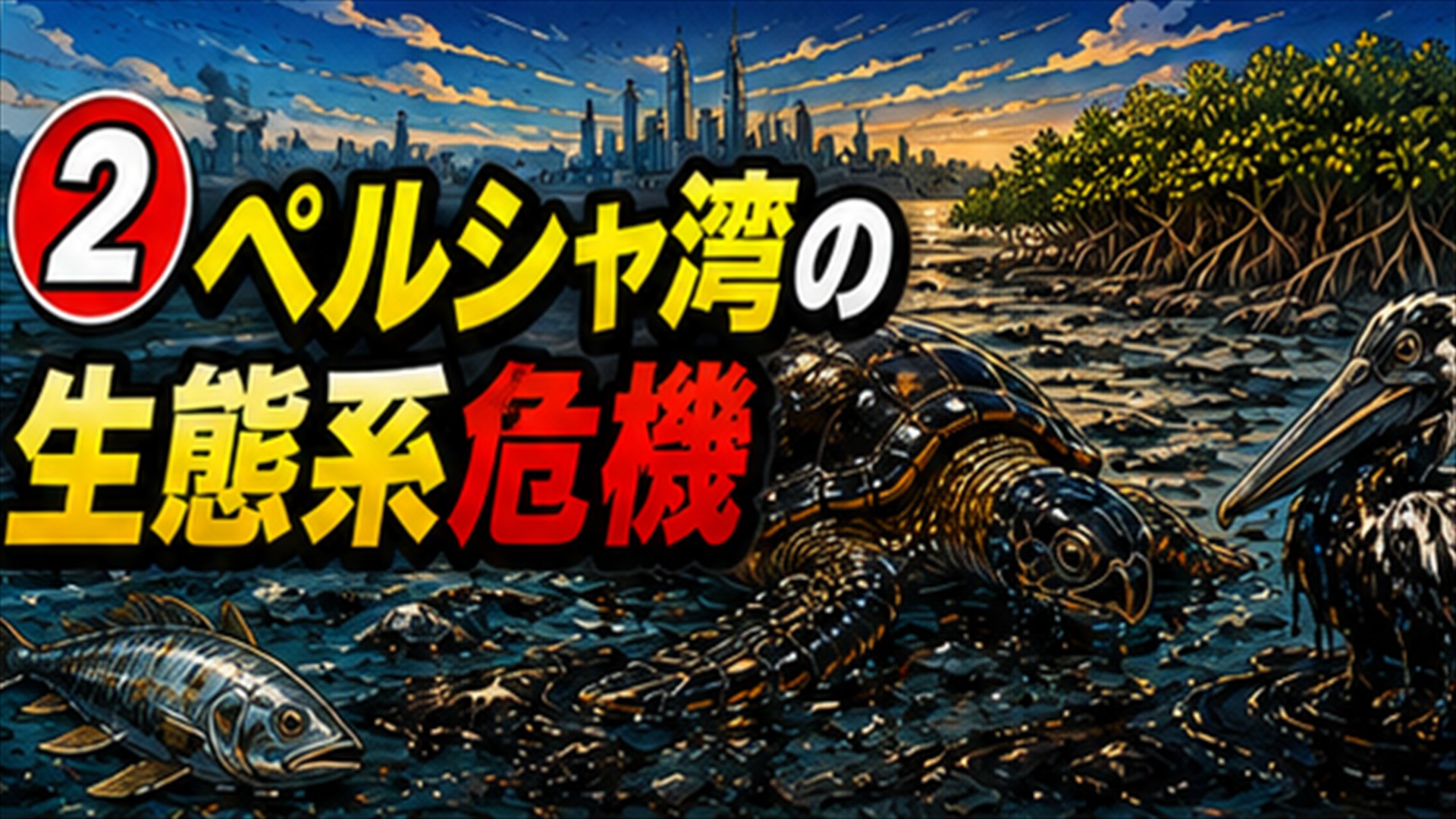
The Persian Gulf is a shallow, semi-enclosed sea already under heat and high salinity stress. When oil spills into it, dispersion is rapid, and it may sink to the bottom sediment, remaining for years to decades.The same kind of damage occurred during the large-scale spill in the 1991 Gulf War.
Fish and plankton suffocate and poison from the oil; reefs, mangroves, and breeding grounds are devastated. Birds, sea turtles, and dugongs and other marine mammals have their plumage or bodies covered in oil, and toxins accumulate through the food chain.
The oil film is drifting south and southeast. It may reach the coasts of Qatar and the UAE within 3–13 days, threatening coastal communities dependent on fisheries with a livelihood crisis.
The sea, a lifeline for Gulf states, becoming polluted by its own oil is ironic, isn’t it?
? Iran’s “Responsibility for European Tankers” is it true? Why experts tilt their heads
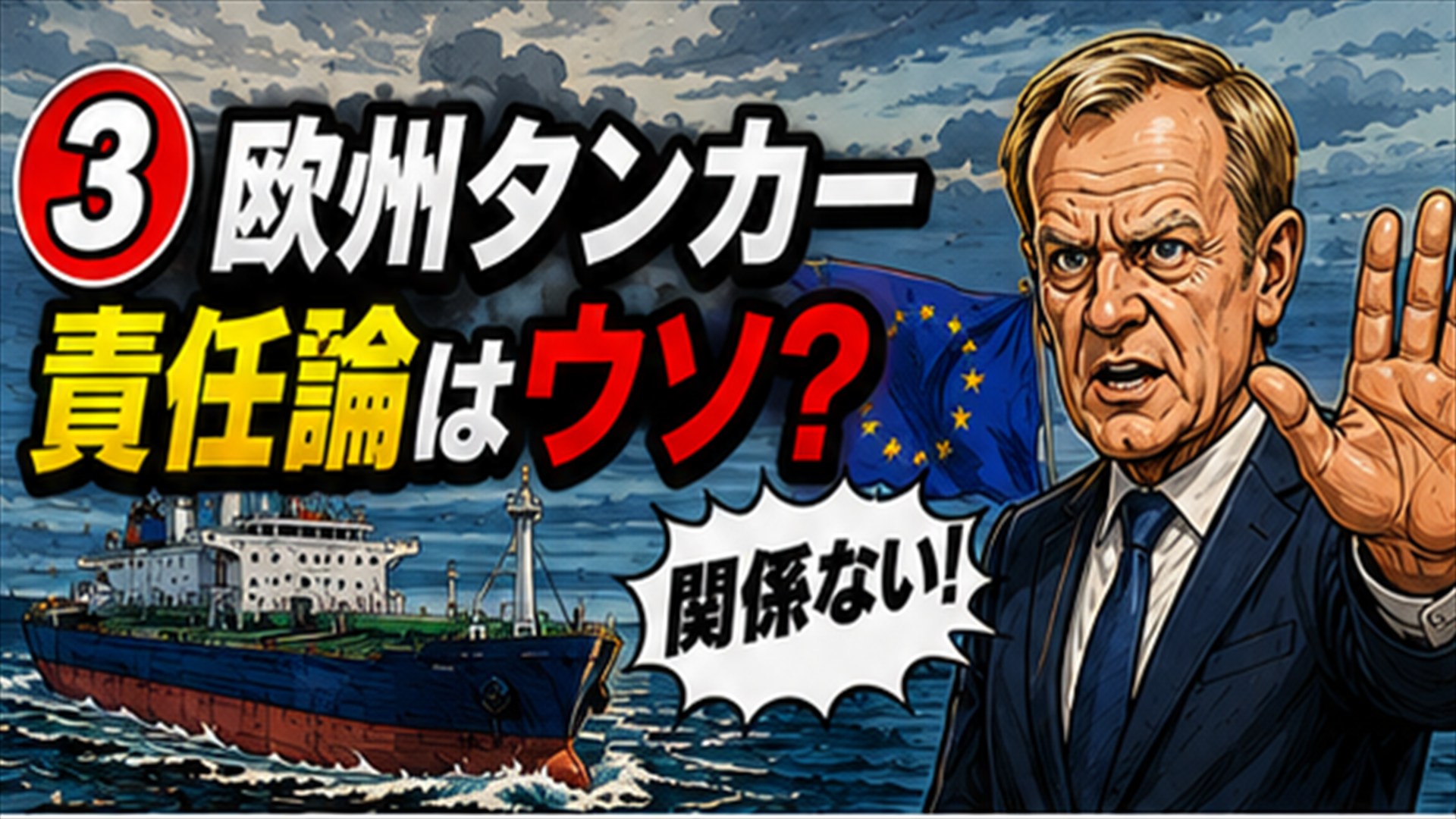
On May 9, Iran’s Parliament Energy Committee emphasized that “satellite image claims are false and production is normal.” Legislator Jafar Pourkabgani and state media (Tasnim, etc.) describe it as “enemy psychological warfare” and blame European tanker crude/oil ballast water discharge, repeatedly on social media.
However, Western media (NYT, Reuters, AP) raise questions. The reasons are simple.There is zero motive for European tankers to purposely release large amounts of crude off Qeshm Island, Iran’s major export hub.Besides the risk of massive fines for international law violations, satellite images show the oil film spreading in a way that does not match a release originating directly at facilities.
Experts (Orbital EOS, etc.) analyze that the origin is more likely Iranian facilities. Shifting blame without zero evidence gives the impression of “ blaming others at a fire scene.”
? The tragedy of storage limits caused by the blockade — what does the IRGC really think?
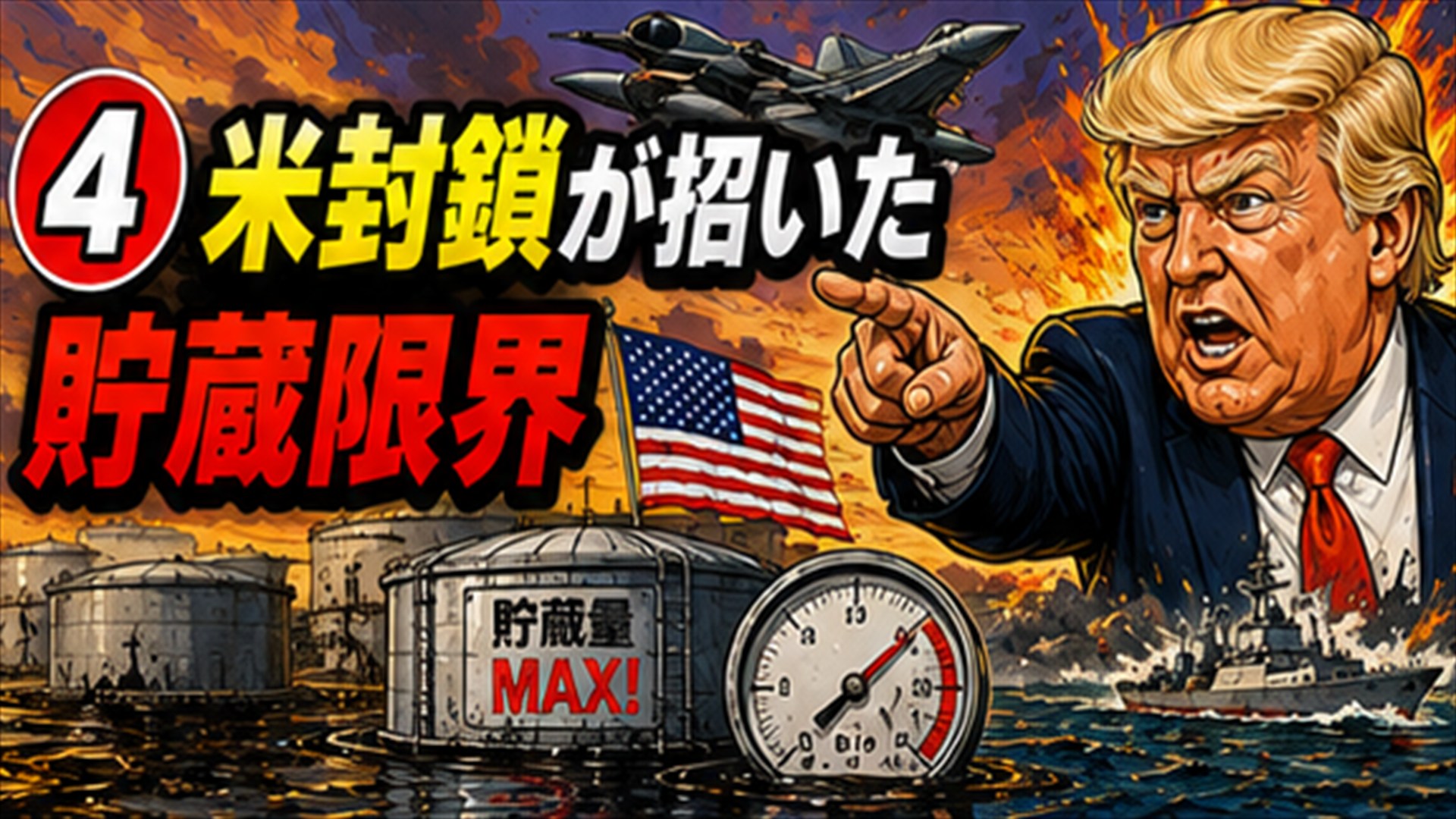
With the U.S. blockade of the Strait of Hormuz, Iran sees more than 70 tankers blocked and over 160 million barrels of floating storage (worth about $13 billion).A dilemma where production cannot be stopped.
In clashes on May 7–8, two Iranian-flagged oil tankers attempted to break through; the U.S. warned but fired and neutralized. Iran accused the U.S. of breaking a ceasefire, while claiming “commercial vessels are not passing.”
The IRGC denies the spill itself, calling it “psychological warfare,” but experts see it as a result of attempting to break through under storage pressure.Because of the blockade, infrastructure is crying out, sacrificing the environment... is this sane?
? Freshwater facility crisis becoming real? The water lifeline for 100 million people is in danger
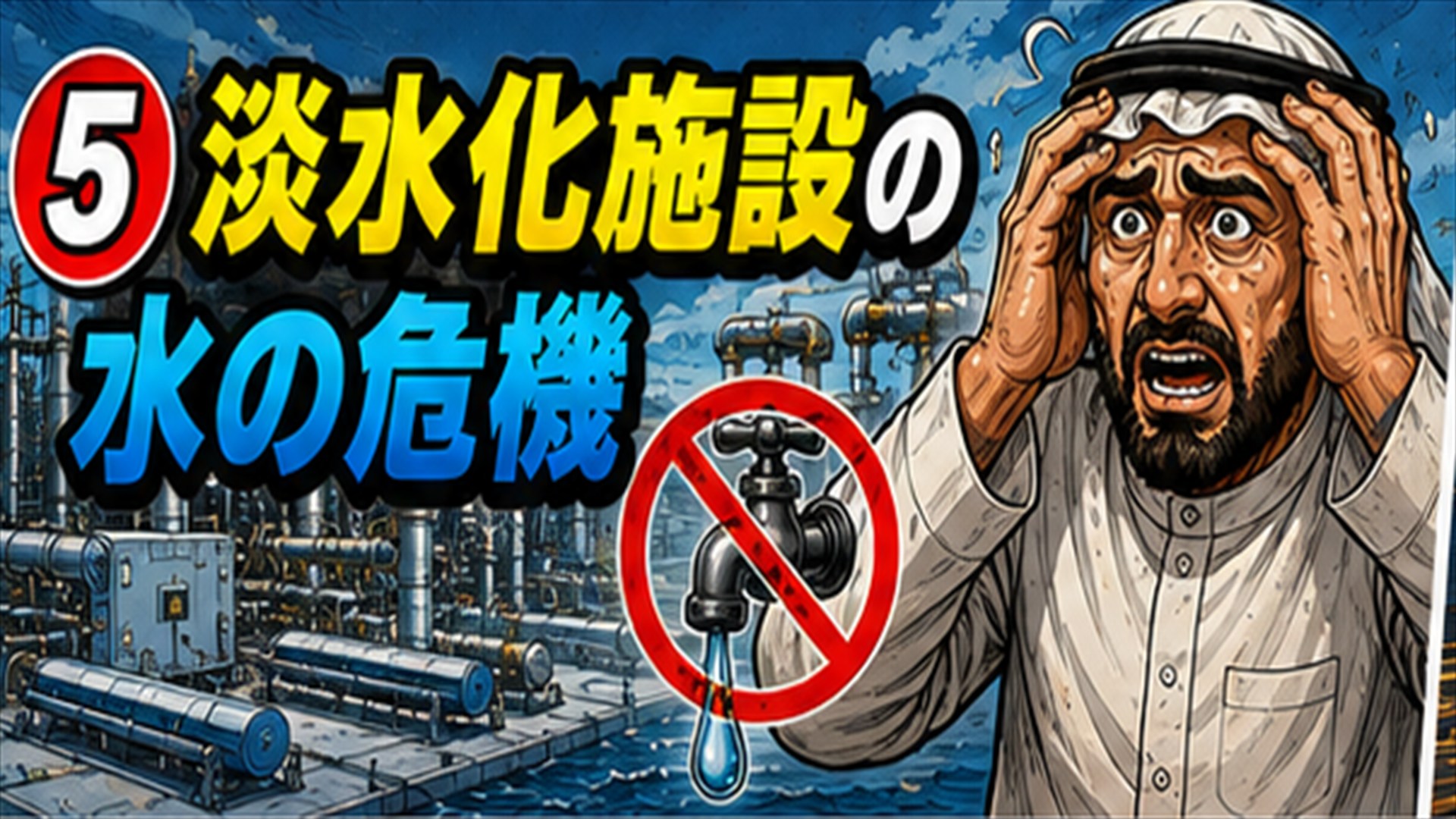
The biggest concern is the Gulf states’ desalination facilities. Saudi Arabia, UAE, Qatar, Kuwait, Bahrain, and others rely on desalination for 70–99% of drinking water, supporting over 100 million people.If the oil film reaches the intake, reverse osmosis membranes will clog and become contaminated, causing plant shutdowns.
During the Gulf War, water shortages occurred for weeks to months. Now the oil film is moving south. Some countries may face outages and rationing. Fisheries collapse, tourism stagnation, health impacts, and a regional crisis could follow.
As long as you think “a small amount is fine,” the damage could deepen far beyond imagination.
? The “cost of the blockade” will ripple through the global economy? Why the oil market fears it
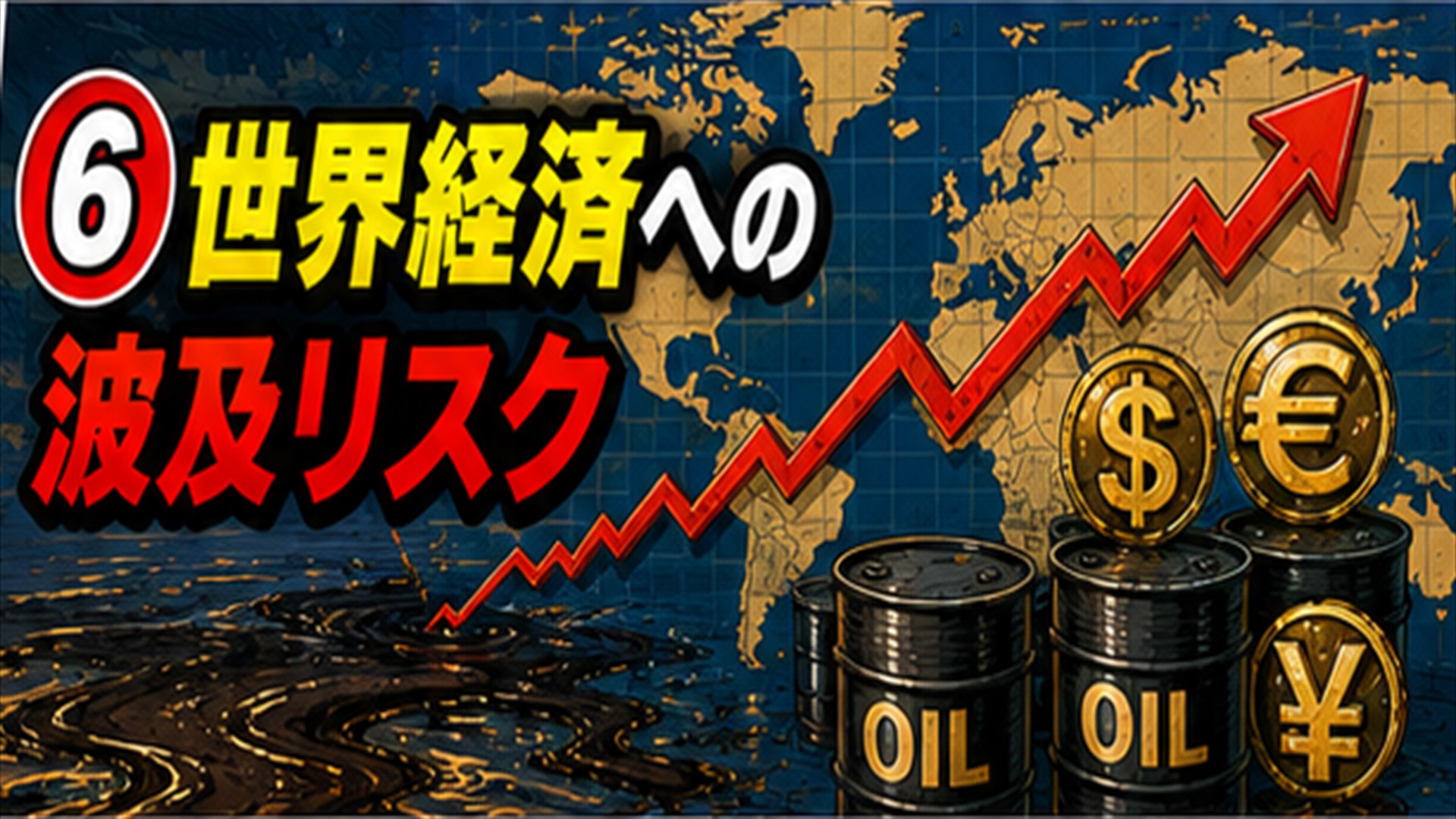
This is not just an Iran domestic accident. The Strait of Hormuz handles about 20% of the world’s seaborne crude oil; it is an ultra-important route.In markets, there is growing caution about a “second or third spill” and a prolonged blockade.
Moreover, the more Iran insists that there is no problem, the more market uncertainty grows as transparency fades. For investors, the question is, “If it’s really safe, why do satellite images and explanations differ?”
Energy markets hate invisible risks more than warfare itself.
? The international community’s silence on environmental protection is eerily unsettling
Here is something odd: with a spill of a few thousand barrels in a closed sea, environmental groups and governments might normally raise a loud alarm.But the current situation is buried in political and military news, surprisingly quiet.
The reason is simple: touching Iran issues directly ties to geopolitical risk. The West prioritizes pressure on Iran, and Gulf states want to avoid full confrontation.In other words, it is an environmental issue that has completely become a political issue.
Oil that leaks into the sea does not respect political parties, religions, or borders. Yet countries are blaming and shifting responsibility to each other.There is a strong sense of discomfort with the stance of mouthing environmental protection while remaining silent when it is inconvenient.
? The Qeshm Island oil spill is not just a regional issue
This sequence of events is a microcosm of the U.S.–Iran tension. The oil film clearly shown by satellite images off Qeshm Island, the spill of over 3,000 barrels, and the timing of storage capacity limits.
Iran denies it and calls it “psychological warfare,” but laying out the facts suggests it is the result of bottleneck pressure causing infrastructure collapse.
The Persian Gulf ecosystem, fisheries, and the water resources for 100 million people are now at risk. More concerning is that this crisis could also affect crude prices, logistics, and the global economy as a whole.We need to address environmental issues without turning them into political tools, with rapid cleanup and dialogue. How far do you think this “black sea” will spread?
Completely risk-free trade simulator to practice and verify freely!
Details page for One-Click FX Training MAX