
Kitayama Finance Minister's "decisive measures" a signal of intervention? USD/JPY plummets! Only those who noticed were saved in the market
“If Katsuyama Satsuki Minister’s single word could move the market by 5 yen, would you be able to react?”
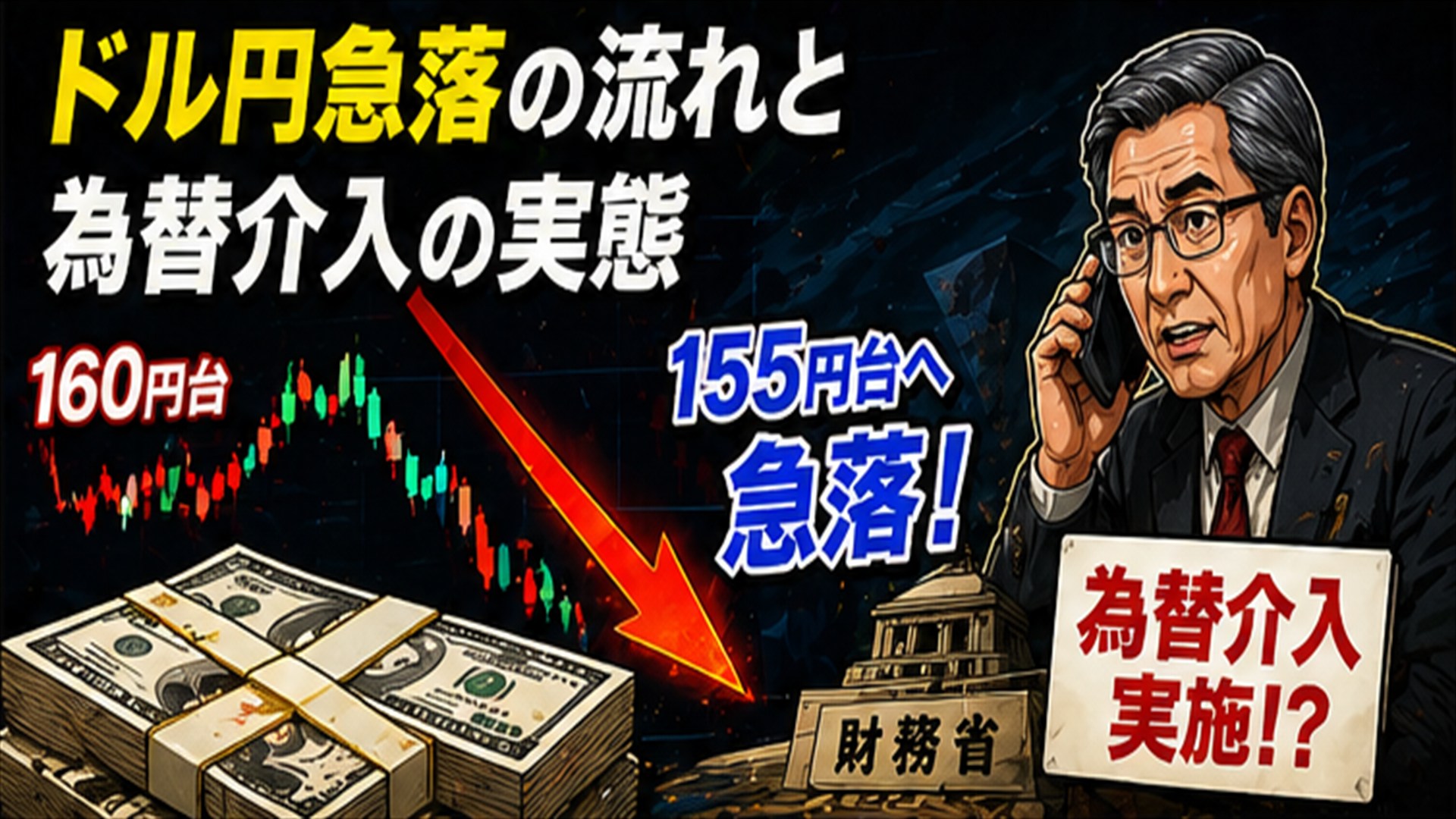
On April 30, 2026, the foreign exchange market was confronted with the reality that “information is important.”The yen’s slide to the 160s against the dollar turned around sharply after Finance Minister Katsuyama’s “decisive measures” remark. A few hours later, the yen strengthened to the 155 area, delivering a roller-coaster-like sequence.
Should we just treat this movement as a mere example of price action, or as a “textbook case” illustrating the essence of trading?
This article reviews Minister Katsuyama’s signaling intervention and how information matters in trading. A world that cannot be read by just looking at charts—how would you respond?Let’s think about it together.
Selling well!A high-function trading practice tool, almost like the real thing?9,800 yen?
?FX New Generation: One-Click FX Training MAX
?Oil prices rise, yen plunges to the 160s…comparison with high-priced stock prices
With the Middle East situation worsening, WTI crude surged past $110 for a time. This worsened Japan’s trade balance and inflation concerns due to import dependence, accelerating speculative dollar selling (USD/JPY rise). As a result, the yen weakened steadily to around 160.7 in the afternoon.
Meanwhile, the Nikkei Stock Average finished around 59,000 points (down 1.06% from the previous day). While it fell, it was merely a correction relative to the all-time high around 60,000 in late April. Its momentum was the aftereffect of a more than 10,000 point rise in half a year.
The yen briefly rose to around 160.7. This clearly exceeded a psychological threshold. Many traders probably felt, “This might be too much.”
However, at this point it was still a “normal trend market.” The problem began here.

?The signal: Minister Katsuyama’s remarks
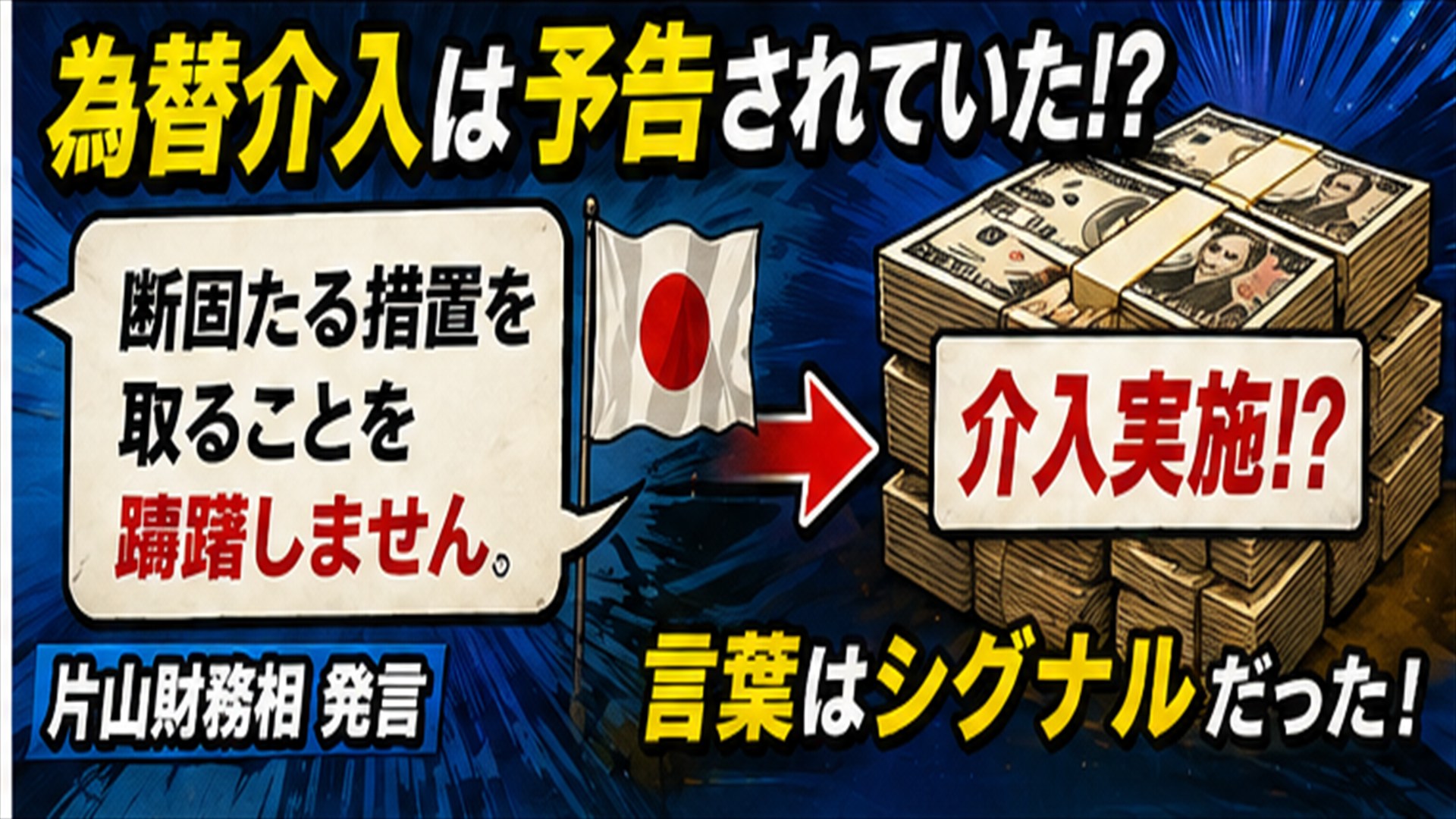
In the afternoon, a single remark from Finance Minister Katsuyama changed the flow.
“The timing to take decisive action is approaching.”
This remark is not just commentary. In the market, it is a strong signal known as “jawboning.” Especially at the 160 yen level, the remark carries the meaning of a de facto “final warning.”
What matters here is that this was a warning, not a certainty. In fact, when you look at the chart, the price did not collapse immediately after the remark; instead, over about three hours, it was gradually pushed down. In other words, some segments of the market had already started moving at that point.
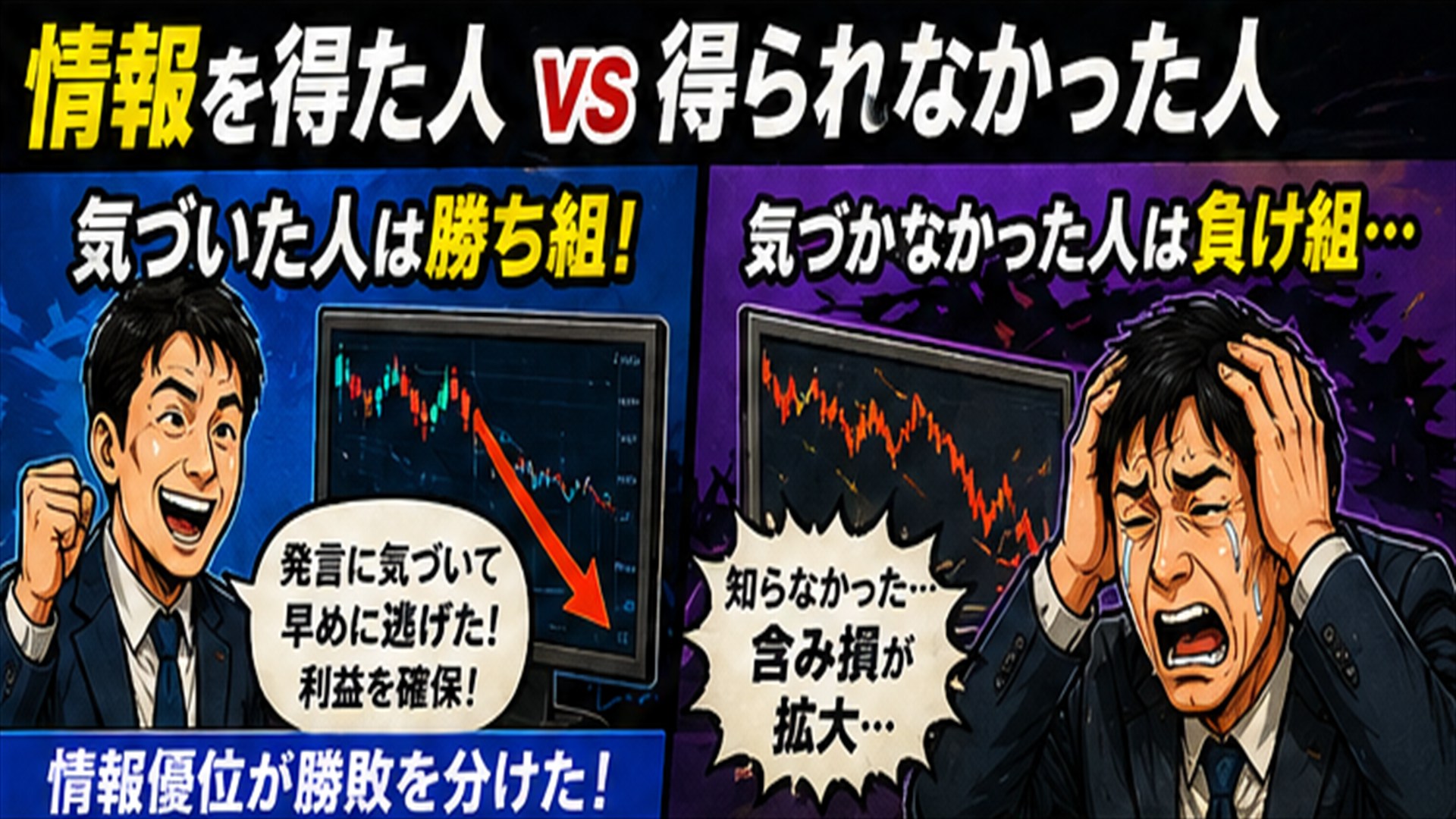
Those who noticed reorganized their positions, while those who didn’t got swept up. The difference is huge, right?
?And then real intervention, the market collapses
Later that night, actual FX intervention (selling dollars, buying yen) was carried out.
The result was clear. The yen’s value surged to the 155 range in a matter of hours, moving more than 5 yen in a short time. This is a level of price movement rarely seen in normal markets. It became a typical “event-driven market” that pulled in stop losses as it fell.
If you were holding a dollar position around the 160 yen level without a solid stop loss rule, you would have been hit hard in one strike. Conversely, those who were able to ride this move captured substantial gains in a short time.Here lies the brutal reality of trading.
?The fate of trades that ignore information
Holding positions in this situation was an extremely risky trade.The 160 yen line was clearly a warning level based on past interventions, and when the finance minister’s remarks overlapped, the risk jumped dramatically.
Still, continuing to hold positions likely depended on the hopeful assumption, “it will rise further.” In trading, this line of thinking almost certainly leads to losses. This is harsh to say, but true.
?Why chart analysis alone won’t win
So, could this move have been predicted by looking at the charts?
This move symbolically demonstrated the enormous value of information (fundamentals). Before the minister’s remarks, the yen was gradually weakening in the high-160s, but a single remark reversed it by more than 5 yen. Purely news-driven.Chart technical analysis (moving averages, support lines) cannot reliably read the timing or seriousness of intervention.
Retrospective explanations are possible, but forward predictions are not. In other words, rules can change abruptly. Support and resistance lines can be irrelevant as the market moves.
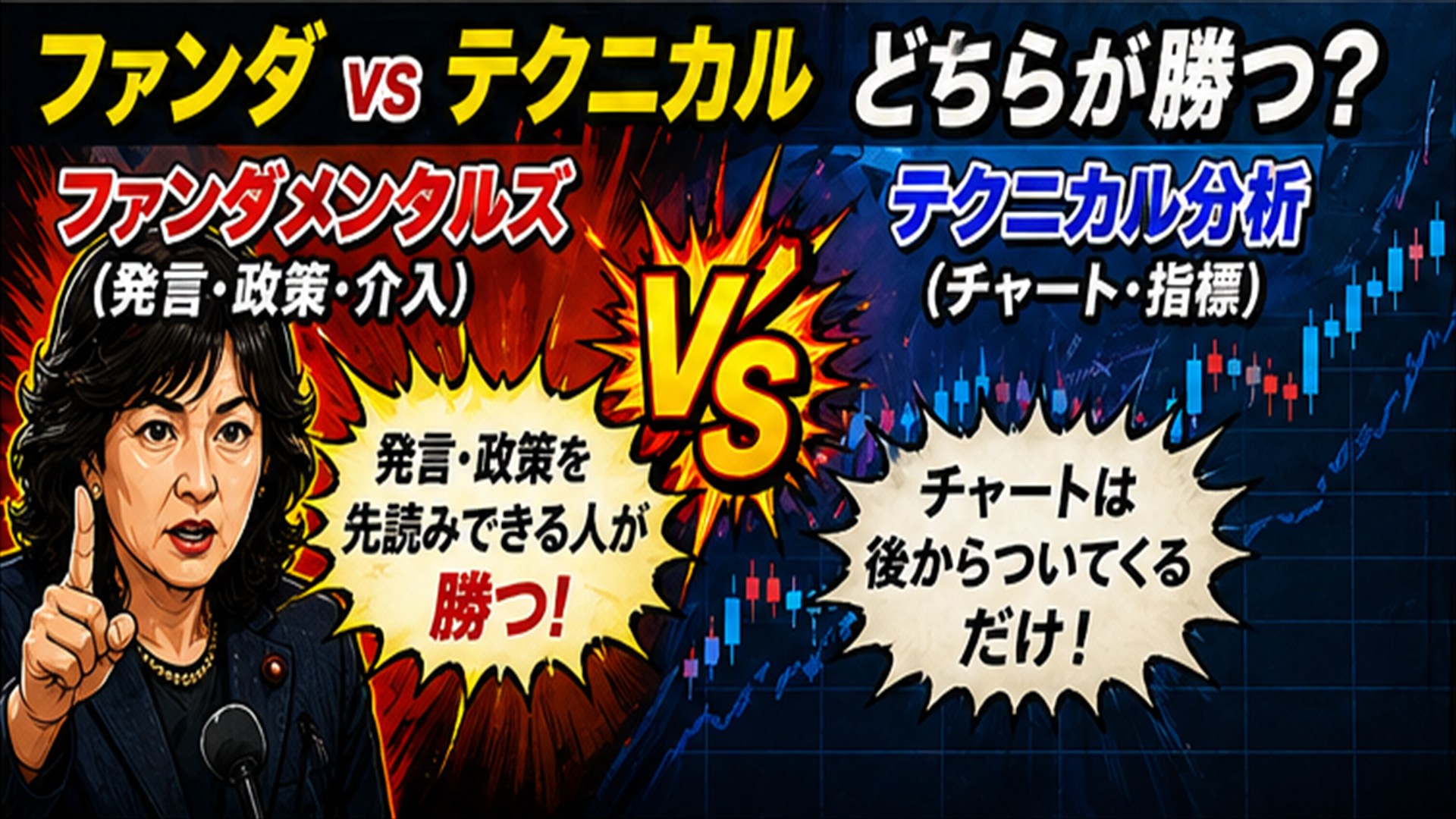
Of course, technical analysis is not worthless. It is useful for entry timing and setting stop levels.However, the force that determines direction lies in information.
?A trading method that relies on information advantage
So what should one do? The answer is simple: separate information from charts. Information teaches you the direction and the risk zone.
For example in this case, 160 yen is an intervention-warning line; the minister’s remarks raise risk, so at this point it’s deemed dangerous to hold dollar buys.
Meanwhile, charts tell you the timing. Specific actions such as selling on a rebound after the remarks or taking profits after a plunge should be judged by the chart.
As many professionals do, capture the big picture with information and manage timing with charts. Information decides “direction and triggers,” while charts handle “risk management.”

?The importance of investment information
This market move was a very straightforward setup.
- Triple decline due to higher crude prices
- Intervention warning after surpassing 160 yen
- Forecast by Finance Minister Katsuyama
- Then, real-scale intervention caused rapid changes
If you understood this flow, you could have avoided large losses. In other words, the dangers of information-ignored trading were clearly demonstrated.
Trading is not luck; it is a repetition of reproducible judgments. Which information to pursue, how to evaluate it, and when to act—whether to dismiss this move as “coincidence” or to embed it into your own rules as “reproducible learning.”
Only traders who do not miss clear signals like Minister Katsuyama’s and can manage risk ahead of time will survive longer in the market. Were you able to avoid the crash?
Practice and verify freely with the completely risk-free trade simulator!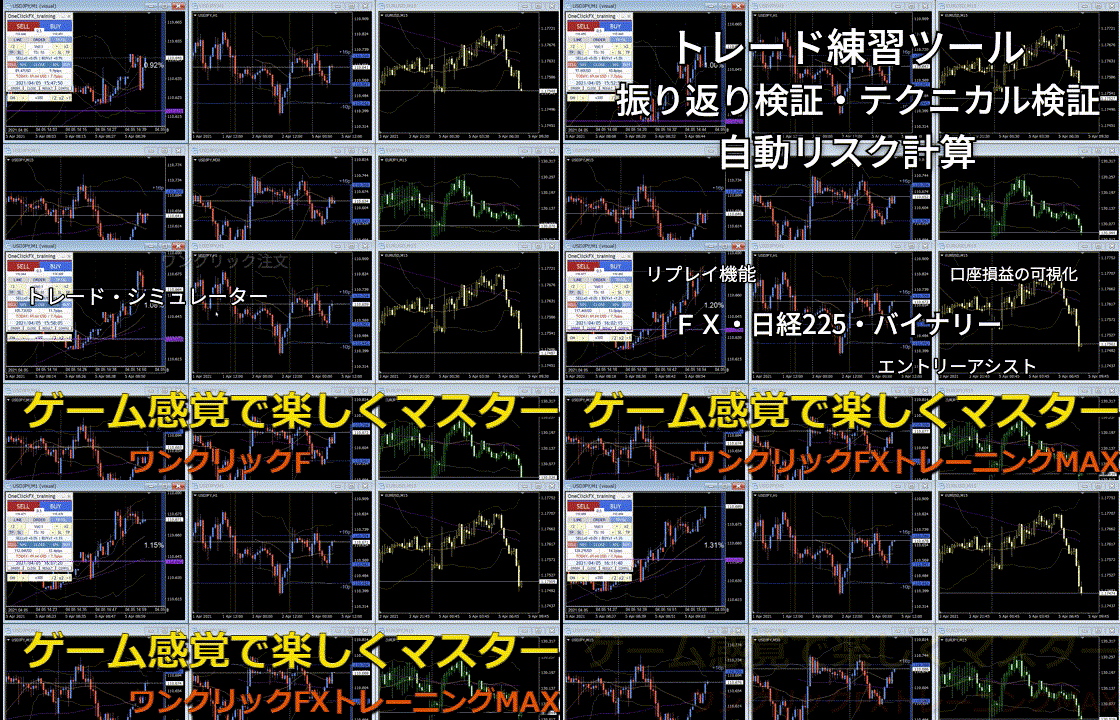
Details page for One-Click FX Training MAX