

Iranian Foreign Minister Araghchi cries to Russia?! Economic collapse crisis due to US maritime blockade
Imagine this. Your country’s crude oil exports are almost halted due to a naval blockade, and ports are paralyzed. If the foreign minister were to rush around Pakistan, Oman, and Russia in this moment of dire crisis, what would you think?
“Just a friendly visit?” Or “looks like a plea for help.”
In late April 2026, Iran finds itself in precisely that pinch. The move for Foreign Minister Ali Bagheri Kani to visit Russia is publicly described as “multilateral diplomacy,” butin reality it appears to be a painful effort of “time buying” and “insurance” against a hard-line blockade by the United States and the Trump administration.
Let’s think through this diplomatic drama and its underlying issues together.Can Iran truly avoid isolation? Or will it only deepen its predicament?
Selling well!A highly functional trade practice tool that feels like the real thing?9,800 yen?
?FX Next Generation: One-Click FX Training MAX
?What is Ali Bagheri Kani’s rushed visit route aiming for?
Iranian Foreign Minister Hossein Amir-Abdollahian? No, actually Abas Araghchi? (note: the original likely refers to Ali Bagheri Kani) The minister will first visit Pakistan, then Oman, and around April 27 head to Russia’s Saint Petersburg. According to Iranian ambassadors in Russia,in talks with President Putin, they are expected to discuss “negotiations, ceasefire, and the latest situation around the surrounding issues,” and seek strong solidarity from Russia.
In other words, this move can be seen as an escalation diplomacy, gradually shifting the axis from intermediary state to strategic partner.
Pakistan has been used as an intermediary in US-Iran talks multiple times, but Trump halted the dispatch of special envoys, and it ended inconclusively. Oman remains a traditional intermediary. Russia is a strategic partner.
Iran says it is “consulting closely with friendly and partner states” as standard diplomatic effort, but how would you feel about it?
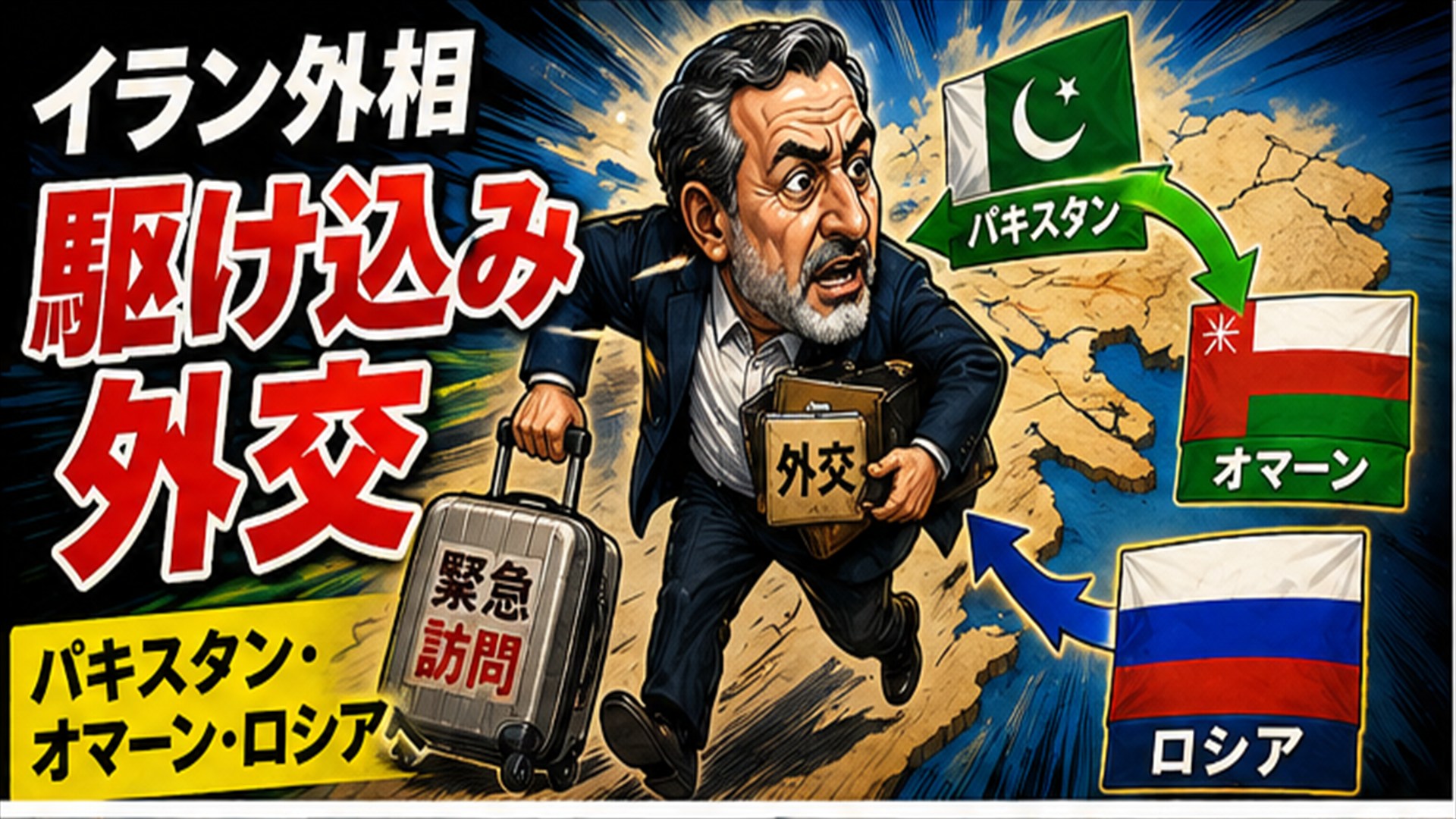
?Hardships from US naval blockade; Iran’s economy is near death
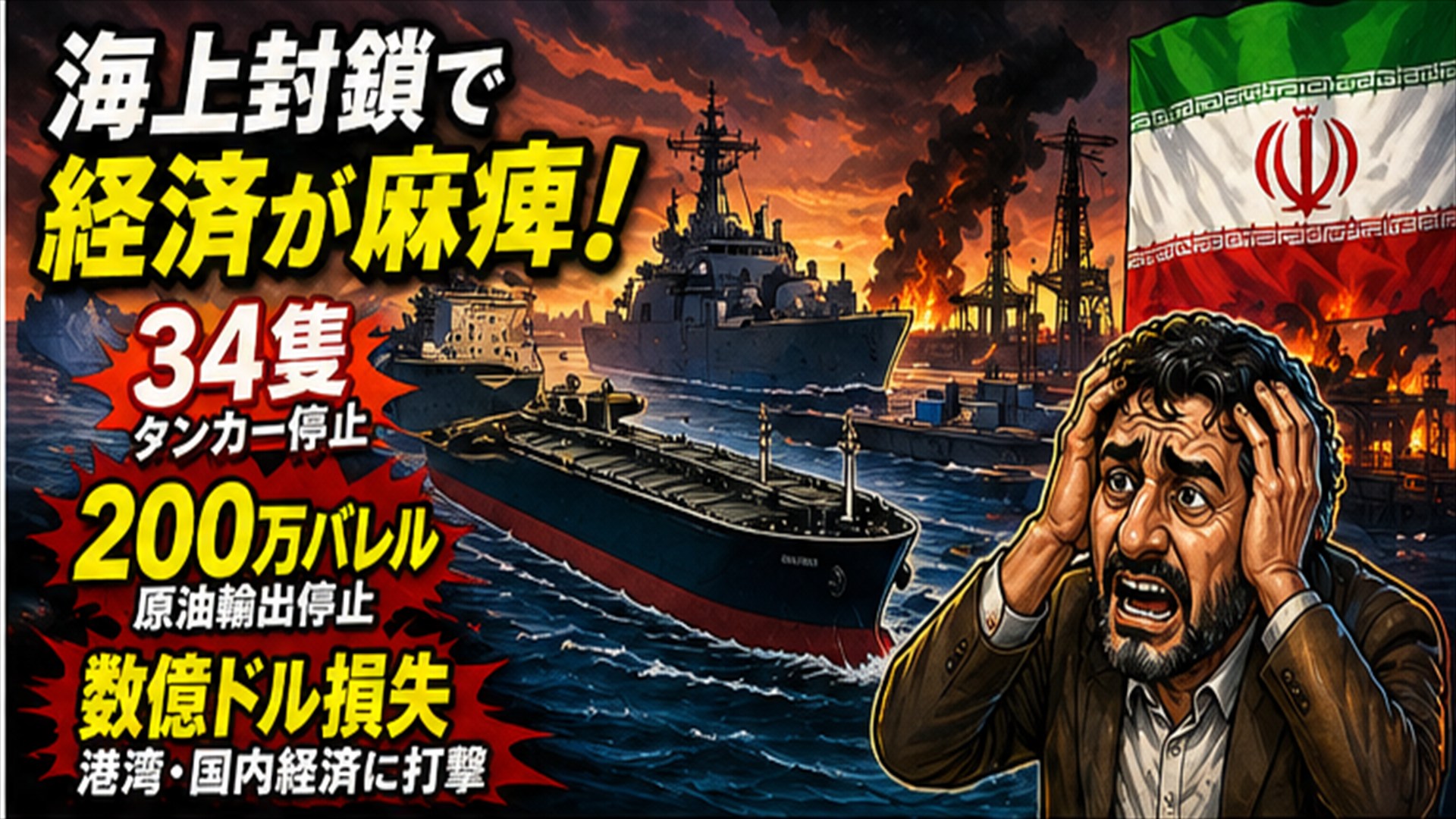
The core issue is the naval blockade that began on April 13. The Trump administration is “globalizing” this, expanding it to seize and redirect ships related to Iran worldwide.
・Affected ships: more than 34
・Oil exports: around 2 million barrels per day nearly halted
・Economic losses: on the order of hundreds of millions of dollars per day
As these figures show, Iran’s economy is being squeezed rapidly.
Nearly 90% of Iran’s economy depends on maritime trade. Not only crude oil but machinery, food, parts, and other imports/exports are severely restricted, with daily losses in the hundreds of millions of dollars. Currency depreciation, shortages of goods, and limited recourse to a shadow fleet have limited effectiveness.
Iran denounces this as “piracy” and has responded with counter-blockades in the Hormuz Strait, but the effects are weak, and with the Persian Gulf cut off, the economy is truly moribund.The impact on daily life for citizens is likely greater than one might imagine.
?Truth behind the Russia visit: a plea for support or not?
The aim of the Russia visit is to secure support to break through the blockade and to obtain diplomatic backing. Russia has criticized US and Israeli actions, and positions Iran as a strategic partner. In the past, there has been military and technical cooperation, including drones, and a role in the framework of the nuclear agreement for accepting enriched uranium.
Foreign Minister Araghchi will seek talks with Mr. Putin on regional situations and sought support, aiming to secure an alternative trade route.
In particular, the North-South International Transport Corridor (INSTC) is key. A route that would carry goods from northern Iran’s ports (Amirabad, etc.) across the Caspian Sea to southern Russia and then to the Black Sea region.Trade volumes have already increased in 2024-2025, and it is hoped to buy time under the blockade.

?From the US perspective, an undesirable move
From the Trump administration’s view, this Russia visit is clearly “undesirable.” Iran’s close coordination with Russia (and China) is seen as a drift away from the United States and hardline strengthening, undermining trust. With Pakistan as intermediary faltering,there is a risk that rushing to Russia could stall the overall negotiations.
Geopolitically, Russia is at odds with the US over Ukraine. If Iran leans on a “second pillar,” the credibility of the US-Iran talks would be diminished.I understand Iran’s stance of “wanting to reconcile, but with conditions and insurance,” but in effect it may be strangling itself.
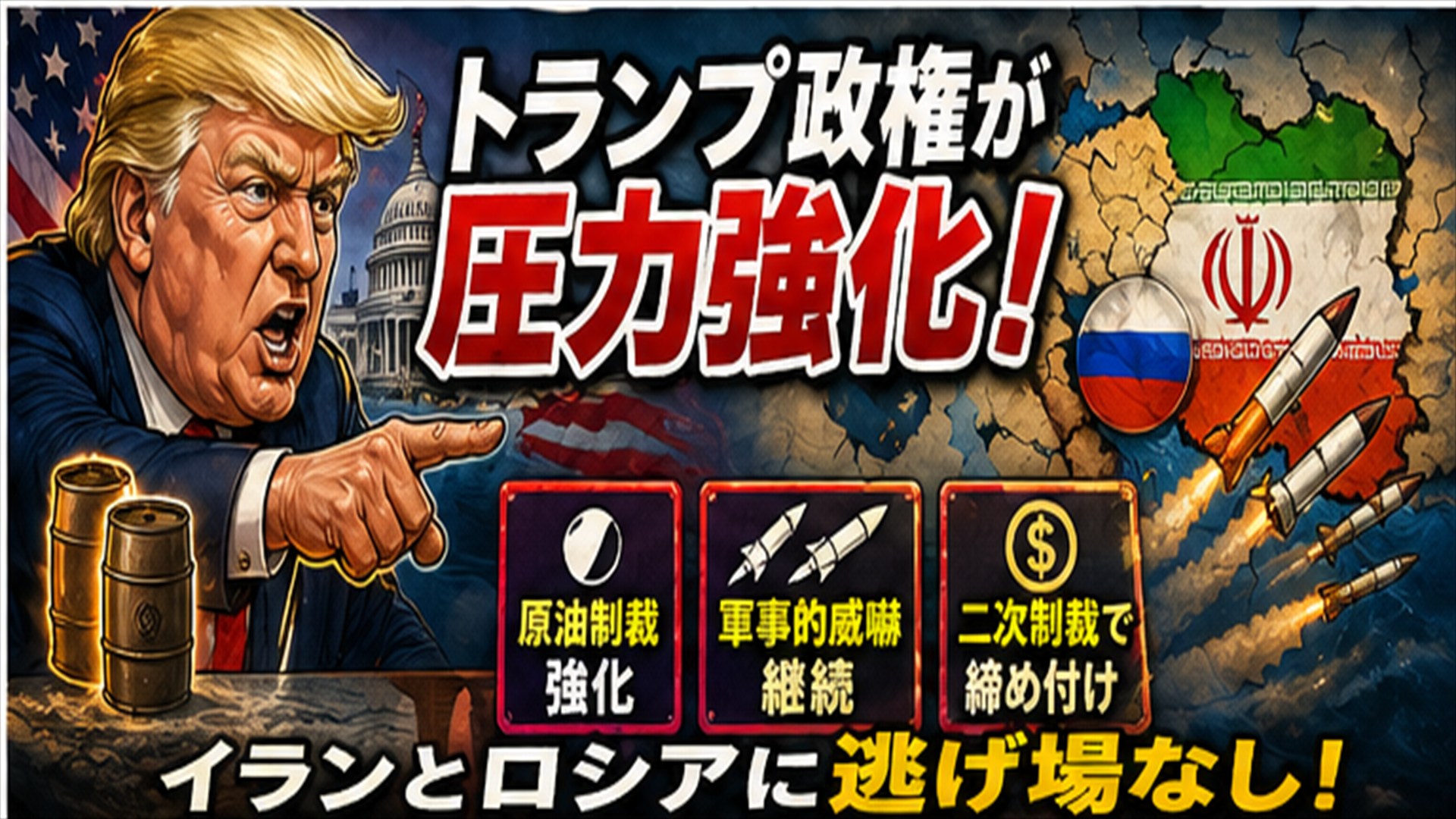
?The key to the future lies in negotiating exit from the blockade
As of April 27, direct talks are not yet in sight. Iran is seeking a settlement with the US (sanctions relief, nuclear issues, Hormuz Strait security) while appealing to Russia for political and other support. This is standard, but given the severe blows from the blockade, it is likely a “request from a weak position.”
Russia’s own economic constraints make large-scale aid unlikely. China’s involvement is also important, but overall Iran is attempting to endure via a “pleading diplomacy.”
But can this really sustain them? Russia itself is suffering a “war economy fatigue” with growth around 1%, labor shortages, inflation, and budget deficits due to the Ukraine war. There are mutual benefits, but large-scale relief is unlikely.
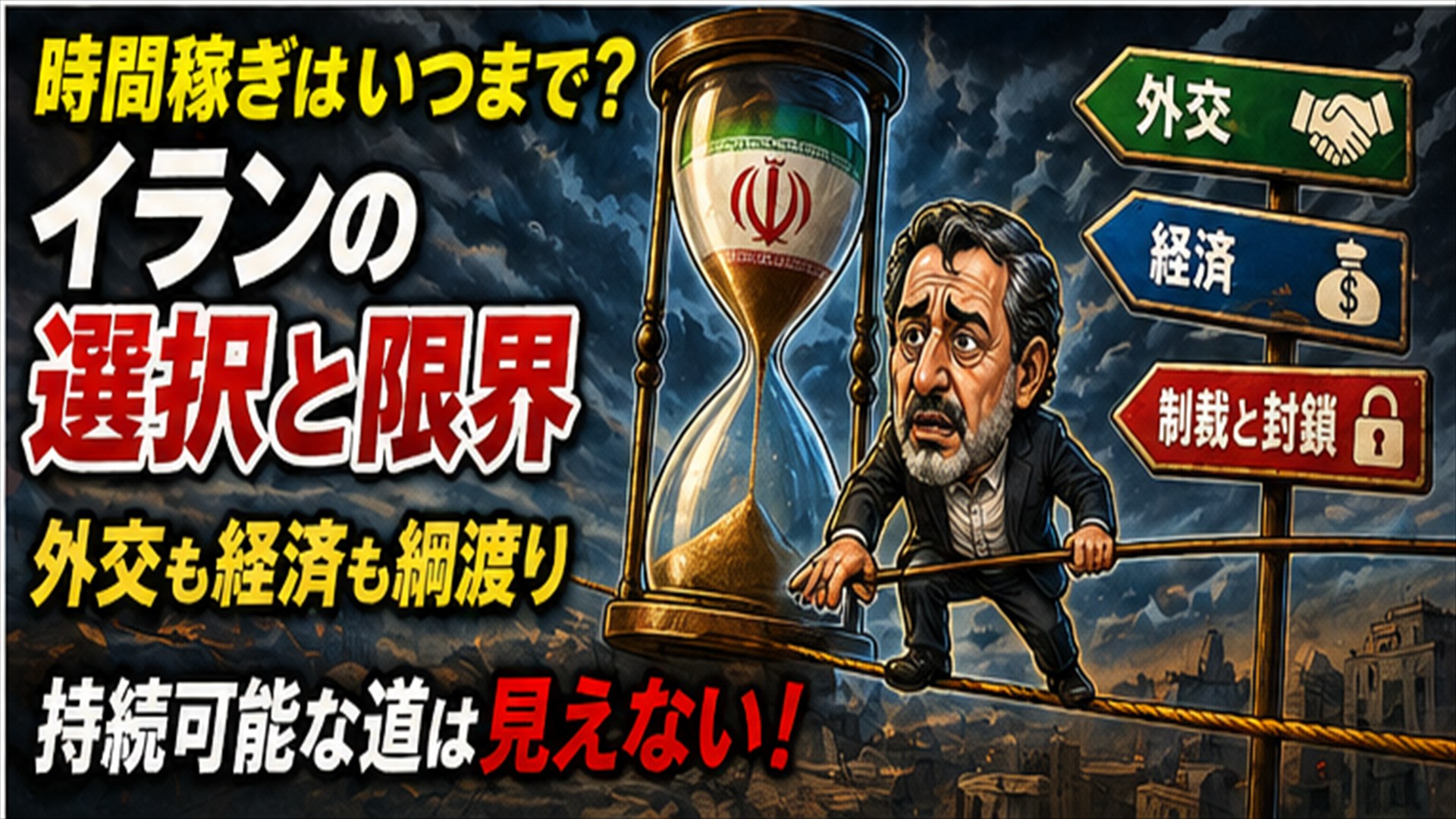
?The tough situation of Iran’s diplomacy
Foreign Minister Araghchi’s visit to Russia is another move following visits to Pakistan and Oman, a multilateral diplomacy to avoid isolation under the US naval blockade and maintain negotiating power. Leveraging the strategic partnership with Russia and using alternative routes like INSTC to buy time—factually reasonable, but considering the magnitude of economic losses, the severity of the blockade, and Russia’s own constraints, there are many problems.
Iran cannot drop the stance of “wanting to reconcile with the US while hedging.” Yet this stance may stall negotiations and create a vicious circle that increases pressure.Ultimately, without a fundamental solution, the risk of economic collapse remains, placing a heavy burden on the people.
It seems the hardships Iran faces, driven by the blockade, have come to the fore. What do you all think about this diplomatic drama?
Complete risk-free trade simulator for freely practicing and validating!
Details page for One-Click FX Training MAX