

Is South Korea funding Iran? The US is seriously pissed off! The "trickery of stockpiling" and the fragility of diplomacy revealed by the Hormuz crisis
“What is Korea doing while the United States is blockading the Straits?”
In the Strait of Hormuz in the Middle East, 26 vessels related to Korea and more than 170 seafarers are under Iranian influence.
While calling it a “humanitarian response,” they have held direct talks with Iranian officials and even discussed providing up to $500,000 in aid... The United States aims to “strangle Iran with a blockade,” and Korea’s moves run counter to that. That is the reality Korea faces today.
Korea’s special envoy visited Iran and has held face-to-face negotiations with Foreign Minister Araghchi and others. On social media, conservatives are strongly criticizing, asking, “Is Korea planning to finance Iran’s war?”
Meanwhile, the government is touting achievements such as securing an additional 270 million barrels of crude oil through diplomatic efforts. On SNS, there are voices saying “look at Korea,” but what is the reality?
Selling well!A high-functioning trading practice tool that feels like the real thing?9,800 yen?
?FX New Generation: One-Click FX Training MAX
? The Realities of Face-to-Face Negotiations with Iran
Special Envoy Jeong Byung-ha (former ambassador to Kuwait) has been staying in Iran since around April 11, and on April 22 had a direct meeting with Iran’s Foreign Minister Araghchi. They requested the security of 26 vessels and freedom of navigation.
Furthermore, they held multiple meetings with the Deputy Foreign Minister for Political Affairs, the Deputy Minister of Economy, and the Director-General of the Consular Affairs Bureau, providing details about the vessels.
The government publicly announced that it conveyed approximately $500,000 (about 80 million yen) in aid through the International Committee of the Red Cross (ICRC) as “humanitarian assistance.” However, this is said to be not directly linked to the vessel issue.
Everyone, what do you think? In the midst of the US pressure to blockade Iran, would such “humanitarian” contacts really appear neutral?
If we must be blunt, it is a desperate measure, and there are views that as a U.S. ally, Korea cannot help but be criticized for not reading the room.
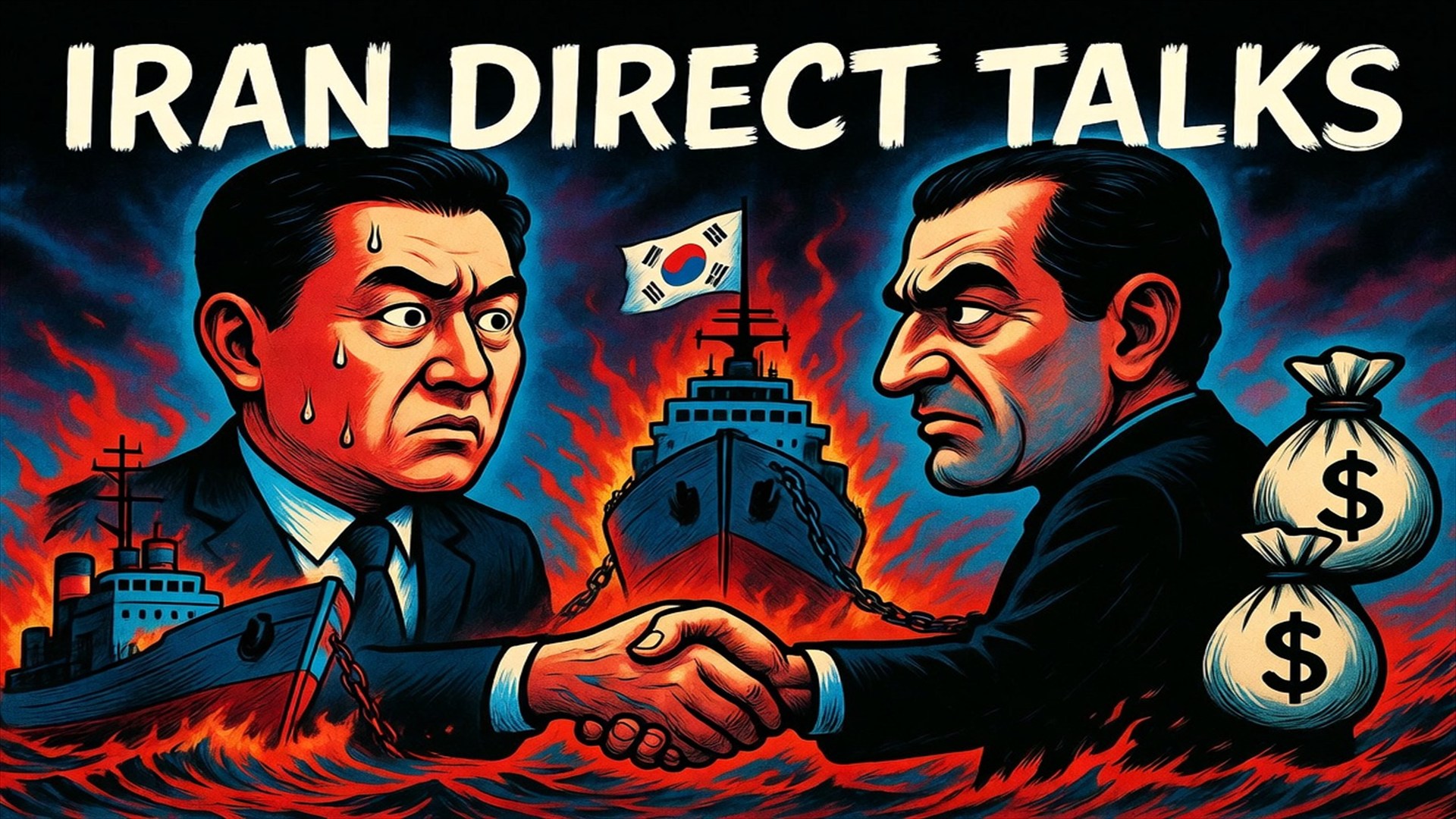
? The 26-vessel blow Korea faces from the Hormuz blockade
The Strait of Hormuz is a strategic chokepoint through which about 20% of the world’s crude oil passes. Korea relies on the Middle East (via Hormuz) for about 70% of its crude oil imports.
The 26 Korea-related vessels are detained, with about 170–180 seafarers. There are about 40 Koreans in Iran, and daily economic losses are substantial.
While the IRGC continues to seize ships, the Korean government is pursuing multilateral talks and bilateral contacts. There have been some successes using the Red Sea alternative routes, but a complete solution has not been achieved.
One question arises. If the US aims to exhaust Iran financially and materially, isn’t it contradictory for Korea to publicly advance humanitarian aid and direct negotiations?
The Yoon administration emphasizes “freedom of navigation for all ships,” but conservatives strongly feel that this amounts to paying the price and benefiting Iran.
What is your assessment? Prioritizing citizens’ safety is natural, but considering long-term alliance relationships, the choices are difficult.
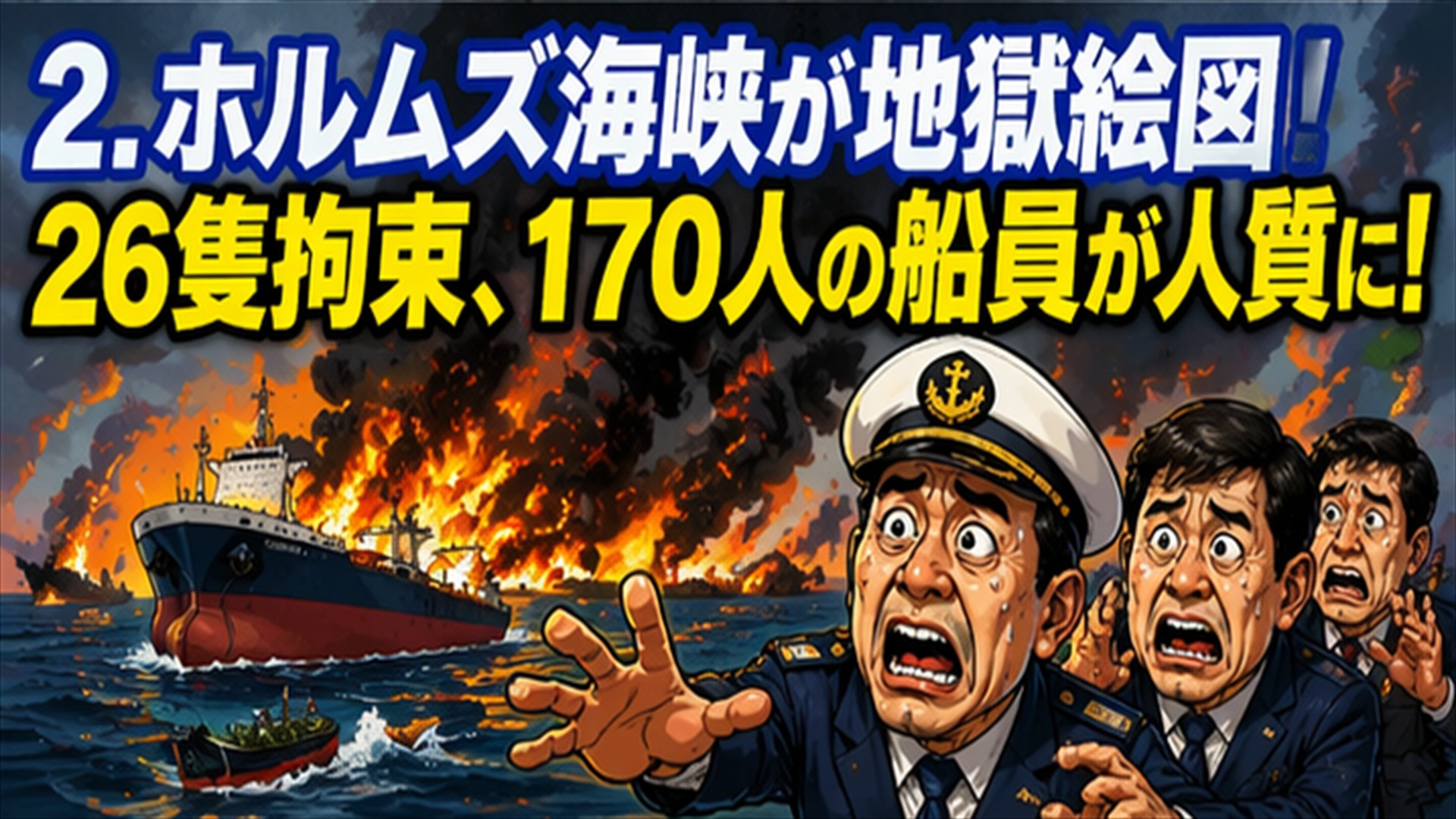
? The 200 days of theoretical stockpiles vs. 70 days in practice: Korea’s oil reserves puzzle
The Korean government claims it holds total stockpiles of about 200–208 days under IEA standards (government KNOC-managed around 100 million barrels, private mandatory reserves around 90 million barrels).
Seen alongside Japan as Asia’s top, but there is a big “trap” here.
Korea is a processing and trading nation that refines and exports large amounts of oil. Based on domestic consumption (refinery throughput about 2.9 million barrels per day), the equivalent stockpile is astonishinglyabout 67–70 daysor so. Government stockpiles alone would be 26–34 days, according to some calculations.
In March, as part of IEA cooperation, a record 22.46 million barrels were released. Currently, they are avoiding full-scale releases and coping with a swap system (government stockpiles lent to the private sector).
From April to May, there is a plan to ride through without releases, but July crisis talk also circulates.
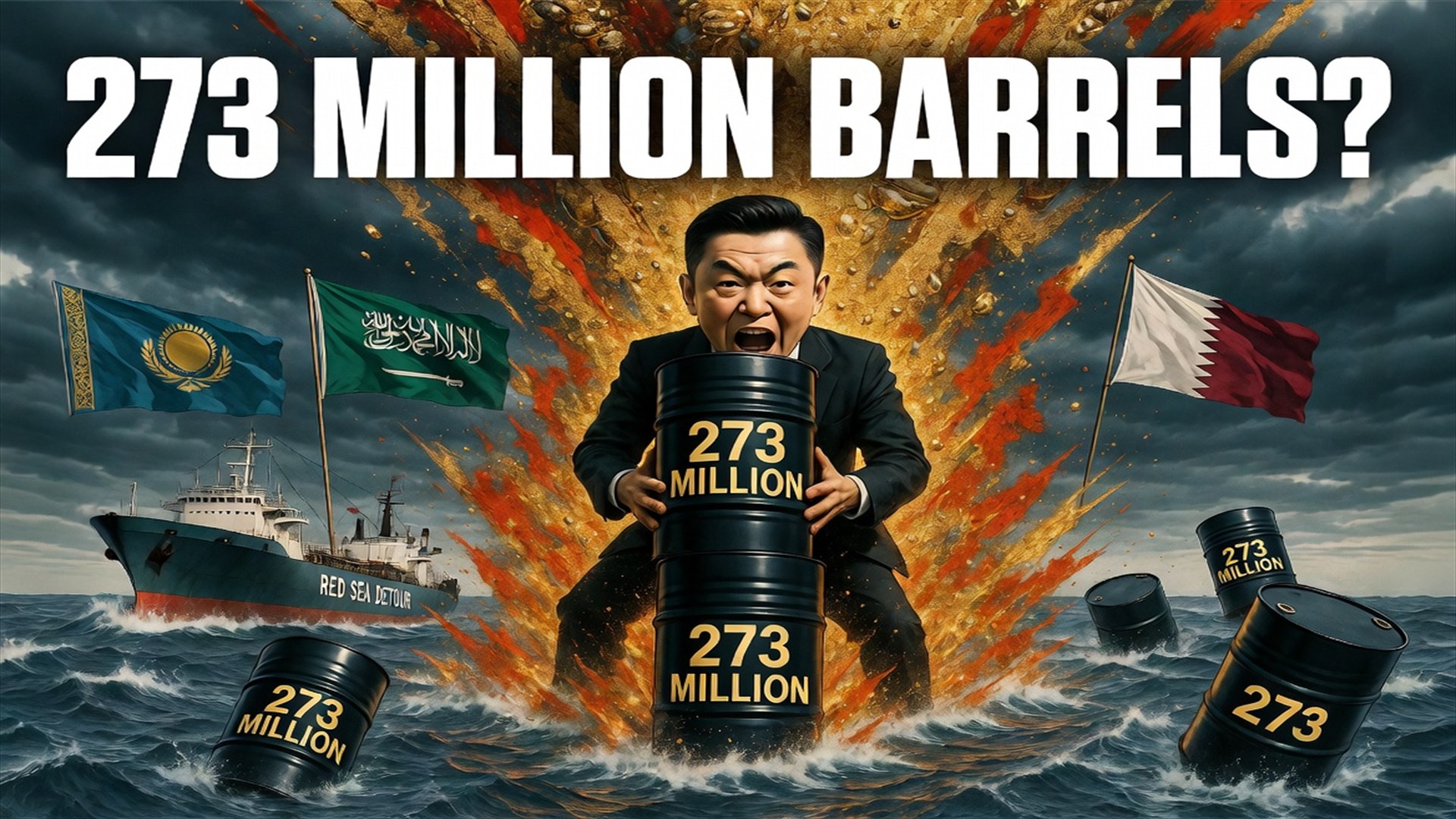
? The diplomatic effort to secure 270 million barrels? But what is the truth?
This is the point Korea’s government highlights the most.
Special envoy and Chief of Staff Kang Sun-pyo visited Kazakhstan, Oman, Saudi Arabia, and Qatar from April 7–14.Added to this, they announced securing 270 million barrels of crude oil by the end of the year(more than three months’ worth based on last year’s consumption) and up to 2.1 million tons of naphtha.
From the UAE, 24 million barrels have already been prioritized for supply. There is a track record of avoiding Red Sea detours, and they argue that short-term responses were agile.However, these are promises for year-end, not immediate arrivals.
Transportation risks (Houthi issues, etc.) and price spikes remain.
On X, some say “Korea succeeded, Japan has no basis,” but that comparison may be somewhat optimistic. Indeed Korea made a flashy publicized quantity, but the structural vulnerabilities still remain.
What do you think? The diplomacy itself can be commended, but whether it can be called a perfect solution remains doubtful.
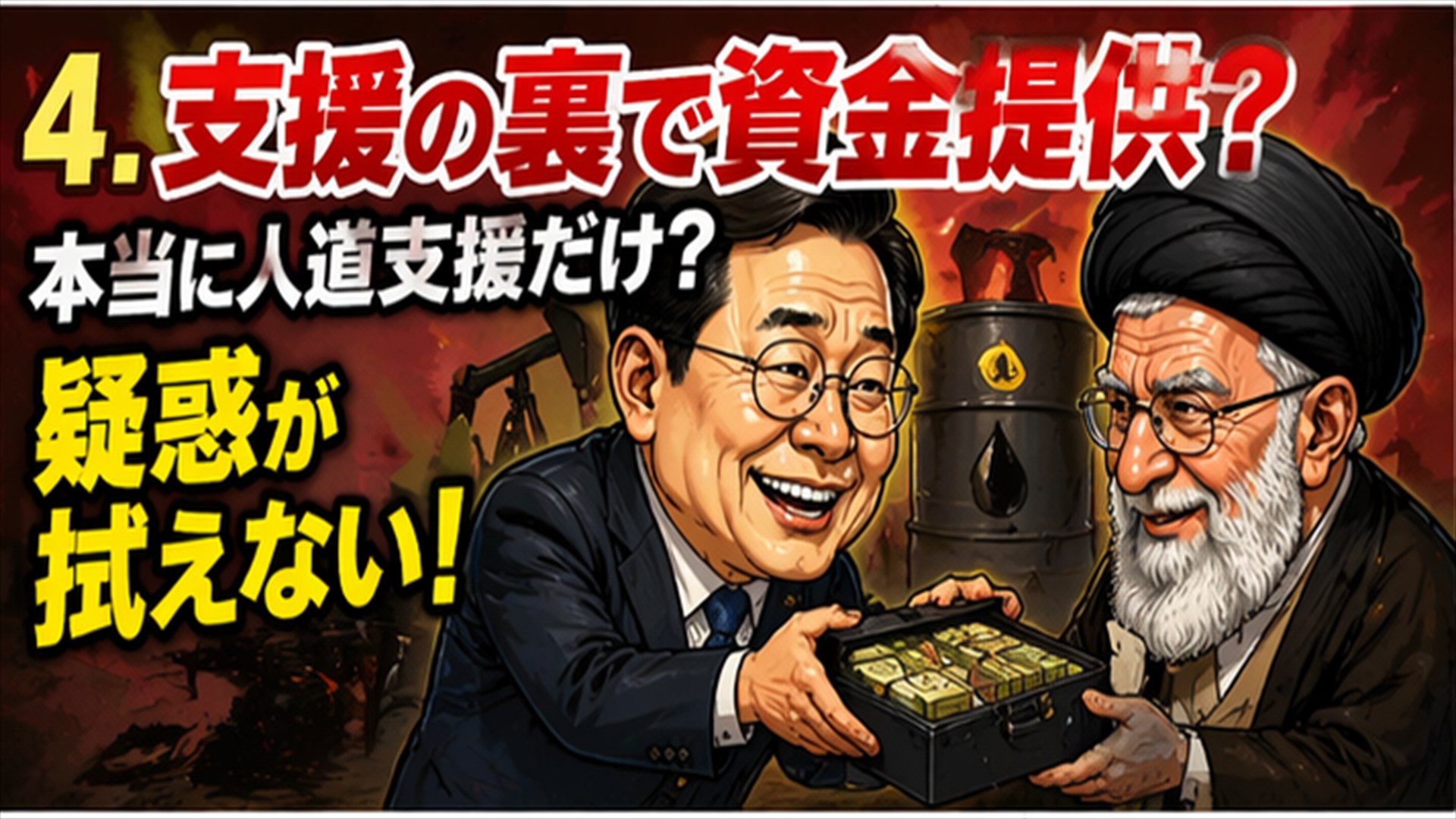
? Which should we really emulate when comparing with Japan
Japan holds about 230–254 days of stockpiles in total, with national stockpiles alone at 146 days. In March, they released about 80 million barrels, but they explain that expanding alternative routes (Jebel Ali port in the UAE, etc.) and U.S. shale oil secure supply prospects for 2026.
Korea uses bilateral diplomacy to secure concrete numbers, while Japan uses stockpile depth to buy time. Both reveal Middle East dependency as a structural issue, but Korea’s thin consumption base is particularly worrisome.
Which strategy do you think is worth emulating? Is it more important to make flashy announcements or to steadily build stockpiles?
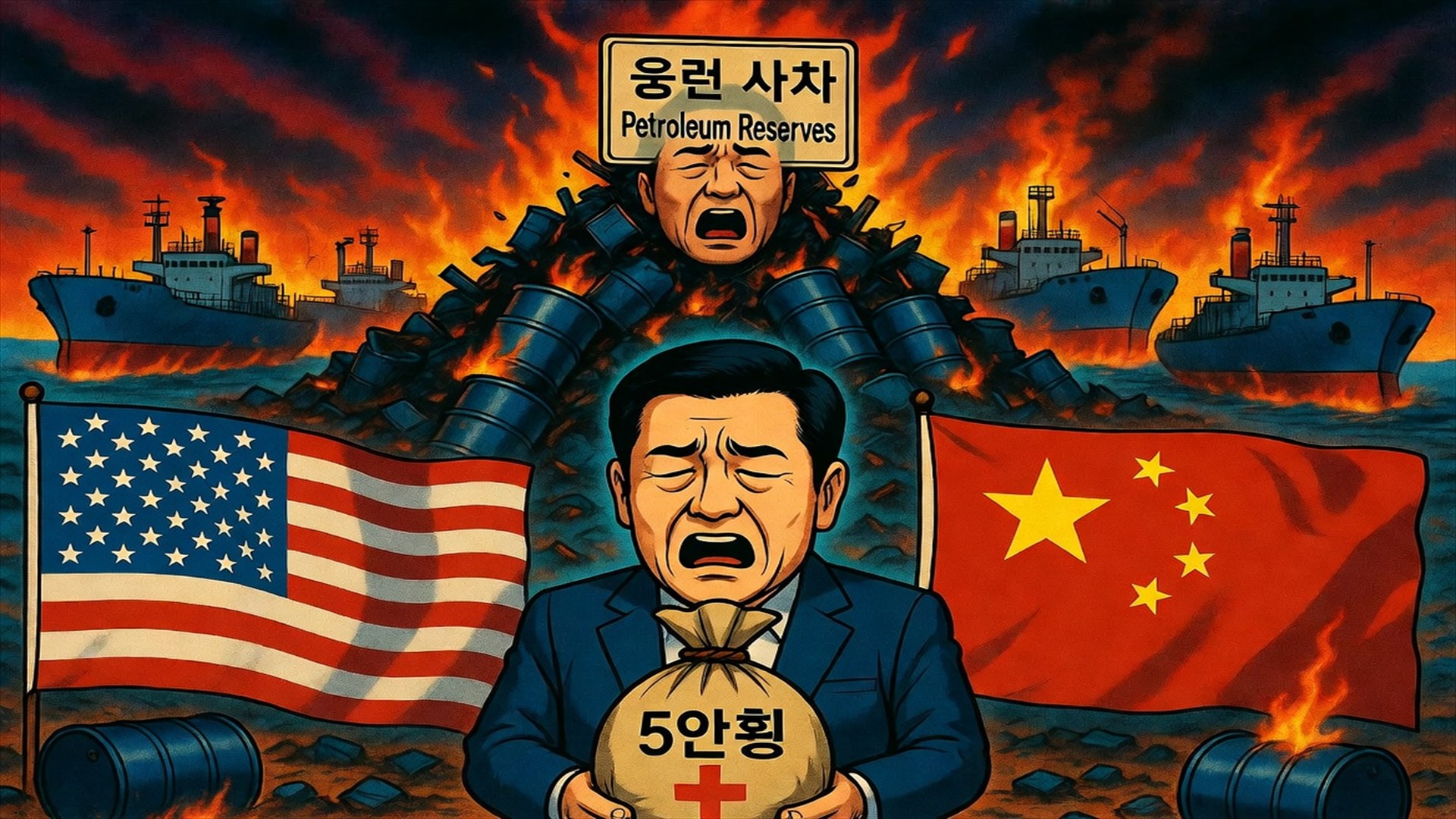
? The core issues, being caught between the U.S. and China and long-term risks
The United States (under the Trump administration) aims to exhaust Iran. In that context, Korea negotiating directly with Iran and pursuing humanitarian aid could be seen as diluting the purpose of the blockade.
Opposition parties and conservatives’ criticisms are natural.As we rush to address fuel costs with a supplementary budget (about 2.8 trillion yen), the voices of domestic seafarers and industrial losses cannot be ignored.This is exactly a case of “biting the bullet.”
If we speak bluntly, in the rush to quell short-term fires, the strategic alliance and stockpile improvements may be neglected.
These crises remind us of the importance of energy policy as part of daily life.
? A crisis that made us feel the gaps in numbers and the diplomatic difficulties
Through the Hormuz crisis, the Korean government’s envoy Jeong Byung-ha’s Iran negotiations, the 26 ships’ issues, the $500,000 humanitarian aid, the paper 200 days vs actual 70 days stockpile, and the diplomacy to secure 270 million barrels of crude oil…
Looking back, while actively taking action, balance with U.S. intentions and the fragility of realities become clear. A direct comparison with Japan cannot simply declare Korea superior; both countries face structural Middle East dependency.
What is your impression of this situation? The crisis continues. The government’s future decisions and our individual interest in energy issues are ultimately what matter.
Practice and verify freely with a completely risk-free trading simulator!
Detail page for One-Click FX Training MAX