
Hormon Strait? The Blockade of the Hormuz and Kuwait Uncontrollable Declaration? Can we just say "we can't supply"? The reality confronted by the oil supply crisis
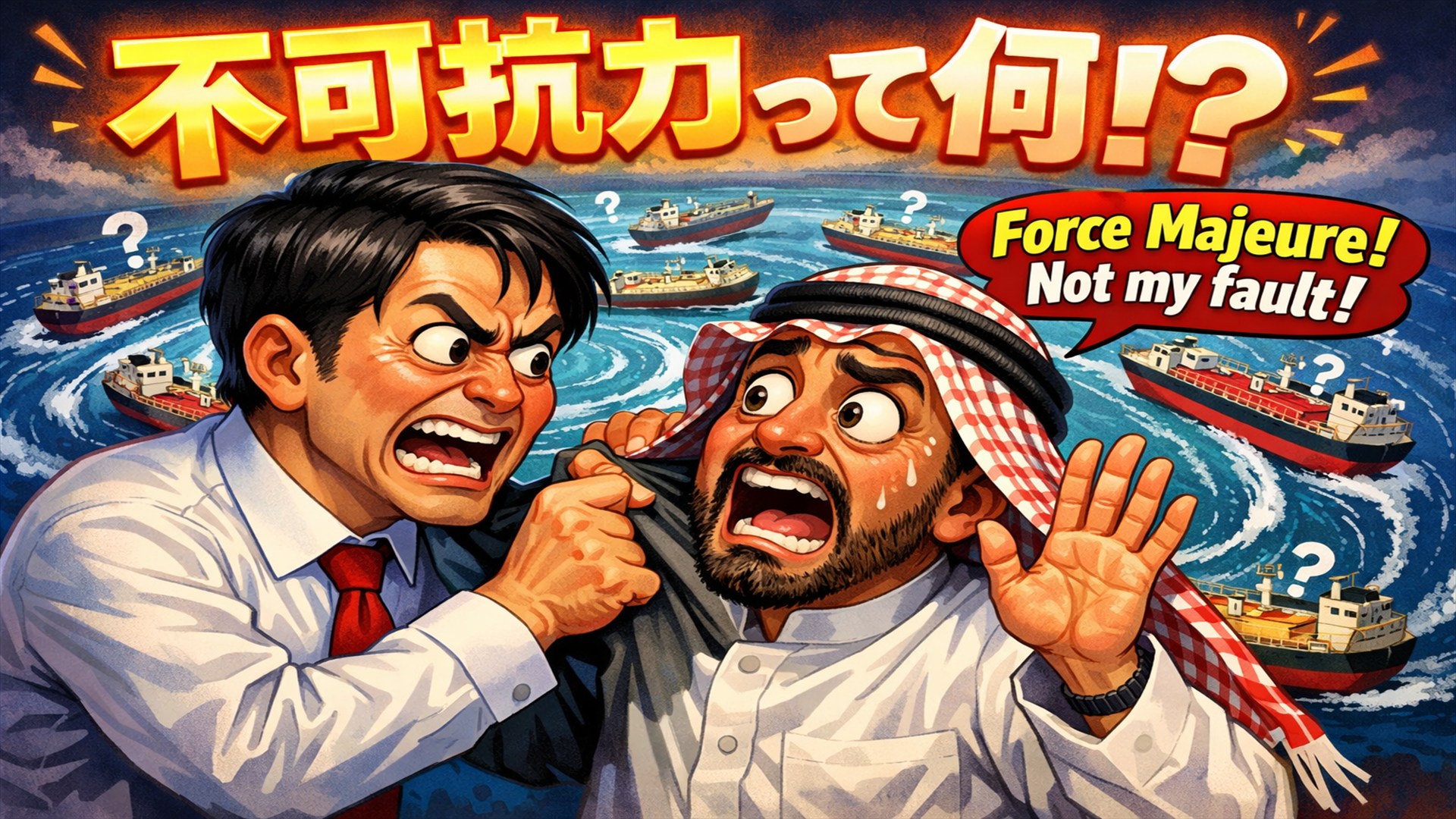
In the current Strait of Hormuz issue, countries like Kuwait have declared force majeure, making it impossible to “deliver crude oil.” In contracts, this is a legitimate response, and under international trade rules, obligations to supply can be excused in cases of war or blockades.In other words, it’s like “we can’t supply, but we won’t be held responsible.”
However, from the buyers’ perspective, the story is different. Even with long-term contracts, supply stops and penalties cannot be charged. As a result, the situation becomes “then procure it elsewhere,” but this is not easy.
Selling well!A high-functioning trading training tool that feels like the real thing?9,800 yen?
?FX New Generation: One-Click FX Training MAX
The issue this time is not price but “the supply itself.”
As a substitute, even if trying to procure from the US and other areas, constraints such as tanker shortages, risks in transportation routes, and rising insurance costs make it impossible to simply say “if you buy, it will arrive.”In other words, even with contracts, goods may not arrive, creating a very troublesome situation.
On the other hand, it’s true that the Gulf countries may appear irresponsible, but realistically there is no way to move forward.The Strait of Hormuz is heavily influenced by Iran, and countries like Kuwait and Iraq cannot secure safe navigation on their own.The reality is that they want to do it but cannot.
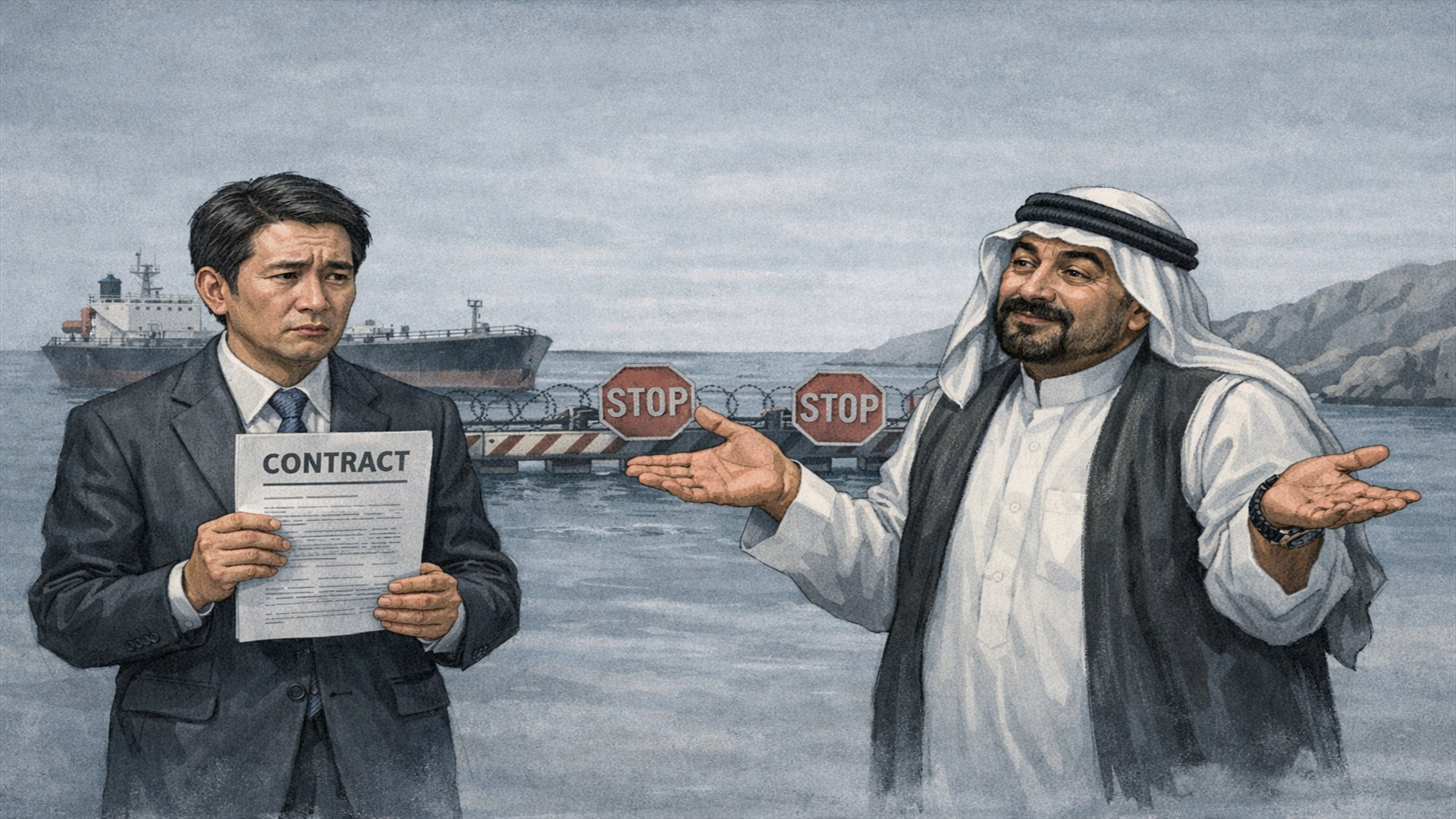
Still, buyers’ dissatisfaction remains. It feels like “isn’t that your backyard?” This sense of mismatch is not a minor point, because it directly affects future procurement actions.
If situations like this continue, buyers will surely change their approach. They will prioritize routes that ensure stable supply, even at higher costs. Even with risk-adjusted pricing, the emphasis will be on “delivery guaranteed.”
In other words, a shift from “low price” to “stability.”
This is not irrelevant to Middle Eastern oil-producing countries either. Their strength of “cheap and large-supply” could be offset by the risk of instability. If trust is lost, their market share could gradually shrink.
That is why, in principle, it is the sellers who should take action here. Ensuring route safety, joint defense, or strengthening international frameworks.Don’t end with “we can’t supply”; establish a system to prevent the same thing from happening again.
And buyers cannot remain passive either. They should diversify procurement and spread risk in anticipation of supply stoppages like this. In that sense, moves like Power Asia make sense. By maintaining Asia’s supply network, they minimize impact on their own country.This is not out of goodwill, but a very realistic judgment.
Whether this incident ends as a temporary confusion or becomes a trigger to change procurement structures is still to be seen. At least the premise of “because it’s cheap, it’s Middle East” seems to be wavering a bit.
Completely risk-free trading simulator for free practice and verification!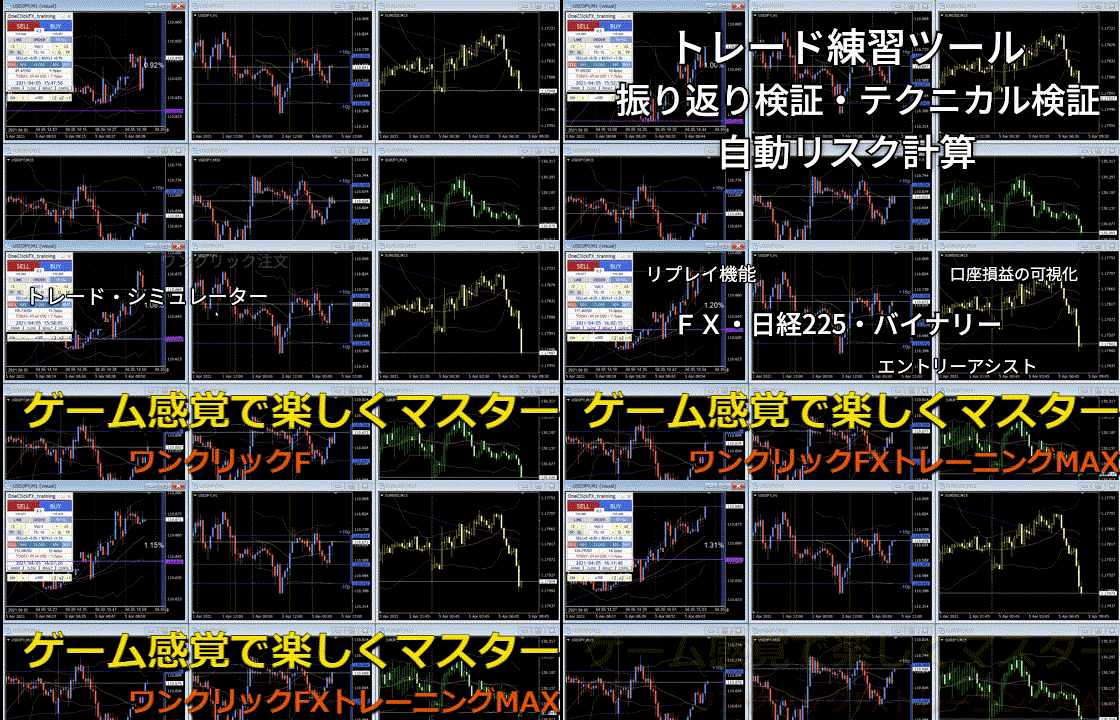
Details page for One-Click FX Training MAX