

? Will the Kaoshi政権 "Power Asia" 1.6 trillion yen fund save Asia? The Strait of Hormuz blockade causes Asia to face an oil shock, Iran in a panic!
If from tomorrow cars line up at gas stations, factories stop, and people disappear from tourist destinations… can you still say it’s “a story from a distant country?”What is happening now is less of an event in the Middle East and more of an “Asian oil shock.”
The blockade of the Strait of Hormuz in April 2026 is a show of force that tightens key supply routes to shake both prices and logistics at the same time. Its impact would directly hit Southeast Asia, making fuel restrictions and plant shutdowns a reality. Japan is not completely unaffected, but it is in a position to endure with stockpiles and imports from North America.
Meanwhile, developing countries do not have that kind of margin. In this asymmetric crisis, what should Japan do? Can the 1.6 trillion yen “Power Asia” program launched by the Takamax administration save Asian countries?
? Iranian President panics! Trump administration’s Hormuz blockade as the trigger
First, the background. According to Israel Channel 14, President Paveshkiyan faced off with Vice President JD Vance at the April 2026 Islamabad talks but returned empty-handed. Soon after, President Trump decided to seal off the Hormuz Strait. Iran depends on oil and gas for about 80% of its exports, and more than nine-tenths of that pass through this strait.
In other words, the blockade would simultaneously halt the core of national revenue.About $4 billion in daily economic activity could be lost, and oil revenues that supported 25–40% of the budget could vanish. Unlike sanctions, a blockade is an immediate blow, and it is natural that internal conflicts and broader chaos would follow.
? The pain of the blockade is not limited to Iran! Fiscal crises in Gulf nations
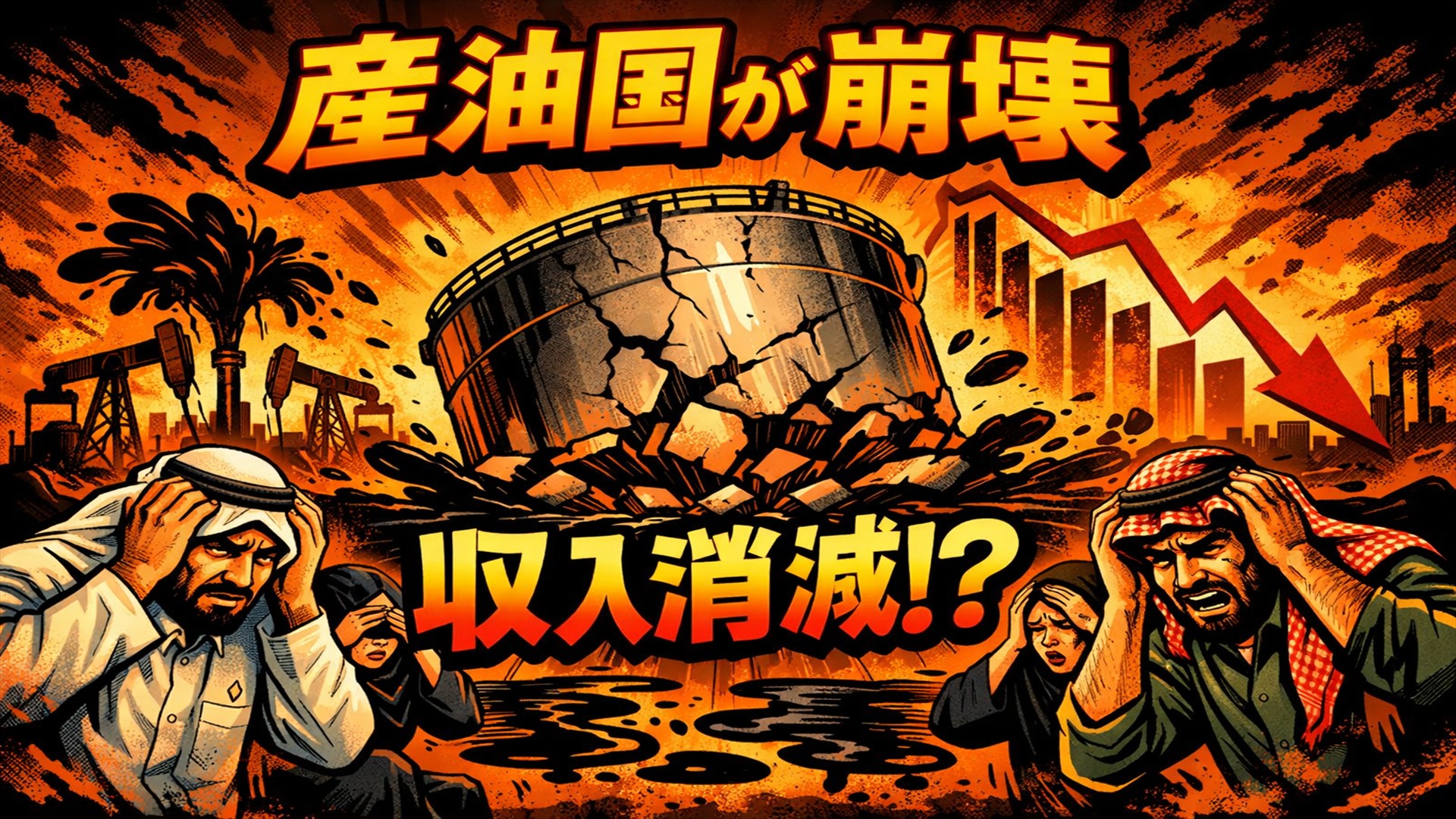
The impact extends beyond Iran to gulf oil-producing countries. Kuwait is 100% Hormuz-dependent, with exports down to less than a fifth of the previous year and revenue plunging about 73–75%. Iraq also faces a 76% drop in revenue, a serious blow. Saudi Arabia and the UAE can somewhat route around the problem, but the risk remains.
The premise that exporters are safe is collapsing, and the loss of revenue sources suddenly destabilizes fiscal structures.Short-term resilience is possible, but long-term sustainability is tough. How do you view this reality?
? Japan “Inflation-only?” Behind 254 days of stockpiling and the surge of U.S. tankers
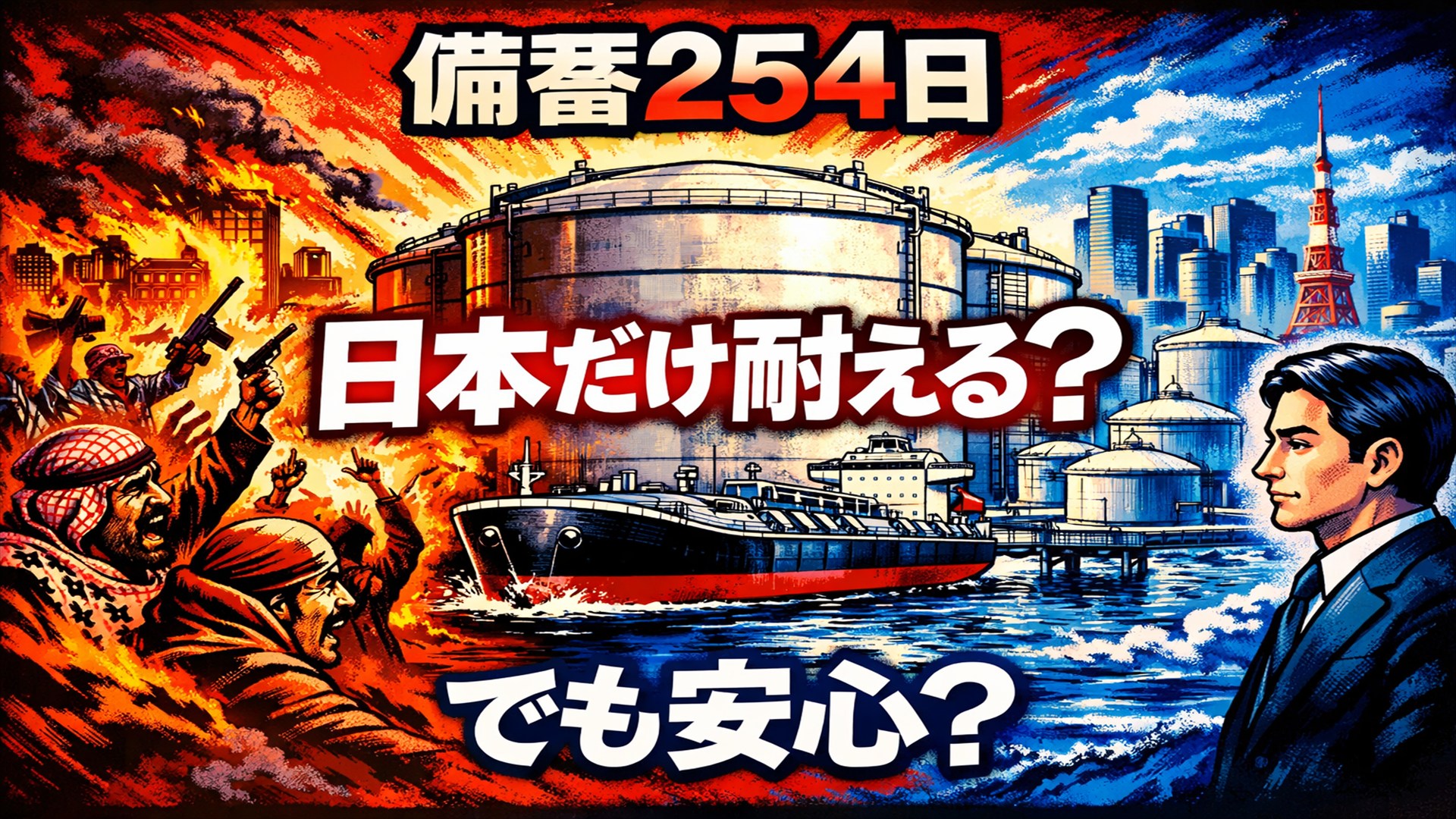
Meanwhile, how about Japan? About 95% of crude oil imports come from the Middle East. Yet it maintains a time cushion with 254 days’ worth of stockpiles across the public and private sectors. Stockpiles have already been released, and imports from the United States have surged.Tankers heading from Texas and other places to Japan have surged, roughly four times the volume of last year.
In short, Japan is in a “painful but not deadly” position. However, this is only buying time.If the situation becomes prolonged, corporate costs will rise and the economy will deteriorate.Can you feel at ease with this? Or does it look like merely a temporary prolongation?
? Southeast Asia’s “modern oil shock”: the reality of a growth engine stopping
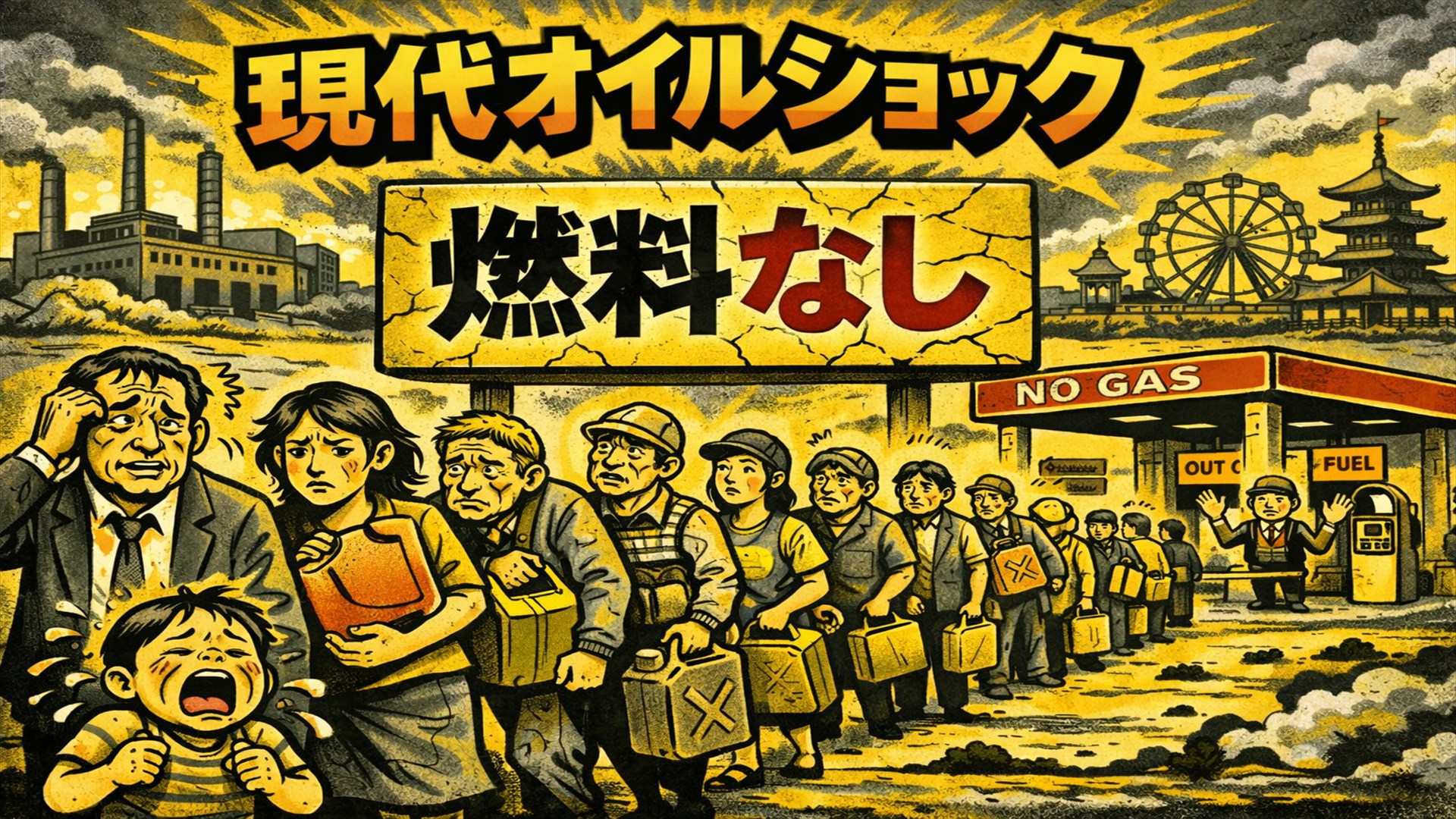
The most serious impact is in Southeast Asia. They lack stockpiles like Japan and have high energy dependence. As a result,gasoline queues, fuel shortages, tourism collapse, and factory shutdowns—truly an oil shock in itself.
In Thailand, cremation services pause and elephant movement is restricted; the Philippines declares a state of emergency; Indonesia and Vietnam also impose restrictions on economic activity. Fuel prices rise by more than 50%, and aviation fuel shortages devastate the tourism industry. What do you think?While Japan continues with “inflation,” developing countries suffer near-economic standstill.This asymmetry is a heavy reality.
? The Takahashi administration’s trump card: the 1.6 trillion yen Power Asia fund — its aims
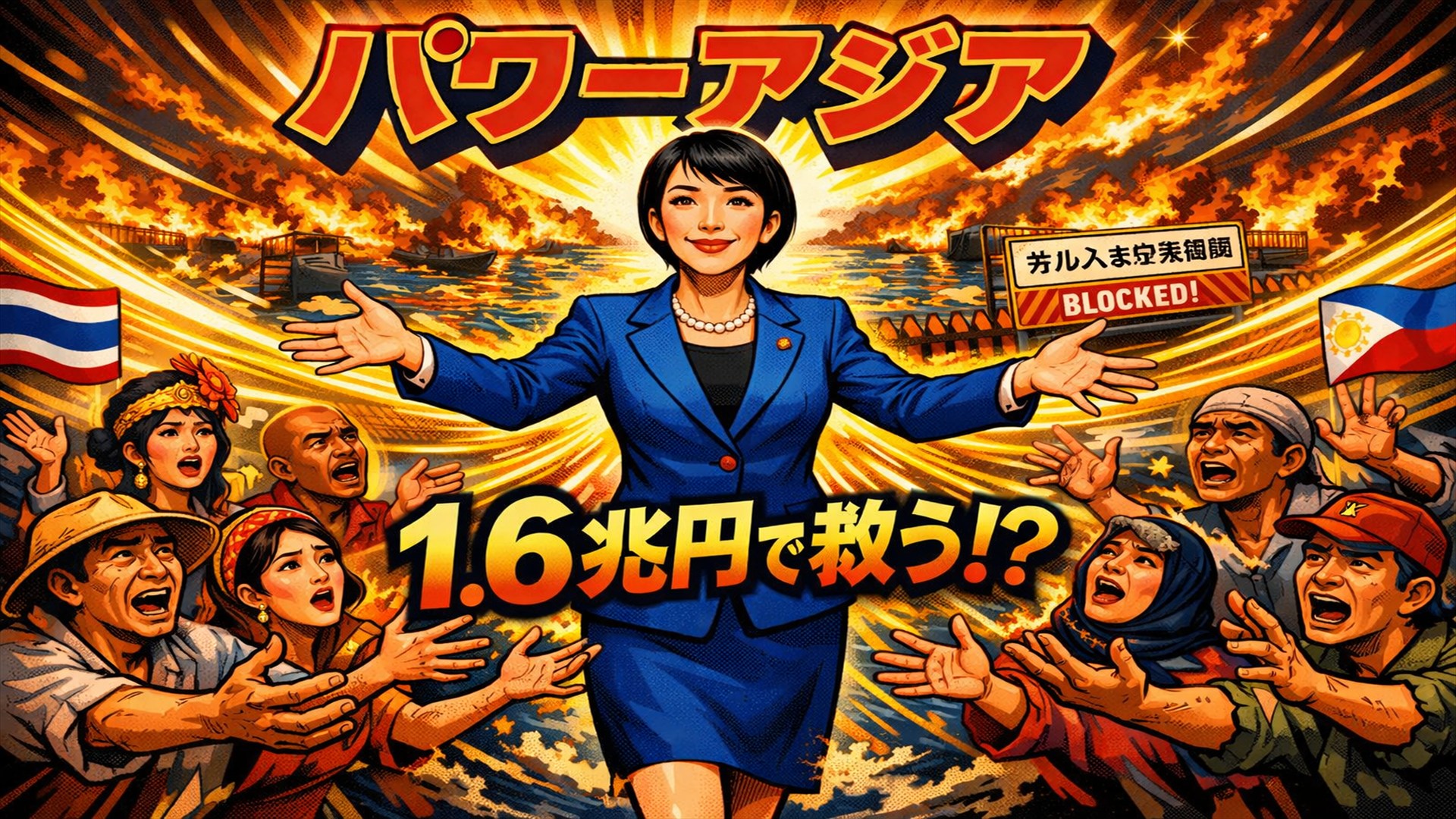
Against this backdrop, the Takahashi administration introduced “Power Asia.”With about 1.6 trillion yen in support, the plan is to provide financial assistance so Southeast Asian countries can procure non-Min Middle Eastern crude oil.
The aim is clear. First, to safeguard the supply chain. To maintain supplies of products Japan depends on, such as medical gloves. And second, to change Asia’s overall energy dependency structure. A blend of short-term measures and long-term strategy.
Indeed, diplomatically it is a very deft move. It benefits the United States and strengthens influence in Asia. Politically, it is a carefully calculated step.
? The gap between the limits and reality of Power Asia
However, it is not a panacea. The problem is “logistics.” Money alone cannot address tanker shortages, dangerous routes, or soaring insurance costs. This structural problem will not be solved quickly.
Moreover, domestically there is inevitable criticism: “Why Japan?” Indeed, foreign aid tends to spark pushback amid rising prices.
Ultimately, this fund acts as a “time-buying device,” not a fundamental solution. How do you view it? Do you see it as a “strategic investment”? Or as a burdensome measure in a resource-strained situation?
? The strategy of Power Asia
Looking back, the Hormuz blockade is not merely a regional conflict but an event that shakes the entire world’s energy structure. Iran on the verge of economic stoppage; Gulf states facing fiscal collapse risk; Japan buying time; Southeast Asia facing growth stagnation.
And in the midst of all this, Japan moves in the form of Power Asia. This is not just aid; it is an effort to gain leadership in Asia.
So, how should Japan behave? Should it act as a supporter, or prioritize its own national defense? How do you evaluate Power Asia?
Completely risk-free trade simulation: practice and verify freely!
Details page for One-Click FX Training MAX