

Why Netanyahu Cannot Stop: The Politics and Structures That Sustain War
How does Netanyahu view this situation?Despite talks of a ceasefire progressing between the Trump administration and Iran, for some reason the situation is not moving toward resolution—Or is it just my imagination that somewhere a brake seems to be applied?
Prime Minister Netanyahu of Israel says he supports a ceasefire, but he also shows strong dissatisfaction and vigilance about its terms, and continues the operation in Lebanon. Is this movement preventing the momentum toward a ceasefire, or is it a rational security measure? Or is there another reason not to end the fighting?
As ceasefire talks intensify between the Trump administration and Iran, Netanyahu, who is on the outside, has openly expressed his discontent.Organizing this situation reveals things that news alone cannot show. Now, let’s explore the path Netanyahu aims for to achieve a complete victory.
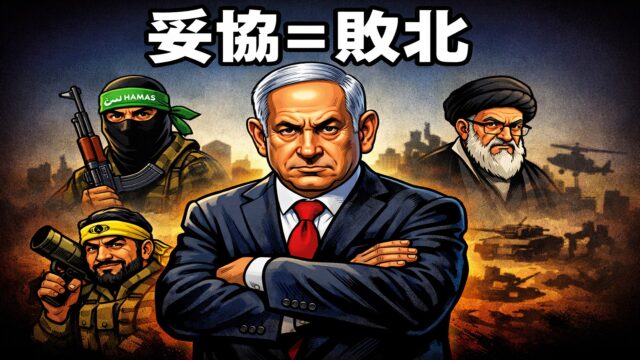
? “Compromise = Defeat” Why Netanyahu Cannot Concede
It is a fact that Netanyahu’s thinking has been consistent. For years, he has believed that threats should be contained through military pressure.
Against Hamas, Hezbollah, and Iran, he sees “their very existence as a risk.” From this perspective, it is understandable that he considers partial concessions dangerous.
In practice, there are moments when claims of certain operational successes have been made. However, whether this amounts to a “fundamental solution” is another matter.
? Why Backslide Near the Ceasefire? The “Man Who Doesn’t Step on the Brakes”
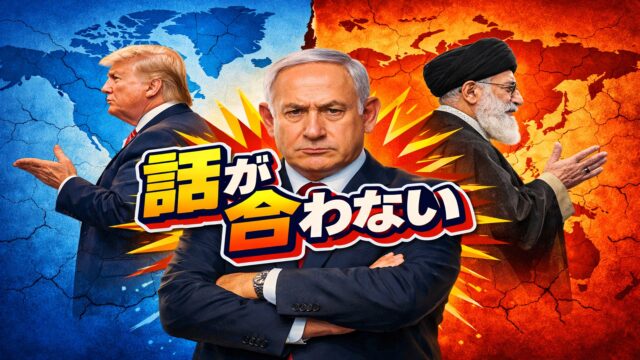
The problem is that this misalignment destabilizes the overall ceasefire and could undermine the agreement itself. What cannot be ignored here is the mismatch with moves toward a ceasefire. While the US and Iran expect a second round of talks (Pakistan-Islamabad mediation), Israel positions the ceasefire as only a temporary interruption and stresses unmet goals.
The Netanyahu administration formally supports a ceasefire but shows strong caution that it is “incomplete and insufficient,” and it has not compromised on excluding Lebanon operations. Furthermore, dissatisfaction with not being deeply involved in the negotiation process has become apparent, highlighting a temperature difference with the US (Trump administration) seeking a rapid resolution.
? Even If You Eliminate the Top Brass, It Never Ends? The Repeating “Infinite Loop”
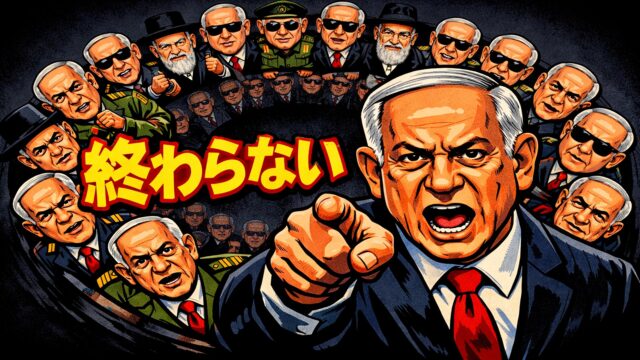
Recently, operations targeting leadership at a pinpoint level have been repeated. But there is a big question here.
Organizations are often built to function even when leaders are replaced; especially large organizations like the IRGC or groups like the Houthis have systems in place for successors to quickly fill vacancies.
In other words, temporary turmoil occurs, but things quickly return to normal. This cycle continues, and this behavior does not seem to cause significant damage to the other side. Rather, it seems to intensify rivalry.
In conclusion, this approach may have short-term effects, but in the long term it is limited and unlikely to change the structure itself.
? The Field Drains Behind the Scenes… The Cost of Spy Warfare
Behind these operations, spies and local collaborators are indispensable. And these people bear the greatest risk. In recent years, there has been an increase in arrests of information personnel, and strict measures have been taken. In some cases, the entire network can be exposed, and a foundation built over many years can be lost in an instant.
As operations repeat, the opponent’s vigilance rises, and internal investigations become stricter. As a result, the likelihood of collaborators being identified increases. While success continues, the next move becomes harder and the burden on the field grows.
? The More You Do It, The Worse It Is? The Inconsistency of a Relentless Strategy
From here, one sense of discomfort emerges.
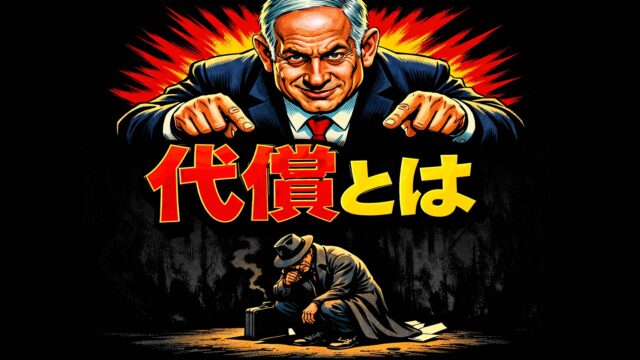
Using spies to purge executives has limited effects, while costs and risks are definitely increasing. This balance cannot be maintained for long.
So why persist? Political considerations, beliefs, and short-term gains. These three factors appear to be intertwined, forming a “structure that cannot be stopped.”
However, such operations cannot continue forever. There must be a limit somewhere.
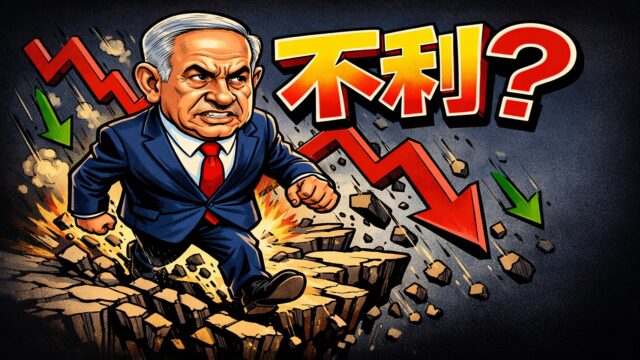
? If the War Ends, It Would Be Problematic? The Reality of Regimes and Trials
The Netanyahu government depends on a coalition with hawks, and loosening policies risks collapsing the government. At the same time, ongoing fighting tends to push elections later, shifting the timing of how the government is evaluated. Moreover, with longstanding legal proceedings, there is room to delay procedures due to emergencies, creating a structure to buy time.
As a result, continuing fighting benefits both security and regime maintenance, and personal considerations—this is how it is viewed in reality.
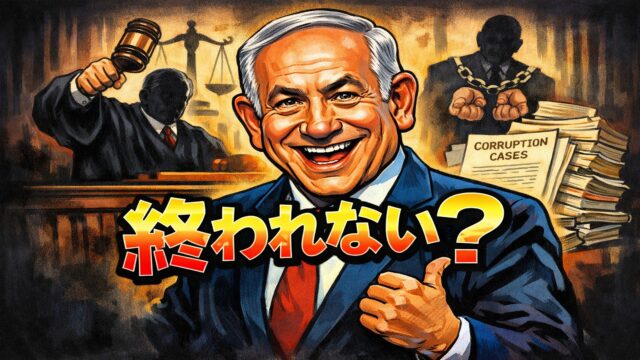
? In the End, Why Won’t It Stop? The Real Reasons Behind It
When整理 the situation of Prime Minister Netanyahu of Israel, it becomes clear that continuation of the fighting rests on a complex structure that cannot be explained by simple reasons.
- As a political maintenance mechanism
- Relation to personal circumstances
- Beliefs as security
- Risks and exhaustion on the ground
These exist simultaneously, and it seems impossible to foresee what will end it. And perhaps the reason to continue outweighs the reason to stop.
Rather than focusing on the Hormuz Strait or the US-Iran issue, looking at how Israel’s hardline stance can be relaxed might change how we view the news. What do you think would calm the Middle East situation?
Completely risk-free Trade Simulation for free practice and verification!
Details page for One-Click FX Training MAX