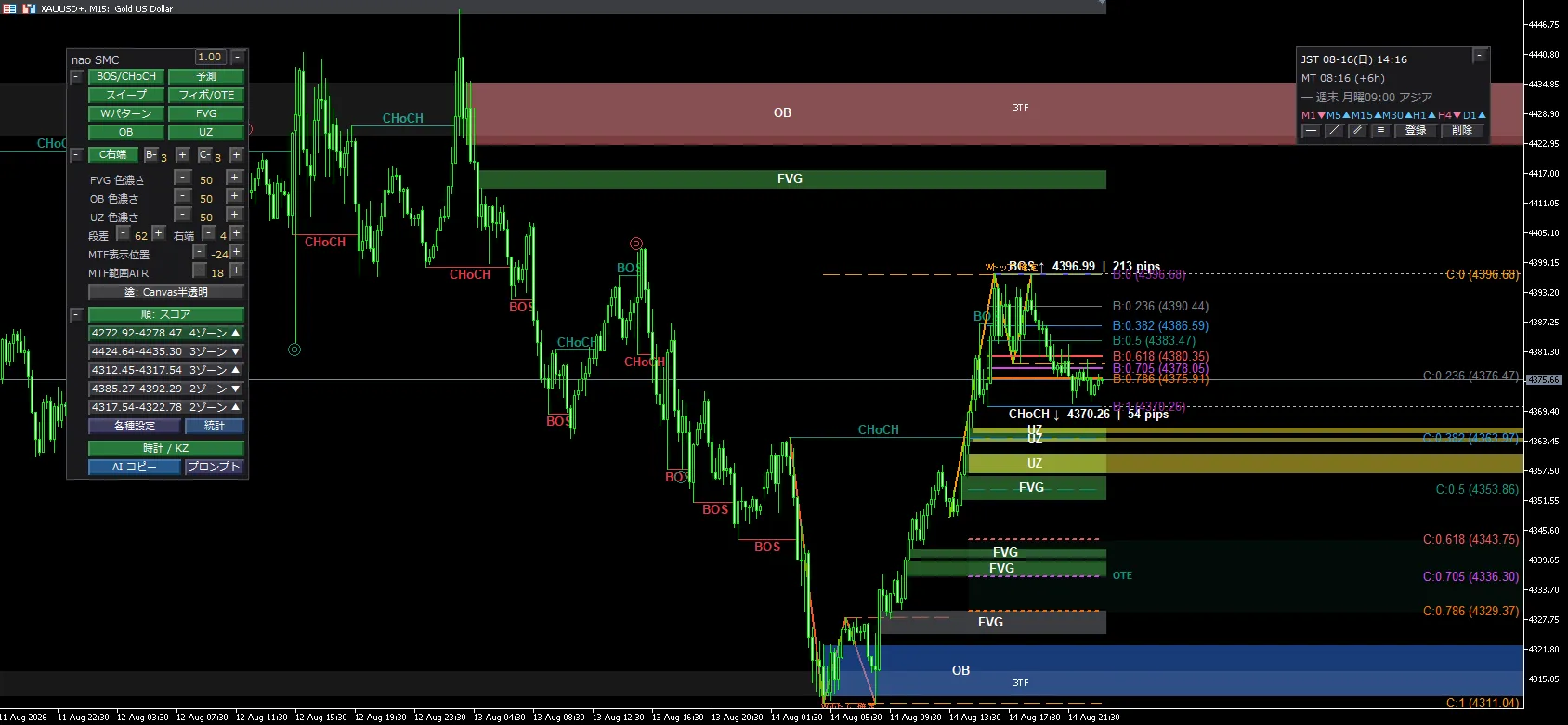

Episode 8: Before Trading, Decide—5 Steps to Create a Scenario [SMC Practice Part ②]
Hello,naohere.
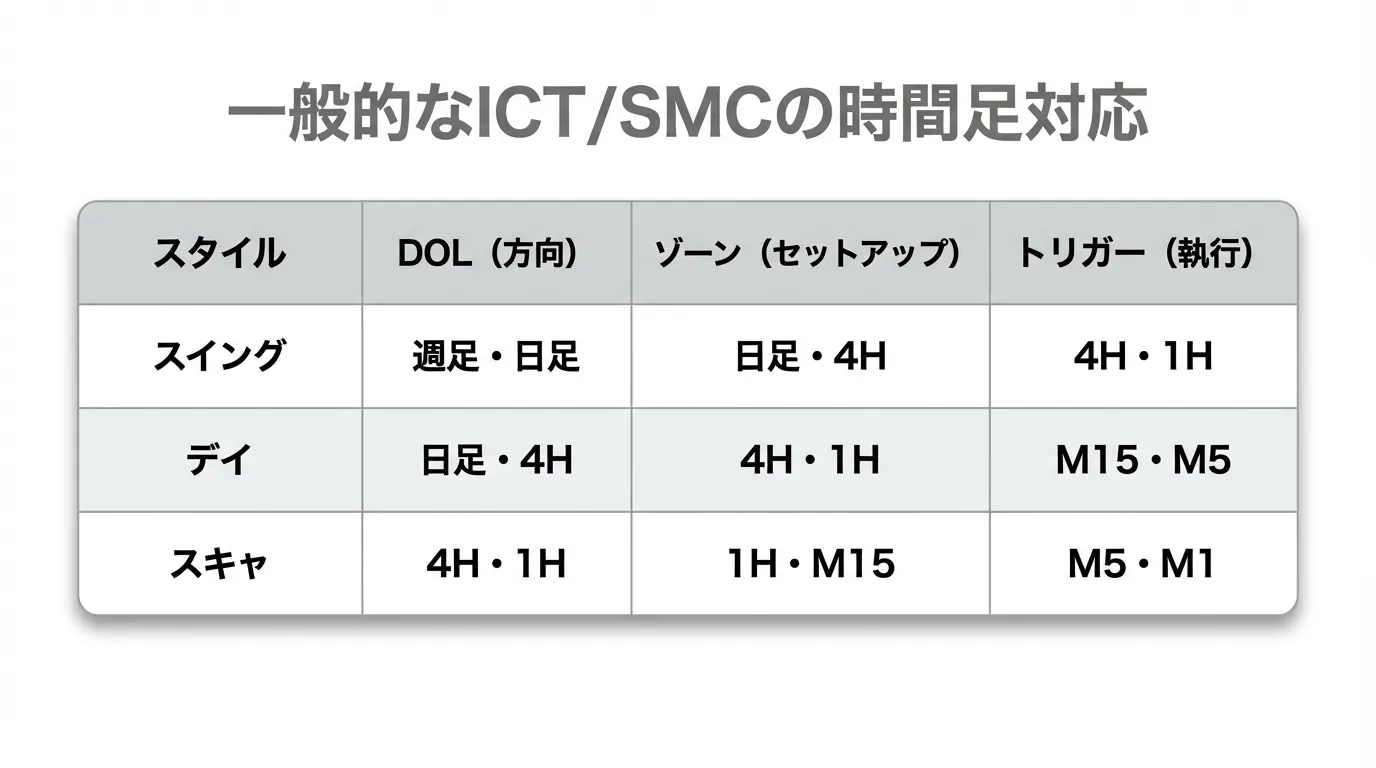
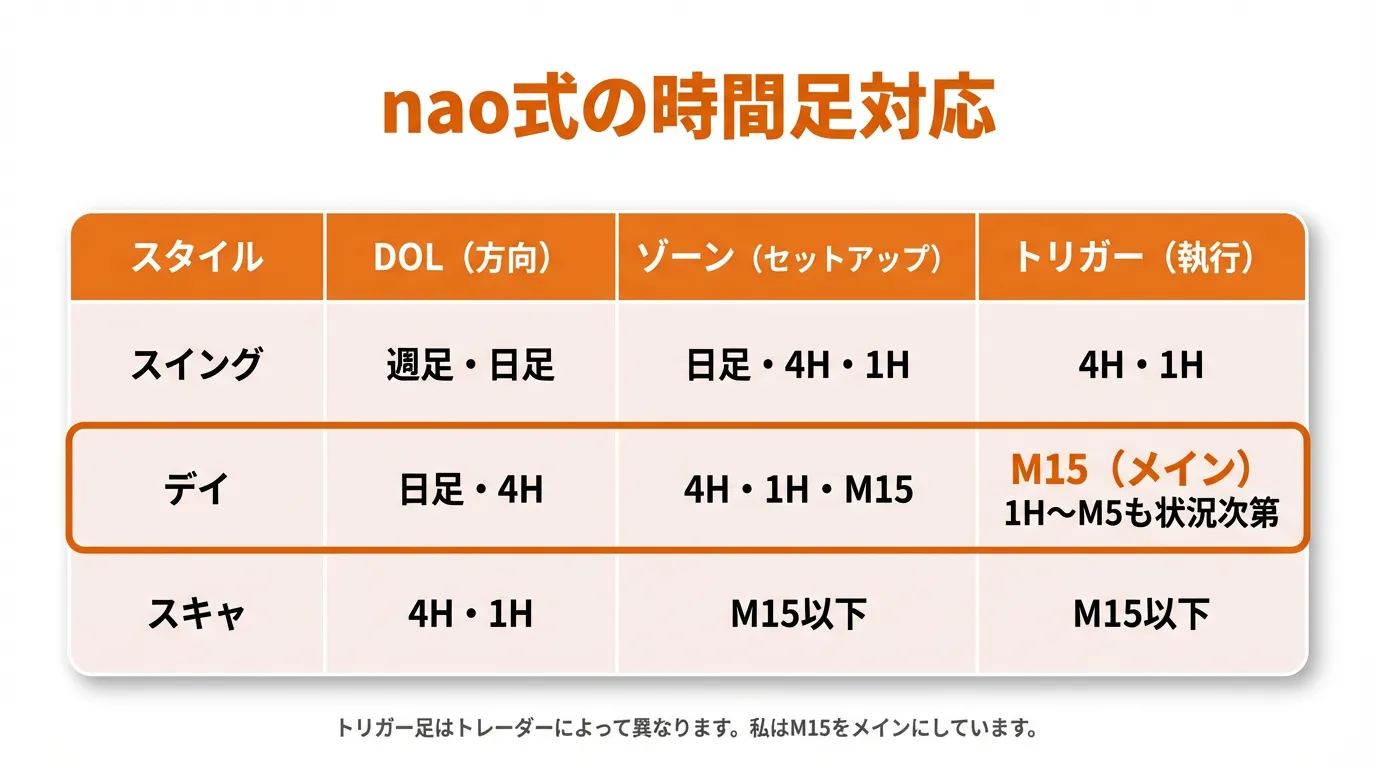
Last time (the7th round) I handed you a “framework” that integrates top-down analysis and kill zones. The flow is: decide direction on the higher timeframe, identify entry zones on the mid timeframe, and enter on the lower timeframe trigger that enters the kill zone.
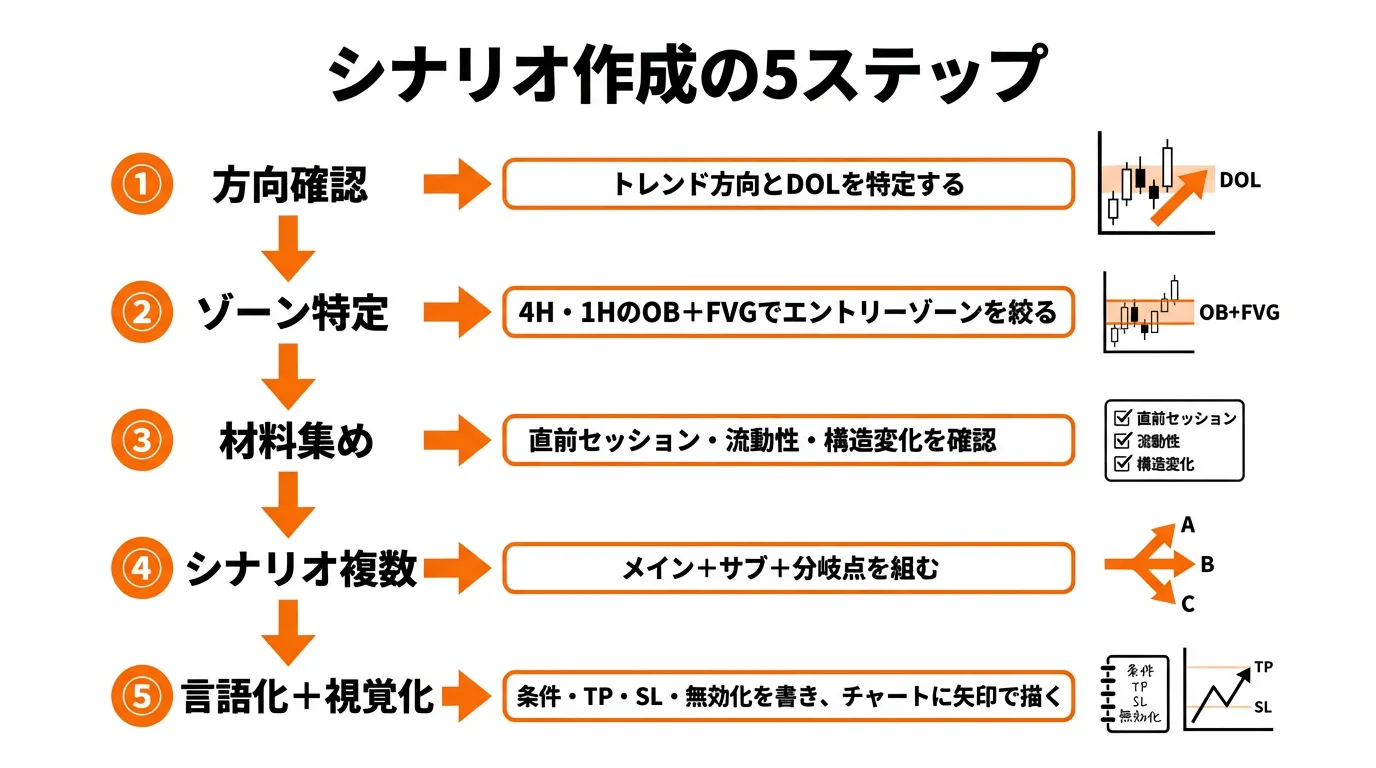
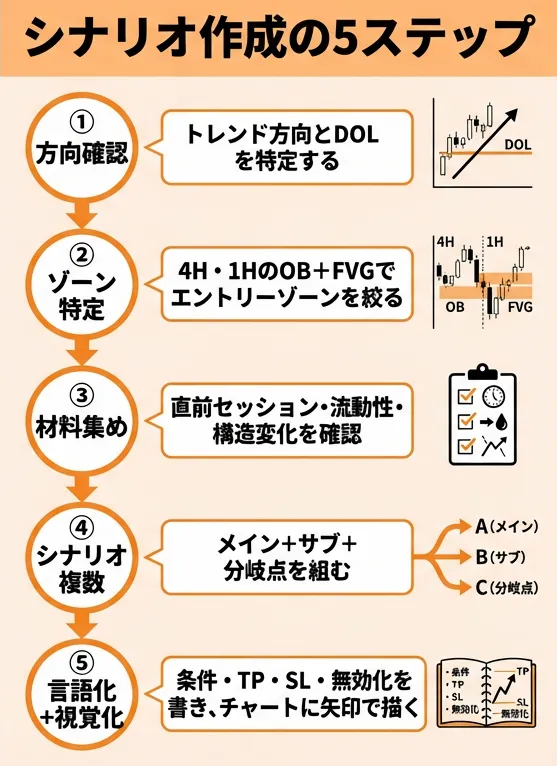
This time I will hand you thesteps to actually use it.
“I feel like I understand, but when I look at the chart I don’t know what to do.”——This article is about getting past that stage. The theme is simple.“Before trading, verbalize the scenario and draw it on the chart.”That’s all there is to it.
Why create a scenario in advance
Judging while the chart is moving is harder than you might think.
When price breaks out to new highs, you feel rushed: “Is this a breakout? Should I ride it?” and you end up jumping in. Or, price enters a zone but you hesitate, and the candles finalize before you can enter.
These are patterns of “thinking after the move,” triggered by emotions distorting judgment.
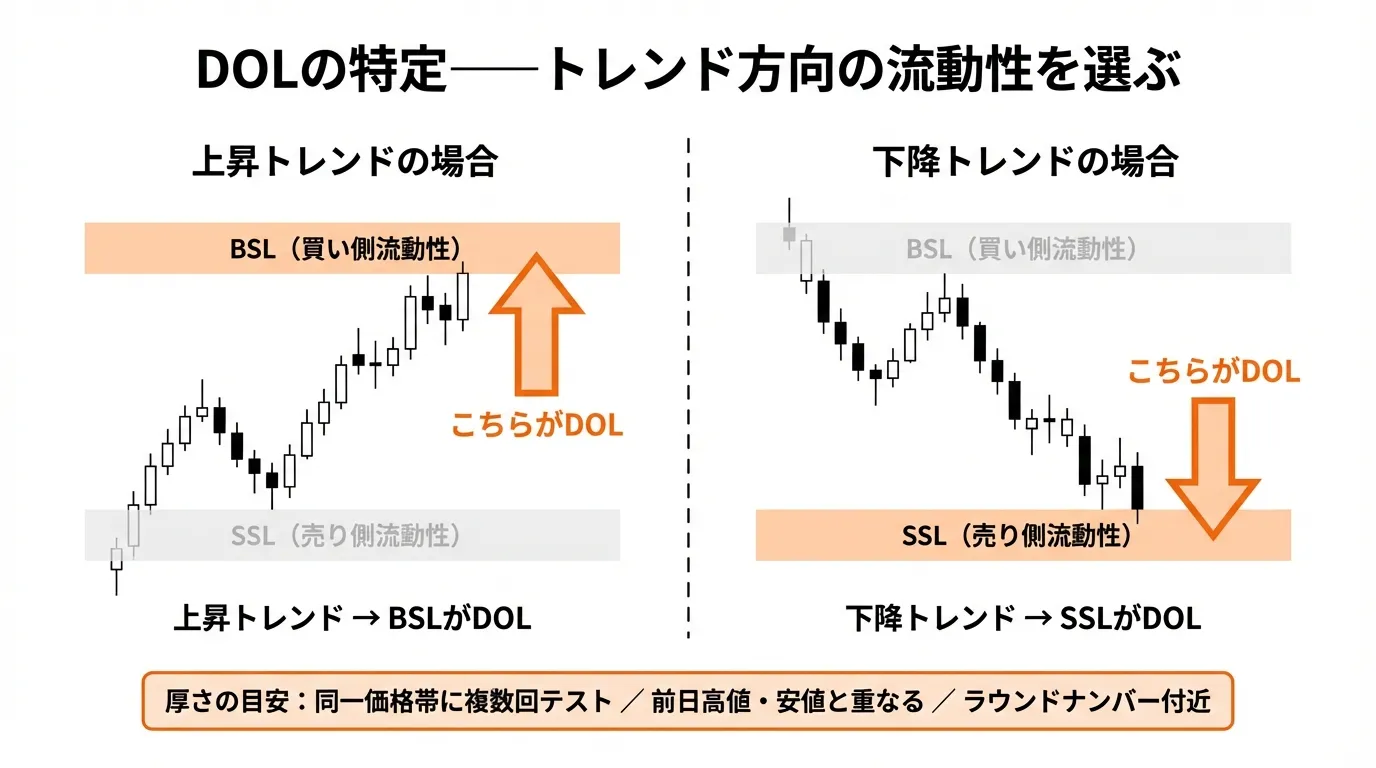
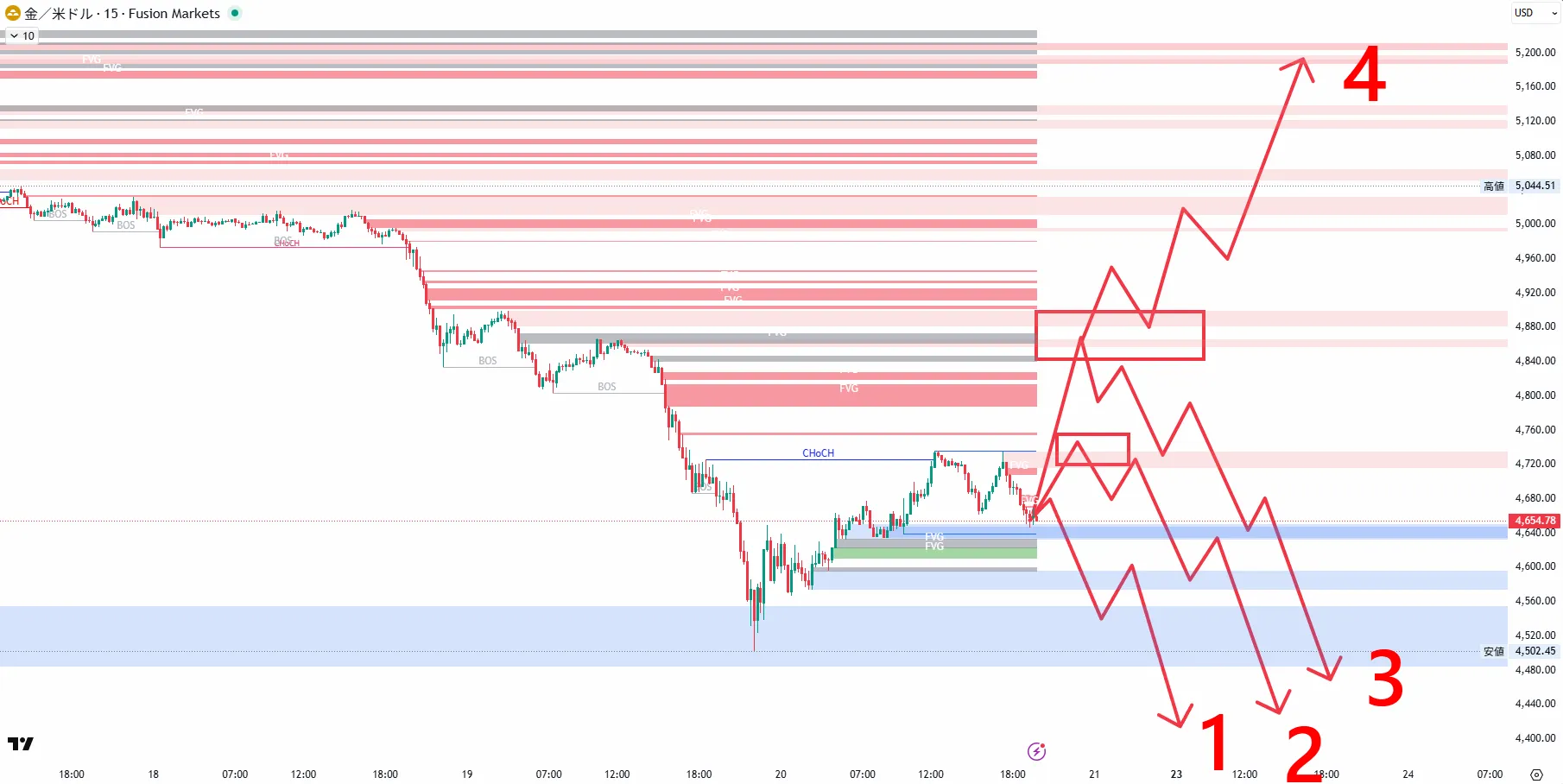
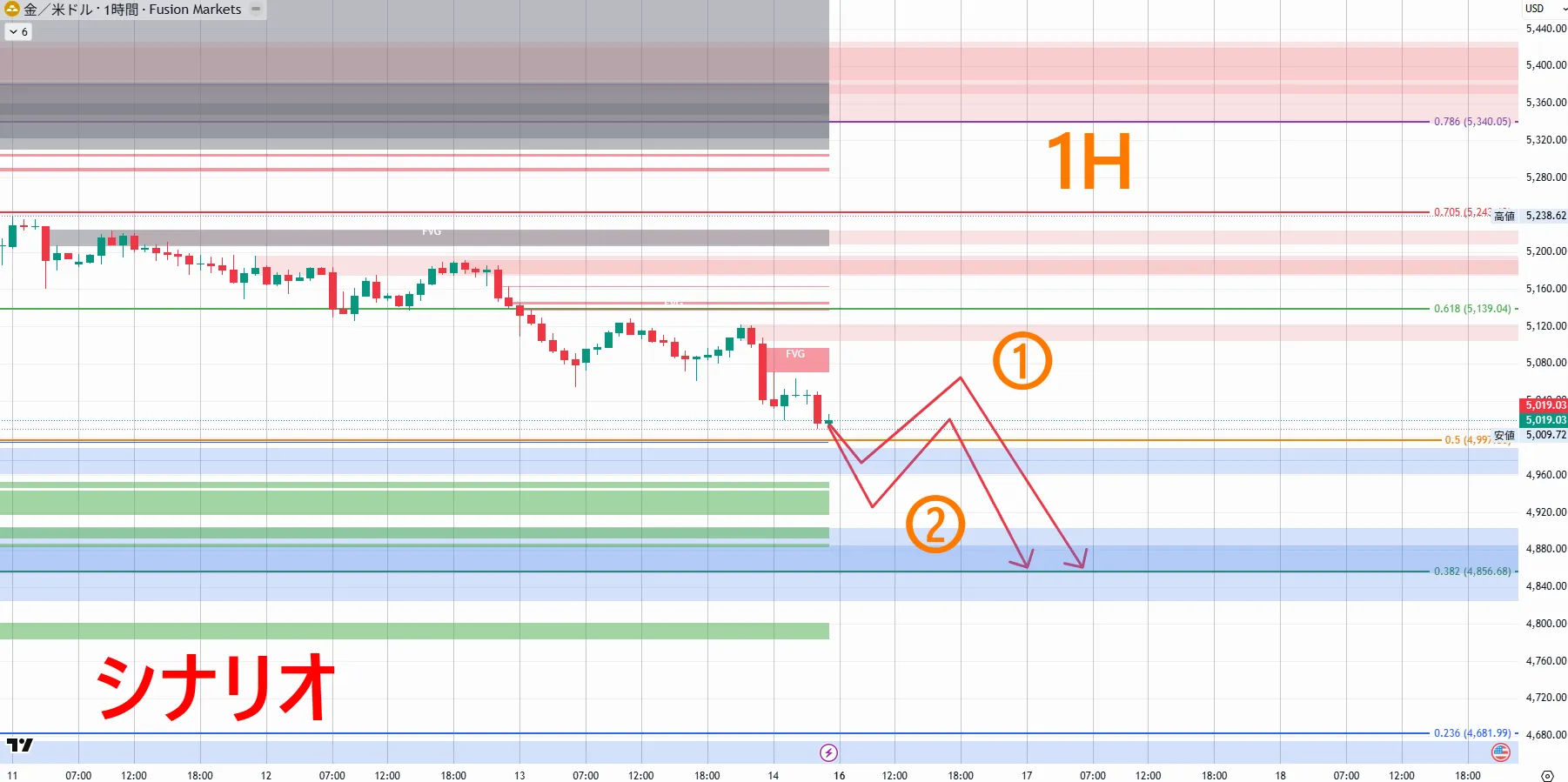
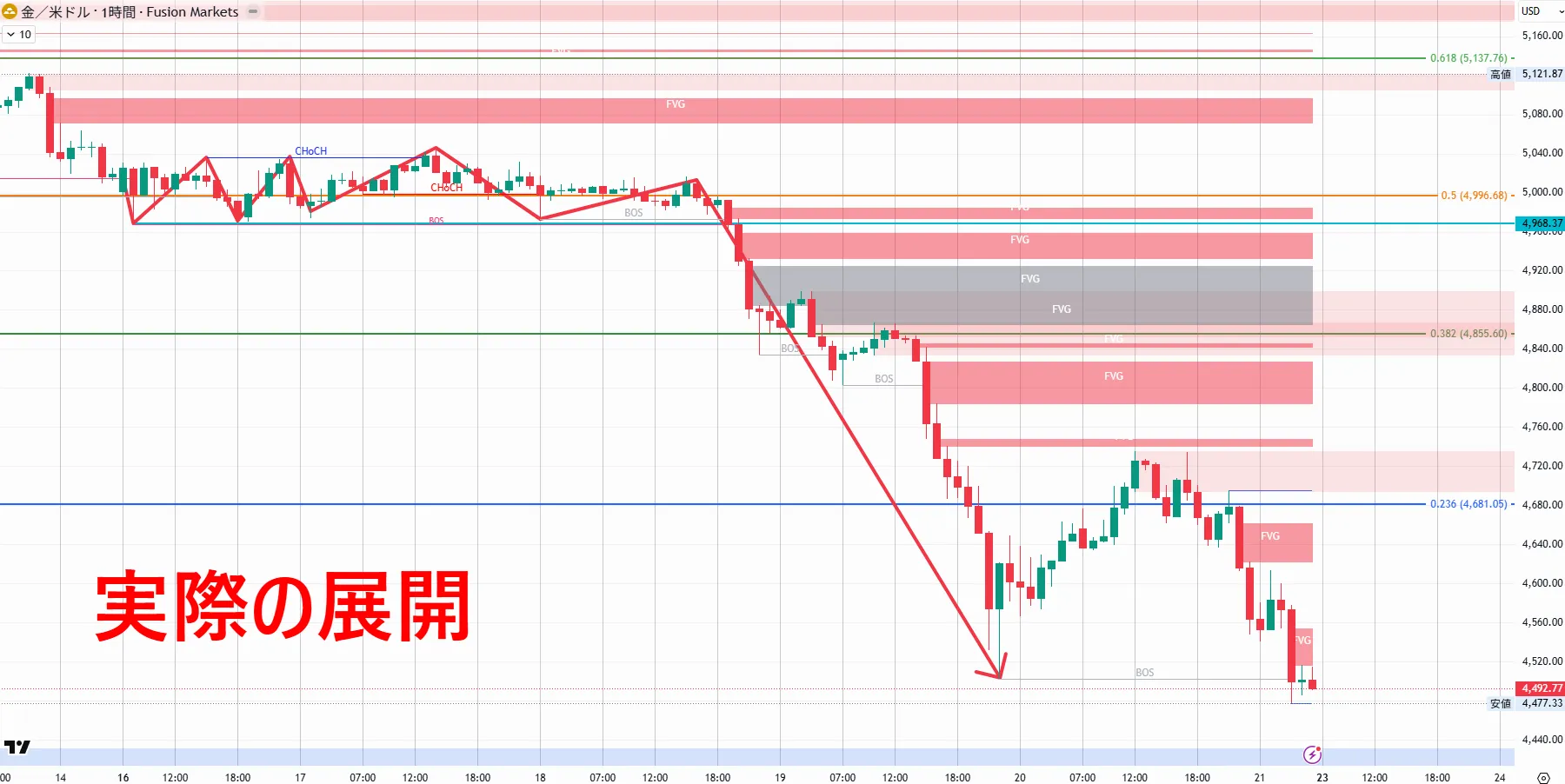
The solution is simple:“decide the scenario in advance.”It’s about entering short after the Asia session high is briefly breached and then retraces, with entry on the M5 after CHoCH appears near EQP, and TP1 near EQP, TP2 near SSL. If price breaks above the BSL without a pullback, drop the scenario. If not, proceed as planned.
BSL, pull back,M5showsCHoCH, enter short. TP1 nearEQPTP2nearSSLfront.breaking through with momentum without retracing would invalidate the scenario and be a miss——This is decided before the chart moves,. Then, when the market moves, what you do is only to check if it aligns with the scenario. It’s a confirmation, not a judgment. With confirmation, you can allocate your judgment to how to respond to unexpected moves.
Reducing room for emotion, you can evaluate yourself by whether you could make a well-supported decision. This is the biggest benefit of scenario creation.
There’s one more important thing.Scenarios can fail, and you should accept that from the start. “Failure” isn’t that; it’s that the market moved differently than the scenario. Acting according to the scenario is a proper trade. It’s far more reproducible than simply jumping in on emotions without a scenario.
When to create it—“before your trading session”
The timing to create a scenario is simple.Before you trade, open the chart and first create (or confirm) the scenario.Make this a habit.
Day trading (main): If you’re starting the day by looking at charts, create the scenario in the morning. If you join from the London session, do it before the London KZ (roughly 14:30–15:00 JST). Even if you created it in the morning, update it before the London KZ by incorporating Asia time moves. It’s a one-day scenario: see how price moves into this zone, and if London KZ shows this kind of action, enter accordingly.KZ前(14:30).前
The winning pattern I learned by my own method, I later found out is called "SMC," so I began activities to spread SMC.
Specializing in intraday scalping with GOLD. While selling the EA “tundere series” on GogoJungle,
I developed an SMC visualization indicator “nao_smc_mt5” that charts exactly the same judgment criteria as this series.
Structure, zones, 0.705, and the next breakout forecast—on the chart the moment it opens.
▶ For details on nao_smc_mt5, see here (GogoJungle sales page)