
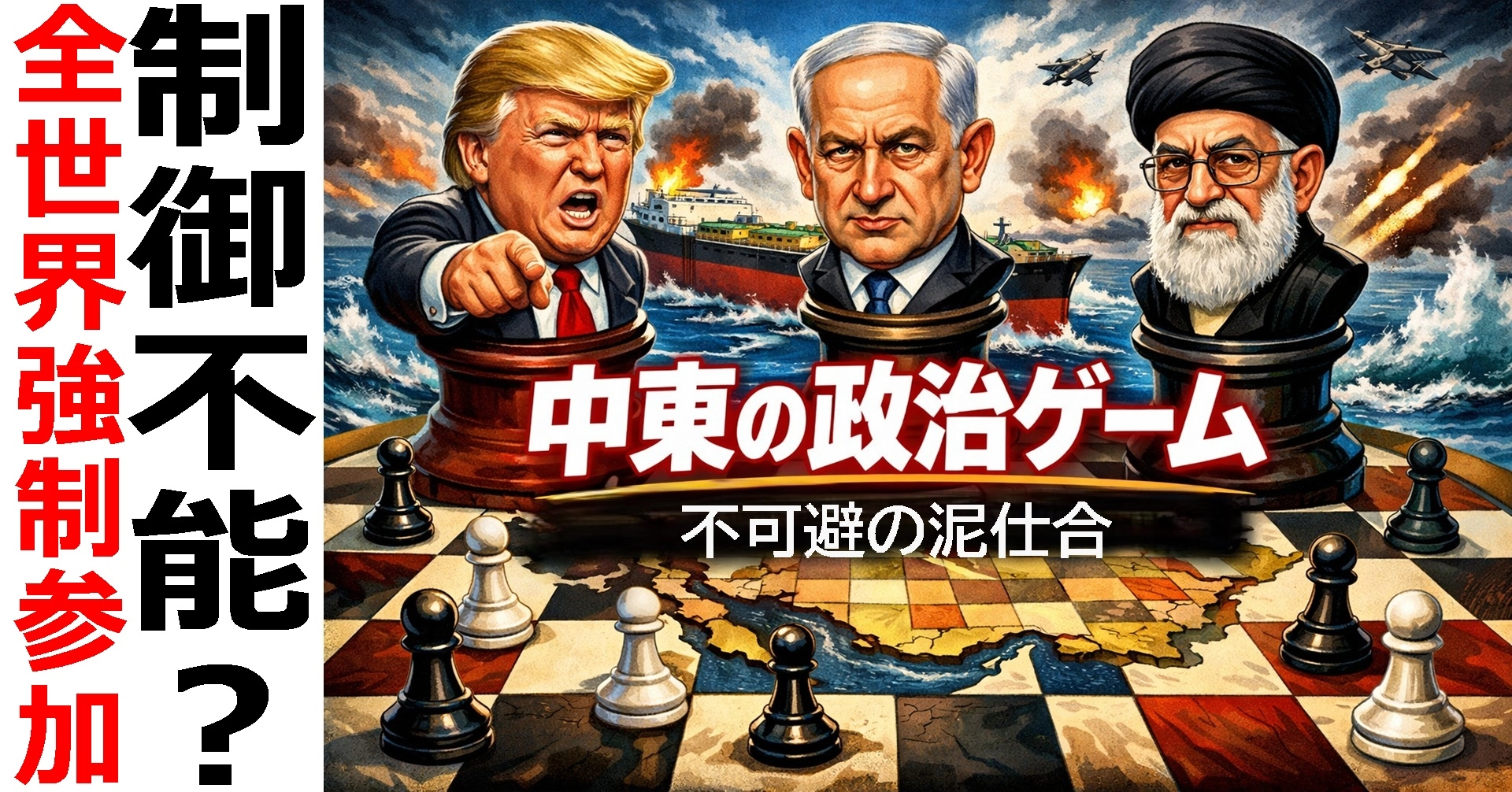
The essence of the Strait of Hormuz crisis! "Japan's 90% dependency on the Middle East is abnormal" more dangerous than 300 yen gasoline
“There are reports that Japan’s gasoline will be 300 yen due to a blockade of the Strait of Hormuz, is that true?” From recent news and explanations, it seems that such an extreme image is running rampant on its own. Rising crude oil prices, spikes in gasoline, logistics disruption, and impacts on the global economy…Iran, seemingly resorting to desperate measures, attacking neighboring countries and blocking the Strait of Hormuz.
And the United States wants to withdraw quickly, Israel wants to continue, and Iran wants to drag things into a prolonged slugfest.This is the ongoing complex political game where each side’s motives clash.However, for a long time Japan has depended extremely on imports around the Strait of Hormuz. Is this really okay?
What truly should be debated is not “how much will gasoline cost.”It is the national strategy for how Japan will navigate this situation. What points deserve real attention right now?
Selling well!A high-function trading practice tool that feels like the real thing?9,800?
?FX New Generation: One-Click FX Training MAX
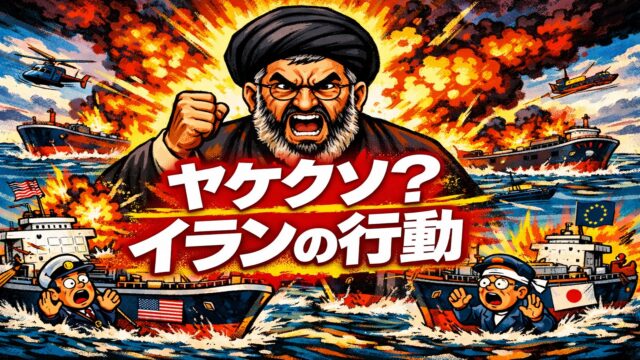
? Iran’s actions that look like a desperate move
When discussing the current Middle East situation, an important factor is the position Iran is in. With sanctions, military pressure, regional tensions, and other factors piling up, Iran is viewed as being in a very difficult situation. Normally, military action comes with a certain “logic” or “purpose.”
However, recent movements report attacks on neighboring countries and even involvement of vessels unrelated to their interests passing through the Strait of Hormuz.This makes the explanations of “self-defense” or “countermeasures” hard to justify. What about such actions?
As a result, it threatens not only a foe but the entire maritime logistics system, potentially turning the world economy against them. In other words, this is less a conventional military clash and more a scenario where the cornered side escalates chaos.
If actions involve not only hostile nations but also neutral countries and energy-importing nations, it would be hard to avoid losing international support.
?? Iran’s strategy to drag this into a slugfest
Iran is believed to have suffered a significant blow in just a few days of military conflict. When fighting a much stronger opponent, there is a line of thinking that tries to force the opponent to bear costs to change the situation.The Strait of Hormuz is a symbolic location for that strategy.
Attacks on tankers, threats from sea mines, and skyrocketing insurance costs can disrupt transportation. In other words, by raising the Strait’s risk, it can have a large impact on global markets. The important thing is that such actions may not aim for “victory.”
Rather, the aim is a slugfest that involves the entire region.By imposing costs on not only enemy nations but all energy-importing countries, it spreads political pressure. If this strategy continues, its effects will naturally reach Japan as well.
Japan is an energy-importing country and is susceptible to disruptions around the Strait of Hormuz. Therefore, Japan should not simply observe market movements but consider the situation from the perspective of energy security for the nation.

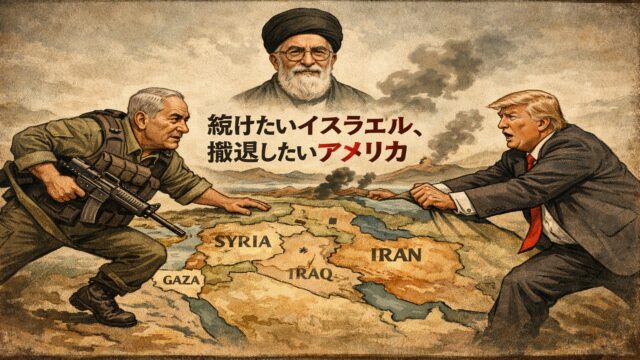
?Israel wants to continue, the United States wants to withdraw
In this situation, there is a view that the United States and Israel do not fully share the same stance. Israel is said to want to weaken Iran’s military power and influence in the long term,and has motivation to maintain a hardline posture.
On the other hand, the United States is said not to necessarily desire long-term involvement in the Middle East. The United States has borne large military costs in the region for more than 20 years. Based on experiences in the Iraq and Afghanistan wars, domestic opinion is strongly cautious about protracted wars.In other words, the United States wants to withdraw quickly.
While Israel maintains a hardline stance, if the United States wants to avoid full-scale war, the clash could continue as a long-term tense situation rather than a short-term battle. If Iran continues guerrilla warfare and maritime attacks within this context, regional chaos could be prolonged.Considering this setup, the Hormuz Strait issue should be viewed as a prolonged tension rather than a temporary incident.
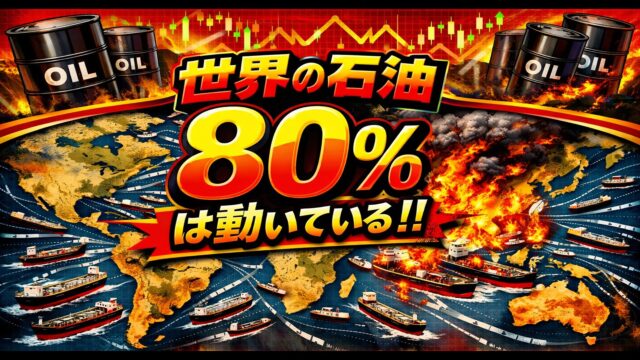
?80% of the world’s oil is moving
When the Strait of Hormuz is highlighted in the news, some may have the impression that “world oil stops.” But in reality, not all of the world’s oil supplies pass through that strait. There are many oil-producing regions in North America, South America, Africa, Russia, and elsewhere.The global supply does not stop completely.
In broad terms, most of the world’s oil is still being supplied. In other words, just because there is a 20% supply risk doesn’t mean you should ignore the remaining 80% supply. What should be discussed realistically is not that supply becomes zero, but how much falls short and how to compensate for it.
From this perspective, Japan’s problem appears in a somewhat different light.If the global supply does not stop but Japan alone bears a stronger impact due to structural import dependencies, that is a problem with the import structure itself. In other words, this crisis can be seen as a prompt to reevaluate Japan’s energy strategy.
?Japan needs to rethink its Middle East dependency
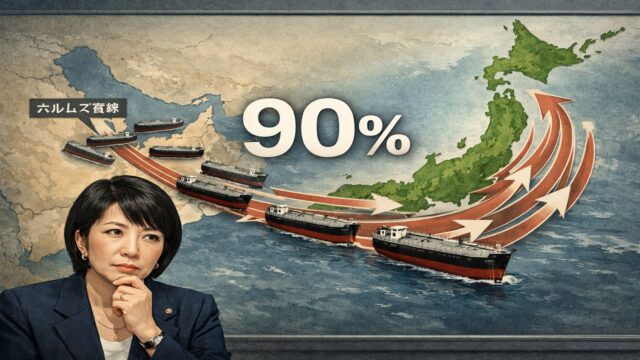
Japan’s energy policy has long been highly dependent on the Middle East. In particular, a large portion of crude oil imports comes from Saudi Arabia, the UAE, and other Hormuz-nerby regions. Depending on the timing,more than 90% of imports are concentrated in the Middle East.Of course, this is not solely a deliberate choice by Japan, but also shaped by geography and market structure.
However, looking at crises like this clearly shows that this dependency structure is a very high-risk one. If you depend on a specific strait or region, any disruption there shakes energy security. Frankly, is it okay to rely on more than 90% in a risk-prone region?
This crisis offers a major lesson for Japan. The world has multiple supply sources in North America, South America, Africa, and elsewhere. Diversifying import destinations can reduce risks associated with a specific region.Thus, what Japan needs is not to panic that the Hormuz Strait is dangerous, but to discuss how to change the dependency structure.This crisis again highlights that necessity.
?The Trump visit to the U.S. should move oil diplomacy
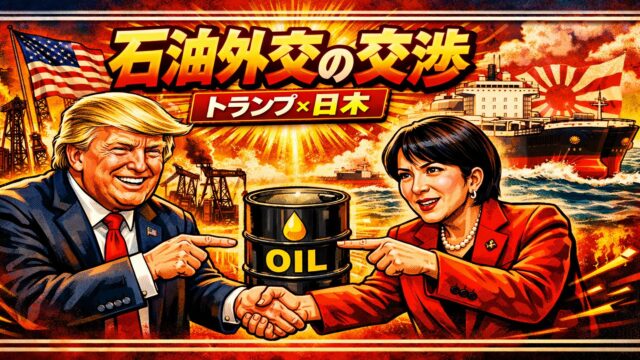
In this context, what the Japanese government needs is diplomacy. In particular, the United States relationship is crucial. The United States is one of the world’s largest oil producers and an energy-exporting country. If the Hormuz Strait risks rise,it is a realistic option for Japan to negotiate expanding imports from North America.
Prime Minister Kishida is reportedly set to visit the United States soon, and discussing energy issues head-on at this timing will be very important. The Middle East situation is not unrelated to American policy. Therefore,Japan can seek cooperation in the form of stable energy supply as a diplomatic strategy.President Trump will not ignore this.
Not leaving it to the market alone, but moving energy procurement at the national level. This is the foundation of energy security. Discussing prioritizing crude oil and LNG supply during the visit to the United States is by no means unnatural.
?Canada’s energy cooperation is also key
Another area to watch is relations with Canada. Canada is a leading resource-rich country with oil and natural gas export capabilities. Recently, talks between Canada’s prime minister and Japan’s leaders have taken place, and energy-sector cooperation has been discussed.From Canada’s West Coast, there is a route to export energy to Asia via the Pacific.
Using such routes could broaden Japan’s import sources beyond the Middle East. Of course, issues like transport distance and costs exist, but in terms of risk diversification this is a very important option. Energy security means not depending on a single supply source.
By creating an import framework that can draw from the United States, Canada, and even other regions, resilience to crises can be greatly improved.This crisis again shows the necessity of that.

?A risk of dependence somewhere
The essence of this issue is not crude oil prices but Japan’s energy strategy. Tensions around the Strait of Hormuz are not simply a crude price problem. Iran’s strategy, Israel’s military posture, and American intentions—these multiple political factors are intertwined in a complex issue.And if cornered Iran intensifies the Strait’s closure and guerrilla warfare, energy-importing nations like Japan could be drawn in as well.
But at the same time, not all world oil supplies will stop. Much supply continues to move. What is truly demanded is Japan’s strategy for securing energy: whether to continue Middle Eastern dependency, or to expand new sources such as North America.There is room for diplomacy with President Trump and cooperation with Canada.
This crisis is a major trigger to rethink Japan’s energy policy, and it is an event that calls for reflection on having depended on such risky regions. Rather than being driven excessively by the unsettled Middle East situation, it’s important to advance measures in preparation for the next crisis. How would you judge this situation?
Completely risk-free trading simulator to practice and verify freely!
Details page for One-Click FX Training MAX