

Disbandment of the Takashi administration! What kind of election is this? "There is no future for a country that does not challenge itself" The vested interests and Japan's future
Is it really okay to decide this election based on such talk? Consumption tax, rising prices, politics and money. When you turn on the TV, every party repeats similar words, and safe debates continue. Yet even so, the world moves mercilessly, and Japan's position is being steadily shaken.
Prime Minister Takai (Taechi) is calling for focused investment in 17 strategic sectors.But that also means that while it creates new growth, it will break entrenched interests.What is truly being asked is not the numbers of tax cuts, but whether Japan can have the determination to change.
What kind of mandate is Sanae Takai (Prime Minister) seeking in this election? On TV debate programs, superficial discussions are raised,how will immigration issues, diplomacy with China, and many Japan-only research projects that lack funding be moved forward?There is little active progress on these essential discussions. The weight of the phrase “There is no future for a country that does not challenge itself” is something we should reconsider before voting.
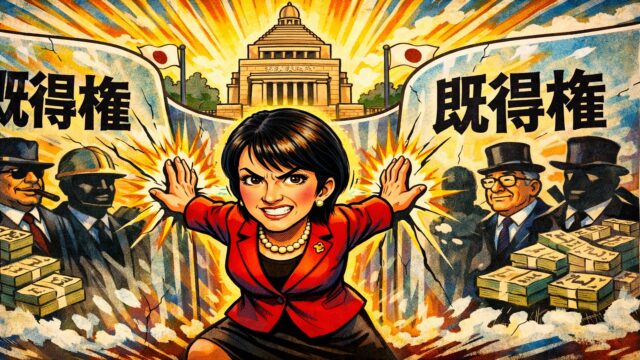
?This election is a fight against entrenched interests
This election’s biggest issue is perhaps “a scalpel for entrenched interests.” Globally, leaders with high approval ratings and ample seats gain international credibility just by their statements.In other words, if you don’t have enough seats, no matter how correct your ideals are, you will be viewed as lacking ability to implement them.
Since taking office, Prime Minister Takai has strongly promoted concentrated investment in new technologies, strengthening the foundations of the defense industry, and domestic production of key minerals. However, given the current composition of seats and coalition framework, she does not necessarily possess “overwhelming strength.”
That is why there is a clear pattern: this election must significantly increase seats to have the world and domestic entrenched interests acknowledge the Takai line.
?Reality of investing in new technologies
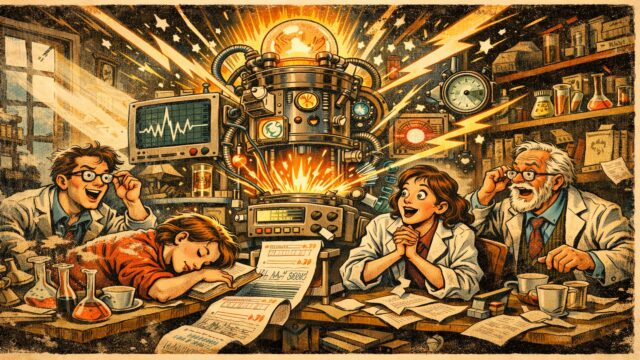
When you hear about investing in new technologies, it sounds optimistic and bright. But in reality, underneath, existing profit structures are inevitably shaken.
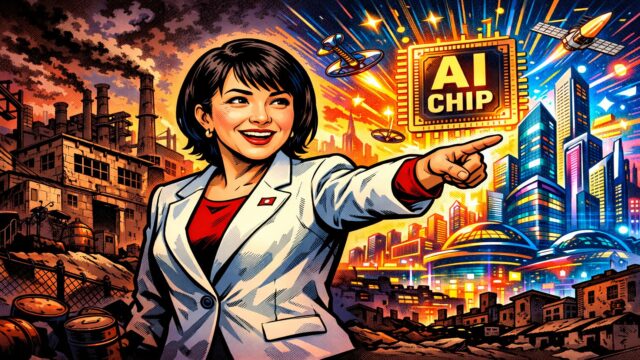
Concentrated investment in fields like AI, semiconductors, quantum technology, space, and defense implies changes to the current industrial structure, subsidy distribution, and business practices.In other words, “something new will be born” means “something that has been profitable until now will shrink.”
For companies and industries currently profiting, this is a major source of anxiety. Some argue this resistance has contributed to prolonging Japan’s economic stagnation.
?Core of defense industry and rare earths — must we touch it?
The defense industry is similar. Its technical potential is high, and spillover effects to the private sector can be large when considering dual-use technologies, yet opposition is strong and budgets and regulatory improvements are slow.
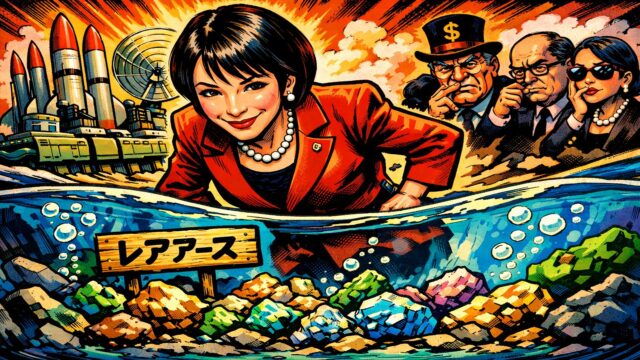
Here too, long-standing values and entrenched interests exist. Equally symbolic is the development of rare-earth muds. If research on rare-earth muds off Minami-Tori Island progresses toward practical use,it would be a major turning point away from dependence on China.
But on the other hand,for trading houses and companies that benefited from traditional import routes, and for politicians who prioritize economic ties with China, this would be a clear disadvantage.If practical, there could be companies pushed into bankruptcy or downsizing.
?Active fiscal policy will break what?
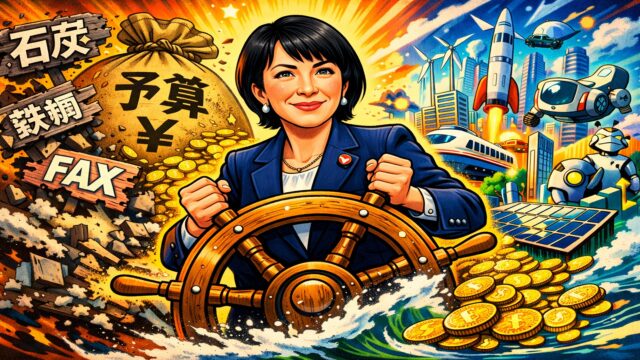
What Takai calls “responsible active fiscal policy” is not simply freewheeling spending. It means investing heavily in growth sectors while reassessing declining sectors and dependence structures.In other words, it is a redistribution, or even destruction, of entrenched interests.
If anything, such painful structural reforms should be the election’s main issue. Yet in reality,they are avoided as “difficult to discuss before the election,”and replaced with easy-to-understand topics like consumption tax and handouts.
?Why the consumption tax controversy doesn’t resonate
Discussions about the consumption tax, especially the tax on food, are prominent in this election as well. However, when you line up each party’s positions, even though there are differences such as temporary zero, permanent zero, or tax rate reductions,they haven’t reached discussions on fundamental structural reforms. Their explanations of funding are often vague and unconvincing.
Given that Prime Minister Takai herself has advocated zero consumption tax on food since the leadership race, this debate is nearly a form of “claim avoidance.” Compared with debates about changing the economic system, it can understandably seem like a trivial matter.
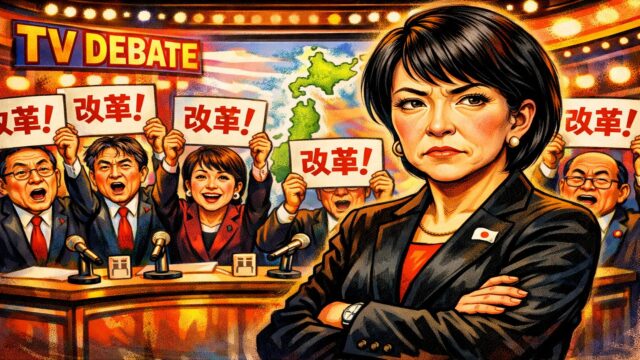
?Structure that avoids policy debates
In pre-election debates and TV coverage, policy debates feel extremely shallow. Topics like money in politics, past party-ticket purchases, and inclusion on organization rosters repeat, but they hardly address the core issues that will shape Japan’s future.
More than anything, what should be asked is how Japan should face leaders like Xi Jinping, Trump, and Putin.The current lack of debate from the viewpoint of “What would I do if I were Prime Minister?” is frankly unsatisfying.
?Why does no one step into the taboo of immigration and land issues?
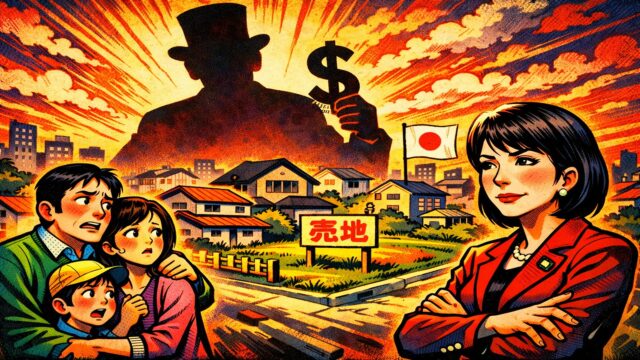
With deteriorating Japan-China relations, how should Japan view inflows of foreigners including Chinese? If we accept immigration, how will we protect Japanese safety and land management? Is it acceptable to leave unchecked the current trend of foreigners acquiring real estate? These are questions many citizens feel.
However, on TV, perhaps due to sponsors and risk of criticism, they are hardly addressed head-on.As a result, important issues fall from view, and voters head to the polls without sufficient information.
?If mandated trust, dormant national projects may move
If Prime Minister Takai gains a large mandate in this election, topics like stricter immigration policy, rare-earth muds, and methane hydrates could suddenly move forward. Of course, consideration for entrenched interests and gradual adjustments will be needed, but the option of “not changing” will disappear.
Japan has many research efforts that stall simply because funding isn’t attached. In the US or China, public funds or funds would be quickly deployed; in Japan, they have long been buried.
If active fiscal policy can illuminate these possibilities, it could lift GDP and restore national strength.
?Conclusion: So what election are we really choosing?
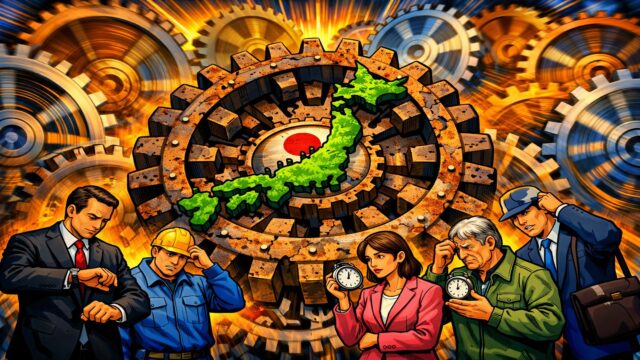
This dissolution election appears outwardly to center on consumption tax and high prices. Yet behind it lies a very heavy choice: “grow by breaking entrenched interests” or “accept stagnation and maintain the status quo.”If Prime Minister Takai receives a strong mandate, entrenched domestic and international interests will no longer be able to ignore her, and Japan may move again.
On the other hand, if sufficient mandate is not obtained, political governance will become unstable, and Japan’s prospects for significant growth will retreat.Along that line, you can see politics returning to past trends. Not many people would want that future.
Prime Minister Takai’s speech words, “There is no future for a country that does not challenge itself,” should have stayed in many people's minds.What does this “challenge” mean? In this election, what are we trying to choose? And what truly needed to be debated?
These are questions we should rethink before voting day.
Practice and verify freely with a completely risk-free trade simulator!
Details page for One-Click FX Training MAX