
The ignition of the foreign exchange market remains unresolved [Jiro Ota]
Jiro Ota Profile

Ota Jiro. FX strategist. Began FX trading in 1979 at The First National Bank of Boston Tokyo Branch. Later worked in corporate FX trading at Manufacturers Hanover Trust Bank, BHF Bank, National Westminster Bank, and ING Bank, then moved to retail FX, worked in sales at GFT Tokyo, later experienced as a market strategist, and is now active as an individual investor.
● Character count: 1732 characters (including the heading)
● Images: 2
※ This article is a reprint/edit from FX攻略.com May 2019 issue (published March 20, 2019). The market information described in the main text may differ from current market conditions, so please note.
Central banks pressured to shift to dovish policies
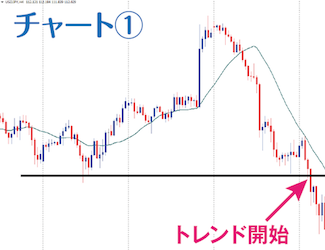
As the global economy slows, stock gains are waning and bond yields are falling as a risk-avoidance move. Not only the Federal Reserve (Fed), but also major central banks such as the European Central Bank, Bank of England, Bank of Canada, Reserve Bank of Australia, and Reserve Bank of New Zealand are being pressed to shift to dovish policies due to slowing economies, making it difficult for their currencies to strengthen on their own. The downward trend in bond yields reflects this, with German government bonds notably dropping. In terms of stock price movements, U.S. stocks appear relatively resilient compared with other countries, and in the foreign exchange market, confidence in the dollar is not expected to be significantly eroded (as explained later, there are negative factors for the euro—see charts 1 and 2: published in the purchaser's section).