

[Amida-style: Dominate the market with volume profile] Lesson 25: Summary of the setup – Build an all-encompassing trading system with volume profile
“This is not just a tool; the Volume Profile is a system. Combine its pieces to paint a complete picture.”
1. Reconfirming the Four Strategies: Components of the System
In previous lessons, we learned four main trading strategies based on Volume Profile. These are essential “components” for building a comprehensive trading system.
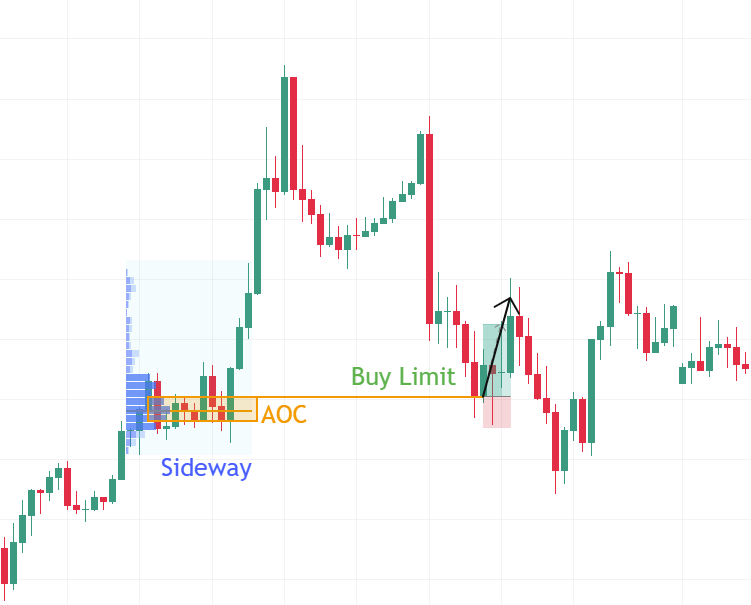
Lesson 21: Volume Accumulation Setup In a sideways range market, after a price breakout, enter with limit orders in the area of volume concentration created by big traders (POC/AOC)..
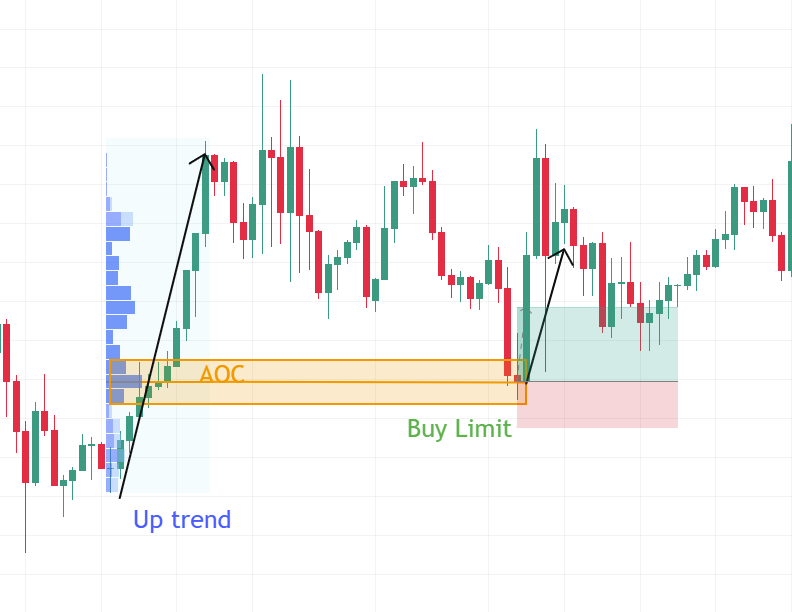
Lesson 22: Trend Setup In a clear trending market, enter with limit orders in the area of volume concentration formed by pullbacks or retracements (AOC)..
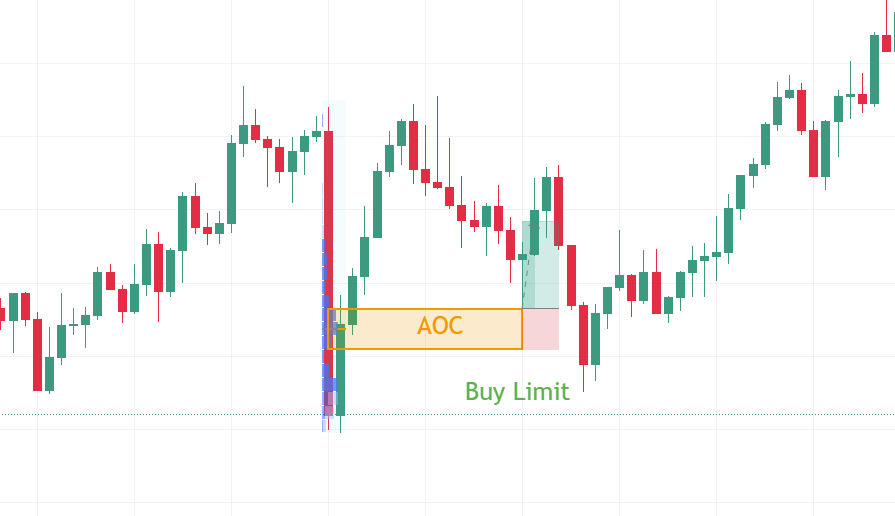
Lesson 23: Rejection Setup At important price levels, with sudden volume surge, strong rejection price action (pin bars, engulfing patterns, etc.), confirm and enter quickly with market orders.
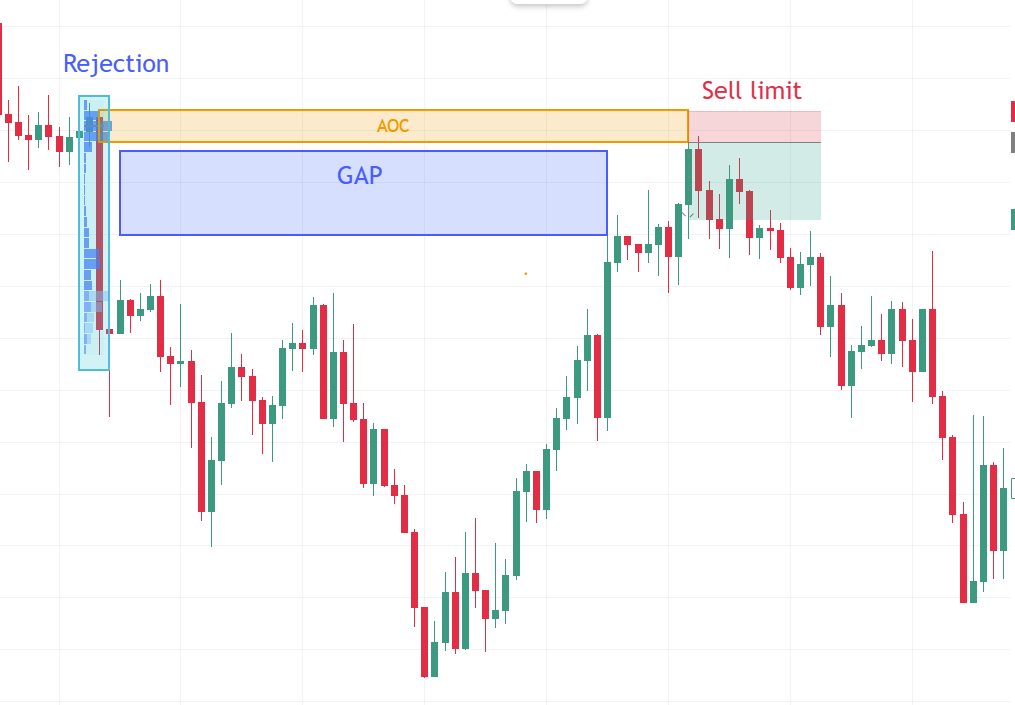
Lesson 24: Volume Gap Setup Utilize volume gaps—empty areas with low volume. When price fills the gap, place limit orders in that area. This setup, when combined with the Rejection Setup, becomes a stronger signal.
2. Building a Comprehensive Trading System Process
Rather than using these strategies in isolation, the following process shows how to combine them into one functioning system.
Analyze the overall market conditions First, determine whether the current market is range-bound or clearly trending.
Choose the appropriate strategy Based on Step 1 analysis, decide which core strategy to use.
If the market is range-bound, look for the Volume Accumulation Setup.
If the market is trending, look for the Trend Setup.
Look for stronger entry signals In addition to the chosen core strategy, confirm that the following signals appear in combination.
Rejection Setup: Check for strong rejection candles with volume in Volume Concentration Areas (AOC/POC) or Volume Gaps. The presence of such signals greatly increases trading reliability.
Volume Gap: Confirm whether a volume gap exists at the price level you are considering for entry. Volume gaps indicate areas where price can move quickly, making it easier to extend profits.
Execute trades and manage risk Once signals are confirmed, enter and manage risk according to the rules learned for each strategy.
Entry point: Enter with limit orders (Buy Limit/Sell Limit or at market (if using the Rejection Setup
Stop Loss: Place beyond the area that justifies the trade (outside the nearby low/high, outside the Volume Concentration area, or beyond the wick of the rejection candle).
Take Profit: Target the next major Volume Concentration Area (POC/AOC) or set a risk-reward ratio of 1:1.5 to 1:2.
3. Why combine strategies?
Diversification of trading opportunities: Using all four strategies allows you to adapt to any market condition and increases trading opportunities.
Improved win rate: By stacking signals (e.g., a Rejection Setup appearing at an AOC during a trend), you can achieve a much higher win rate than a single signal.
Deeper market understanding: Understanding how strategies interact helps you move beyond merely using tools and better interpret the flow of funds in the market.
✅ Conclusion
Volume profiles are not a single strategy but a powerful framework for analyzing the market. Mastering each strategy (Volume Concentration, Trend Setup, Rejection Setup, Volume Gap Setup) is the first step. The next most important step is to combine these strategies to build a consistent trading system and make smart, effective trading decisions.
Put these concepts into practice on actual charts and take your trading to the next level!