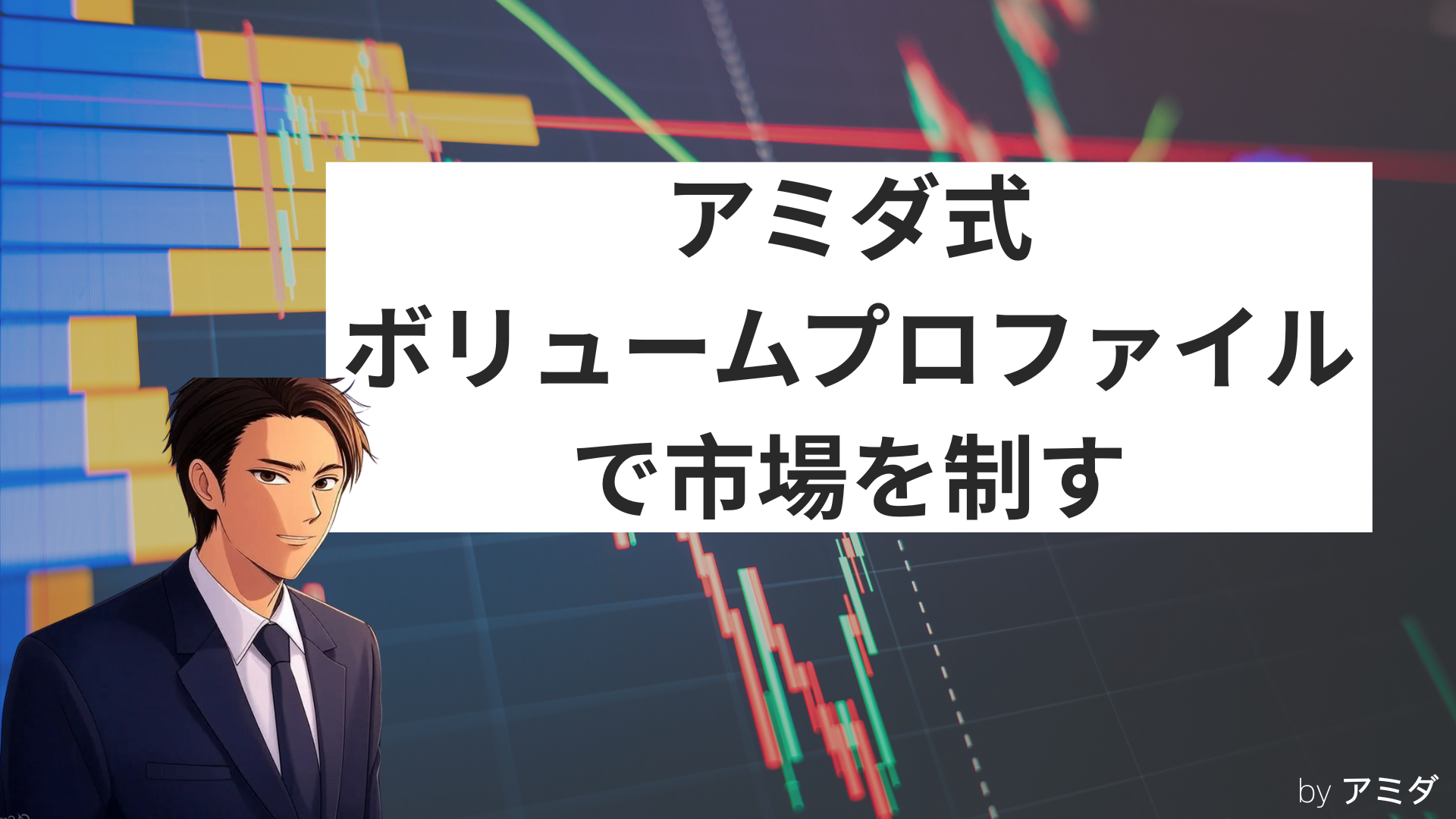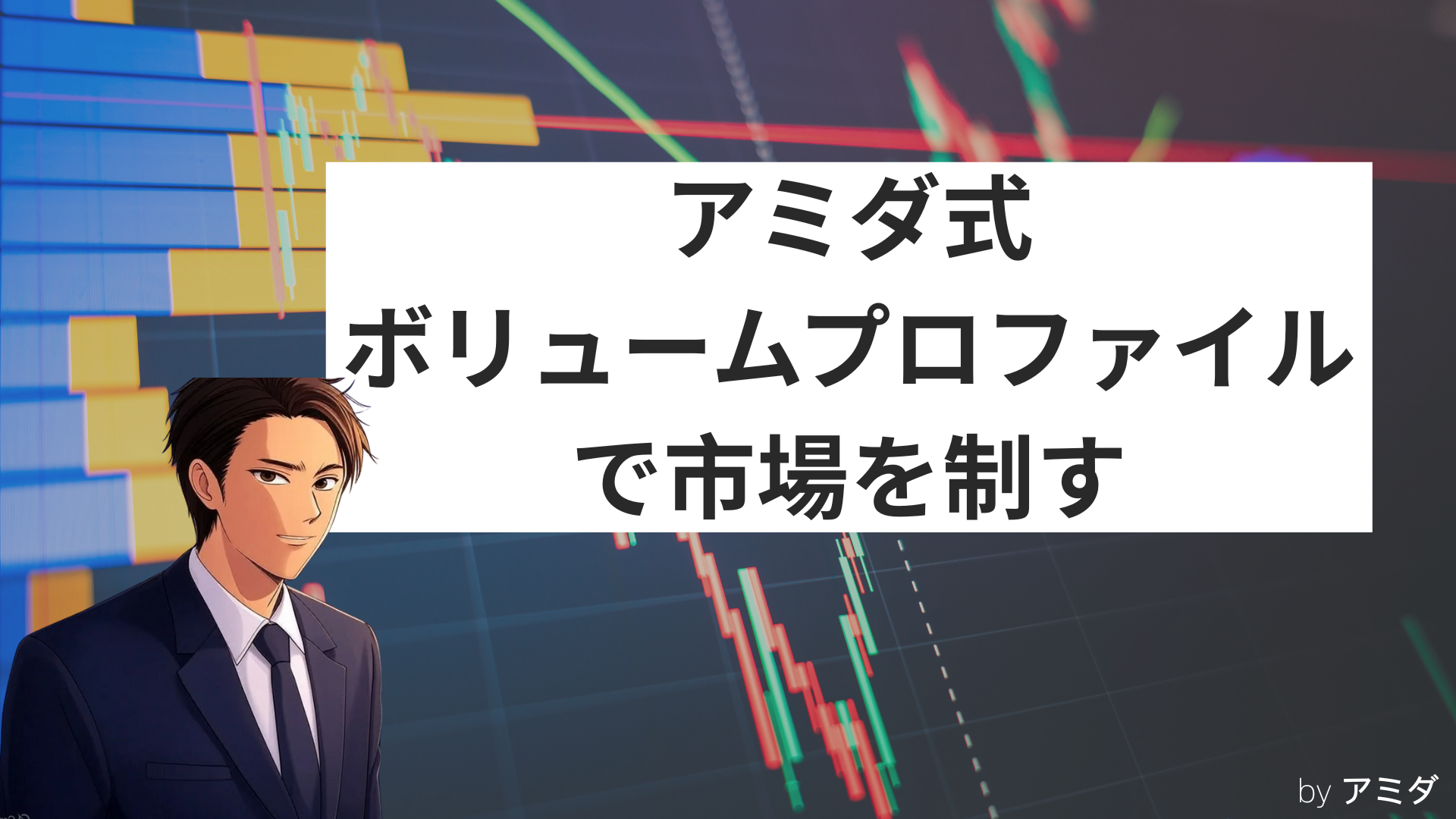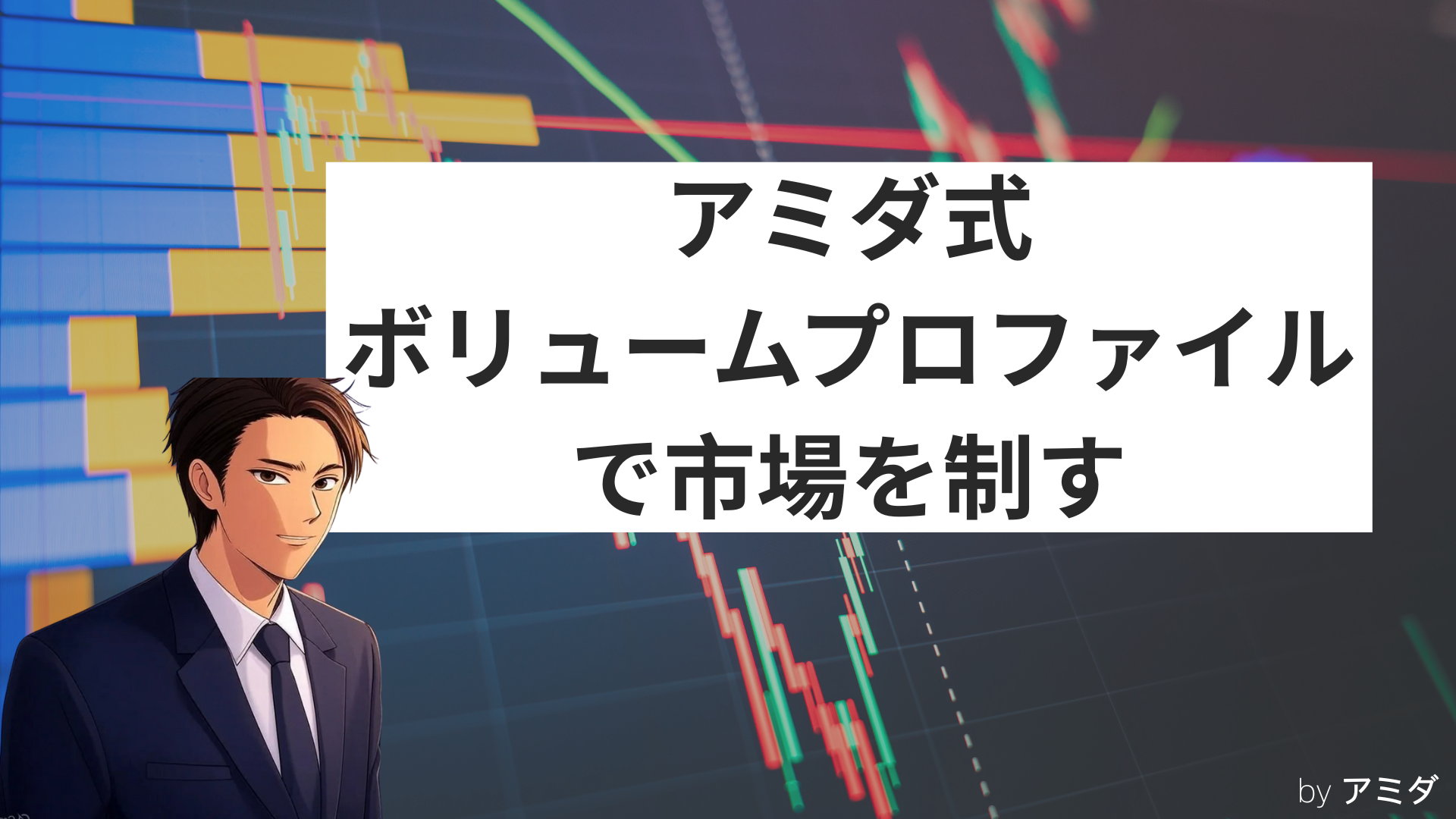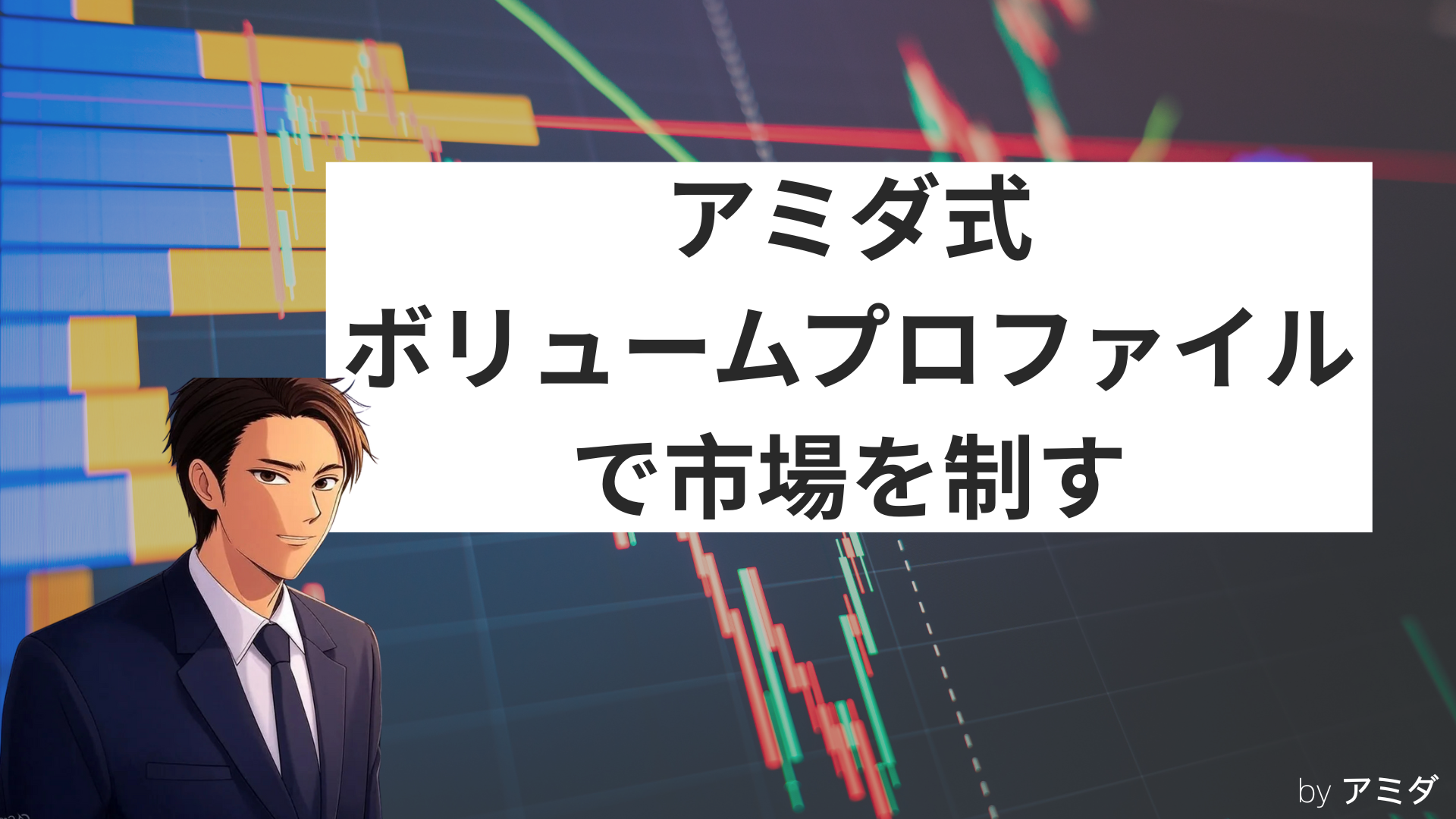

[Amida-style: Conquer the Market with Volume Profile] Lesson 19: Volume Profile – B Profile and Slim Profile (Thin Profile)
“When the market rejects a price range, Volume Profile speaks its true intention.”
?Continuation of the previous article
Last time, we introduced the basic forms of Volume Profile—the D Profile and P Profile.
Each indicates periods when the market is in balance or when buying pressure is active.
? This time, we will explain two more distinctive yet extremely important profiles— B Profile and Slim Profile (Thin Profile).
These are very strong signals showing that the market is “rejecting a specific price range.”
? 1. B Profile – Signals of selling pressure and high-price rejection
B Profile resembles a lowercase “b” and can be considered the reversal form of the P Profile.
It tends to appear in the following scenarios:
When the market is in a downtrend
In the final stages of an uptrend, where buying momentum fades and selling dominates
? On charts where B Profile appears, you often see the following moves:
A strong decline at the session start (sellers taking the lead)
Subsequently, a small range near the low or a gradual sideways move (buyers are weak and unable to mount a counterattack)
?Key points of the B Profile:
POC located at the bottom → high trading volume concentrates → tends to become a strong resistance during pullbacks
Thin high-volume zones at the top → price ranges that were rejected quickly in the past → tend to see selling pressure again upon re-approach

?Trading strategy hints:
If there is a Price Action reversal signal in the thin-volume zone at the top, consider a short
Unless there are clear reversal signs, avoid contrarian long positions
Observe market reaction near the POC and assess whether it indicates “rebalancing (preparing to sell again).”
? 2. Slim Profile (Thin Profile) – A sign that the market has “escaped” from a price range
Thin Profile refers to a very narrow/thin Volume Profile, meaning the market did not dwell in a certain price range and passed through it quickly.
? It mainly appears in the following situations:
A strong breakout beyond a range
Rapid moves due to economic data or news
In a highly strong trend where one force could not be fully absorbed

⚠️Important concept:
In this zone, little volume accumulates, meaning it is a price range not accepted by the market.
→ When price returns, it tends to break through easily.
However, be cautious of small volume clusters inside the slim zone: these are points where the trend direction previously entered strongly and may again act as support or resistance.
?Practical use:
If Thin Profile breaks above/below and Price Action confirms, consider a trend-following entry
If price returns to a small volume cluster within the thin zone,
see it as a chance to re-enter in the trend direction
?Concrete examples:
In an uptrend, a Thin Profile with a small volume cluster = potentialsupport zone
In a downtrend, a Thin Profile with a small volume cluster = potentialresistance zone
✅ Conclusion
Both B Profile and Slim Profile provide crucial clues that the market is rejecting a price range.
They reveal the market’s underlying moves that are difficult to grasp from candlestick charts alone. They help identify the market’s internal dynamics.
B Profile → Selling pressure is dominant, clear sign of price rejection at highs
Slim Profile → The market moved through a price without accepting it (rejection of acceptance)
? Reading these shapes is very effective for avoiding noisy zones and capturing smart-money behavior.
? In the next article, we will introduce a highly flexible tool called Flexible Volume Profile. This method lets you描写 Volume Profile freely according to the price range and timeframe you want, without being tied to fixed timeframes.
See you in Lesson 20!