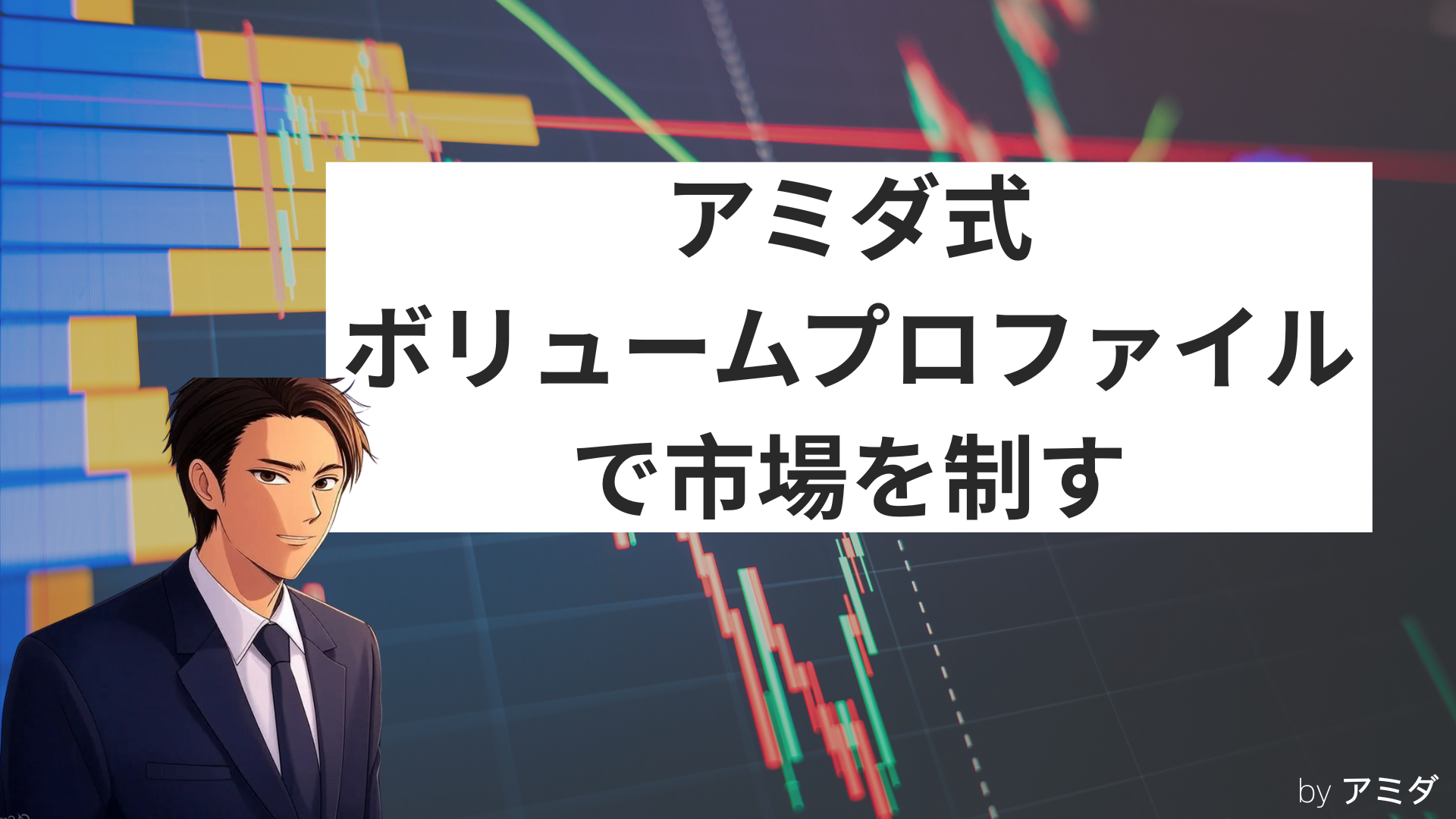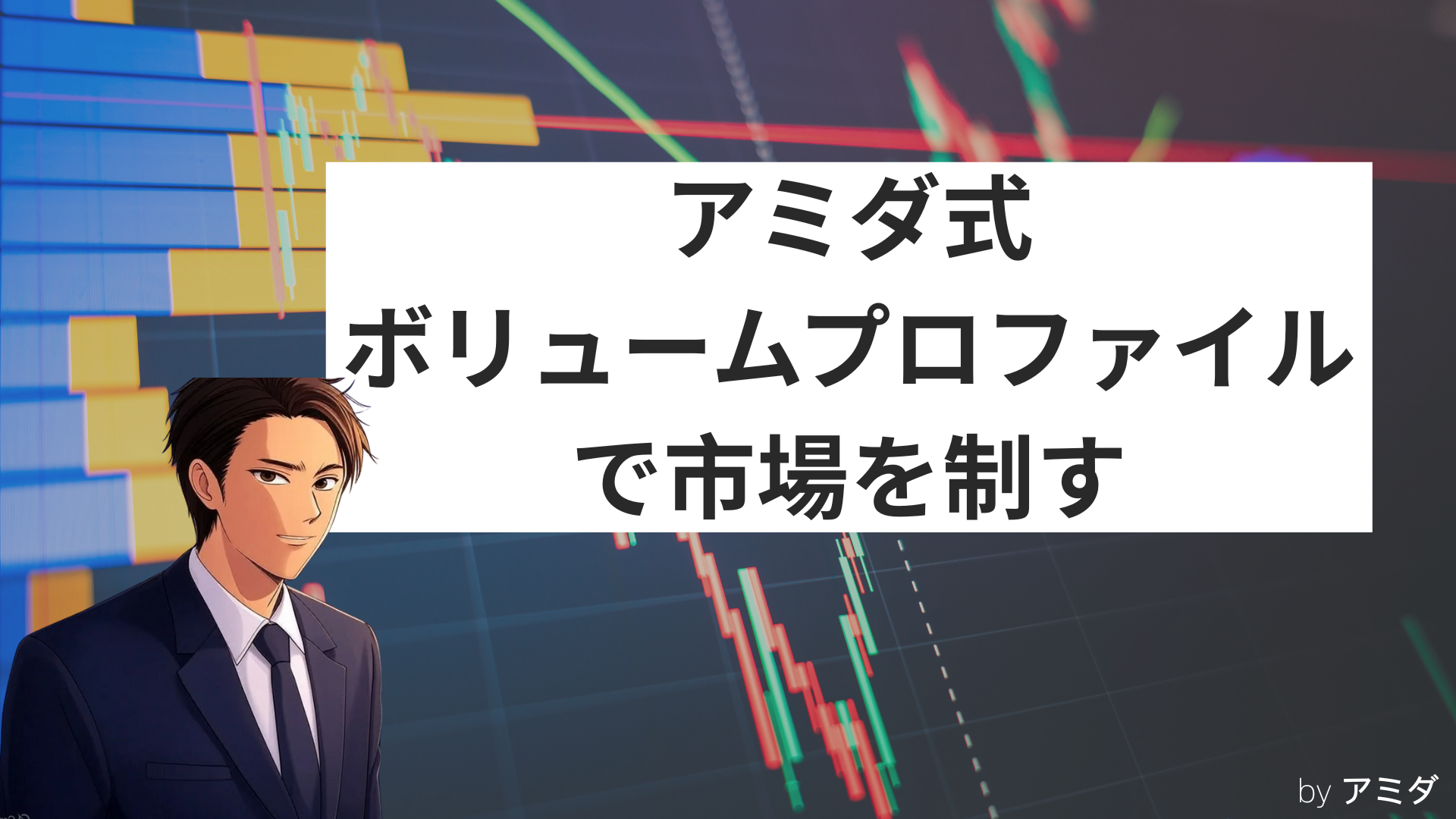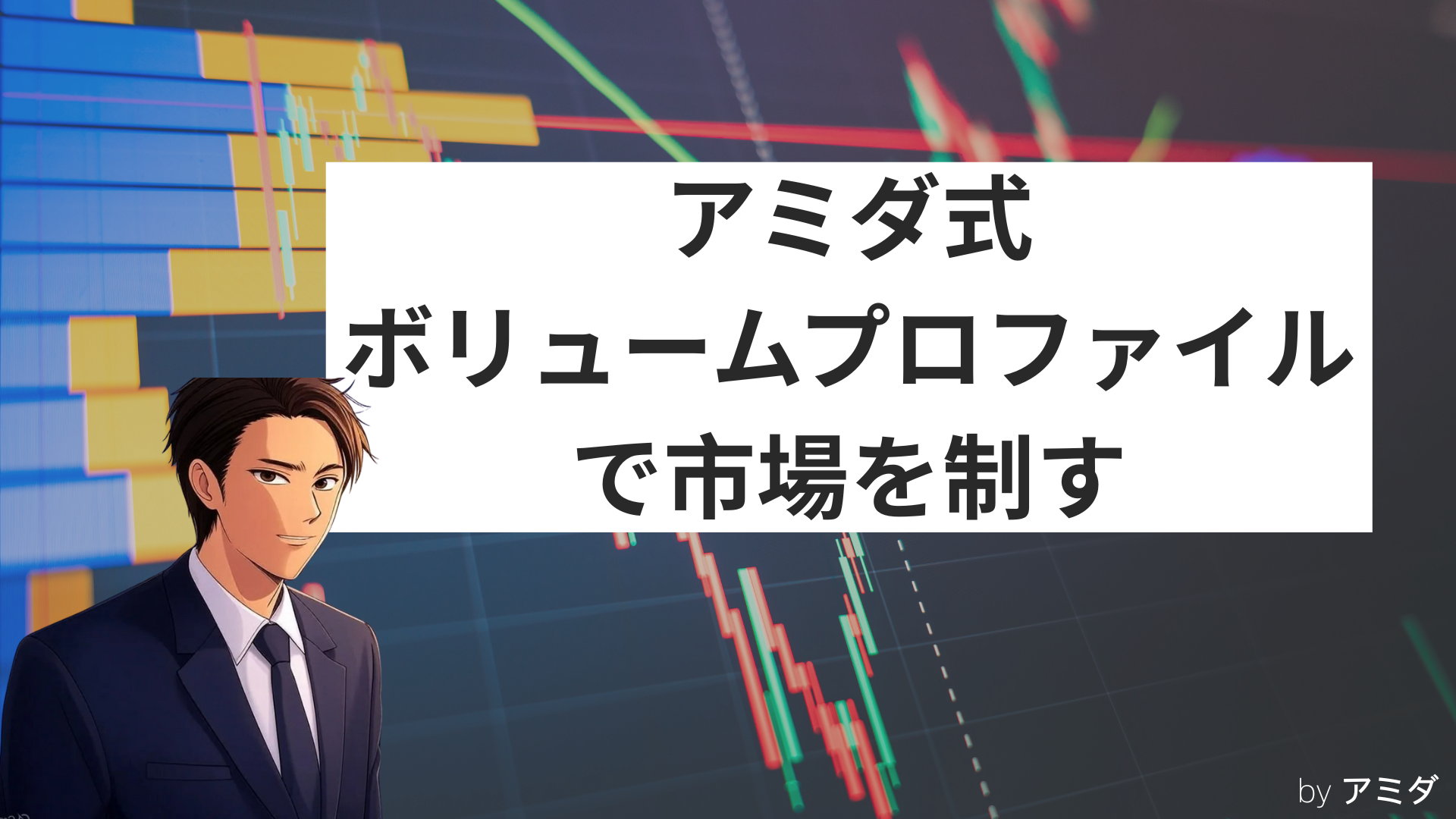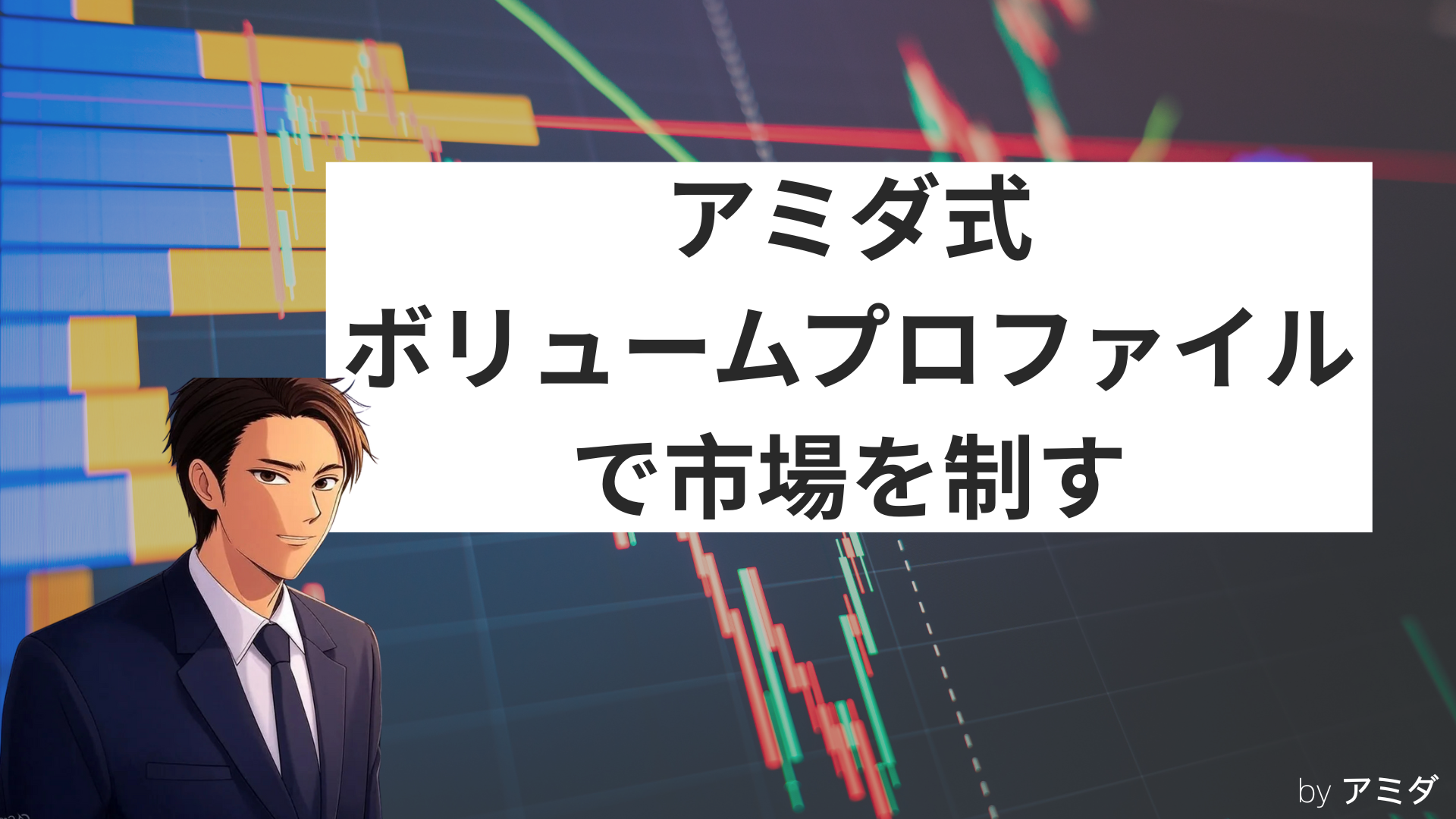

[Ami-da-shiki: Controlling the Market with Volume Profile] Lesson 16: Volume Profile – Point of Control (POC)
“If you want to understand the psychology of institutional investors, observe the price ranges where they trade the most.”
? Continuation from the previous time
Last time, we introduced Volume Profile.
This is a powerful tool that reveals which price ranges have the most capital flowing in.
? And this time, among the Volume Profile, we will explain in detail the most important core part,
Point of Control (POC).
? What is POC (Point of Control)?
POC refers to the price range where the trading volume is most concentrated within the analyzed scope. In other words, it is the place where the market as a whole—especially large institutional investors (Smart Money)—executed the most orders, and the price range where supply and demand are most balanced.
It’s important not to misunderstand that institutions trade at a single price. They build positions strategically across a wide price range (Value Area). However, POC is a particularly notable “trace-rich” spot within that range.
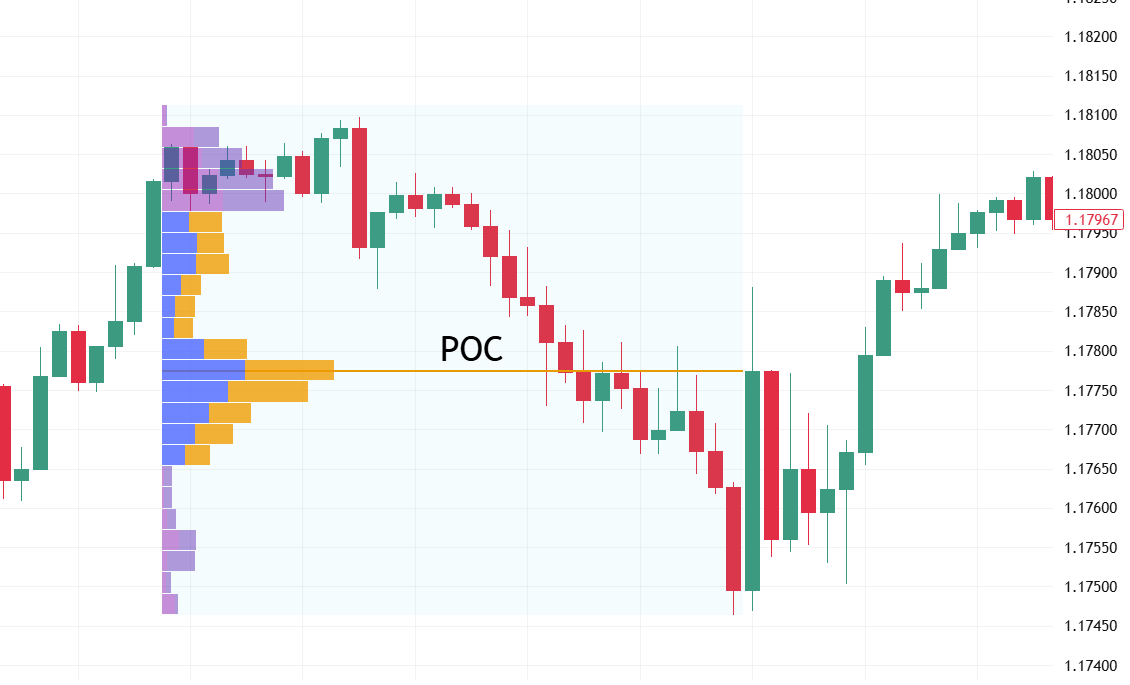
Therefore, POC often serves the following roles:
✅Fair price of the market
✅A strong support / resistance zone
✅An area where prices tend to revert (Mean Reversion Zone)
? Why is POC important?
POC reflects the psychology of the market as a whole, especially influential players.
When price returns to the POC, the market typically responds with one of the following:
✅Strong bounce: big players trying to defend their positions
?Clear breakdown: signs that interest in that zone has waned
Therefore, observing price movements at the POC provides the following benefits:
✔Can be used as a contrarian entry point.
✔Avoid entering in noisy zones
✔Understand the market’s “points of contention” and strengthen risk management
? How to effectively utilize POC?
❗Important note: POC is not a万能 entry point.
Just because price touches the POC doesn’t mean you should enter without considering the context.
➡️ Therefore, it is effective to use POC in combination with the following elements:
Price action: reversal candles, fakey patterns, pin bars, etc.
Liquidity / stop hunts: reach the POC and break the previous high/low at the same time
Higher time-frame confirmation: POCs formed on higher time frames such as H4 or D1 are more reliable
?One tip: pay attention to past POCs as well, observe whether a support/ resistance reversal occurs, which can yield deeper insights.
✅ Summary
POC is the center of volume within a certain range, and a place where institutional investors’ footprints are most densely left.
POC should not be used blindly; by interpreting “how price reacts to the POC,” you can understand the market not just as a chart but as a context of capital flow.
?In the next Lesson 17, we will explain in detail various Volume Profile patterns (D-type, P-type) and how to apply them to trading strategies according to their characteristics.
So please look forward to the next session as well!