

[Amida-style: Dominating the Market with Volume Profile] Lesson 12: Strong Highs/Lows and Weak Highs/Lows – The Key to Interpreting Market Action
In Lesson 11,you will learn daily and weekly high/low trading strategies and understand the importance of high/low zones in market psychology.
These zones are not just price points; they are where buyer-seller battles, expectations, and decision-making are reflected.
Today,we focus on an important element to evaluate the “quality” of each high and low.
That is“strong highs/lows” and “weak highs/lows”.
This will be a core indicator for identifying true support and resistance.
✅What are strong highs/lows?
Strong highs and lows refer to points where the market clearly rejects the price with a strong sign. Specifically, they include the following characteristics:
:
Candles with long wicks (long tails)
A rapid and decisive change in price direction
An aggressive push away from the zone (strong rejection)
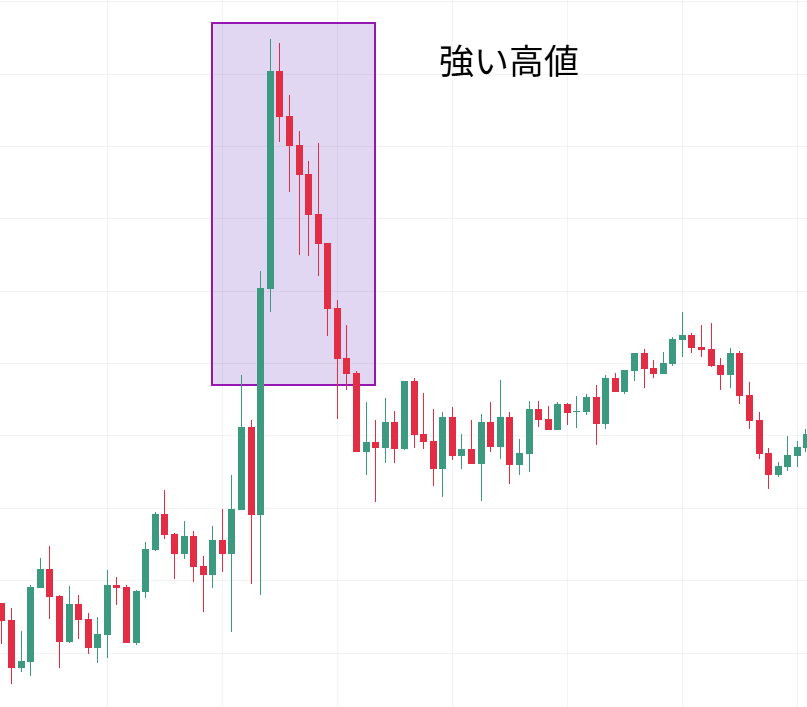
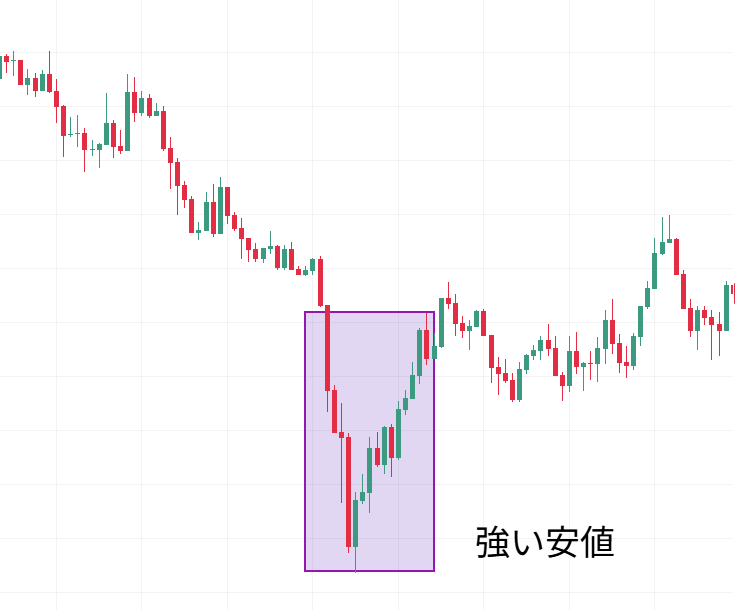
What matters is not specific candlestick patterns like pin bars or engulfing patterns, but the strength and resolve of price rejection.
These strong highs/lows indicate the presence of large players who are defending their positions and pushing the market.
⚠️What are weak highs/lows?
On the other hand, weak highs and lows are formed slowly and lack decisive power. Their features include:
Many small candles trading in the same zone
No clear strong push or deep tests observed
No confirmation of strong buying or selling pressure
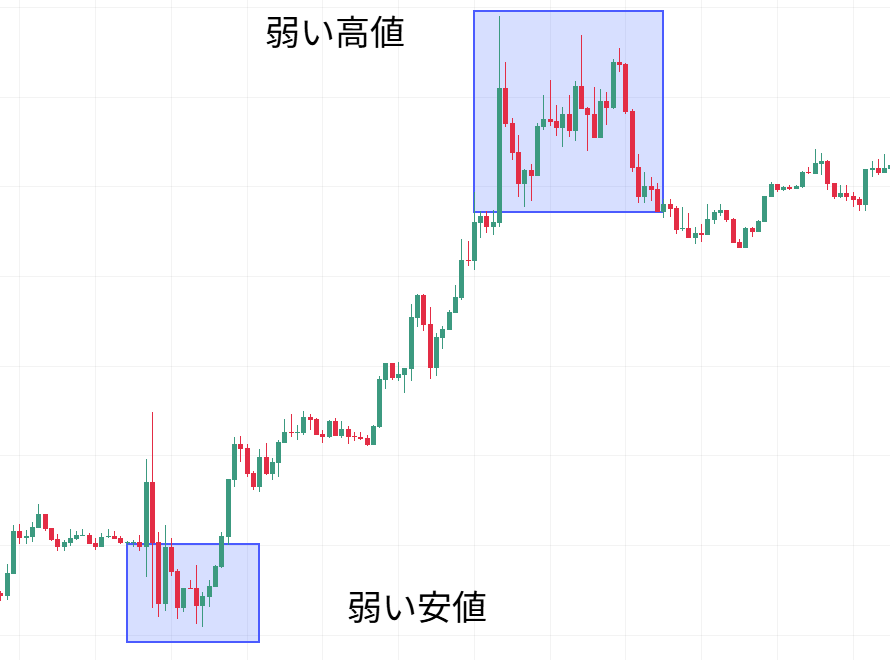
These zones are not guarded by large players, and price tends to break through or retest them more easily.
?Applications to trading
Strong highs/lows function as reliable support and resistance and are ideal for entries and take-profit points.
Weak highs/lows are prone to breakouts and are inappropriate as a basis for counter-trend trades or entry points.
Example:
If you hold a long position and a strong high approaches, it is effective to exit early to secure profits.
If approaching a weak high, avoid early exits and assess whether price will break through that zone to set a new high.
Also, when setting trading zones:
If there is a weak high at the upper part of the sell zone, price is more likely to be drawn to test it.
If there is a weak low at the lower part of the buy zone, price is more likely to be pushed down to test it, posing a risk to long positions.
By discerning strength, you can avoid trading traps and improve the win rate of important trades.
Summary
Understanding the difference between strong and weak highs/lows is a crucial step in deeply reading market behavior.
Thisevaluates the fundamental strength of support and resistance and leads to higher-probability trading decisions.
Next preview
In the next Lesson 13, we will delve into the highly interesting and practical concept of“Failed Auction”.
This isthe market’s flaw, attracting price like a magnet and helping expand profit targets and avoid fake breaks.
Please look forward to it.
I will adjust as needed, so please feel free to let me know.