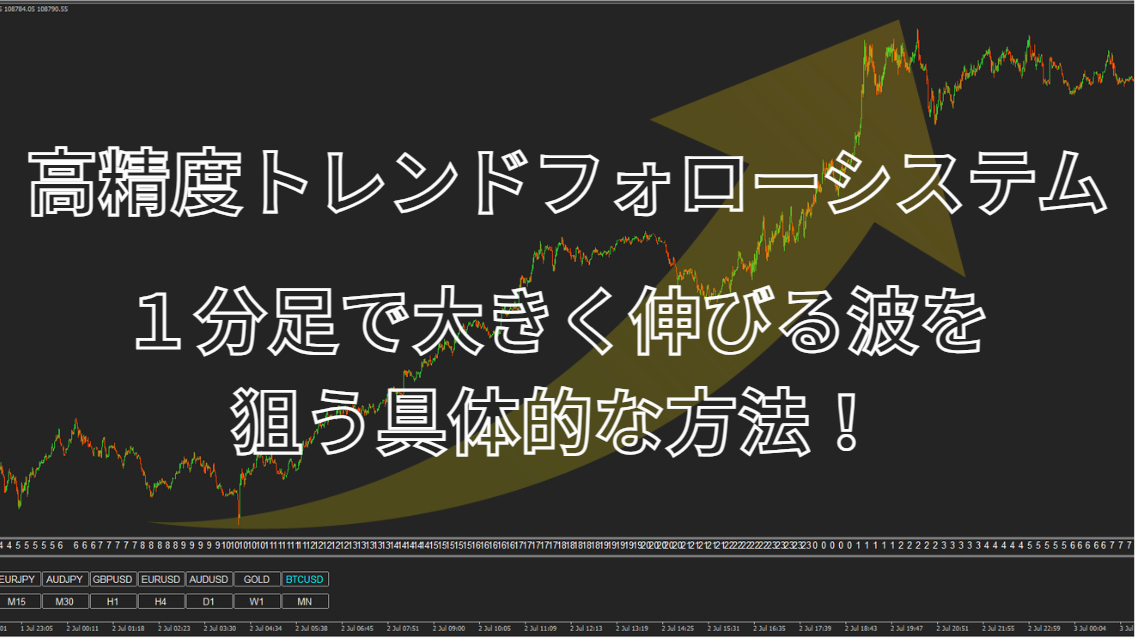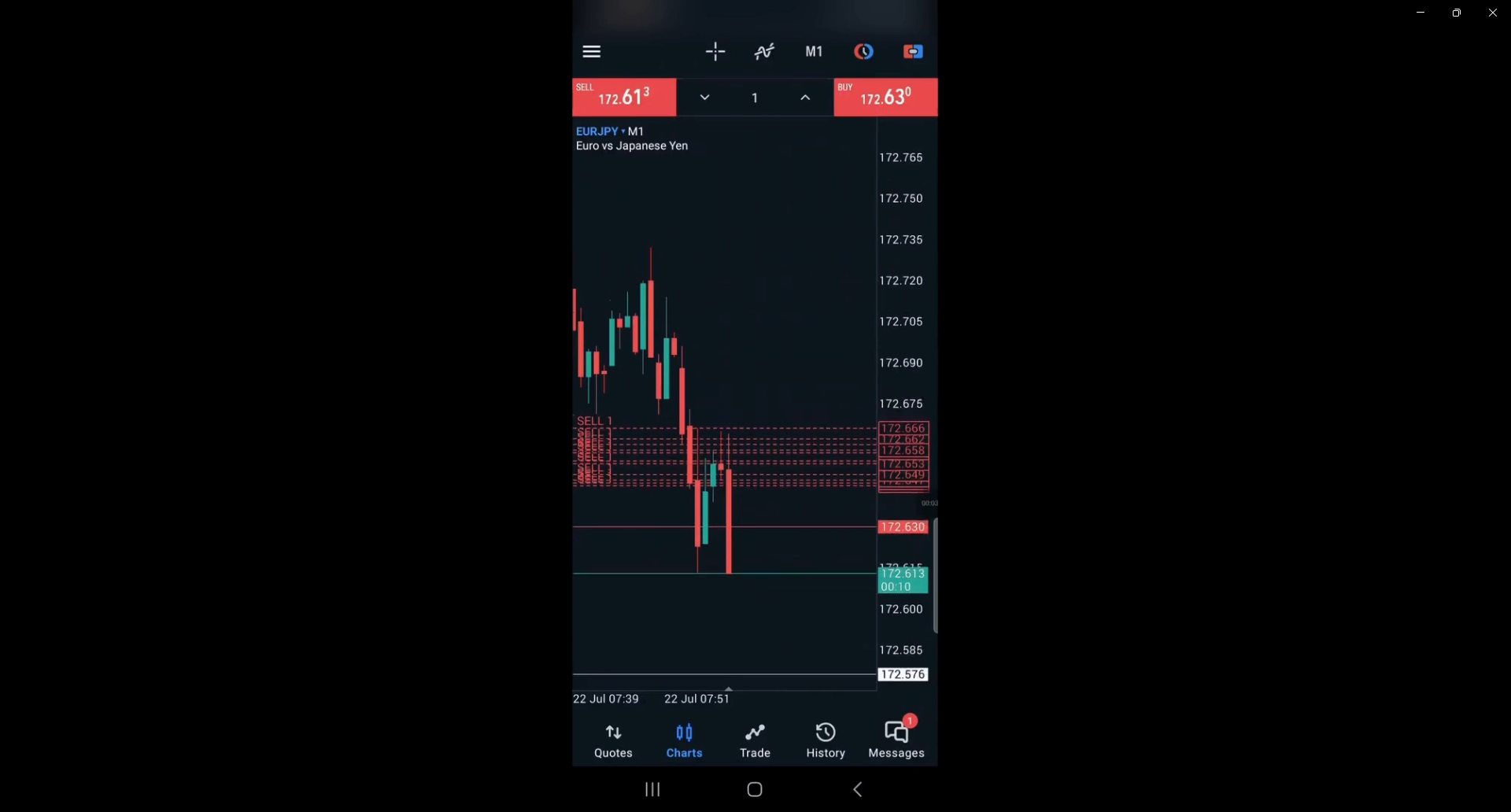

"Don’t you know how to catch waves that keep growing bigger?" ★ No problem! I’ll teach you! ★【 2025年06月26日 】
【 2025.06.26 】 Let's take a look at the GBP/USD chart.

Today, it’s easy to capture a large move here.
Watch the 15-minute chart, then enter on the 1-minute chart.
It will look like the image below.
On the 15-minute chart, confirm the profit-taking target using IPD.
↓15-minute chart ↓

This time, the profit-taking target isn’t visible on the 15-minute chart, so
we search on higher timeframes.
↓ Daily chart ↓

※ If the profit-taking target price is on an even higher timeframe, it is likely to be far away.
Therefore, before reaching there,
based on the cash management concepts in the product manual,
it is best to firmly capture profits using the risk-reward ratio as the basis.
↓ 1-minute chart ↓

If you want to trade like this,
please watch until the end.
Please look at the following images.
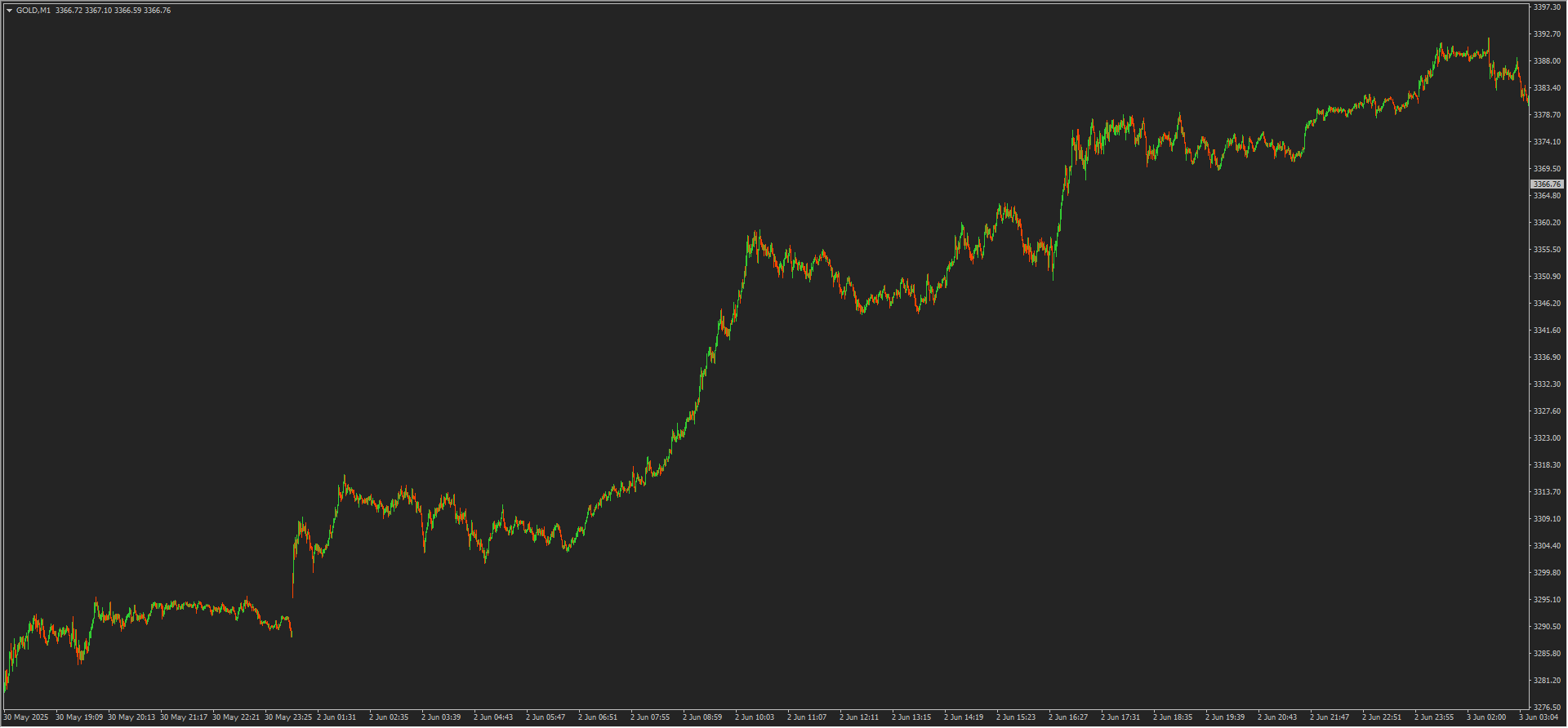
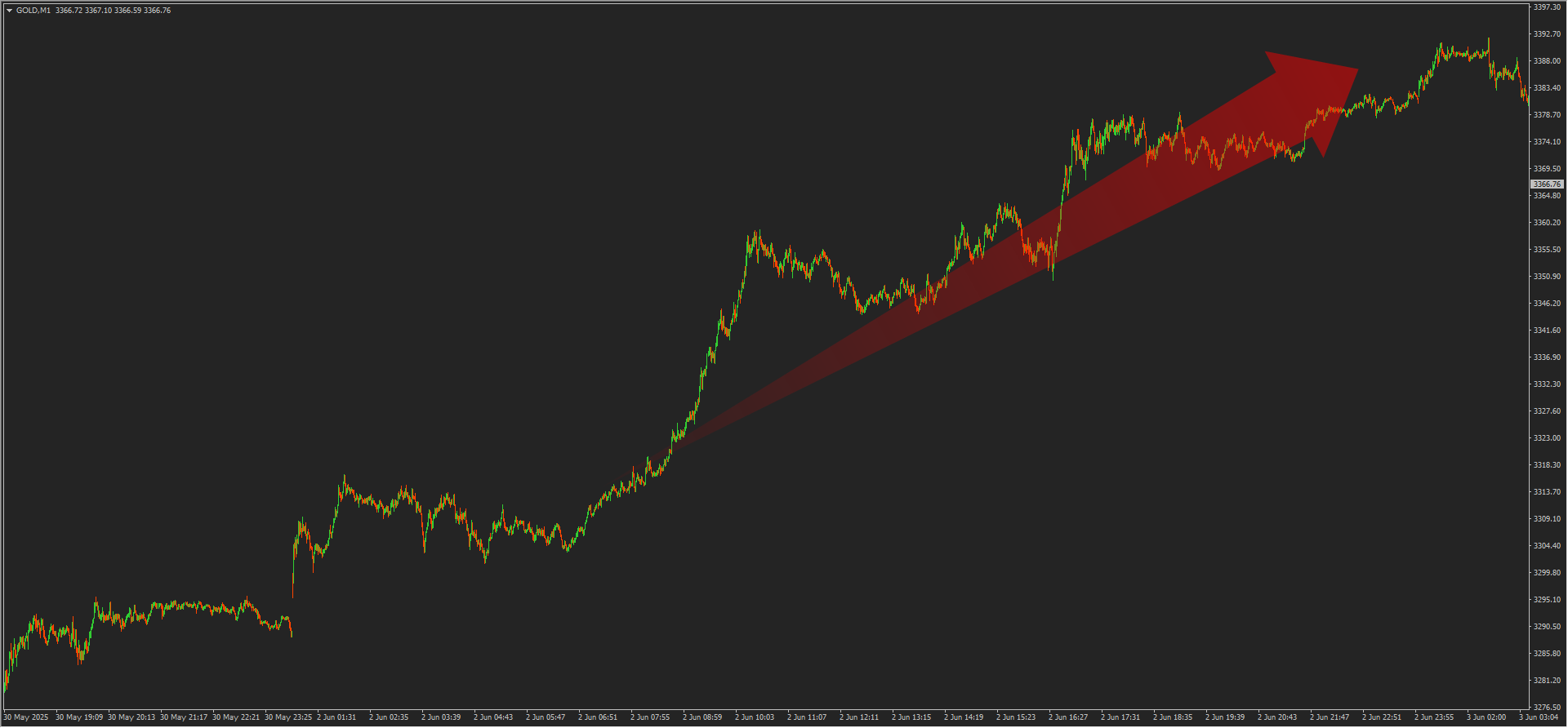
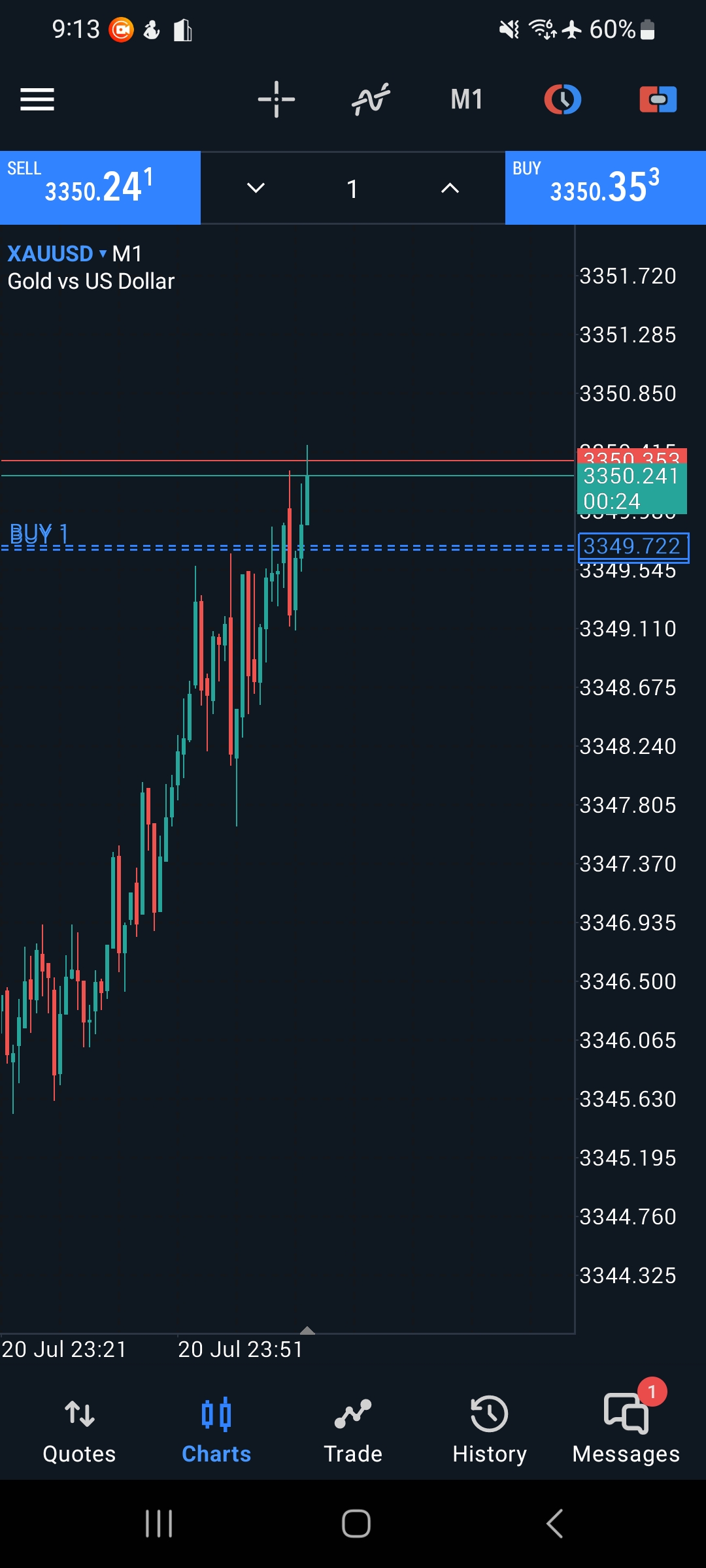
This is the 1-minute chart of GOLD from this Monday (June 2, 2025).
It has risen greatly in just one day.
Watching such a wave,
I think, “I want to ride a big wave.”
“If I could ride a wave like this, the risk-reward would be the best.”
“I want to make a lot of money.”
Yet I end up just staring with my fingers crossed...
Even if I strategize, it rarely materializes...
If, while reading this article, you have such concerns about not being able to ride these waves,
please read the following article!
We will share a method to solve this.
So, how should we target?
A method that even beginners can easily visualize is
“Target the big wave using lower timeframes.”
I think this is the strategy.
Please look at the image below.

The earlier rise is displayed on the 15-minute chart, and the white-framed area has been added.
Let’s watch the wave movements.
※ From here, the way waves are drawn varies by person, so please use this as a reference.

As shown by the yellow line, there are waves on the 15-minute chart.
Since the 15-minute chart is 15 times the size of the 1-minute chart,
if you can capture even one wave, you can aim for a high risk-reward ratio.
Let’s verify this on the 1-minute chart.


On the 1-minute chart, waves are formed like a red line.
“I understand the wave movements, but how exactly should I enter?”
Some of you may have this question.
Let’s test several widely known methods.
For example, with Dow Theory or trend lines,

it’s a simple form, but it seems possible to perform such analyses.
Analysis methods and wave interpretations depend on the individual,
so the above examples are only samples,
and beginners in particular may find them difficult.
Also, when using moving averages, which are widely used,
you may be more confused.
※ Short-term: 20 SMA & EMA
※ Medium-term: 50SMA & EMA
※ Long-term: 200 SMA & EMA
※ Refer to numbers often seen in books and online articles, videos, etc.

However, those who have achieved results might think like this:
- It’s important to narrow down the methods you use and train hard
- Use indicators to define the wave movements and set standards
- Master winning and losing patterns
- Look at many different entry points and study
etc...
Indeed, there are many ways to profit in financial markets,
and first narrowing to one method and mastering it is
not something to deny, but rather a shortcut.
However, how long will that take,
whether that method is truly best for you,
even after much study, the average risk-reward might be “-1 : +1.5”
and the win rate around 55%.
Some may say, “If there’s profit, that’s enough.”
However, if you can change outcomes that wouldn’t satisfy you after effort,
it would be even better.
In the market, on a macro view, similar shapes appear many times, but
on a micro view, the same shape does not appear repeatedly,
and there will be times when you must think deeply each time.
Of course, it’s wonderful to seek methods that suit you.
However, achieving profit while continuing to search for methods that fit you
can create a highly meaningful trading environment.
If I use the program I’ve developed, “猛攻鉄守” (Moukou Tetsumori),
in the market I showed earlier, with a “simple 4-STEP” you can enter as shown in the image below.
↓ 15-minute chart ↓

↓ 1-minute chart ↓

↓ The overall view of the 1-minute chart ↓

If you’re curious about system details,
you can view them at the URL below.
A monitor who grew sixfold in one month appeared,
“Attack and defense”
Destructive power × fast trading system!

★ For beginners or those struggling to gain profits, please consider this!★
Solidify the basics! A leap forward!

Fully supports scalping and binary options.
High win rate recorded
A “certain winning opportunity” , perceive and respond with high accuracy
If you haven’t viewed it yet, please use the link below!